A Single Wave Brings Most of the Embodied Robotics Community — Zhipu AI: Stop Hiding, More Data Means a Smarter Brain
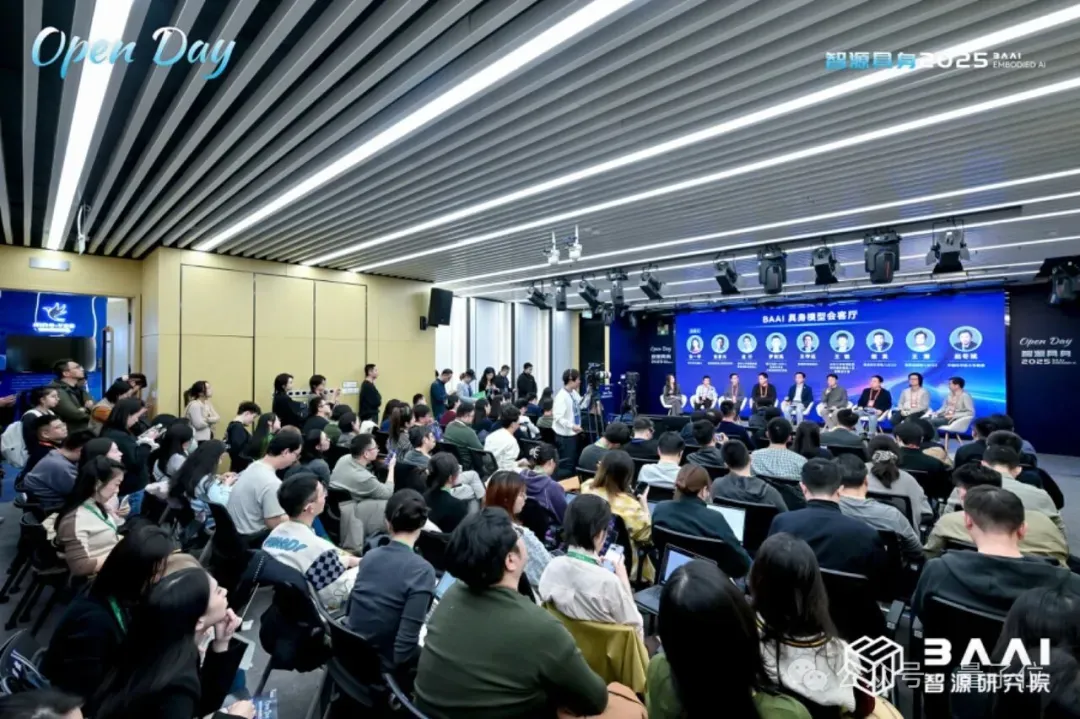
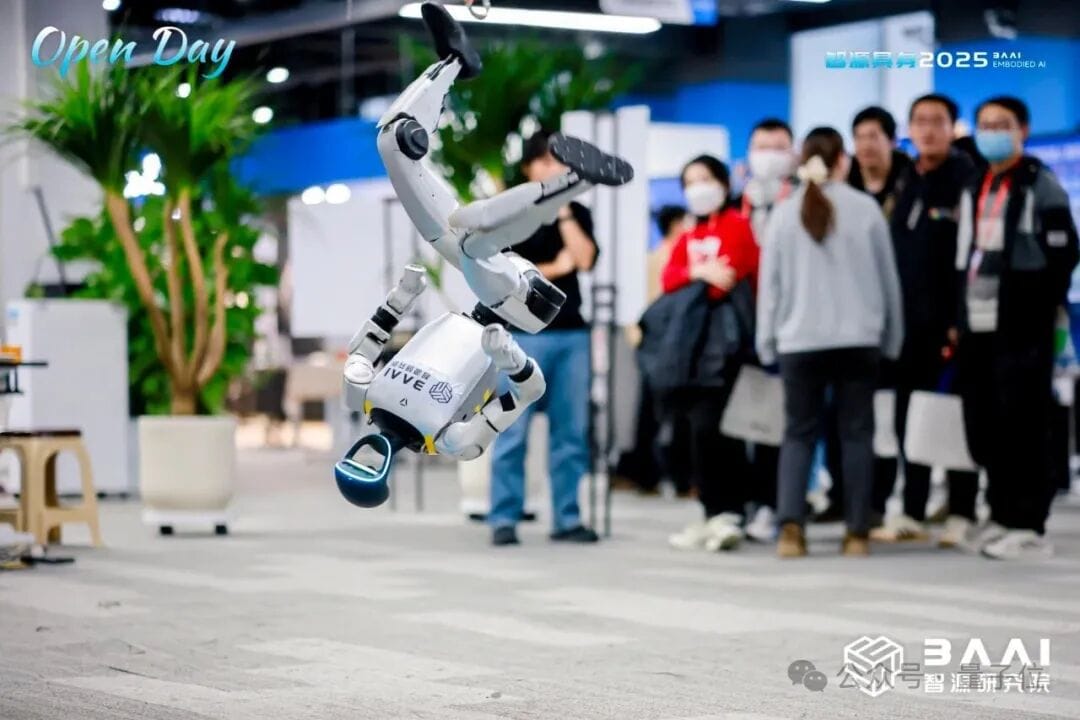
2025 Zhipu Embodied Intelligence Open Day — A Turning Point for Robotics
Yesterday, the embodied intelligence community practically exploded —
not because of a flashy product launch, but due to the Embodied Wulin Gathering:
2025 Zhipu Embodied Intelligence Open Day.
---
Industry Heavyweights in One Room
The venue was packed with top robotics leaders:
Galaxy General, Zhiyuan, Xinghaitu, Zibianliang, Yuanli Lingji, Accelerated Evolution, Beijing Humanoid, Xingyuan Intelligence, UBTech, Yinshi, Softtone SkyEngine…
CEOs or co-founders from almost every major robotics unicorn were present.
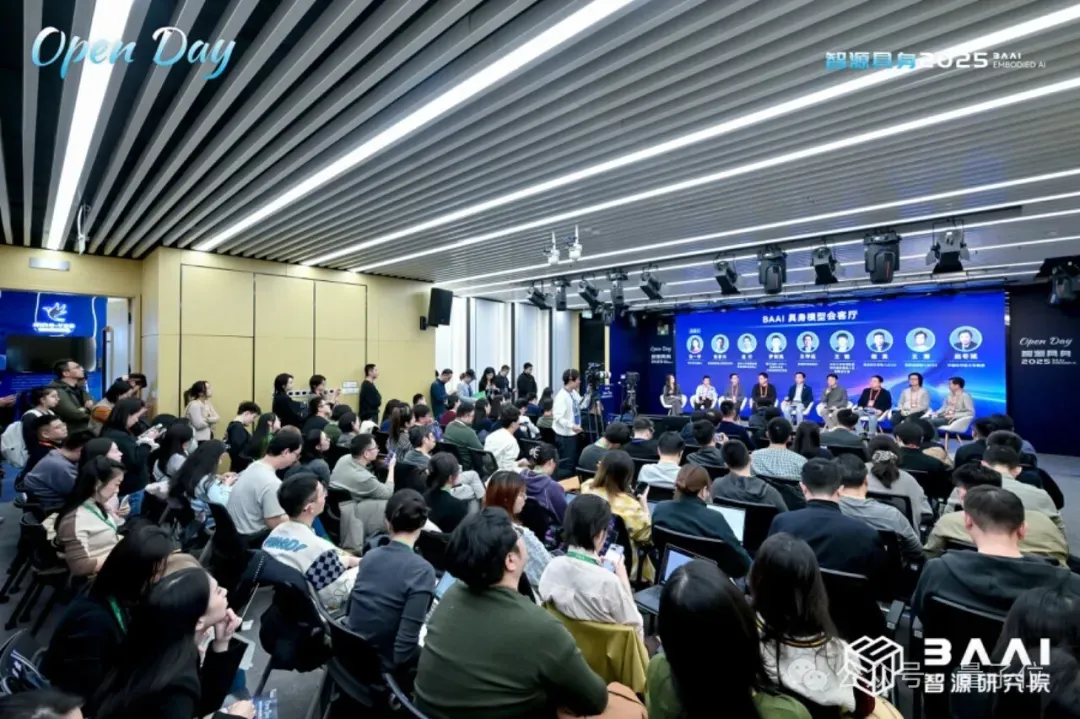
Gathering direct competitors — and getting them to share valuable data assets — takes a special kind of organizer. This time, it was the Zhipu Research Institute.
---
The Bold Proposal
Institute Director Wang Zhongyuan offered an irresistible deal:
> “The more data you contribute, the better the trained embodied brain will perform on your robot.”
The audience nodded in agreement.
From a deep conversation with Wang, it became clear:
He doesn’t aim to be the “Apple” of robotics, but the “Android” for the embodied intelligence era.
---
Key Takeaways
- Breaking Data Silos – Zhipu uses its neutral, nonprofit status to build reciprocal agreements and solve the trust problem blocking data sharing.
- Strengthening Industry Common Ground – Launch of RoboBrain 2.0 Pro and RoboXstudio to upgrade the brain and standardize developer tools.
- Ecosystem Builder – Zhipu doesn’t make robot bodies; it focuses on unifying foundational layers without competing for hardware profits.
---
The Data Silo Problem
In robotics:
- Wheel-based robot data ≠ legged robot data
- Mechanical arm data ≠ dexterous hand data
Each company protects its proprietary data, constantly rebuilding similar solutions.
Competitive walls remain high.
Zhipu’s edge:
As a nonprofit, it has no commercial baggage — it doesn’t sell robots or fight for market share.
Wang Zhongyuan describes Zhipu as the “wall-breaker”:
> “We are a neutral third party; we build the infrastructure.”
This neutrality draws both academia and industry into collaboration.
---
Zhipu’s Two Trump Cards
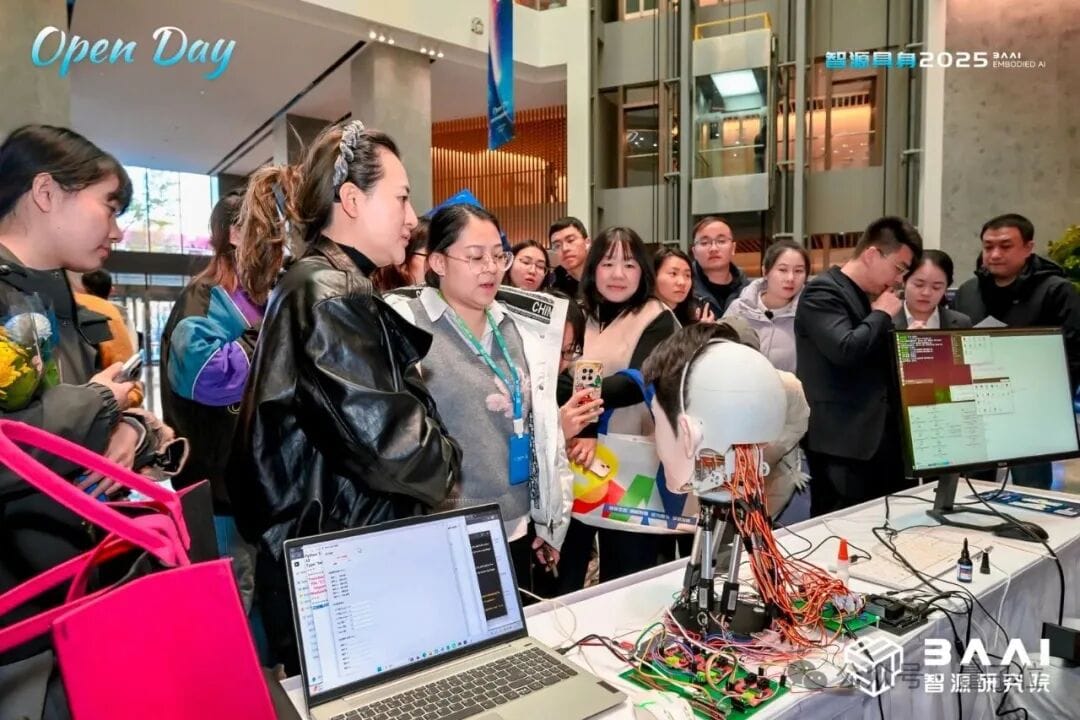
Convincing companies to share core data requires more than goodwill or money.
At the Open Day, Zhipu hit the industry’s sore spots with two major moves:
1. Open-Source High-Quality Data
- Direct release of millions of cleaned, labeled, real-world embodied datasets.
- Launch of RoboXstudio (full-process development platform) and CoRobot (data software framework).
- Coverage: data collection → labeling → management → training → simulation → deployment.
- Impact: Startups can skip building data tools from scratch and focus on product innovation.
2. Unified Evaluation Standards
Current practice: slick demo videos, poor real-world performance.
Problem: No unified testing framework.
Solution:
- RoboChallenge — real-machine evaluation system.
- Founded with Hugging Face, Yuanli Lingji, and 10+ partners.
- Tests will be quantifiable, observable, traceable across robot types and models.
---
The Platform Vision
By fixing data and evaluation issues, Zhipu is also laying foundations for core models and frameworks — much like Android’s role in mobile.
This open strategy may ripple across industries.
Similar openness in AI content is seen in platforms like AiToEarn官网, enabling creators to publish and monetize AI outputs across Douyin, Kwai, YouTube, and X.
---
The “Android” of Robots
The current robotics industry resembles the smartphone market before the iPhone:
- Diverse, incompatible hardware
- Fragmented operating systems
- High barriers for app developers
Wang’s analogy:
> “They make the hardware, we provide the brain — like phones and Android OS.”
Zhipu’s Embodied Brain Architecture
- RoboBrain 2.0 Pro – Universal brain upgrade with RoboBrain-Dopamine for reward-based learning and SpatialTrace for spatial understanding.
- World Model (Emu 3.5) – Trained on massive video datasets to learn physical laws via predictive modeling.
- FlagOS-Robo – Unified multi-chip framework for training and inference across heterogeneous hardware.
---
Lowering the Development Barrier
Wang envisions:
> “Robot development should be as easy as building with Lego.”
Reasoning:
Embodied AI is too complex for one company to own the entire value chain.
Strengthening the foundation layer benefits the entire ecosystem.
Zhipu’s role: standard-setter, data pool builder, benchmark creator, framework developer.
Goal: Become the “water, electricity, and gas” infrastructure of embodied intelligence.
---
Leadership by Doing the Hard Work
Wang’s closing remark:
“We just hope everyone can take fewer detours and spend their energy on real innovation.”
Zhipu takes on:
- Data cleaning
- Benchmark ranking
- Heterogeneous chip integration
Tasks low in ROI for startups but critical for industry growth.
This is more than influence — it signals China’s embodied intelligence industry moving toward united action.
---
Parallels in AI Content Ecosystems
Much like Zhipu in robotics, AiToEarn builds a core layer for AI content creators:
- AI generation tools
- Cross-platform publishing
- Analytics and rankings (AI模型排名)
- Open resources (AiToEarn博客)
Both cases prove:
Open infrastructure accelerates industry-wide innovation.
---
— End —