A Spark of Inspiration: 3.3 Million “Flash Apps” Created
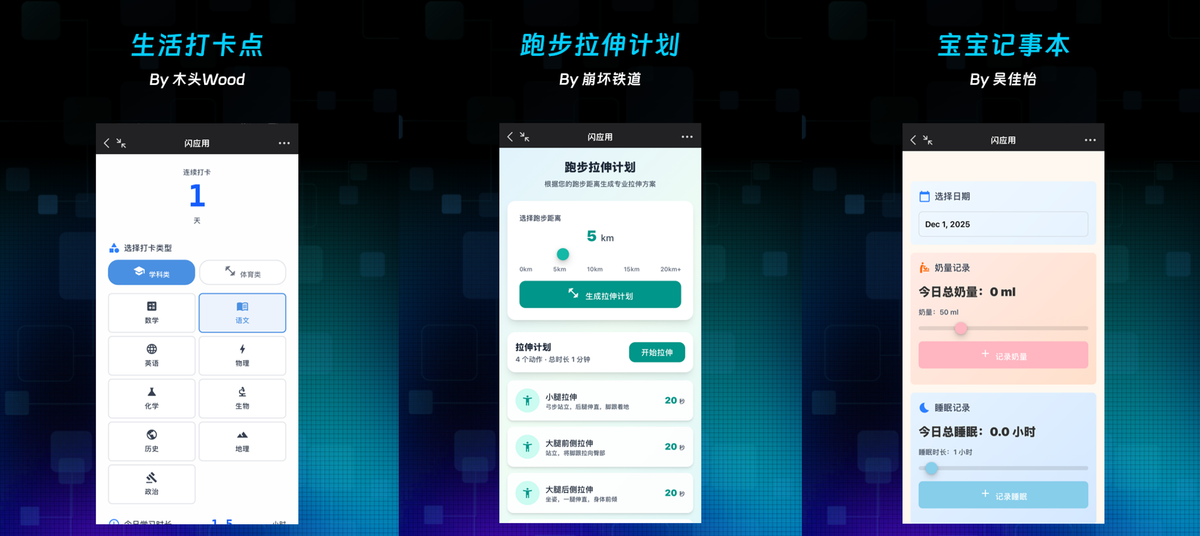
Lingguang Users Create 3.3 Million Flash Apps in Just Two Weeks
Following the explosive success of its “30-second app creation” feature at launch, on December 2 the general-purpose AI assistant Lingguang announced a remarkable milestone:
In the two weeks since the Lingguang App went live, users have successfully created 3.3 million “Flash Apps.”
This surge underscores how everyday people are leveraging AI to solve highly specific, fragmented needs, potentially transforming the way individuals approach problem-solving in daily life.
---
What Users Are Building
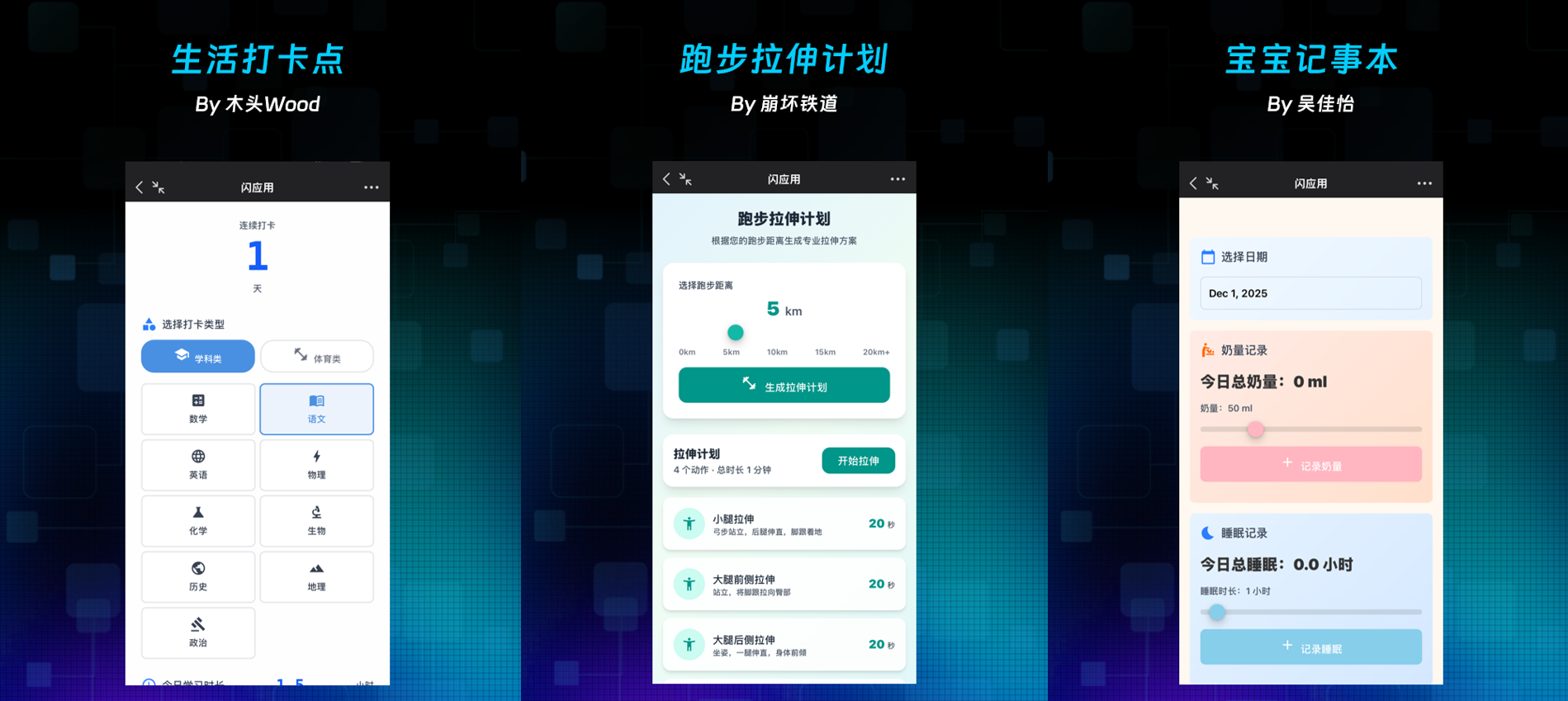
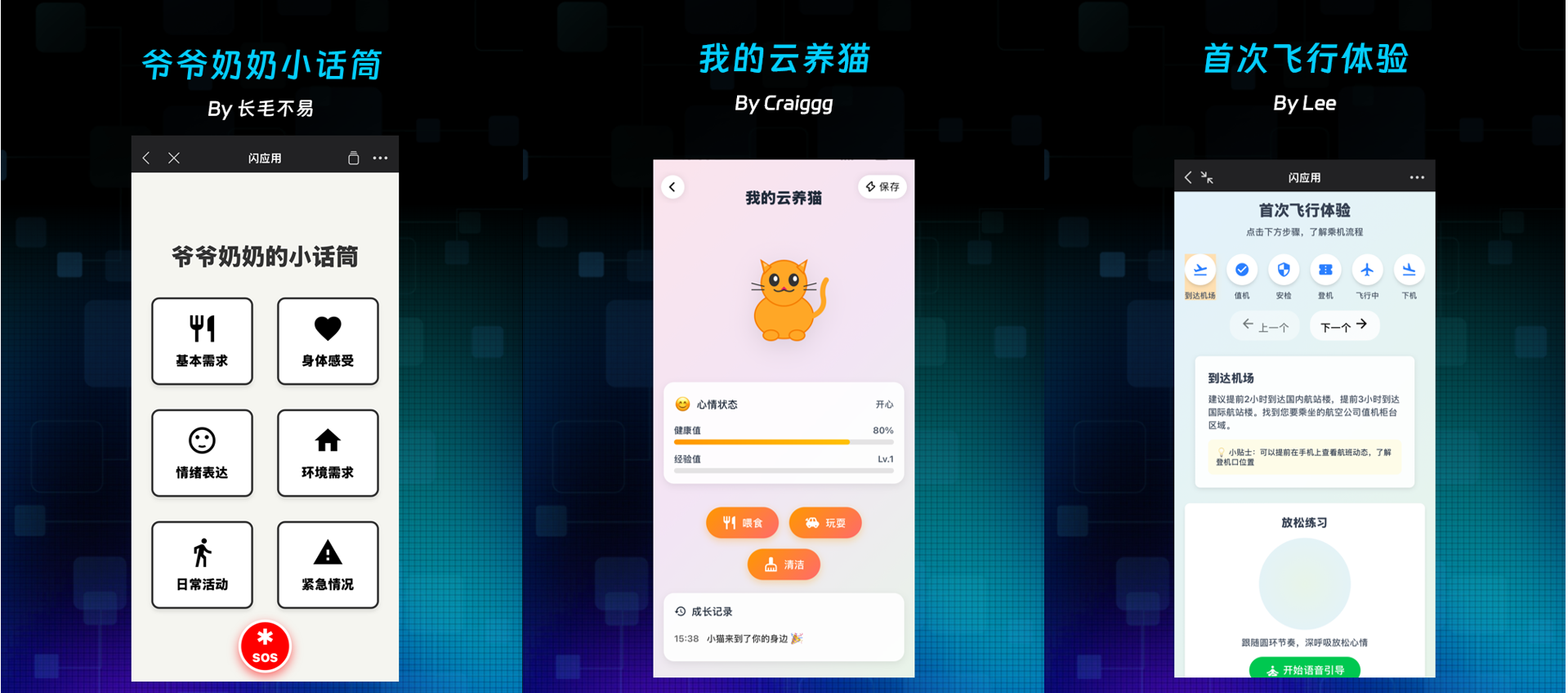
According to Lingguang, most user-generated Flash Apps are practical tools that fit seamlessly into daily routines. The five main categories include:
- Entertainment – Interactive games, stress-relief apps, and other enjoyable, relaxing experiences.
- Daily Utilities – Countdown timers, to-do lists, and productivity boosters.
- Education – Language practice check-ins, self-testing tools for exam prep, and learning aids.
- Health Management – Calorie trackers, fitness planners.
- Lifestyle Tools – Food selection draws, travel planning assistants.
---
How Flash Apps Work
Flash Apps are at the core of the Lingguang experience, breaking through traditional barriers to app development:
- Create in 30 seconds using only natural language on a mobile device.
- No programming skills required — just describe your idea, and the app is generated.
- Interactive, editable, and shareable with others instantly.
This approach stands in stark contrast to traditional development workflows, making anyone a potential AI creator.
---
Creativity in Action
For many, generating apps using natural language is a brand-new concept. Lingguang users have shown:
- High engagement — most users refine their app ideas through multiple rounds of conversation.
- Relentless iteration — some have modified a single app more than 100 times.
- Playful ambition — hundreds have attempted their own versions of “Alipay,” “Taobao,” or “WeChat.”
This illustrates the vibrant imagination driving the community.
---
About Lingguang
Developed by Ant Group, Lingguang is an all-modal general AI assistant that debuted with three primary features:
- Lingguang Dialogue
- Lingguang Flash Apps
- Lingguang Vision
Record-Breaking Growth
- 2 million downloads in just 6 days
- Faster than ChatGPT’s 606k in its first week
- Faster than Claude’s 157k
- 1 million downloads reached in 4 days
- Beating even Sora2’s 5-day performance
These numbers place Lingguang among the most notable AI product launches of the year.
---
The Rise of Everyday AI Creators
The popularity of easy-to-use AI creation tools is ushering in a new generation of casual yet sophisticated digital creators.
Example Ecosystem: AiToEarn
Platforms like AiToEarn官网 complement this trend by enabling creators worldwide to:
- Generate AI content
- Publish across multiple platforms (e.g., Douyin, Kwai, WeChat, Bilibili, Xiaohongshu, Facebook, Instagram, LinkedIn, Threads, YouTube, Pinterest, X/Twitter)
- Manage analytics
- Monetize their work
It even offers tools like AI模型排名 to track AI performance.
---
Key Takeaway
As AI tools continue to lower the barrier to creation, more individuals can:
- Quickly solve personal problems
- Build and share apps or content
- Reach global audiences with innovative digital products
We may be witnessing the early stages of a creator economy powered by everyday AI innovation.
---
If you’d like, I can also add a summary table comparing Lingguang’s speed to other AI products for even clearer impact. Would you like me to prepare that?