
Absurd: Building a Billion-Dollar Unicorn Started with Humans Pretending to Be AI

Absurd Business Validation Strategy — How Fireflies.ai Started by Pretending to Be AI

Background: Six Startup Failures
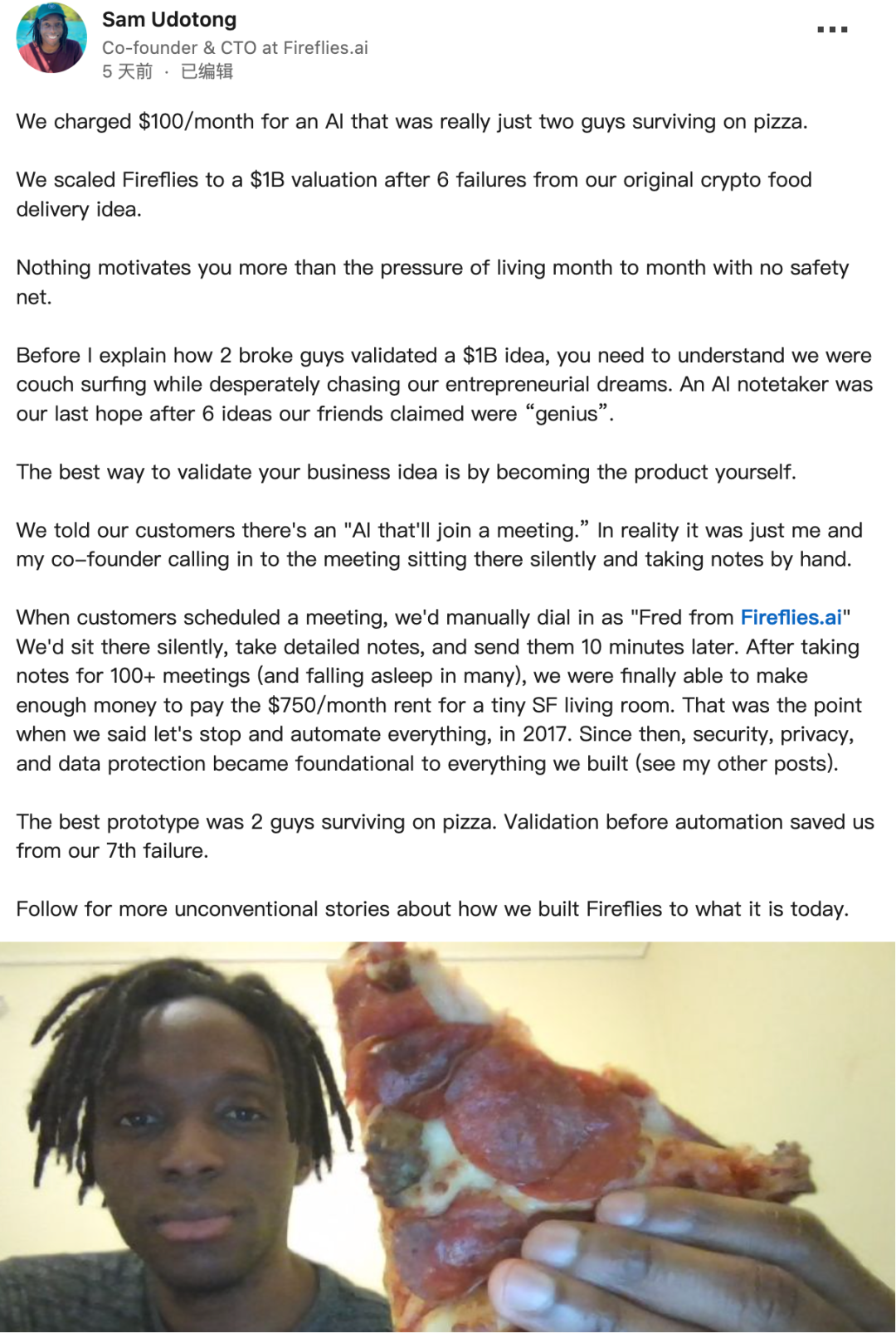
In 2017, after six consecutive startup failures — from “cryptocurrency-powered food delivery” to other wild ventures — two entrepreneurs found themselves living in a friend’s home, surviving mostly on pizza.
Their new idea: Build an AI assistant that could automatically take meeting notes.
The problem?
They didn’t have any AI at all.
---
The “Be the Product” Experiment
Believing the fastest way to test a business idea was to act as the product themselves, the founders took an unusual path:
- Pitch the AI
- Told clients: “We have an AI that automatically joins meetings and takes notes.”
- Human Impersonation of AI
- When meetings were scheduled, they manually dialed in.
- Pretended to be “Fred from Fireflies.ai.”
- Stayed silent, listened carefully.
- Took notes manually.
- Sent transcripts within 10 minutes after the meeting.
The Result
- Recorded over 100 meetings manually.
- Earned enough to cover $750/month rent for a tiny San Francisco living room.
- Only after proving demand did they begin automating the process.
This unusual MVP experiment became the real founding story of Fireflies.ai, now a billion-dollar AI unicorn — as shared by co‑founder Sam Udotong on LinkedIn.
---
Fireflies.ai Today
From a human-powered “AI” to a real AI platform, Fireflies now offers:
- 95% transcription accuracy
- Support for 69 languages
- Intelligent summaries
- Key point extraction
- Workflow automation with other tools
- Strong security & privacy controls
In June 2024:
- Valuation exceeded $1 billion (official unicorn status)
- 500,000+ organizations served
- 20M+ users worldwide
- Profitable since 2023
- Achieved growth with minimal marketing spend
---
Ethical & Privacy Concerns
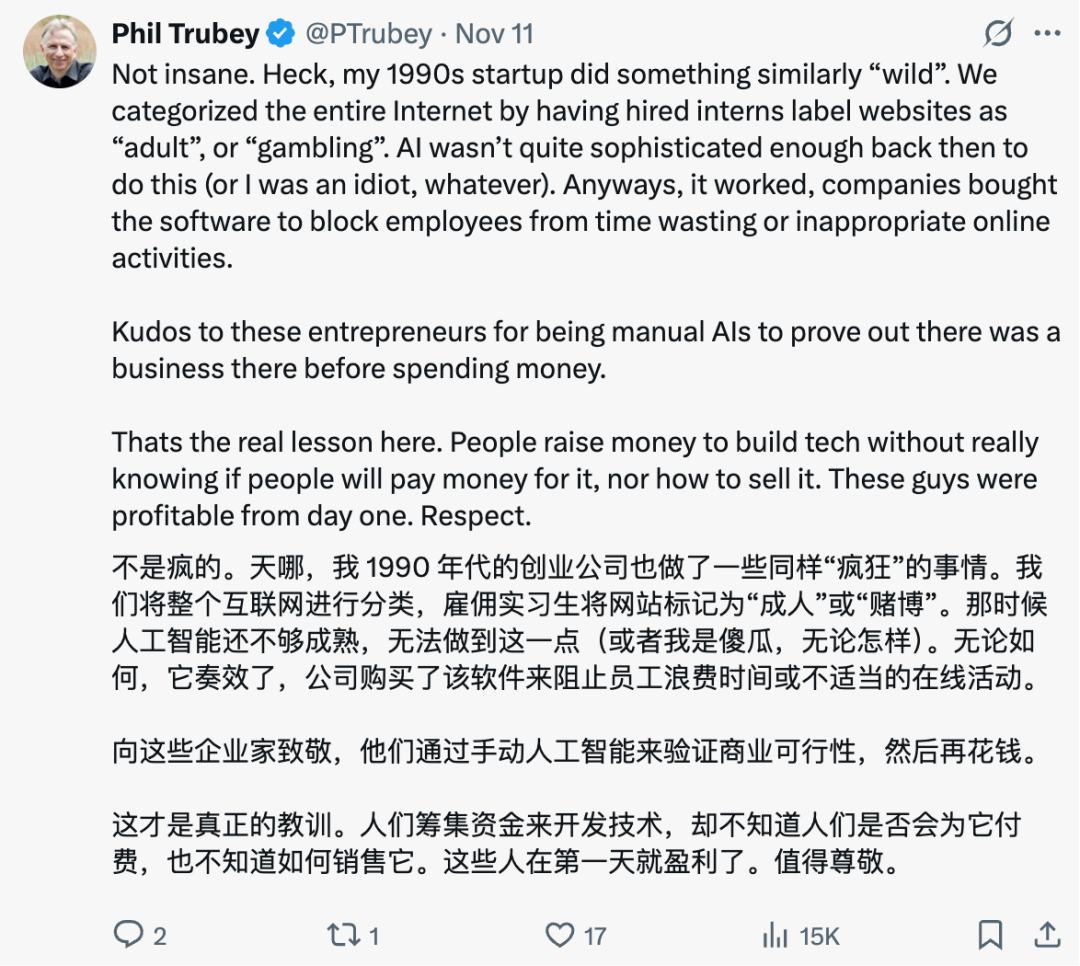
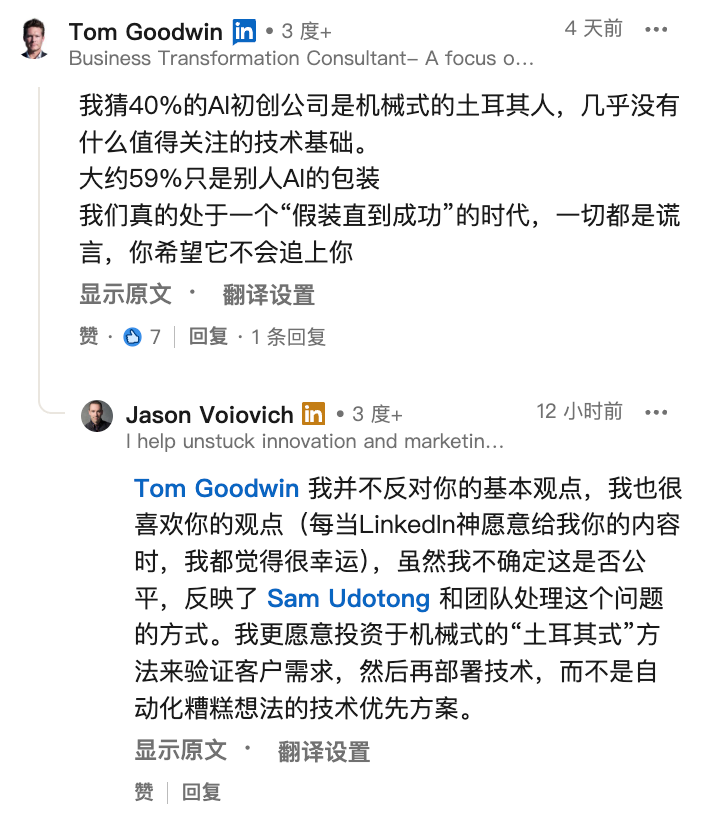
Despite its commercial success, the early practice of replacing AI with human labor sparked controversy.
Key Points of Debate
- Misrepresentation
- Claimed an “AI” would join meetings, but humans actually did the work.
- This is deception, not informed consent.
- Privacy Violations
- Real people listened in on private meetings without attendee awareness.
- Potentially illegal in some jurisdictions.
- Data Security Risks
- Raises questions about how recorded data was handled.
- Could undermine client trust long‑term.
- Cultural Signal
- Normalizing deception could damage company culture.
Many online comments were strongly critical, including: “See you in court!”

---
Lessons for Startups
Even though Fireflies.ai’s founders succeeded, this method carries ethical and legal risks and is not recommended.

Reference:

---
Broader Takeaway
Stories like this show that bold MVP experiments can lead to breakthroughs — but also demonstrate why startups must ensure ethical design and transparent communication from day one.
Today, creators can validate ideas quickly without deception, using open, transparent AI platforms.
Example: AiToEarn (Open-Source AI Content Platform)
AiToEarn官网 helps teams:
- Generate AI content
- Publish across Douyin, Kwai, WeChat, Bilibili, Xiaohongshu, Facebook, Instagram, LinkedIn, Threads, YouTube, Pinterest, X (Twitter)
- Track analytics & model rankings
- Monetize across multiple channels
- All with full transparency and scalable workflows.
---
Contact for Reprint Authorization:
liyazhou@jiqizhixin.com
---
Final Note:
Early AI startups sometimes relied on human labor behind the scenes, blurring the line between automation and manual intervention. Modern open-source ecosystems now make it possible to experiment rapidly while staying ethical, scalable, and trustworthy.


