AI Era: A New Epoch of Adaptive Experience Design
Beyond UI/UX: Designing Adaptive Experiences in the Age of AI
In my earlier piece Designing UI/UX in the Age of Distraction, I explored how designers worked to break through noise and capture attention in a stimulus-heavy world. At that time, design was largely human-crafted — and the Adobe Suite dominated creative workflows.
Fast forward to today:
We’re in a new era where AI, contextual intelligence, and automation are reshaping the very meaning of “experience.” Interfaces are no longer static; they are adaptive, predictive, and self-evolving — marking the shift from UI/UX to AX (Adaptive Experience).
---
The Rise of Adaptive Design
From Static to Dynamic Experiences
Historically, UI and UX followed linear pathways — menus, buttons, predictable flows from point A to point B. These assumed all users behaved alike.
> Adaptive Experience (AX) changes that. Instead of pre-mapped journeys, AX dynamically reshapes itself in real time — driven by signals, intent, and behavior. The aim: anticipation — delivering what the user needs before they even ask.
---
AI-Driven Personalization
AI merges automation with large-scale personalization:
- Netflix adjusts recommendations based on not just what you watch, but when, how long, and even mood patterns.
- Spotify builds mood-based playlists, combining algorithms with emotional cues.
- Amazon experiments with anticipatory shipping, predicting demand and transforming the customer journey.
This is ecosystem design — interfaces that learn, adapt, and co-create.
---
Platform Example: AiToEarn
AiToEarn官网 shows how AI enhances adaptive creation. It unifies:
- AI generation
- Cross-platform publishing (Douyin, Kwai, WeChat, Bilibili, Rednote, Facebook, Instagram, LinkedIn, Threads, YouTube, Pinterest, X)
- Analytics & model ranking (AI模型排名)
Result: Context-aware, monetizable creative work — fully aligned with AX design principles.
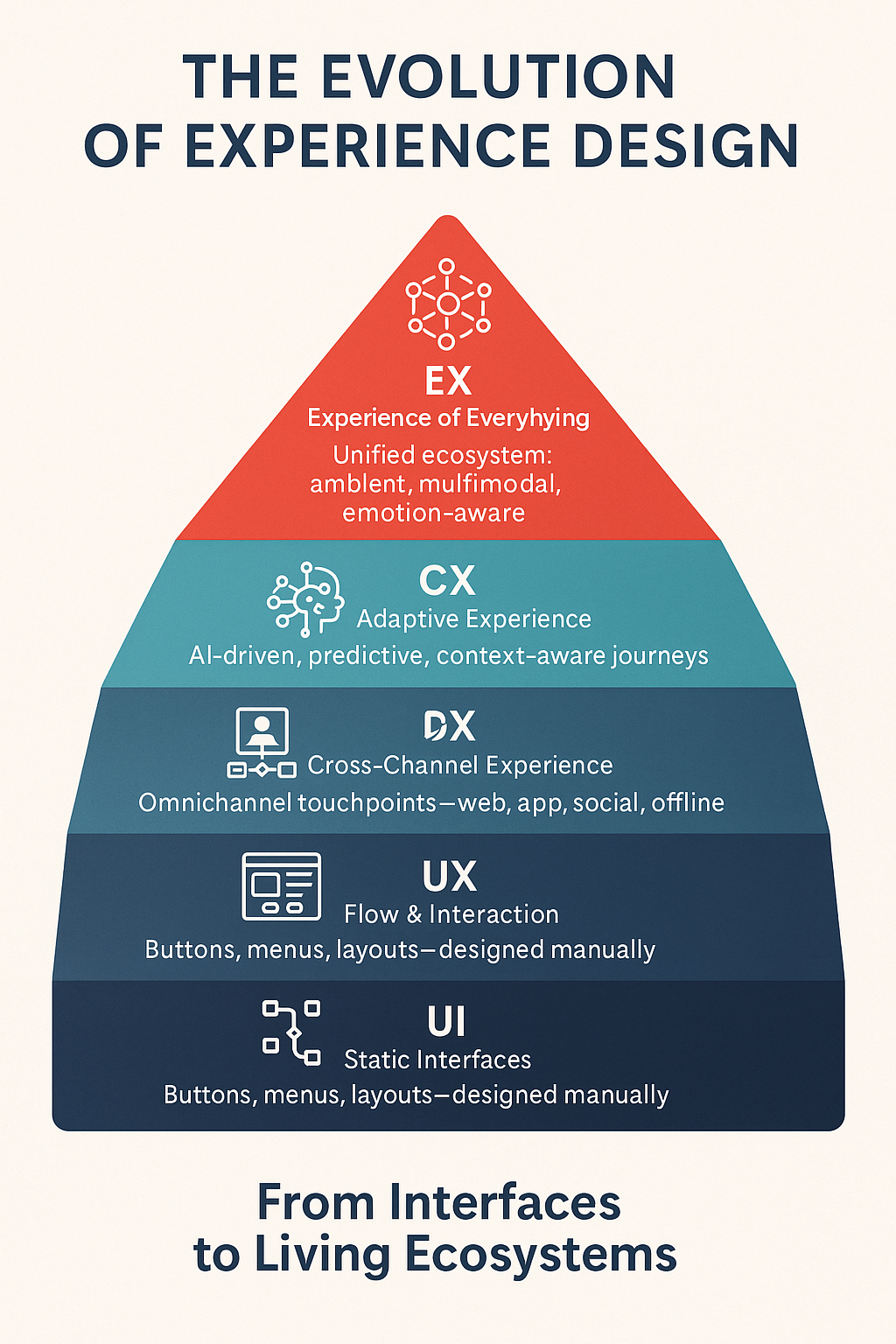
Illustration by Aroon Kumar
---
Contextual Engineering & Intelligent Interfaces
Adaptive design = philosophy
Contextual engineering = execution engine
Modern interfaces rely not on rigid logic, but signals:
- Location
- Past behavior
- Time of day
- Emotional state
- Micro-interactions like scroll speed or dwell time
These inform Signal Decision Platforms (SDPs) — real-time orchestrators that decide how interfaces respond.
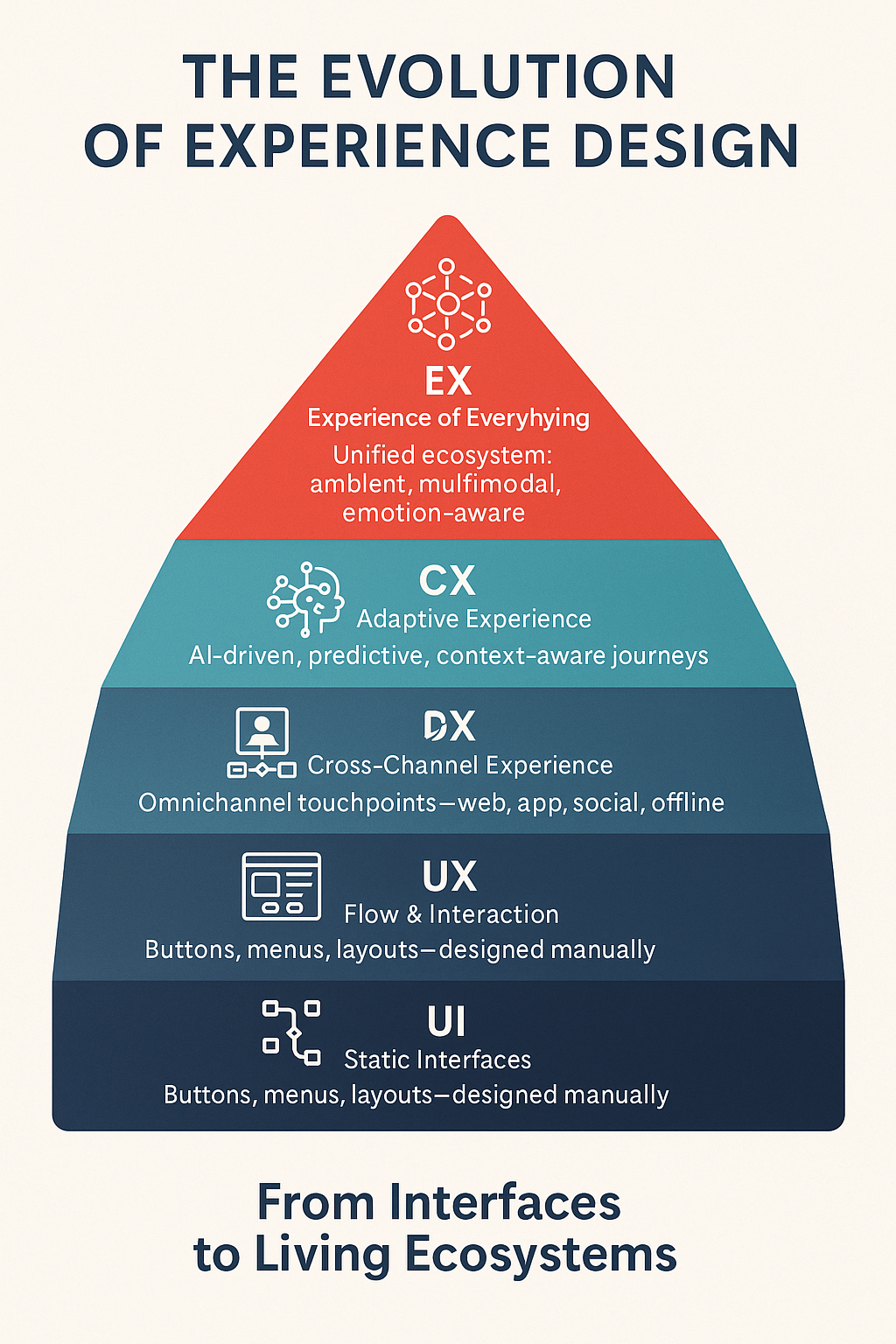
Progression of Experience Layers
- UI → Responsive, dynamic surface
- UX → Fluid journey adapting to micro-contexts
- CX → Unified, cross-channel touchpoints
Emerging EX (Experience of Everything)
This integrates human, digital, and ambient interactions, forming adaptive ecosystems.
---
New Interaction Modalities
We’re seeing major shifts with:
- Conversational AI (ChatGPT, Perplexity, DeepSeek)
- Voice assistants (Alexa, Google Assistant)
- AR/VR blending physical & digital spaces
- Multimodal AI fusing text, voice, visuals, and action
> Core principle: Design now focuses on how systems perceive, interpret, and anticipate — orchestrating rather than decorating.
---
Human-in-the-Loop: Designers as Experience Architects
AI-powered tools (e.g., Adobe Firefly, Figma AI) now automate:
- Layout generation
- Color palette selection
- User flow design
What once took days is now accomplished in seconds.
The designer’s new role:
- Maintain ethics, accessibility, inclusivity
- Identify bias & respect cultural nuances
- Safeguard human dignity
AI + Human Oversight Synergy
Platforms like AiToEarn官网 embody this blend — automating content generation, cross-platform publishing, and monetization, while keeping creators in control.
> Designers are now experience architects — shaping dynamic systems that balance business goals with human values.
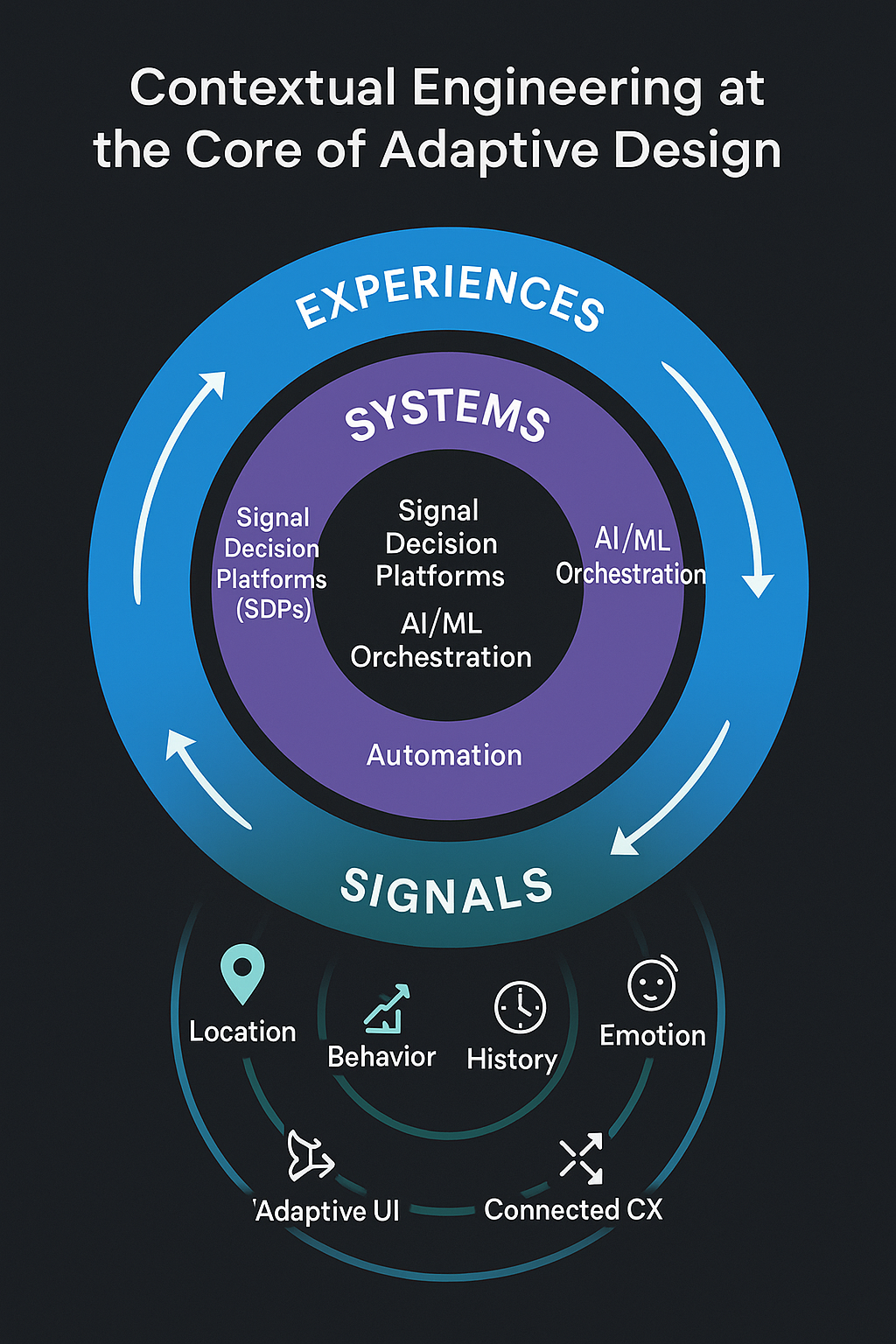
Illustration by Aroon Kumar
---
The Future of Adaptive Experience
From Screens to Signals
Design is evolving into ambient, intuitive, and invisible interaction.
Key trends to watch:
- Zero UI: Gestures, voice, environmental triggers replace clicks
- Emotion-aware systems: Interfaces adapt to stress, joy, or fatigue
- Privacy-first personalization: Balancing deep customization with user trust
Design Ethics in a Signal-Driven World
Designers must:
- Think beyond pixels
- Ensure ethical, accessible, human-centred experiences — even without visible interfaces
---
Tools Empowering the Shift
AI-driven, multi-platform solutions are essential.
AiToEarn offers:
- Open-source AI content monetization
- Simultaneous cross-platform publishing
- AI model ranking & analytics
Such tools help creators adapt, connect, and monetize — while retaining the human touch.
---
Closing Thoughts
The next decade belongs to those who blend intelligence with humanity. Adaptive design is not about screens; it’s about orchestrating living ecosystems of trust, context, and connection.
---
Originally published on Medium.
Featured image: Ussama Azam.