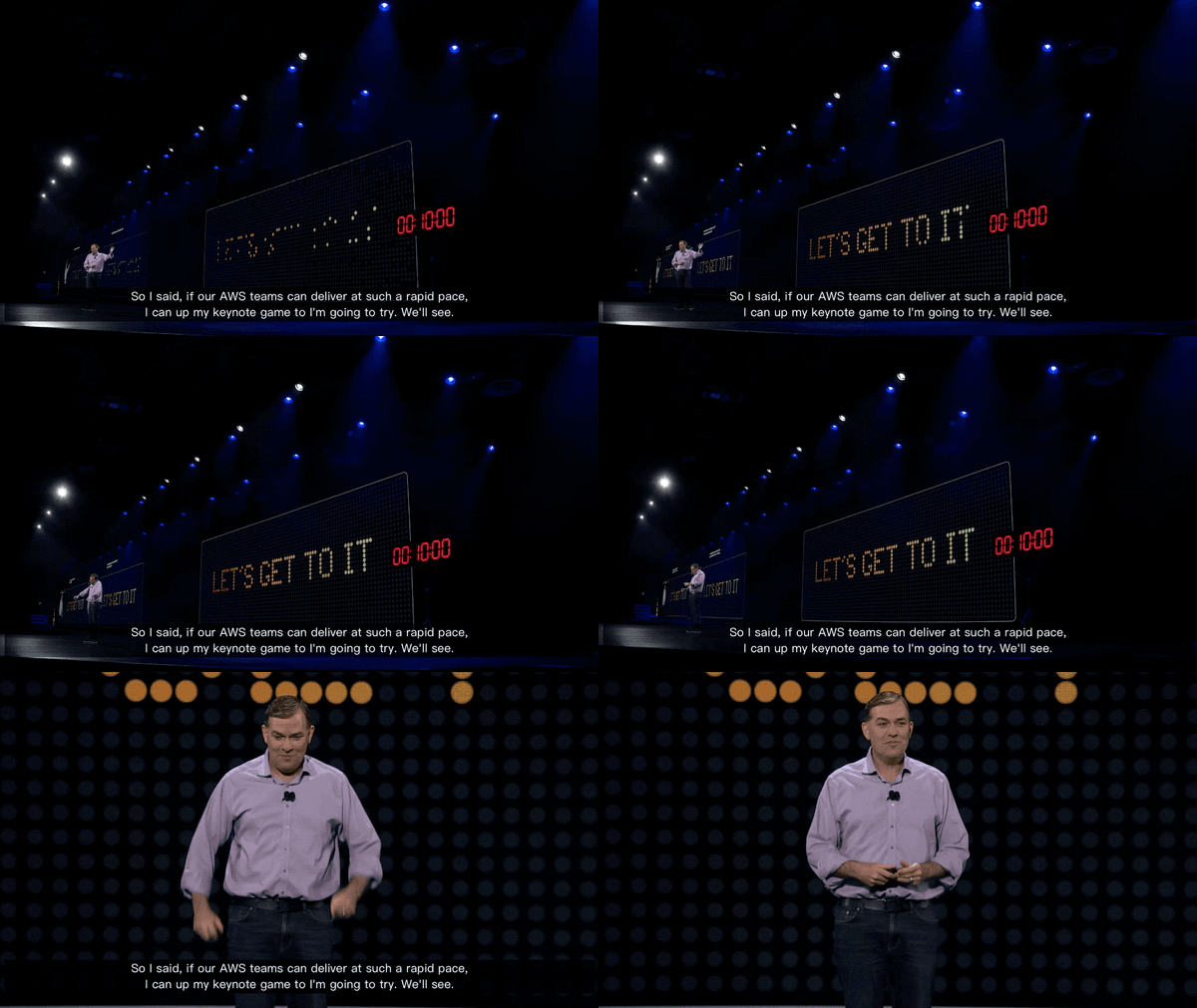
AI’s Next Decade Ignited in Zhongguancun
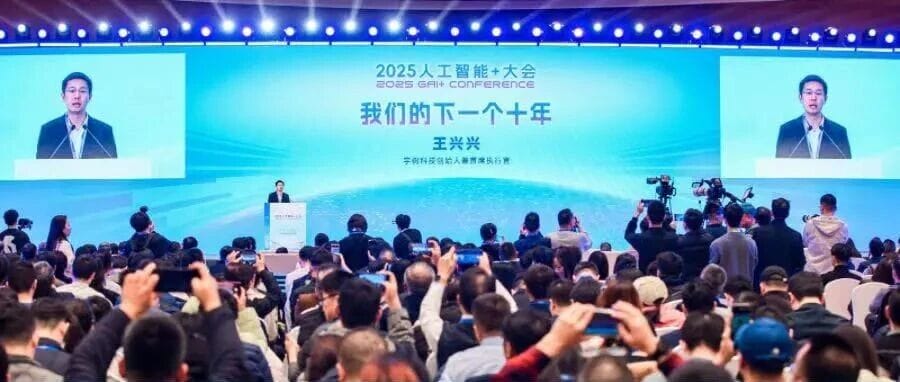
The Next Chapter of AI: Industry Leaders Proclaim "Scenarios Are King"

Setting Sail into AI’s Deep Waters
As the great vessel of the AI era sails into deeper waters — who is at the helm, and who stands watch?
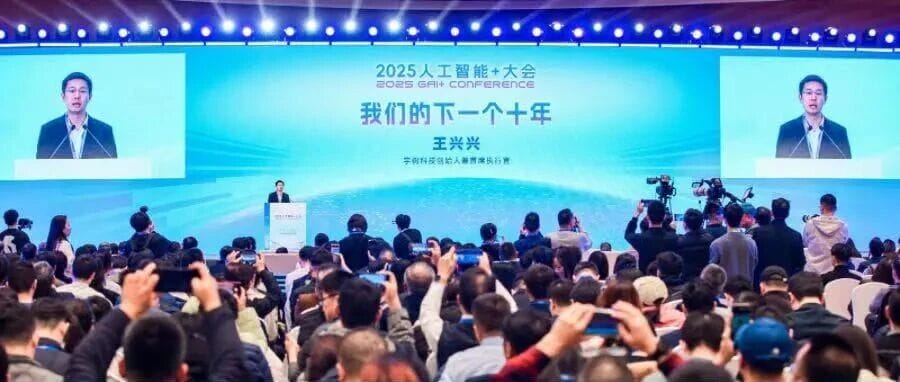
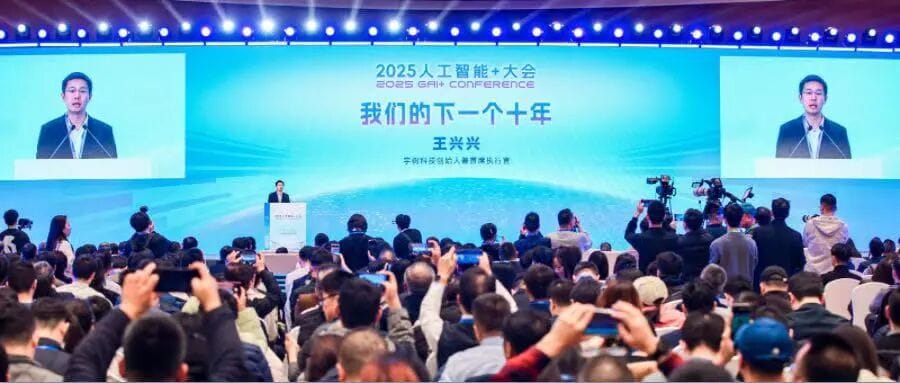
Today in Zhongguancun, 600 participants from research, industry, and investment gathered under one roof.
Among the attendees:
- Yao Qizhi — Turing Award laureate
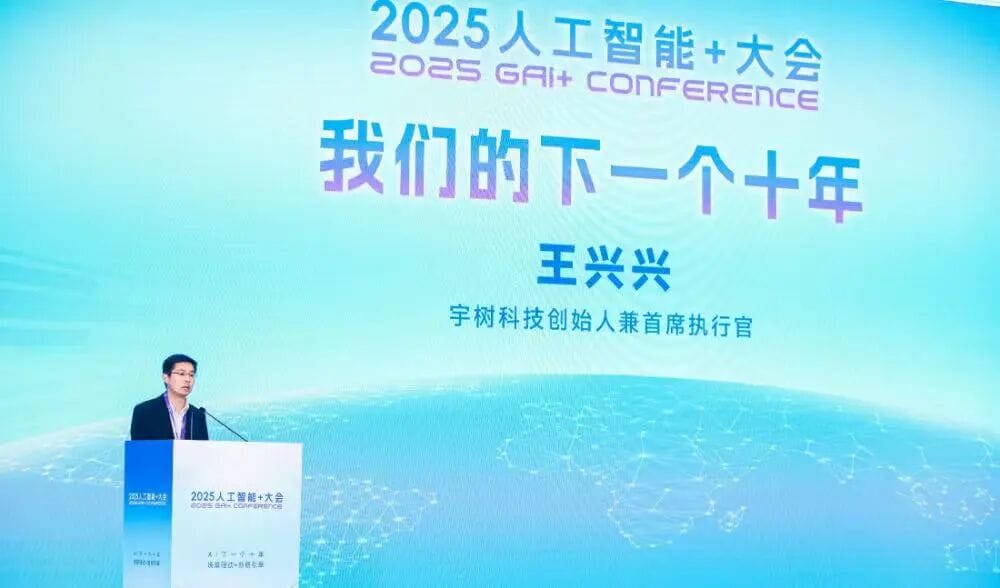
- Wang Xingxing — Founder of Unitree Robotics
- Core leaders from Zhipu, Fourth Paradigm, StepStar, Membrane Intelligence, Alibaba Cloud, Xinghai Chart, iFLYTEK, Unisound, and Zhongshu Ruizhi
These pioneers now stand together at the starting line to define the next decade of AI, each offering insights and forecasts.
Keynote Voices from the Stage
Yao Qizhi shared his vision:
> “No matter how we view it, the most important next step in AI development is to achieve AGI — Artificial General Intelligence — that satisfies everyone.”
AGI, he emphasized, is “not only a scientific high ground but also a strategic and economic high ground for nations.”
On AI’s potential to transform research:
> “AI can empower every industry — even in what humans consider the highest-intelligence domain: scientific research. In the next 5 to 10 years, AI will fundamentally transform how scientists work across every discipline.”
From the industry side, Wang Xingxing predicted:
> “Over the next decade, AI will give robots a true understanding of the world.”
He described an era in which robots evolve from mere movers to capable doers, from industry tools to life companions.
Technology Meets Practice
Speakers agreed: practical applications are becoming the driving force in propelling AI forward, bringing technology–industry integration to an urgent tipping point.
Yao cautioned about AI safety:
> “AI algorithms inherently lack robustness — they are uncertain, inexplicable, and vulnerable to malicious interference. We should develop AI systems with provable safety.”
The shared perspective: AI is now accelerating into the true deep sea. Zhongguancun felt like a mother ship setting course for the next decade of AI. 2025 marks the start of this voyage.
---
01. Frontier Technologies Expanding Rapidly
From Reinforcement Learning to Embodied Intelligence
Yao Qizhi outlined four inevitable directions for AI’s future. The first:
- Embodied Intelligence — requiring a physical hardware body, a small brain for stable, agile movement, and a large brain for cognition and planning.
- Robots could then take on tasks humans prefer not to do, overcoming the rigidity of traditional robotics.
The second: AI for Science
- Example: Quantum error correction breakthroughs at Google.
- > “Every scientist’s future work will require the scientist plus a large AI model.”
Industry voices reinforced these observations:
- Jiang Daxin (StepStar CEO): AI is shifting from imitation learning to reinforcement learning, enabling multi-step reasoning and execution.
- Xu Huazhe (Xinghai Chart Co-founder): Robotics has advanced from basic walking to dancing, performing tasks, and factory deployment.
- > “Robotics is also the future of large models.”
Bottom line: Breakthroughs are multi-directional and simultaneous.
---
02. Scenarios as the Real Driving Force
From "Benchmark Scores" to "Operational Success"
Consensus among researchers and industry leaders:
- Real-world scenarios will dictate AI’s pace and shape.
- Focus is shifting from chasing benchmarks to proving end-to-end operational success.
Example: AiToEarn官网
- Enables creators to publish and monetize content across multiple platforms: Douyin, Kwai, WeChat, Bilibili, Xiaohongshu, Facebook, Instagram, LinkedIn, Threads, YouTube, Pinterest, and X (Twitter).
- Integrates analytics and AI model rankings (AI模型排名).
- Represents the shift from technology scoring → real operational impact.
Roundtable Highlights:
- Scenario Integration is the path to successful commercialization.
- Open source accelerates growth and creates business opportunities.
- North Star Change — companies must see tangible operational improvement.
- Smart terminals could become main AI entry points; cars as “third space,” homes as AIoT hubs.
- Embodied intelligence will thrive in complex environments like homes, bridging toward AGI.
---
03. Models Are Strong, but Industry Needs:
- Lower Costs
- Better Data
- Robust Engineering
Key points from industry leaders:
- Cost is the primary barrier for large-scale adoption (Liu Zhiyuan, Mianbi Intelligence).
- Model capability density is doubling every ~100 days, reducing costs.
- System-level engineering ensures AI delivers real end-to-end value (Yu Kai, Speechocean).
- From a business perspective: Solve problems within budget (Huang Wei, Unisound).
- Deep engineering best practices are still scarce in industry (Huo Jia, Alibaba Cloud).
Alibaba Cloud’s Four Lessons Learned:
- Avoid “showboating” scenarios; target repetitive tasks.
- Data != corpus; localized processing is crucial.
- The biggest model isn’t always the best; traditional methods can outperform.
- Agent architectures should scale step-by-step.
---
Expert Predictions:
Which technology will reshape industry?
- Liu Zhiyuan: Internet of intelligent agents
- Li Zhenjun: Interconnected data infrastructure
- Yu Kai: Distributed intelligent agent systems
- Huang Wei: Collaborative intelligent agents based on ultra-powerful foundation models
- Huo Jia: Measure AI apps by token consumption, not compute limits
---
Conclusion: The Ship Has Left Port
Returning to our opening question:
- Observers assess the course.
- Frontline practitioners drive implementation.
- Together, they’re writing AI’s navigation chart.
Platforms like AiToEarn官网 embody the push toward an integrated ecosystem — linking AI generation, publishing, analytics, and monetization under one workflow.
The voyage for AI’s next decade begins now.