Apple launches large foldable, major camera sensor upgrades — 2026 set to be the “big” year for smartphones
2025: The Year Smartphones Go Big
Next year is shaping up to be a “big” year for high-end smartphones — not just in performance, but in physical size. Expect:
- Bigger screens
- Bigger camera sensors
- Bigger batteries
These upgrades will bring a triple leap in user experience. But bigger hardware also comes with challenges.
---
1️⃣ Bigger Screens: Foldables & Tri-Folds
Mature Foldable Designs
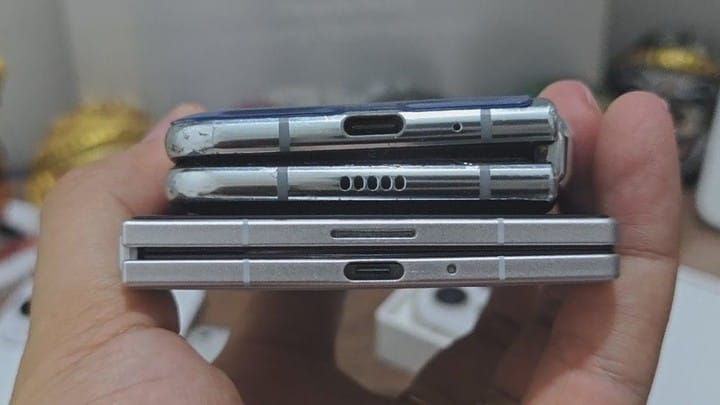
From the first-gen Samsung Galaxy Z Fold to now, folding phones have seen six years of refinement:
- Unfolded thickness: ~4 mm
- Folded thickness: ~9 mm
- Weight: <250 g
- Nearly invisible creases
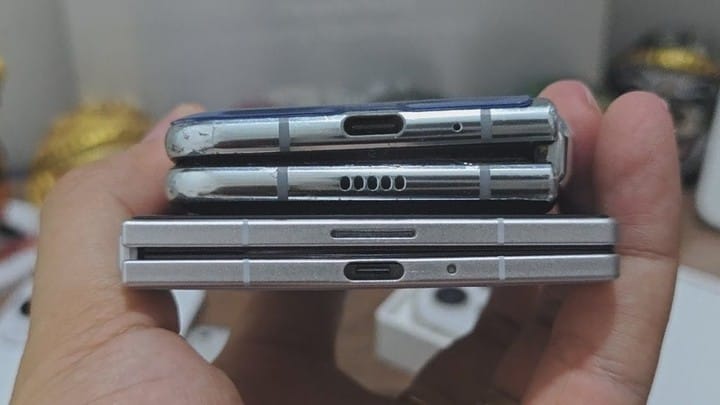
▲ First Galaxy Z Fold vs Galaxy Z Fold 7 — Source: YouTube @FavoriteTechX
2025: Major Brand Push
Next year, Apple, Samsung, and Huawei will double down on foldables, driving hype to new heights.
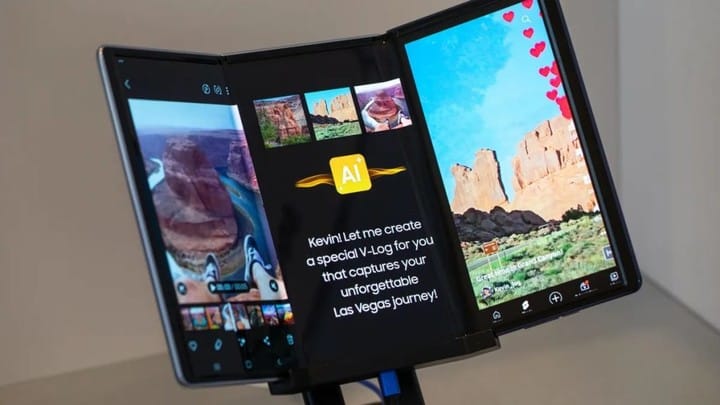
Samsung Galaxy Z TriFold
- Launch: Possible Dec 2024
- Unfolded screen: ~10 inches
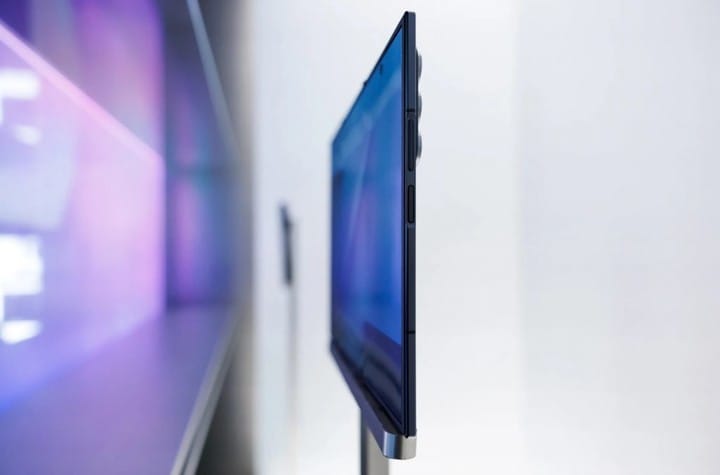
- Folded: 6.5 inches, 12.1 mm thick (slimmer than Huawei Mate XTs at 12.9 mm)
- Folding type: “G” pattern, double inward fold (no dual-fold display mode)
- Battery: 3 independent cells totaling 5600 mAh
- Processor: Snapdragon 8 “Supreme Edition”
- Camera: Up to 100× zoom
- Durability: Multi-track hinge tested to 600,000 folds
- Price: ~4.4M KRW (~21,000 CNY)
- Availability: Selected Asian & U.S. markets
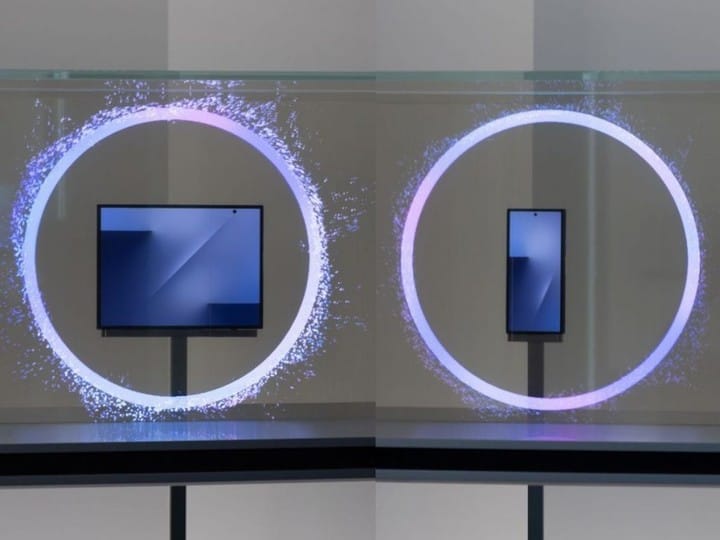
Huawei Mate XTs
- Launched in 2024
- Feels like a half-generation refresh — major improvements expected in 2025 (thickness, hinge, battery).

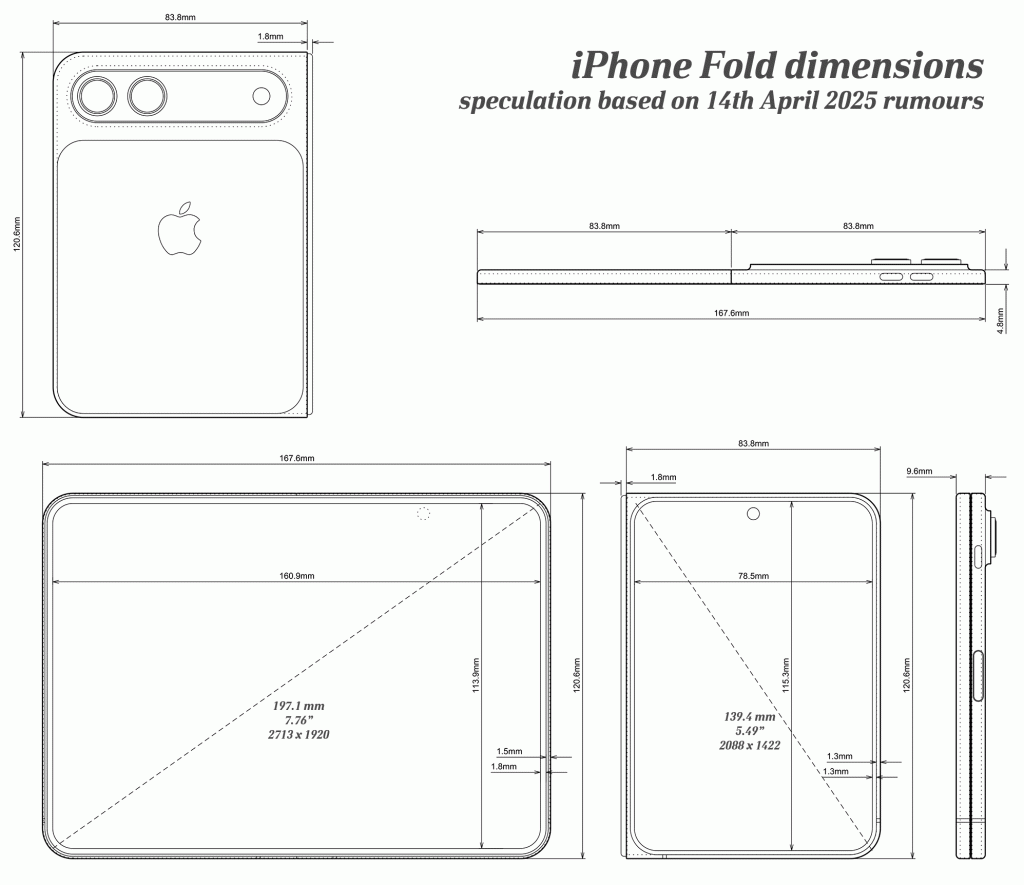
Apple’s First Foldable iPhone
- Launch: H2 2025
- Design: Like “two iPhone Airs side-by-side”
- Outer screen: ~5.5 inches
- Inner screen: ~7.8 inches, 1.4:1 aspect ratio (widescreen, not square)
- Market impact: Apple could mainstream foldables, boosting shipments.

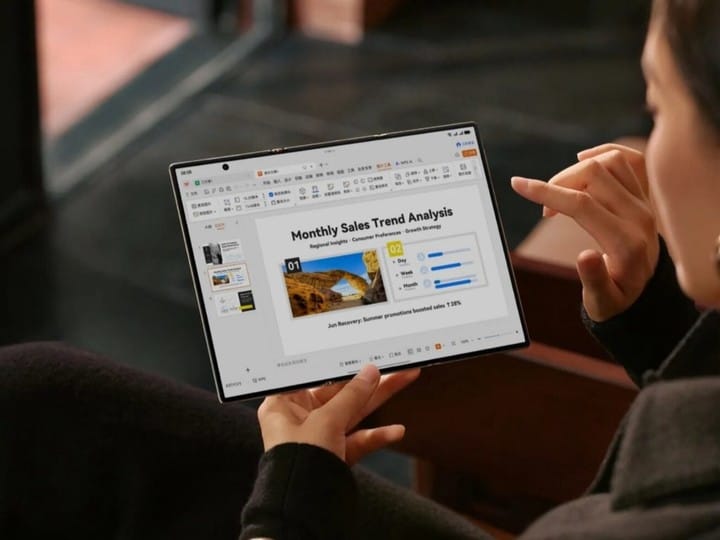
Key Trend: With tri-fold designs expanding, smartphone screens are now pushing toward the 10-inch mark — territory once reserved for tablets.
---
2️⃣ Bigger Cameras: Larger Sensors & Higher Pixels
Ultra Imaging Flagships Incoming
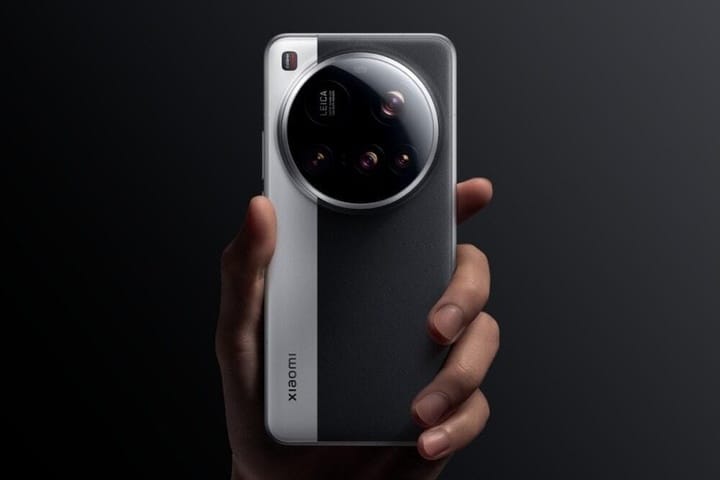
- Xiaomi 17 Ultra — Late 2024
- OPPO Find X9 Ultra — Mar 2025
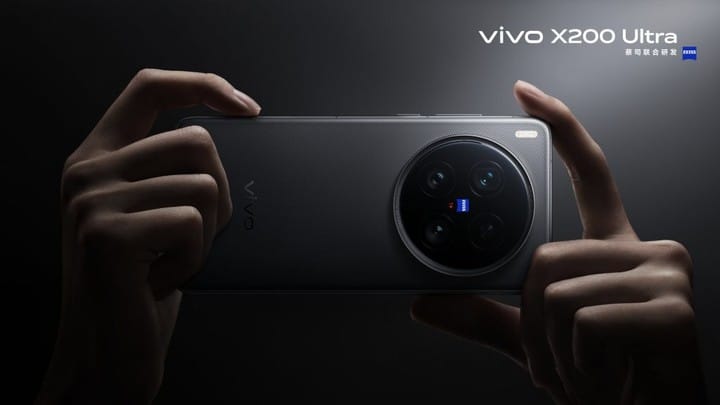
- vivo X300 Ultra — Apr 2025
---
Big CMOS: Sony LYT-910
- Size: 1/1.1-inch large format
- Resolution: 200MP
- Pixel size: 0.7 μm
- Feature: LOFIC high dynamic range (Lateral Overflow Integration Capacitor)
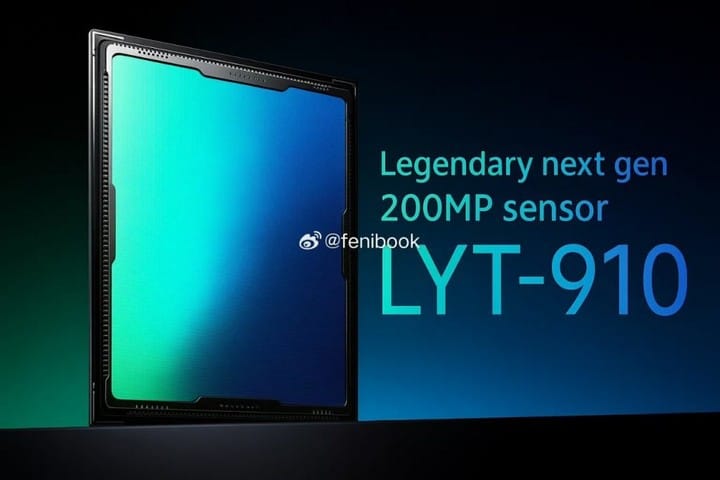
LOFIC acts like a side cup for each pixel, catching overflow light to retain highlight detail:
- Improves dynamic range
- Preserves detail in extreme lighting
- Enables single-shot HDR without multi-frame compositing.

Example Use:
- OPPO → Over-1-inch sensor strategy
- vivo → May adopt LYT-910 for balance
- Xiaomi → Rumored to use domestic 1-inch OmniVision OV50X
High resolution matters: vivo X300 Ultra may go 200MP for both main and telephoto lenses.

---
3️⃣ Bigger Batteries: Power Bank Level
Recent leaps in silicon-carbon battery tech:
- 2023: 6000 mAh buzz
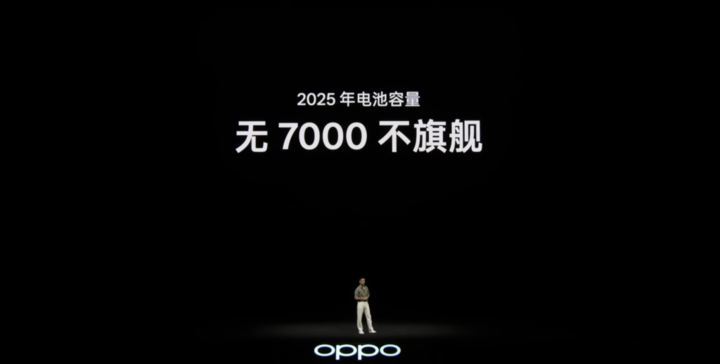
- 2024: 7000 mAh becomes normal
- Next step: 10,000 mAh in early 2025 (first in mid-tier, then high-end)
Why It Matters
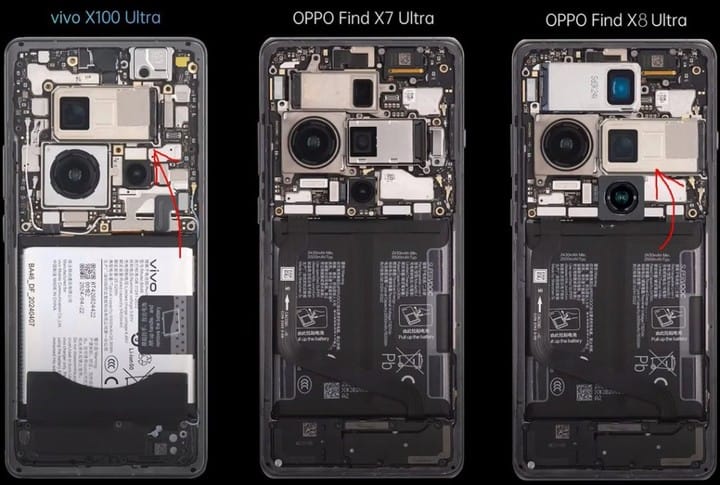
From ~4000 mAh (2022) to 7000 mAh now — usage extended from one charge/day to ~1.5 days per charge.
A jump to 10,000 mAh may finally end battery anxiety.
Foldables and imaging flagships benefit most from improved energy density due to internal space constraints.
---
💡 Price Watch: High-End is Getting Costlier
- Stacked configurations squeeze margins.
- Flash memory prices rising globally.
- Expect fewer 24GB RAM / 1TB storage models in 2025.
Takeaway: Hardware alone isn’t enough — long-term success comes from user experience, ecosystem, and brand culture.
---
📌 Content Creation Angle
Larger screens, better imaging, stronger connectivity → better tools for creators.
Open-source platforms like AiToEarn官网 provide:
- AI-powered content creation
- Cross-platform publishing
- Performance analytics
- AI model rankings (AI模型排名)
Supported Channels: Douyin, Kwai, WeChat, Bilibili, Xiaohongshu, Facebook, Instagram, LinkedIn, Threads, YouTube, Pinterest, X (Twitter).
---
Final Thoughts
2025 is the Year of Big:
- Big Screens — foldables & tri-folds hitting 10 inches
- Big Cameras — larger sensors, more pixels, advanced HDR like LOFIC
- Big Batteries — silicon-carbon tech pushing toward 10,000 mAh
But the real winners will be brands that translate raw specs into lasting value — much like creators turning smartphone capabilities into monetizable output through platforms such as AiToEarn.
---
Would you like me to also create a visual infographic-style summary of these 3 “Big” trends for quick reader digestion? It could make this article much more shareable.