
Behind the Scenes of Cai Haoyu’s New Work: A 38-Year-Old Tech Geek After Crushing Defeat Still Wants to Save the World
Introduction
*Source: Game Grapes (ID: youxiputao)
Image: Yan Jinyan*
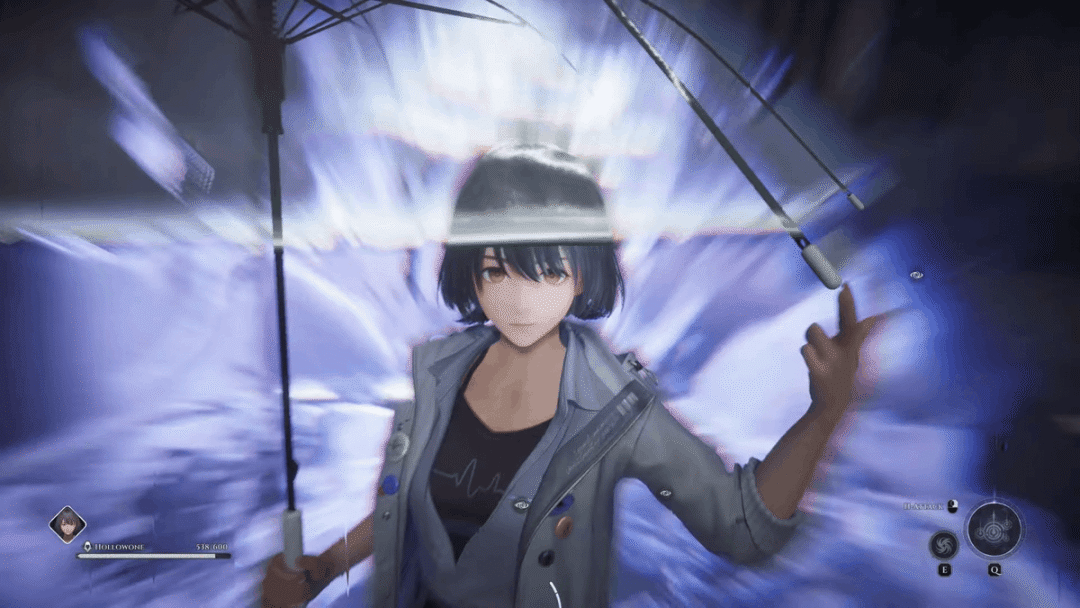
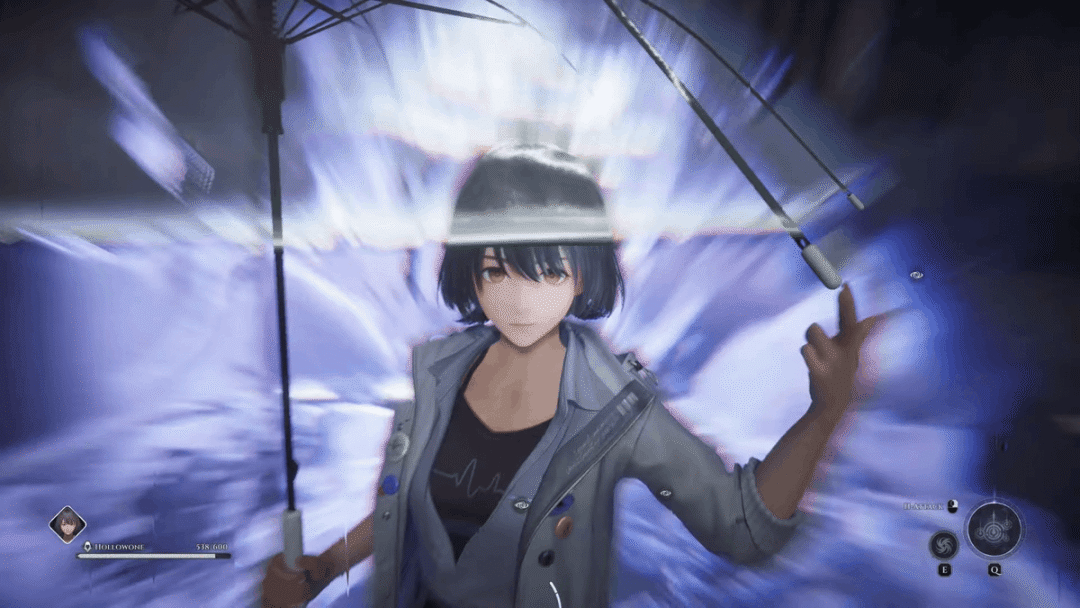
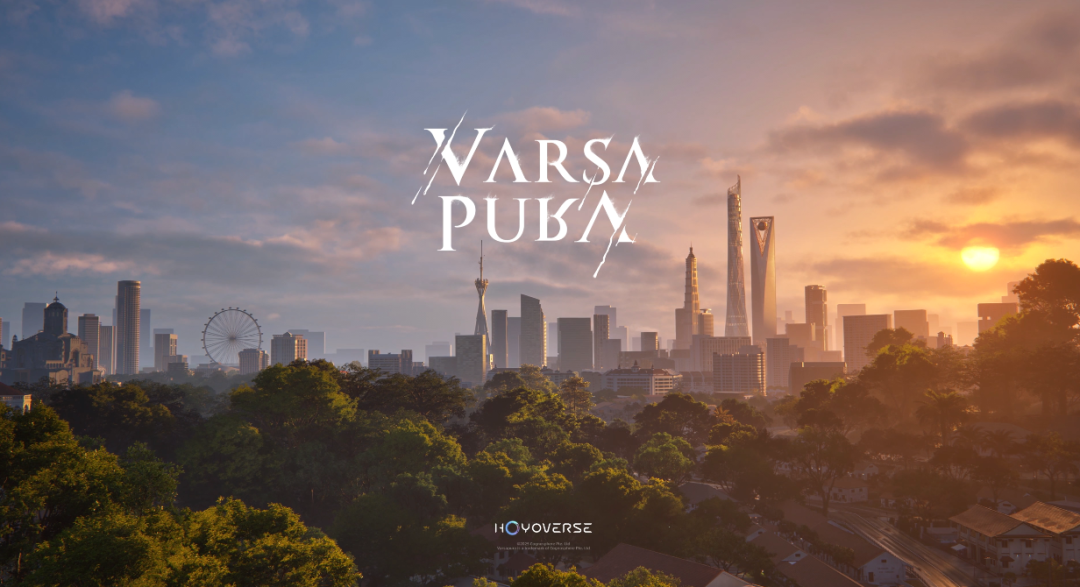
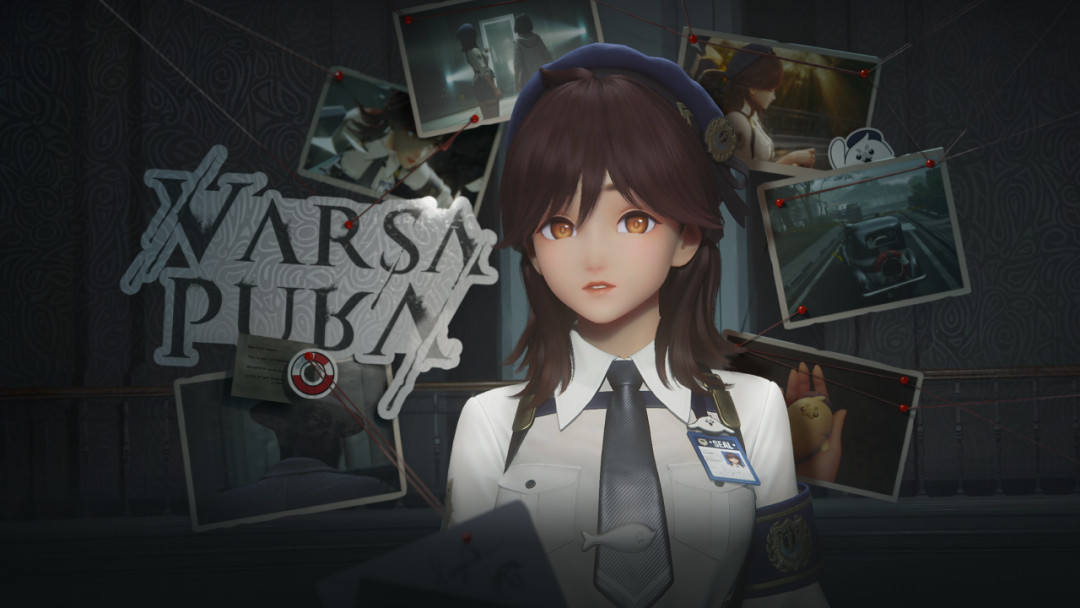
Recently, _Varsapura_, a flagship title produced by Cai Haoyu and co-developed by miHoYo and HoYoverse, made its official debut.
The 30+ minute gameplay reveal stunned the industry—showing a direction unlike anything miHoYo or many other game studios have ventured into.
---
A New Artistic & Technical Leap
Visuals
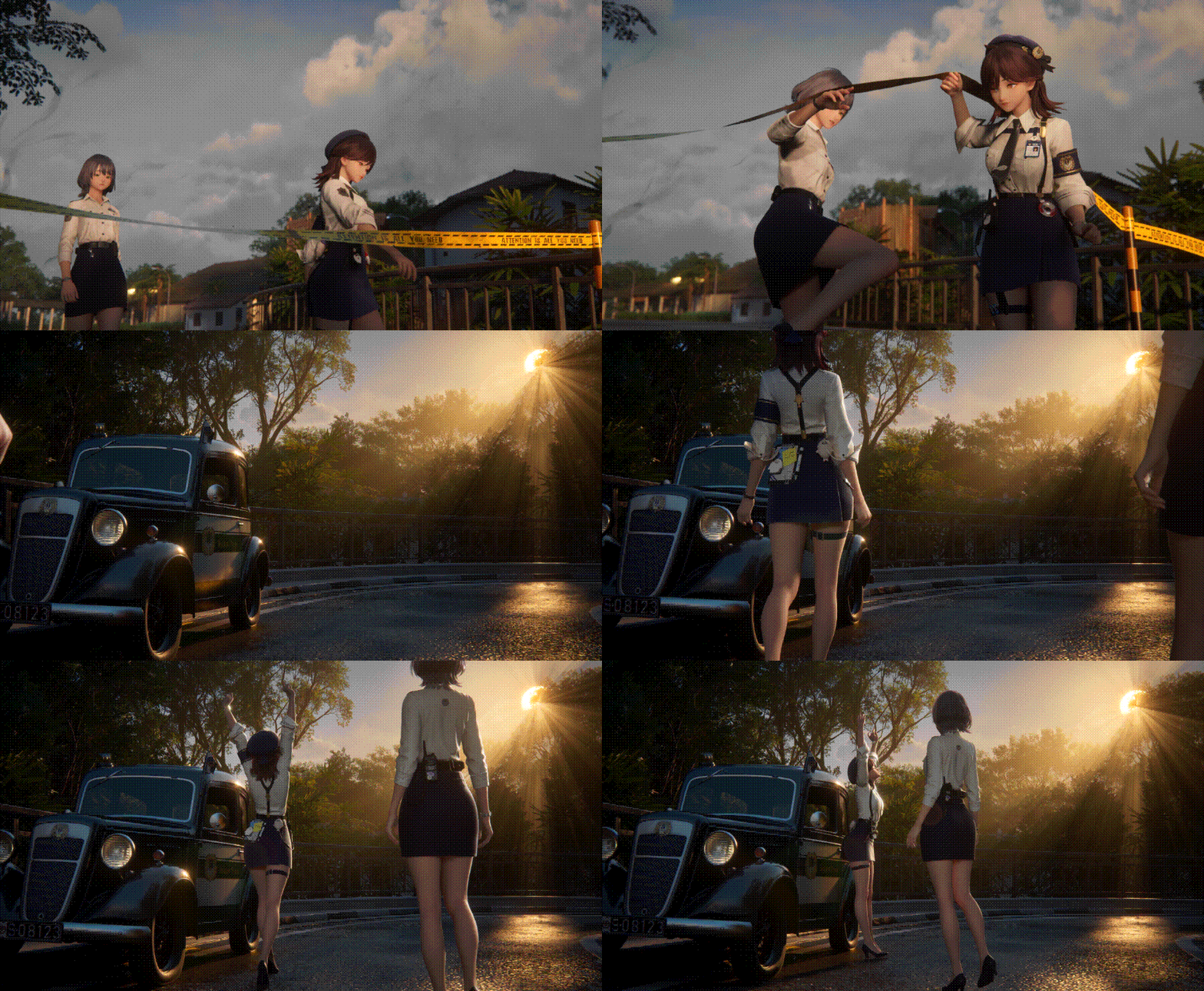
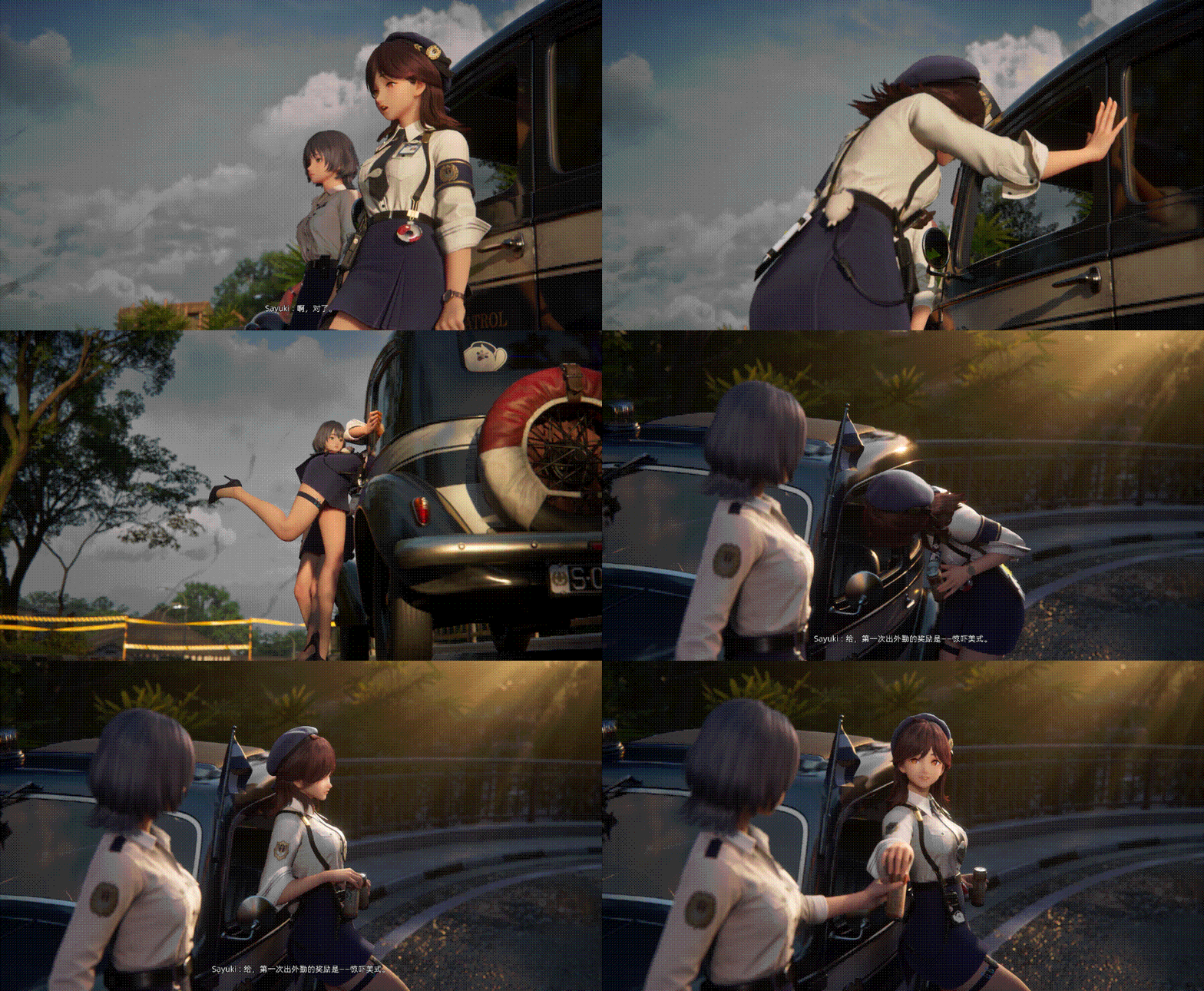
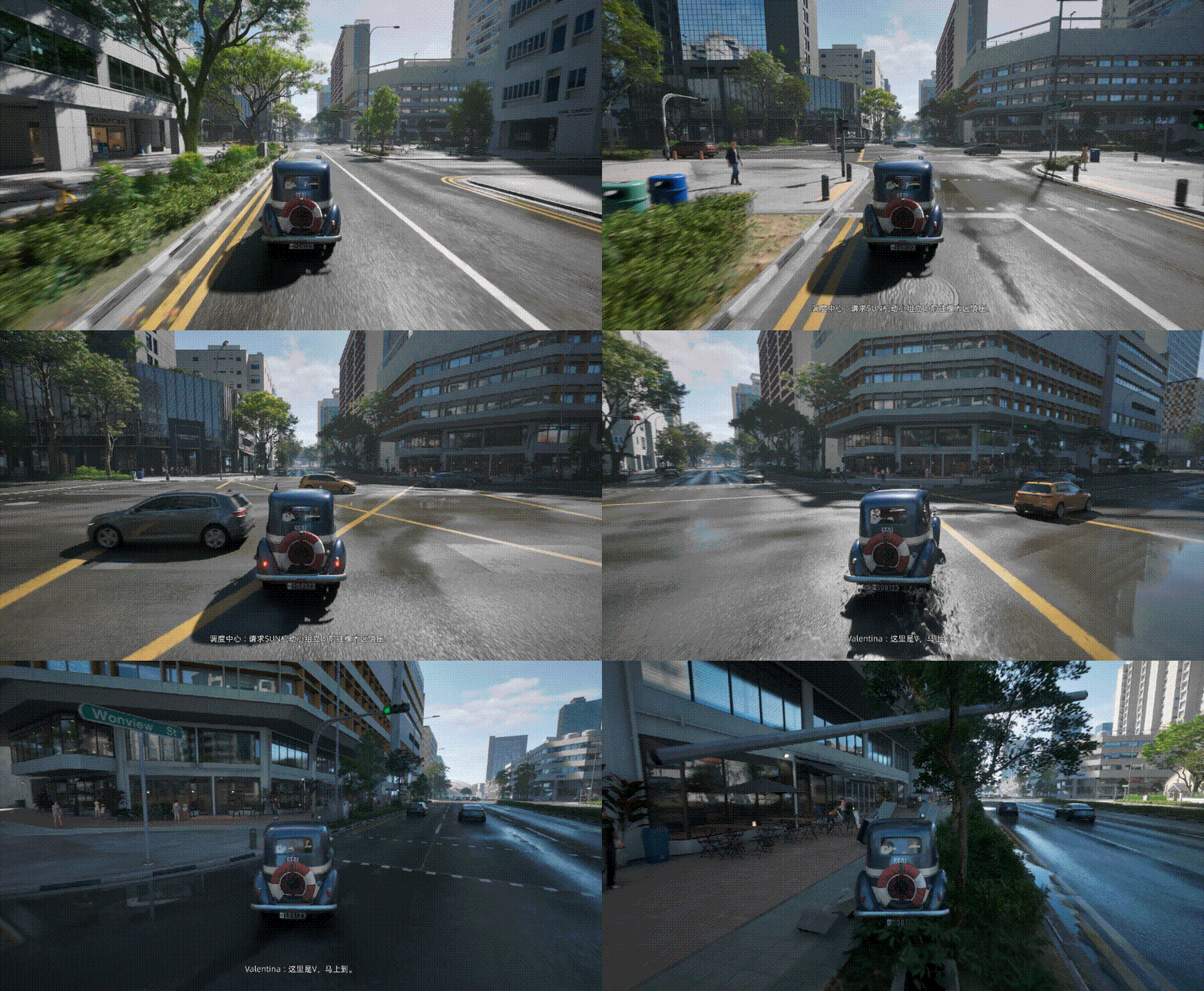
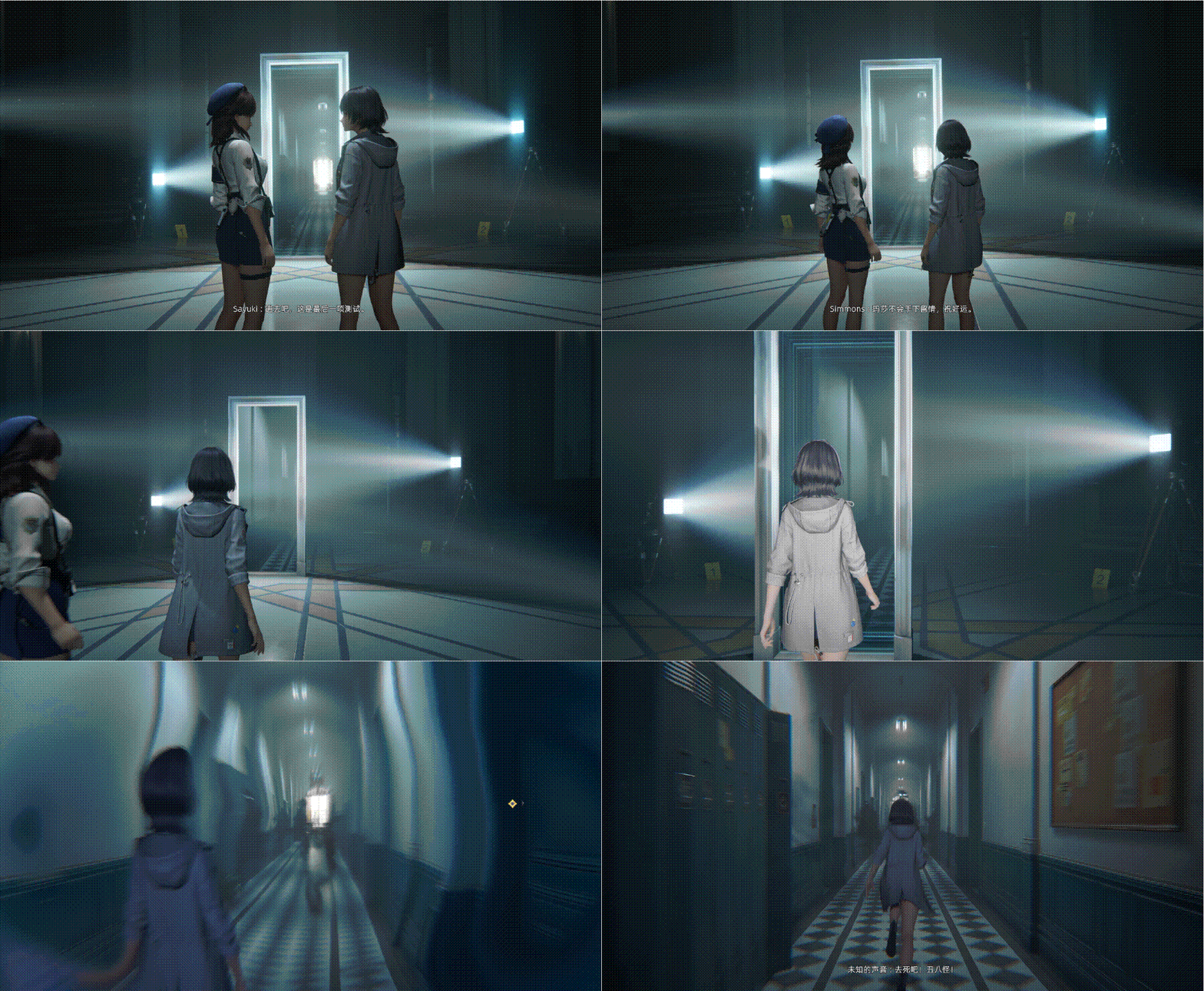
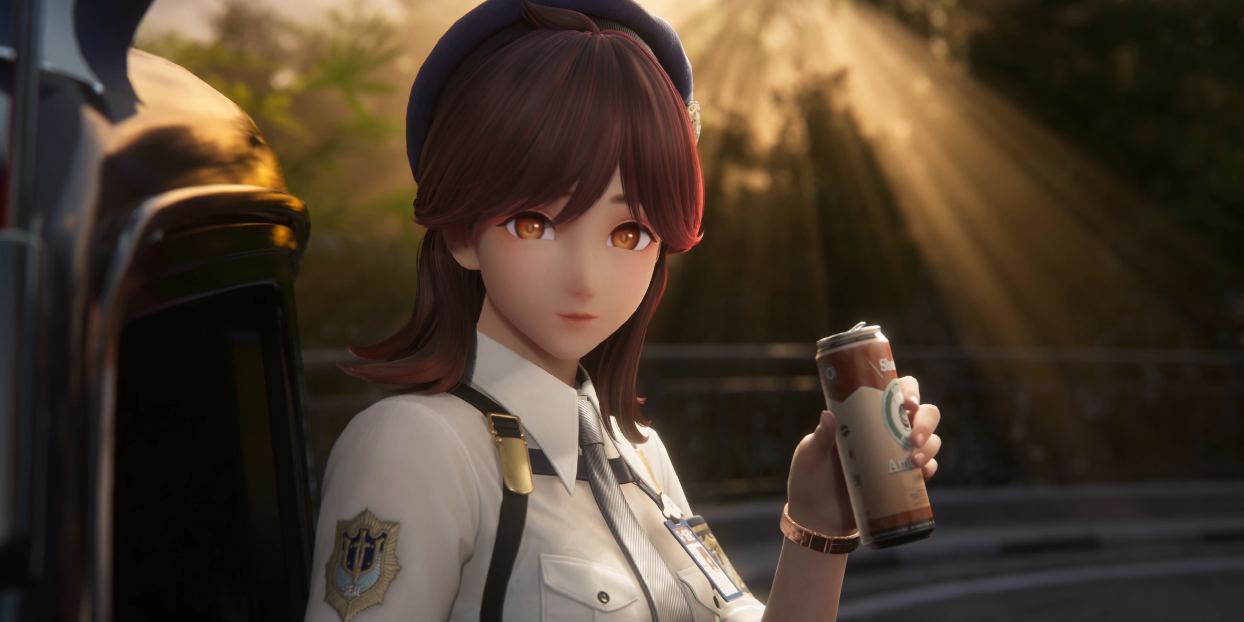
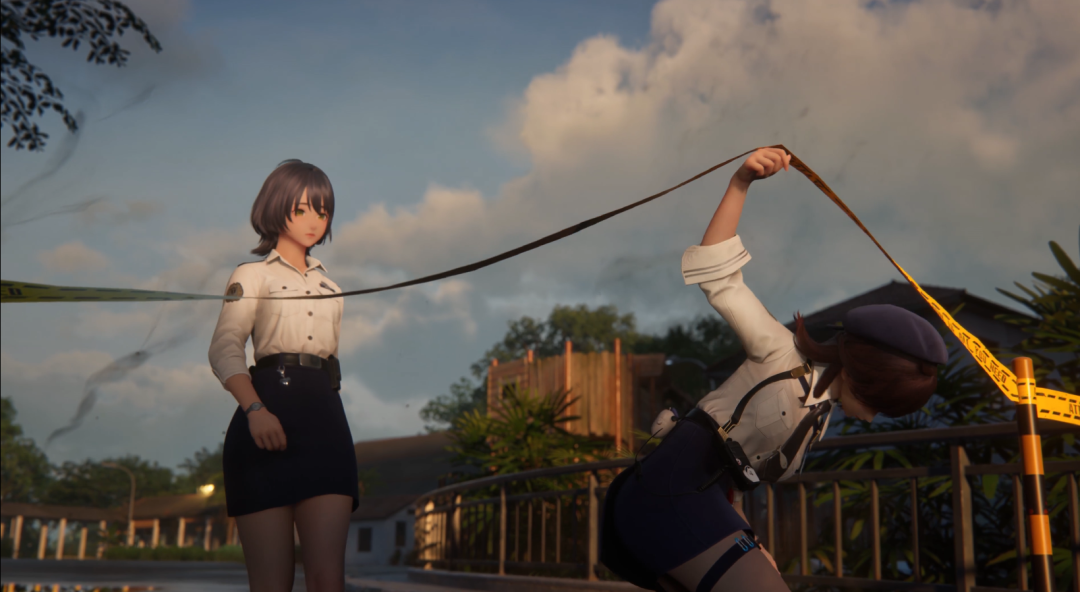
- Characters and environments feature high‑fidelity realistic rendering, reminiscent of Lumi.
- A shift to stylized realism rather than full fantasy anime aesthetics.
Open-world Detail
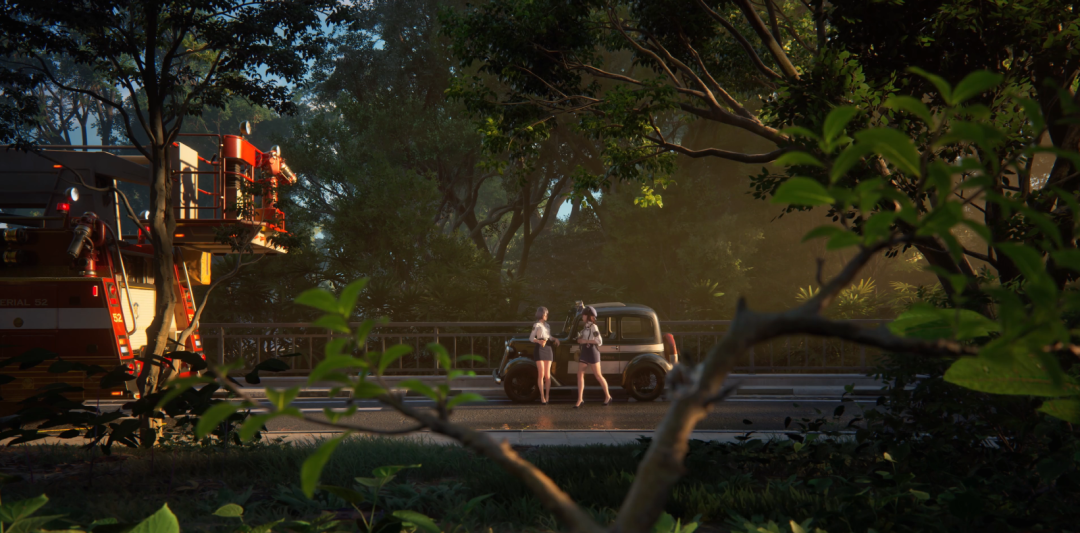
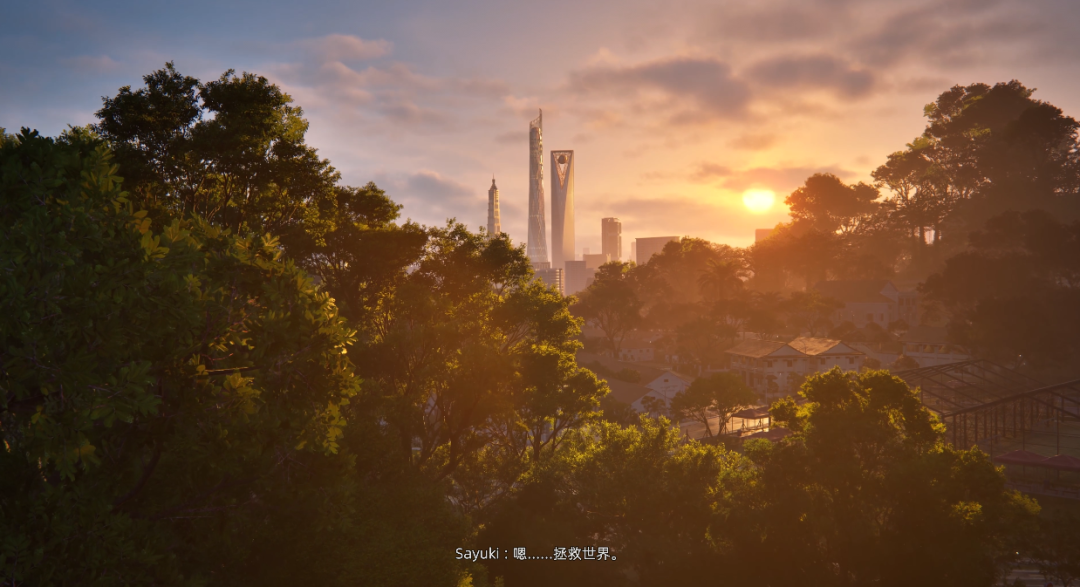
- Even short glimpses of the urban city landscapes displayed dense and exaggerated detailing—a huge challenge for both art and tech teams.
Theme
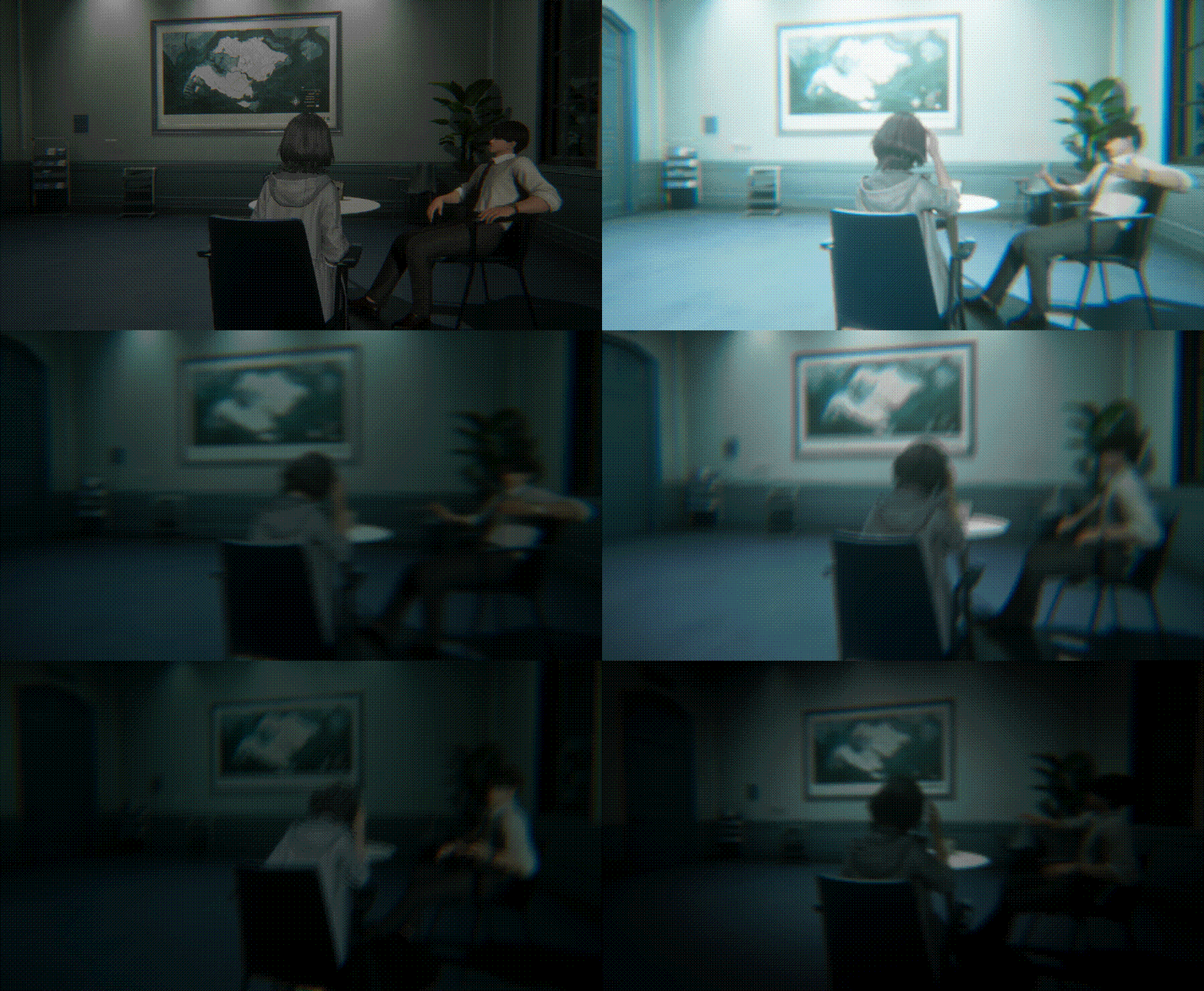
- Departing from fantasy styles: psychology is the core narrative theme.
- Moving from anime‑style episodic storytelling toward American TV drama–like structure.
- Facial animation, camera work, and cinematic presentation have all reached new heights.
---
Gameplay Innovations
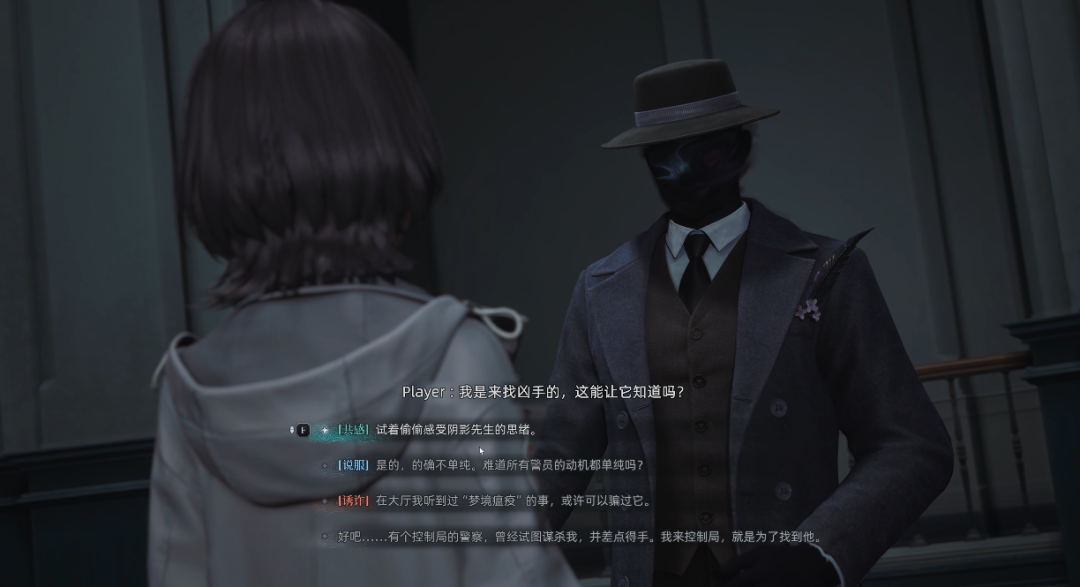
- Dialogue options with conditional elements, enabling branching narratives and greater player agency.
- First-time mechanics for miHoYo:
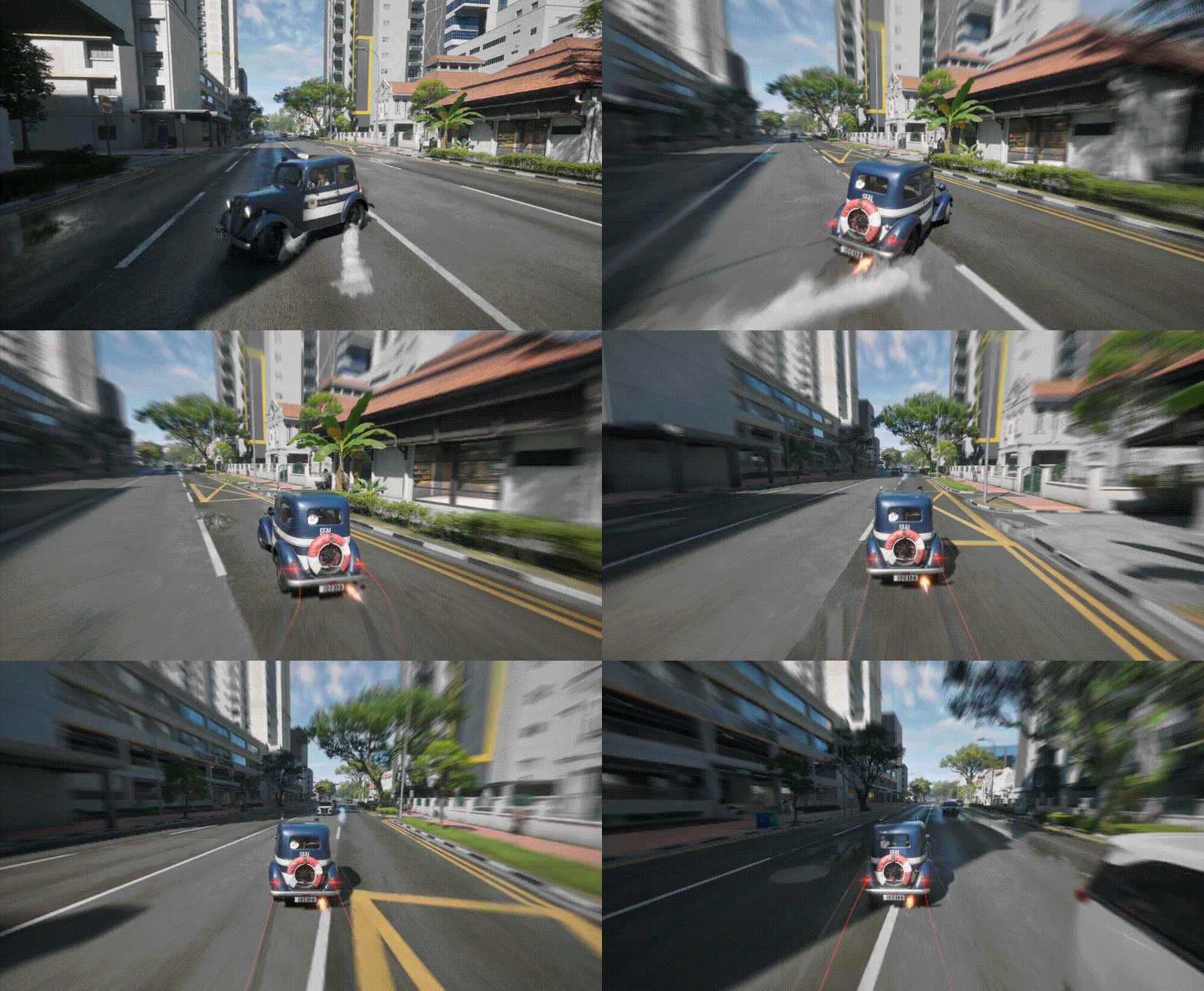
- Boost‑drifting jet cars.
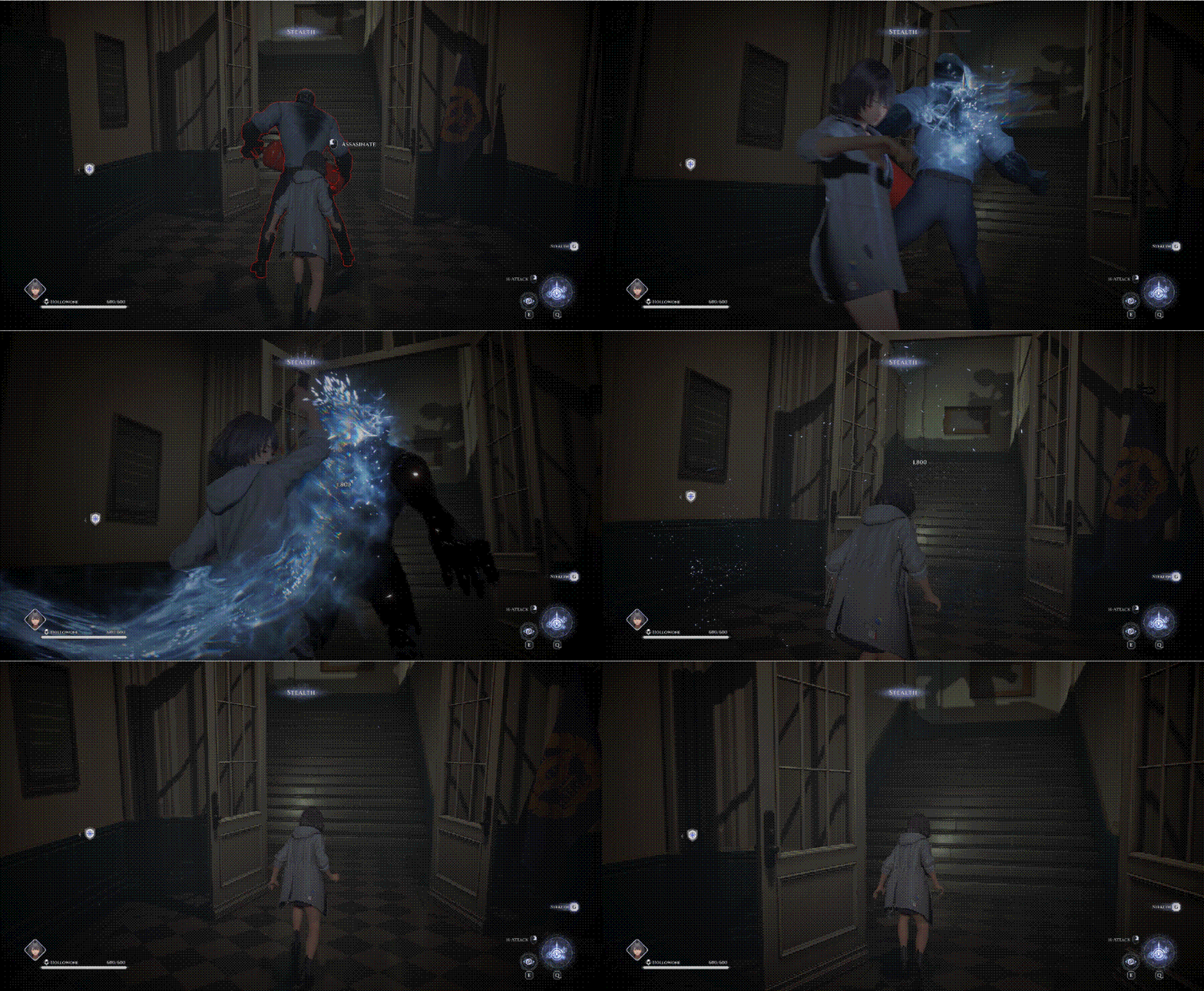
- Stealth assassinations.

Reaction in the industry: “The awe‑inspiring tech geek has returned.”
---
Cai Haoyu – A Mysterious Driving Force
- Historically, each miHoYo flagship title made a generational leap.
- Yet in the 5 years after Genshin Impact, no similar flagship emerged—breaking miHoYo’s usual innovation cycle.
- Publicly, Cai appeared focused on AI research—until Varsapura was revealed.
- Cai personally scripted the reveal sequence, down to precise camera angles.
---
Codename: PJSH – Rise and Fall

Early Life Achievements
- Built game programs at age 5.
- Physics-competition admission to Shanghai Jiao Tong University at 18.
- Won silver in the 2nd Technical Innovation Contest at ICT, Chinese Academy of Sciences.
Company Vision
> “Tech enthusiasts save the world”
> “Build a virtual world one billion people want to live in.”
With Honkai Academy → Honkai Impact 3rd → Genshin Impact, miHoYo traveled on a smooth high-speed track of success.

---
Accelerated Development Decision
Rather than waiting post-launch, Cai began envisioning a next-gen project during Genshin CB1 testing.
A risky move, but his confidence in market predictions proved decisive—enabling early resource reallocation.
---
Choosing Unreal & Urban Setting
- Abandoned Unity for Unreal Engine to increase the performance ceiling.
- Created Lumi tech demo—20M views brought validation for stylized realistic art.
- Shifted from melee/action combat to shooting gameplay.
- Urban open world chosen instead of fantasy—closer to GTA structure but without crime mechanics.
---
PJSH’s Collapse

Technical & Design Problems
- Realistic urban maps complicated enemy/bystander behavior logic.
- Mismatch between realistic visuals and standout protagonist aesthetics.
- No coherent overall concept: gameplay systems felt disjointed.
Organizational Missteps
- Large initial team (~300 ppl) vs. prior small-core startup approach.
- Hierarchical structure obscured front-line issues.
- Cai’s role shifted too far from hands-on creative involvement.
Key Lesson:
> “Fail fast, learn fast” — but recognition of core issues arrived too late.
---
Transition to AI Exploration
After PJSH’s termination, Cai faced deep burnout. ChatGPT’s arrival reignited curiosity—he shifted temporarily to AI research, pondering AI–game relationships.
---
Rediscovering Passion – Birth of _Varsapura_

Core Idea Change
- Focus on character-driven action instead of total innovation in every field.
- Setting: realistic modern city + psychology-based superpowers.
- Narrative-first open-world design—leaning closer to Red Dead Redemption than Zelda.
Gameplay Direction
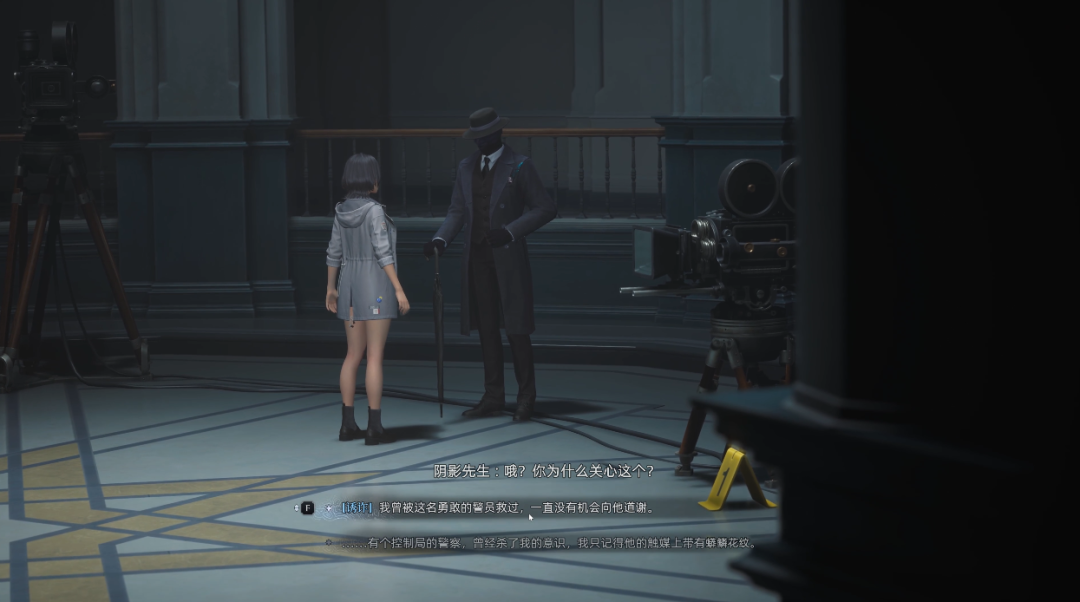
- Conditional dialogue options allow unique narrative paths.
- Stylized realism art style refined—characters fit realism while retaining anime-flavored appeal.
Production Approach
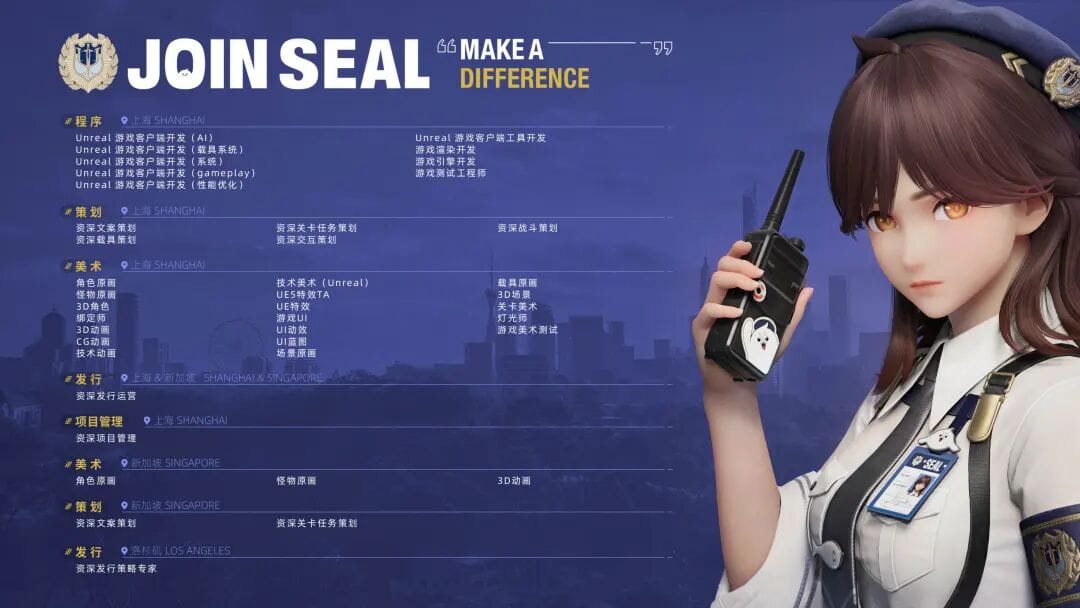
- Small team (~30 ppl).
- Cai directly handles design, tech, and world-building.
---
Narrative & Gameplay Integration
Major Shifts
- Team includes AAA and film-background writers.
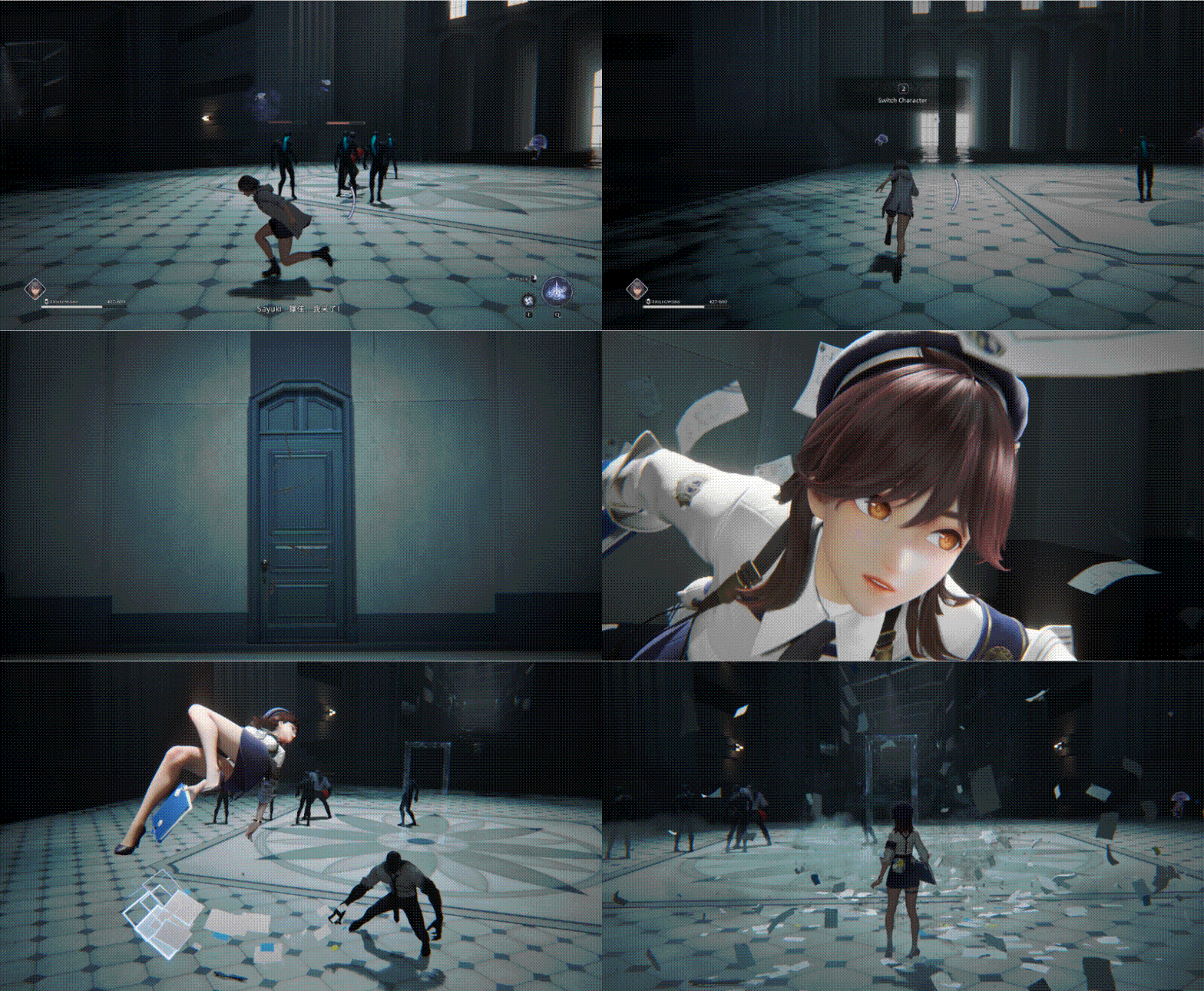
- Combat, story, and free exploration separated into three systems for immersion continuity.
Example:
- Character joins battle via story-consistent transition (kick door ➜ engage combat).
---
Vehicles as Core Gameplay
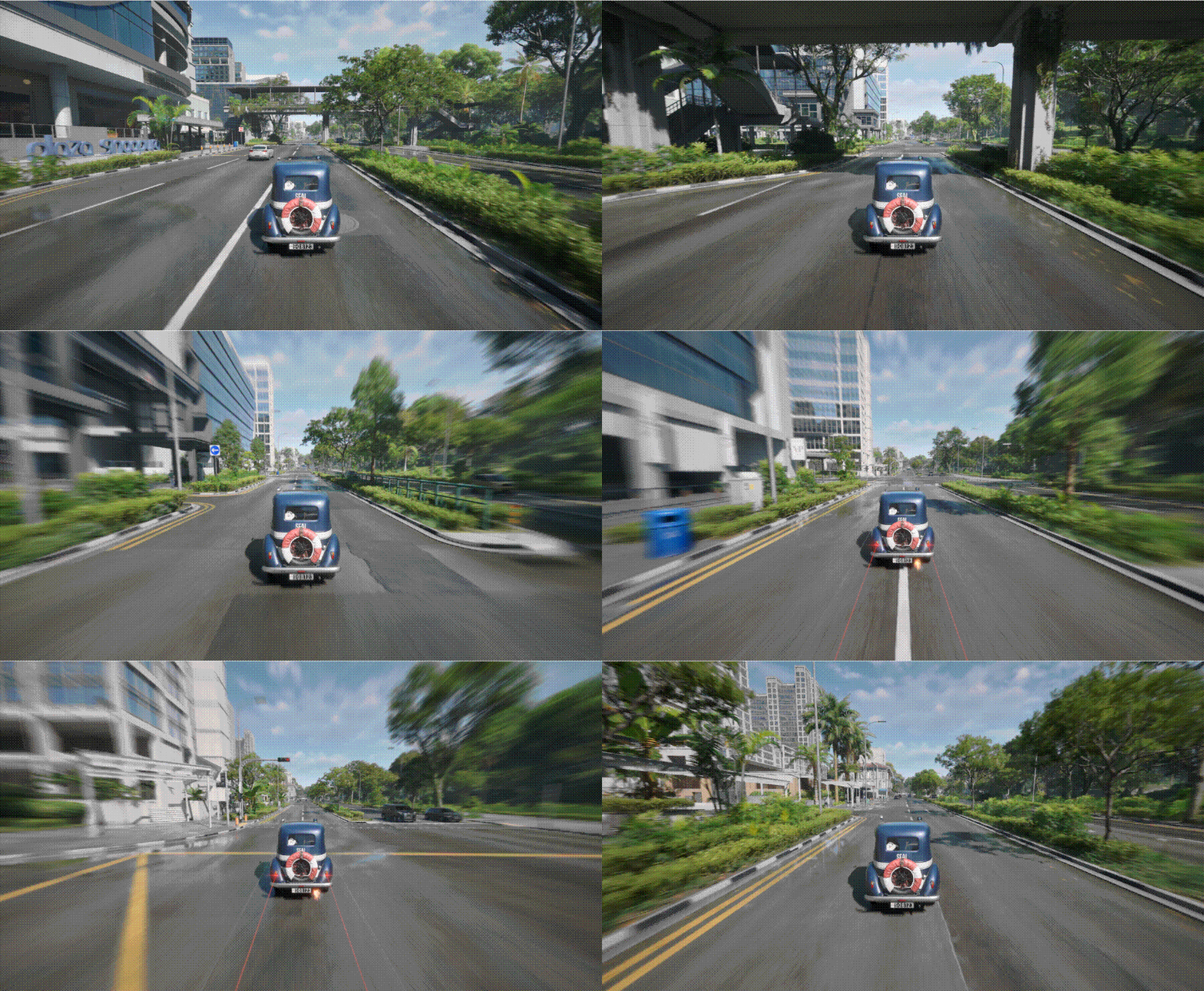
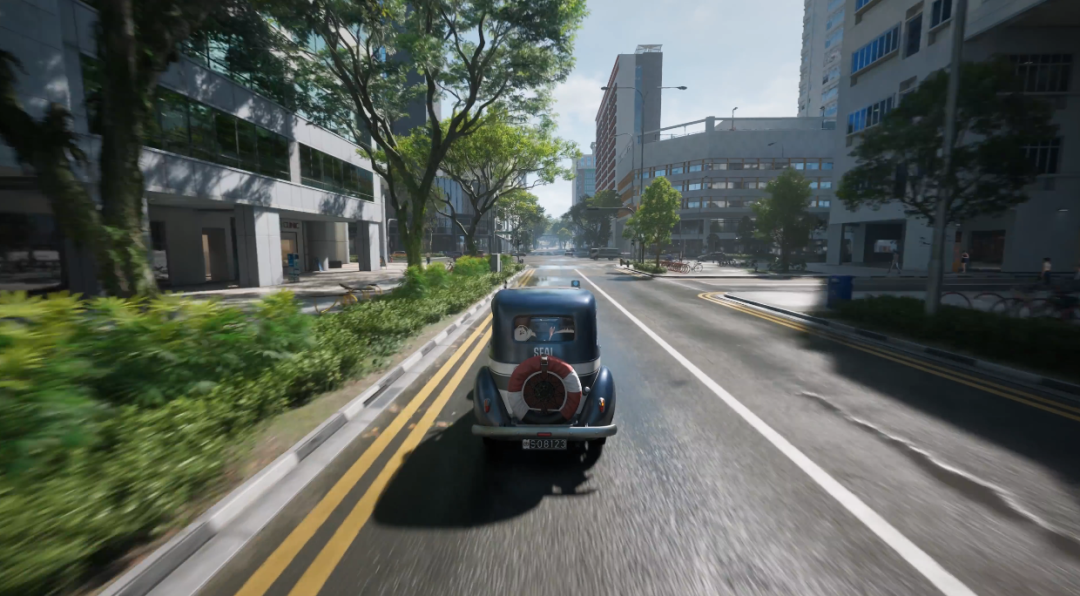
- Cars central to gameplay: city race tracks, police chases, vehicle abilities.
- Heavy investment in physics engine tuning for unique driving feel.
---
Combat & AI Experiments
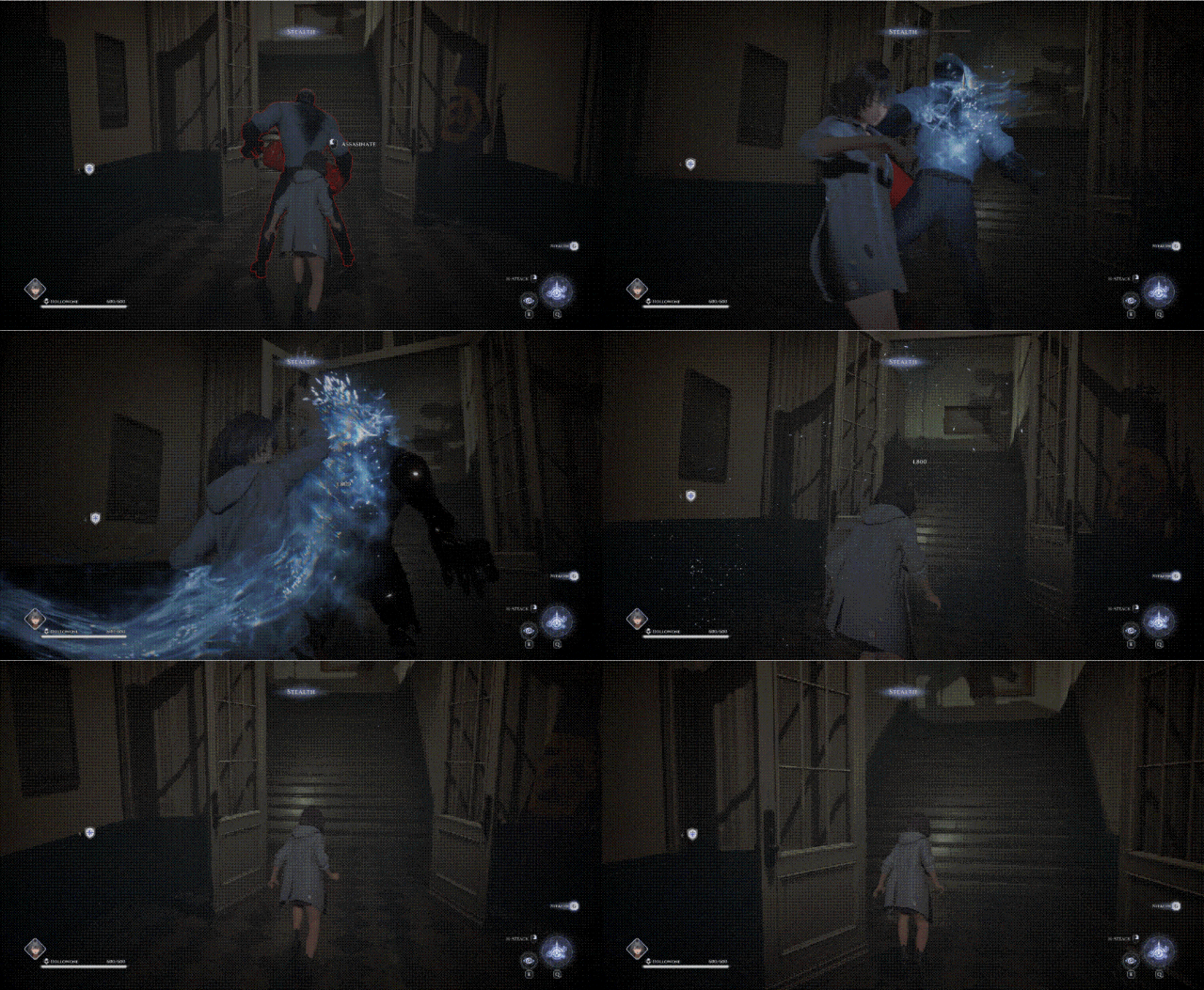
- Multi-character, multi-class combat with stealth mechanics.
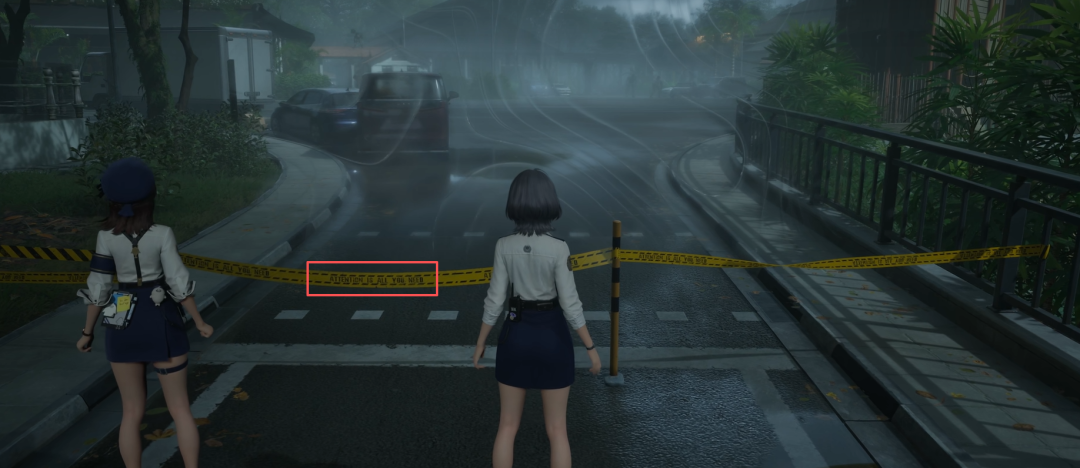
- AI Easter eggs hint at future NPC relationship simulations.

---
Cai Haoyu’s Relentless Creative Drive
Even marketing tasks (e.g., reveal rollout) were scripted by Cai down to camera timings.
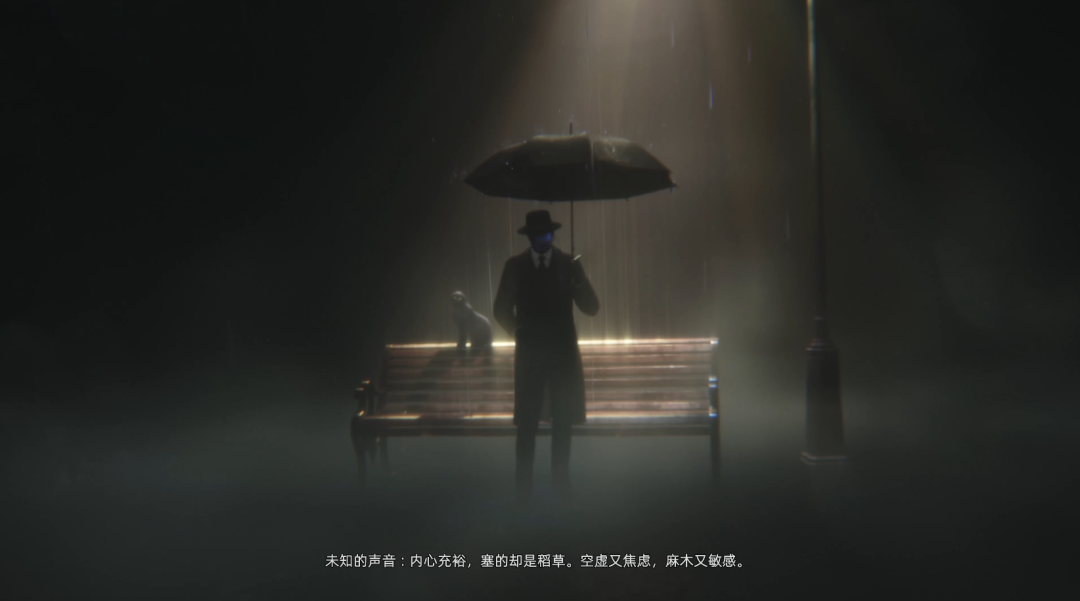
Personal Style
- Modest dress, student-like vibe.
- Attends company English classes daily.
- Encourages ideas from all staff levels.
Vision Statement:
> “Tech nerds saving the world; building a virtual world 1B people will live in.”
---
Childhood Dream Analogy
- Imagined hidden TV under blanket → smartphone made it real.
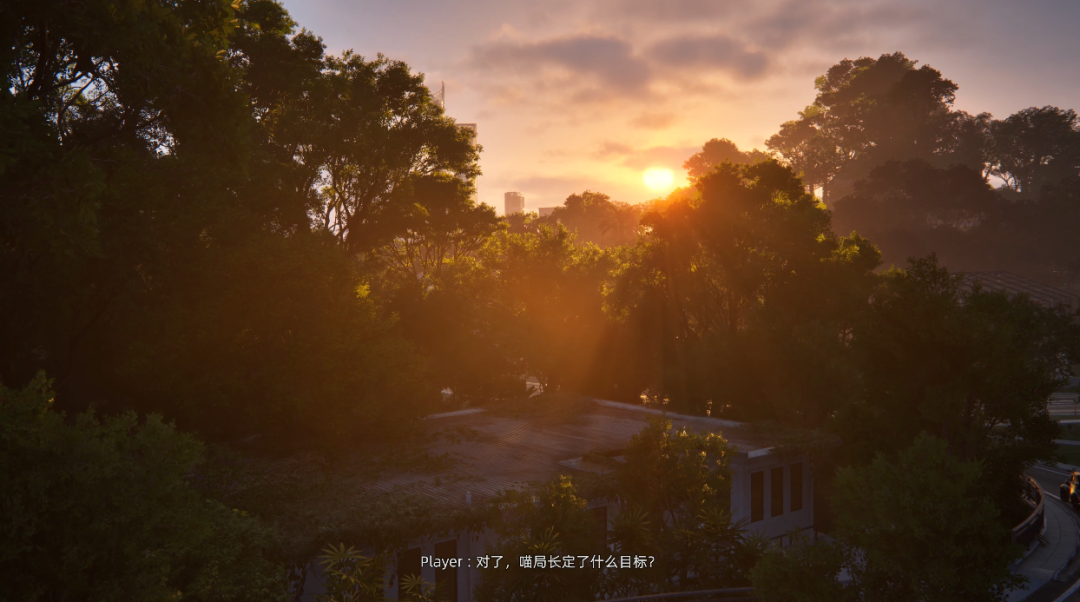
- Virtual world is similar: distant but guiding like a lighthouse.
Mindset
> “Become an agent of change, not a puppet of the system.”
---
Final Takeaway
Cai’s journey—from PJSH’s failure to Varsapura’s rebirth—underscores:
- Small focused teams preserve clarity of vision.
- Narrative-first open worlds can carve new niches.
- AI integration offers long-term sandbox potential.
Platforms like AiToEarn官网 exemplify how open-source ecosystems can help creators merge AI-generated content with multi-platform publishing—bringing visions like _Varsapura_ beyond the game into a living, evolving world.
---
Next Step: overcoming production challenges while staying true to visionary ambition.
Risk: high, but Cai’s career shows—big bets can become big wins.


