Can’t Beat AI? Become a CEO? Architects See a “Reverse Breakthrough” | Exclusive Interview with Columbia Professor Arthur M. Langer
In the Era of AI: How the Role of Software Architect Is Reshaping
Artificial intelligence is rapidly transforming how software is developed — and the traditional role of the software architect is evolving like never before.
Generative coding tools such as GitHub Copilot, Cursor, and Claude Code have been shown in multiple studies to boost development efficiency by 30–50%. Meanwhile, low-code and intelligent platforms have shifted productivity metrics away from lines of code and toward business outcomes.
Factors driving this transformation include:
- Rapid evolution of technology stacks
- Sharp increases in architectural complexity
- Growing ethical and security pressures in AI systems
Architects are now expanding beyond technical responsibilities into strategic decision-making, governance oversight, and organizational leadership.
---
Insights from Arthur M. Langer
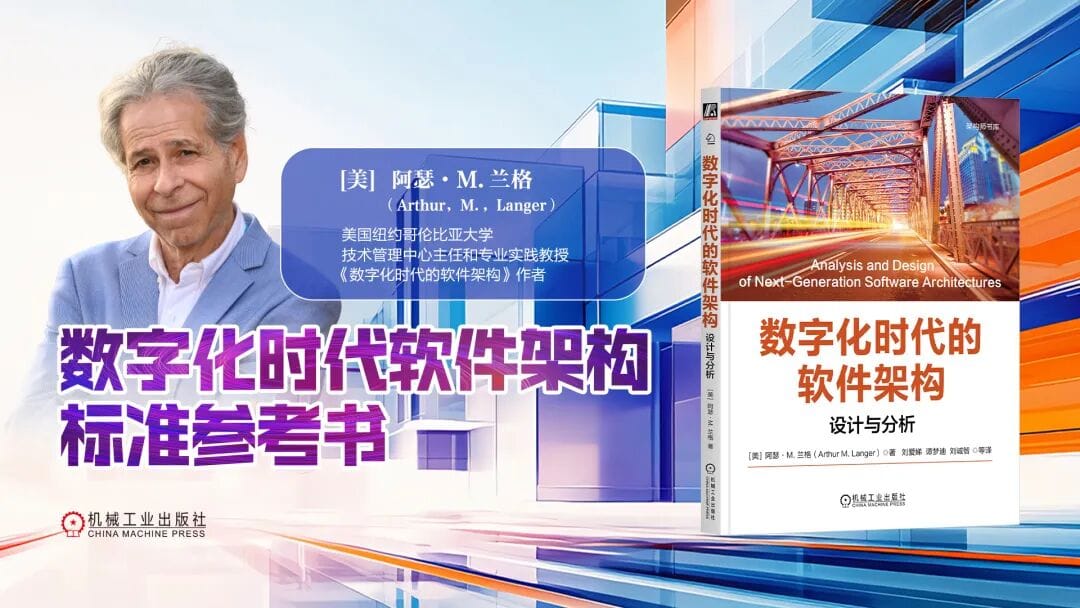
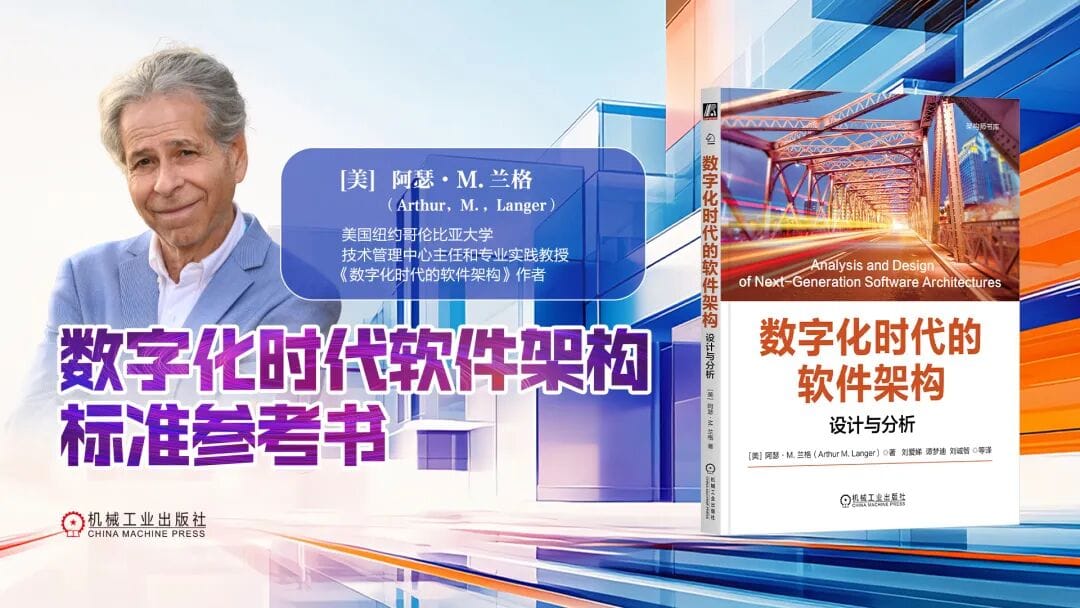
Arthur M. Langer — Director of the Center for Technology Management at Columbia University, Professor of Professional Practice, and author of Software Architecture in the Digital Age — shared his observations with InfoQ based on over three decades in consulting, entrepreneurship, and academia.
Career Journey
- Began at Coopers & Lybrand (now PwC) recruiting graduates from Columbia University
- Joined Columbia’s advisory board → moved into teaching → transitioned to full-time academia
- Experienced mainframe, distributed systems, and early AI expert systems starting in the 1980s
- Developed a structured perspective on how technology shapes organizations and competition
> "Combining a technical background with a business background has allowed me to see long-term trends at different points of change."
---
Architects in the AI Era: Expanded Responsibilities
Arthur notes that architects are no longer just “engineers stacking technology.” Today, they must:
- Assess automation risks
- Lead governance across multi-cloud and heterogeneous platforms
- Drive organizational learning and transformation
- Envision and design modular, portable, security-first ecosystems
He warns that hardware infrastructure lags far behind the pace of software automation.
Future architectures will require new intelligent ecosystem models and security embedded at the core.
---
The Critical Hardware Gap
When asked about AI coding tools:
> "Software production will be faster, but hardware innovation remains seriously behind."
Key points:
- Global core financial systems still run on mainframes
- OS and infrastructure have not caught up with the explosive growth from software automation
- Legacy architectures cannot endlessly scale or secure next-gen cyber environments
Implication: Architects must prepare for changes originating from both intelligent software layers and rebuilt hardware/security models.
---
Skills Architects Must Build in the AI Era
Arthur advises architects to:
- Learn management science, risk analysis, and market insights for the digital age
- Join professional bodies to set and follow standards
- Adopt an open mindset toward diverse technical talent
- Ensure innovation benefits a broad population
> "Any automated processing must be overrideable by the architect."
Design Principles:
- Allow uncertainty in workflows, preventing attacks from exploiting predictable systems
- Build in human intervention points
- Implement continuous audits for transparency and security
---
---
Interview Highlights
On AI Tools Boosting Efficiency
- Faster delivery possible, but hardware stagnation remains a threat
- Mainframes still dominate in critical systems
- New hardware and OSs are necessary for security and scalability
On Low-Code Platforms
- Dynamic integration of micro-applications (“LEGO blocks”)
- Large systems should be decomposed into smaller, reusable parts
Intelligent Ecosystem Architecture vs. Traditional
- Front-end wrappers for inbound/outbound transactions
- Blockchain-like engines with ledger-based security at the application layer
- Distributed/replicated storage instead of fully centralized databases
Avoiding Overreliance on Automation
- Keep human override capability
- Incorporate workflow uncertainty
- Require continuous auditing
---
Pitfalls in Cloud & AI Architecture
Architects should watch for:
- Platform migration challenges: always maintain migration capability
- Data format and standard compliance: push vendors toward industry standards
- Governance gaps: consider professional peer organizations to enforce standards
- Avoid regulatory conflicts: align with government policies that follow consistent rules
---
Organizational Learning Applied to Architecture
Arthur's Reflect – Act – Reflect again (TPT method) involves:
- Strengthening leadership as the critical factor in success
- Acting promptly in a rapidly obsolescing technology environment
- Avoiding the trap of over-planning without initiating necessary change
---
Architects in Corporate Strategy
Arthur sees a clear pathway for architects to become:
- CIOs
- CTOs
- CEOs — especially in tech-driven companies
> "In the future, what company won’t be a tech company?"
---
Ethics & Governance in AI Systems
New responsibilities include:
- Addressing bias and accountability
- Building clear guardrails for AI-driven decisions
- Considering licensing/governance models similar to medicine, law, and accounting
---
Digital Inclusion in Architecture
Key recommendations:
- Understand diverse user needs and local community engagement
- Avoid creating an exclusive elite in the architect profession
---
Becoming an “Intelligent Architect”: What to Learn
Essential skills & mindsets:
- AI application management
- Leadership and organizational capability
- Risk analysis and digital-era marketing
Three Steps for Traditional Architects:
- Enroll in digital-tech-focused management training
- Join professional peer organizations
- Proactively redefine your role and career path
---
AI Platforms as Catalysts: Example — AiToEarn
Platforms like AiToEarn官网 demonstrate how architects can connect technical ecosystems to business impact. AiToEarn offers:
- Open-source, global AI tools
- Cross-platform publishing for Douyin, Kwai, WeChat, Bilibili, Xiaohongshu, Facebook, Instagram, LinkedIn, Threads, YouTube, Pinterest, Twitter (X)
- Integrated analytics and AI模型排名
Such tools can help architects monetize innovations — a direct parallel to how modern software architecture connects technology, content, and revenue.
---
Bottom line:
In the age of AI, software architects must transform — from purely technical experts into strategic, governance, and leadership figures capable of shaping both technology ecosystems and organizational futures. The smartest architects will embrace this broadened role proactively, building cross-disciplinary skills to thrive in fast-changing, intelligent environments.