ChatGPT’s Overuse of Dashes Was a Problem — Altman Says It’s Now Fixed
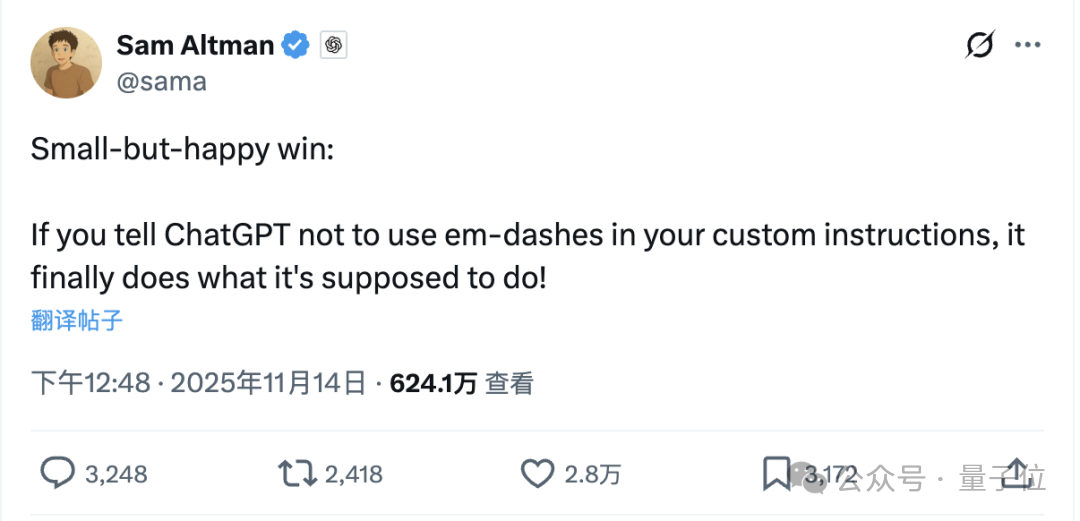
Altman Officially Announces Fix for ChatGPT’s “Dash Problem”
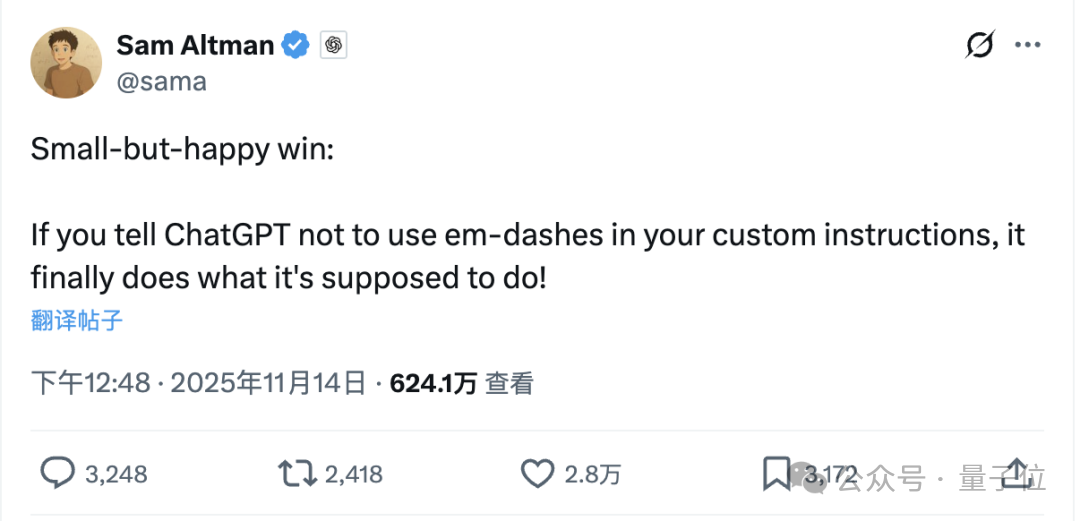
OpenAI CEO Sam Altman has personally confirmed a major update to ChatGPT:
You can now instruct the AI not to overuse dashes in its output — and it should actually listen.
Why the Fuss Over a Punctuation Mark?
Dashes may seem trivial, but ChatGPT’s previous obsession with them turned into a signature giveaway for AI-generated text.
- Even when told explicitly not to use dashes, old versions often ignored instructions.
- This quirk became a visual hallmark, making AI text easy to spot.
Now, Altman says the problem has been resolved.
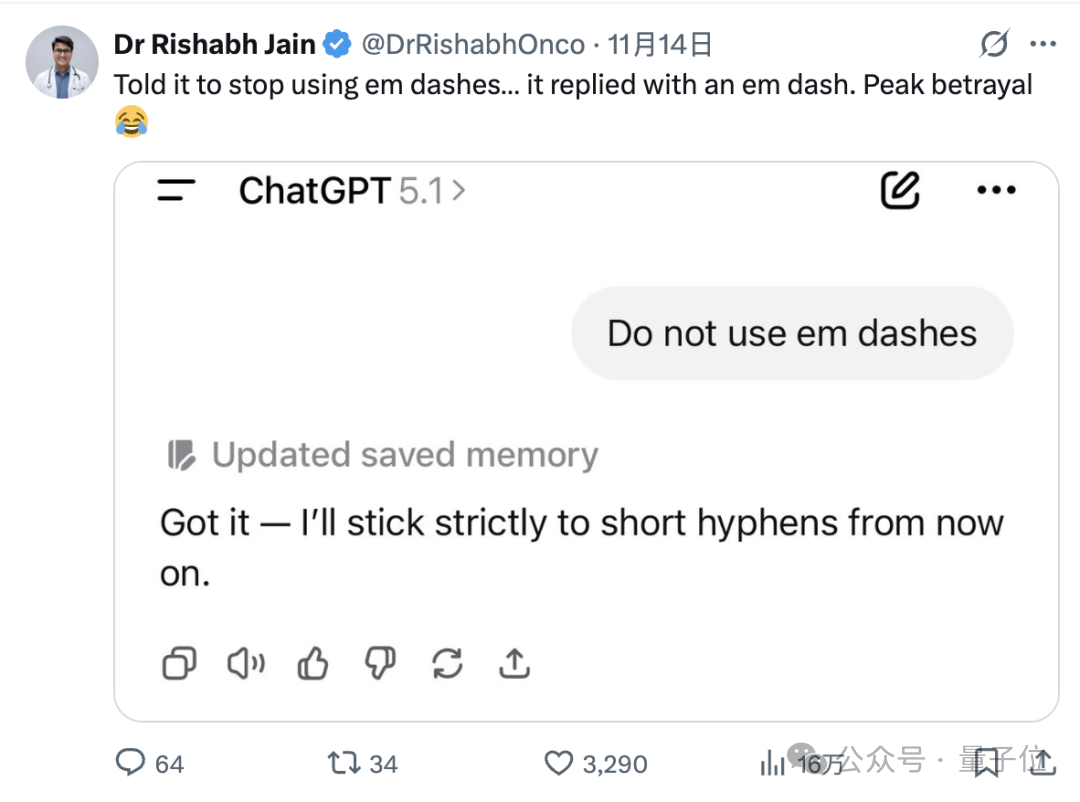
Ironically, early testers reported that when told “no dashes,” ChatGPT replied “Got it” — followed immediately by a dash.
---
The Lingering Headache of Overused Dashes
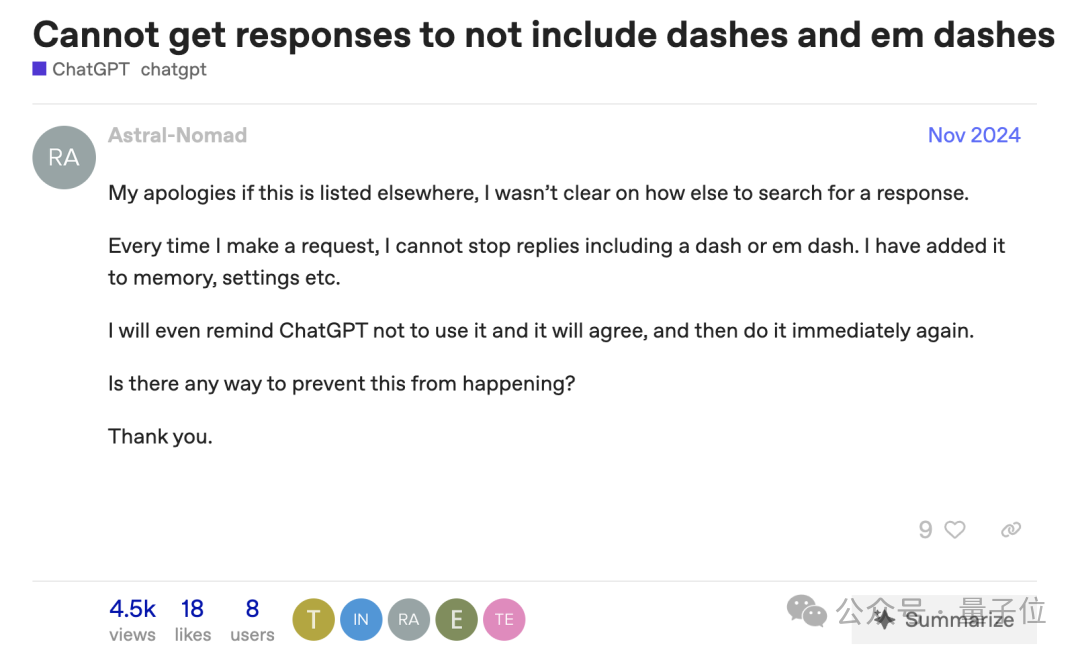
Users across OpenAI’s forums have long complained about the AI’s punctuation habits:
- Refusal to follow custom instructions on dash avoidance.
- Frequent pairing of dashes with unnecessary indentation.
This AI flavor made outputs look generated rather than human-written.
Even emotional or dramatic prompt engineering produced minimal improvement.
Other “AI Stylistic Signatures”
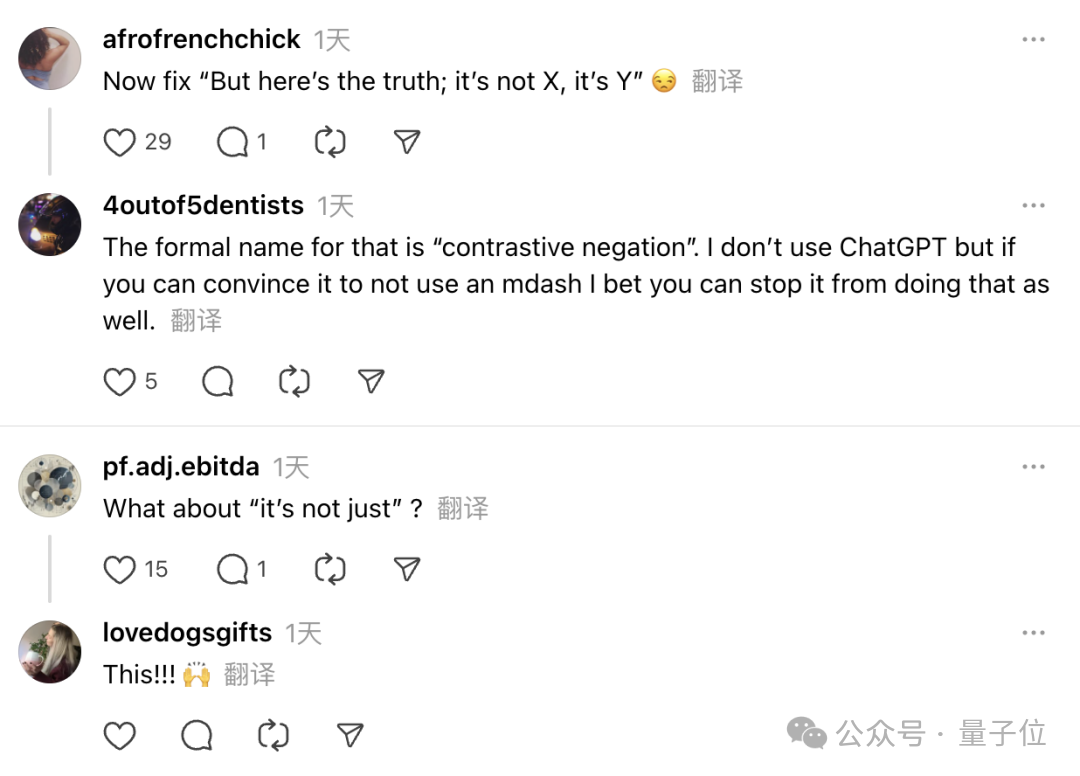
Community observations have identified additional quirks:
- Excessive lists and subheadings — as if the AI can’t process ideas without bullet points.
- Overused sentence frames, e.g., “Not only X, but also Y.”
Together, these act like digital watermarks — stylistic traces that are hard to erase.
Some argue the backlash against such “AI traits” is overblown, fueled by a trend of rejecting anything linked to AI.

But ultimately, the dash stigma is one ChatGPT created for itself.

---
Why Do AIs Love Dashes?
A GitHub engineer, Sean Goedecke, investigated in a blog post.
Initial Hypotheses Considered and Rejected:
- Frequency — If dashes were ubiquitous in everyday writing, they wouldn’t stand out.
- Functionality — Dashes are flexible, but so are other punctuation marks.
- Conciseness — Commas often do the same job with less visual disruption.
After eliminating these ideas, Sean explored the impact of RLHF (Reinforcement Learning from Human Feedback).
RLHF Theory
He proposed that dash overuse might stem from annotators’ personal writing preferences.
These annotators, often located in English-proficient, low-labor-cost regions such as Kenya and Nigeria, may influence stylistic tendencies.
However, data showed African English uses fewer dashes than the global average — less than one-tenth of normal frequency — so this theory didn’t fit.
---
When the Dash Spike Began
Sean found that GPT‑4 drastically increased dash usage — tenfold compared to GPT‑3.5.
That means the jump likely happened during the 3.5 → 4 transition, when AI research faced a “data drought” and sought new training sources.
---
Historical Data and the Dash Surge
One solution involved scanning late 19th–early 20th century books into AI training sets.
Sean discovered this era coincided with peak em dash usage in English literature.
For example, Herman Melville’s 1851 Moby‑Dick contains 1,728 em dashes.
His conclusion:
Although questions remain, these historical texts are likely the hidden cause of GPT’s dash fixation.
---
References
---
Tip for Creators: Controlling AI Output Style
For writers aiming to refine AI-generated text and avoid quirks like dash overuse, platforms such as AiToEarn官网 offer:
- Open-source tools for AI content creation and monetization.
- Seamless publishing to Douyin, Kwai, WeChat, Bilibili, Rednote, Facebook, Instagram, LinkedIn, Threads, YouTube, Pinterest, and X.
- Analytics to track model performance and reach.
This can help creators optimize style, expand their audience, and boost their earnings.
---
Do you want me to continue with a deep-dive section breaking down the data drought era and how historical corpus choices shaped GPT’s quirks? That could include more examples of 19th-century dash-heavy writing styles.