Conversation with Robin Li: Chatbots Aren’t Everything — I See a More Exciting Future in AI
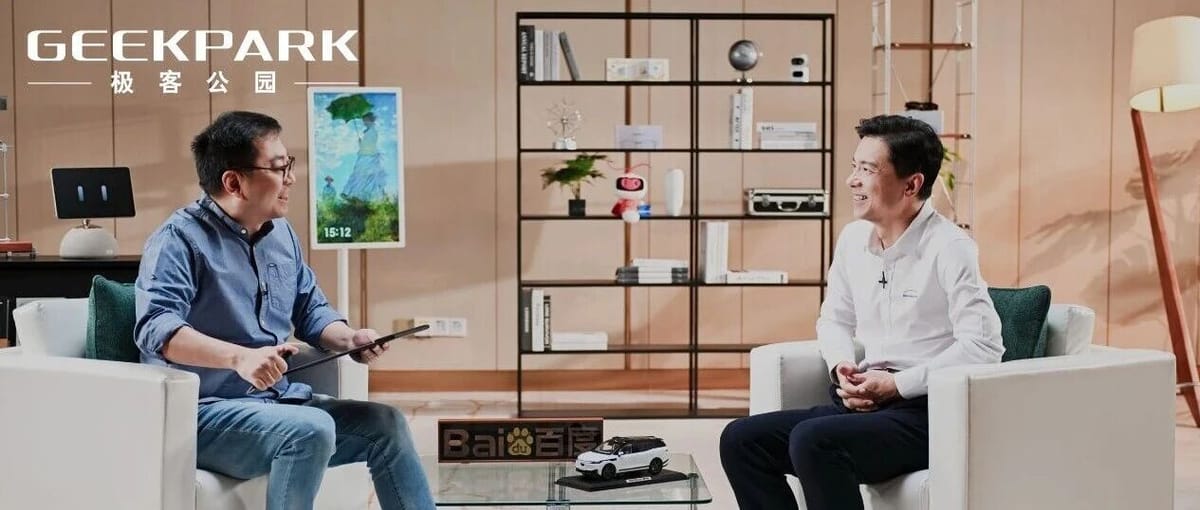
Baidu World Conference 2024: A Shift in Focus and Philosophy
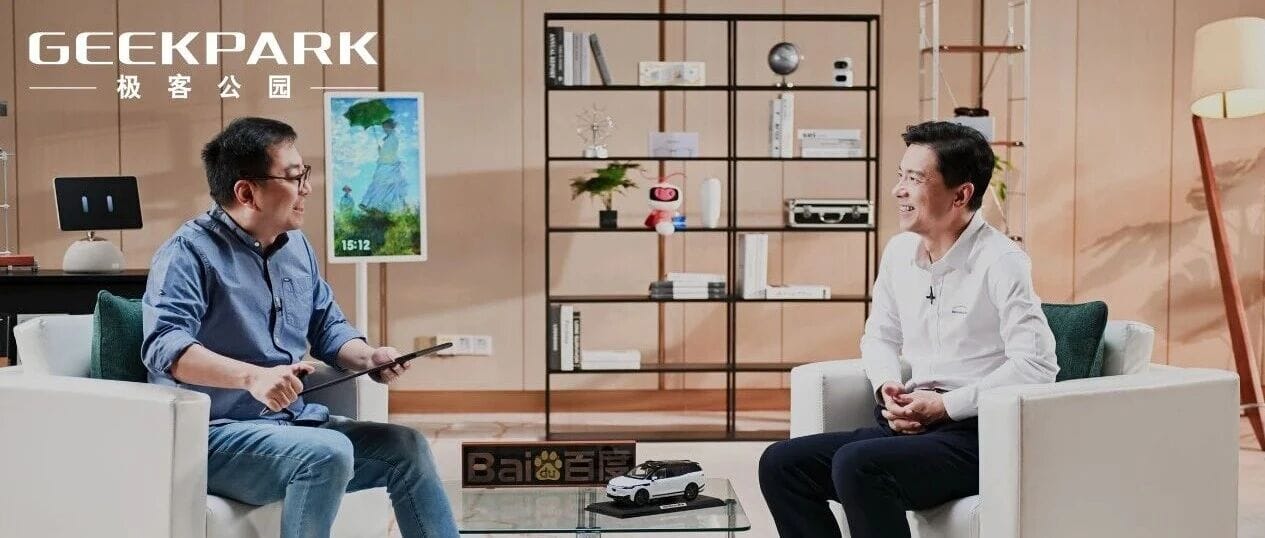

From a personal demeanor standpoint, Robin Li seemed more relaxed than in previous years. From a business perspective, Baidu appeared to have intentionally narrowed its strategic focus.
As a long‑time attendee of the Baidu World Conference, I immediately sensed a different atmosphere this year.
---
How This Year Differed From the Past
- Previously: Robin Li would open with a keynote of over an hour, covering updates across all Baidu product lines.
- This year:
- Li acted as a narrator, weaving separate presentations into a unified vision.
- Product and tech demos were handled by new faces, including a recent graduate as a main speaker.
- Li’s own comments concentrated on connecting Baidu’s current progress with its broader worldview.
> "The Baidu World Conference should be an event where Baidu shares its worldview with everyone," Li said — and he played that role well.
Core Focus Areas Highlighted
- Digital Humans – positioned as foundational future interactive technology.
- Famou – an algorithm with self-evolution, aimed at industrial application.
- Robobus – proof of Baidu’s long-term tech investments.
- Search – revisited with a new philosophy of certainty.
- Wenxin 5.0 – latest evolution in Baidu’s AI offerings.
Whether through Li’s “inverted pyramid” view on AI value or the theme of “Emergent Effects,” Baidu remains committed to full‑stack AI capabilities — but with a more concentrated strategy.
---
Candid Moments: Digital Human Demo
A live demo of real-time digital humans initially failed due to connectivity issues.
At Li’s request, the team retried later — successfully.
This honest, imperfect process drew curiosity, not criticism. In the exhibition area, the “Digital Luo Yonghao” booth was flooded with visitors.
Such moments — live, risky, unrehearsed — made me ask: has Baidu undergone a deeper philosophical shift?
---
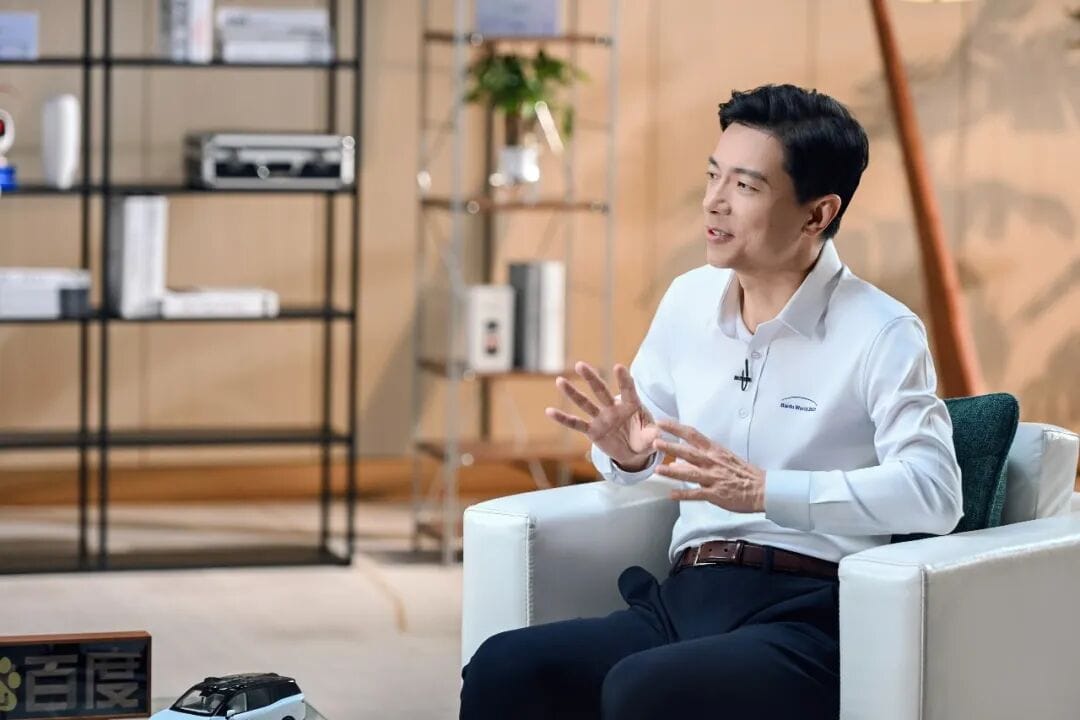
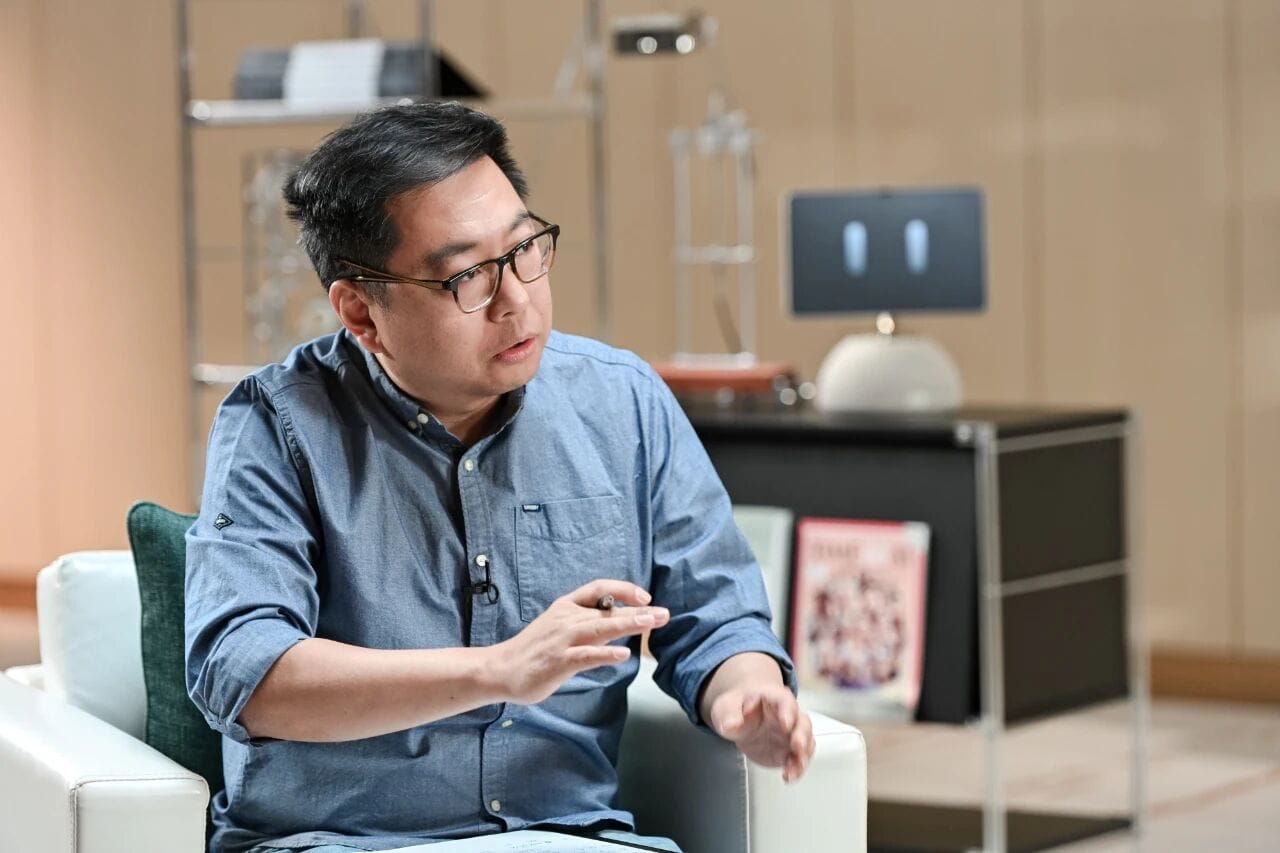
Conversation with Robin Li
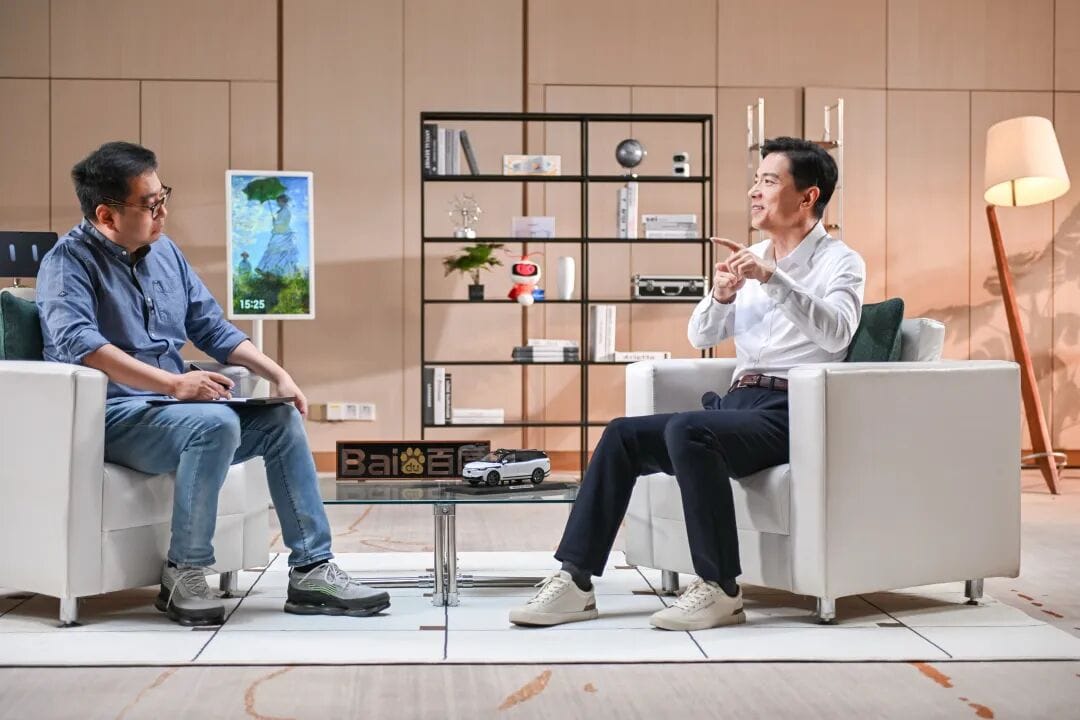
1. Purpose of the Baidu World Conference
Zhang Peng: This is the 20th anniversary, right?
Robin Li: Yes.
Zhang Peng: Why emphasize sharing Baidu’s worldview this year?
Robin Li:
- Baidu wants tech to be widely used outside the company.
- True value lies in solving real-world problems.
- The event should foster open exchange: share problems, seek solutions, co‑create meaningful outcomes.
- Not about flashy demos — it’s about scalable value creation.
On format change:
- Reason 1: Give younger product managers more spotlight; they proved their capability at the earlier Create Conference.
- Reason 2: Authenticity — let the people who built the product present it.
---
2. Why “Famou” Matters
Li’s view:
- Post‑2022, AI focus was largely on chatbots — but AI’s true value extends far beyond this.
- Famou’s self‑evolution algorithm fits industries where efficiency boosts can transform competitiveness.
- China’s manufacturing diversity offers unique contexts for efficiency improvement.
Goal:
- Seek global optimal solutions at a system level — potentially leading to Industry 5.0.
---
3. “Luobo Kuaipao” and the Long Journey of Autonomous Driving
Timeline:
- Started in 2013.
- Over a decade of skepticism from some experts.
- Scaling Apollo Go since 2022 — now ten times safer than human drivers in operation.
Motivation:
- Road safety: remove human error (94% of traffic accidents).
- Demonstrate the feasibility of tech developed over 10+ years.
- Inspire willingness for long‑term corporate investment in R&D.
---
4. “Early Start, Late Arrival” Reflection
Li’s analysis:
- Innovation reality: most projects fail; 1 in 10 success is normal.
- Baidu’s success rate increases when technology plays the decisive role.
- For projects driven purely by market size, failure odds rise — thus must focus on high “technological purity.”
---
5. Digital Humans as Next‑Gen Interaction
Why ChatBots aren’t the final answer:
- Conversations require higher user effort compared to frictionless content scrolling.
- Digital humans reduce input burden, can add visual and emotional layers.
Advantages over real humans:
- No social pressure, greater freedom in interaction.
- Potentially more advanced than ChatBots as a core interaction method.
---
6. Search: From Dilemma to Clarity
The dilemma:
- AI-generated answers take longer than instant search, risking loss of habitual users.
- As inference speeds improve, users accept small delays for direct answers.
Li’s stance:
- Search is a means, not a fixed product form.
- Baidu’s mission evolved to “make a complex world simpler through technology.”
- Baidu today is “an AI technology company with a powerful internet user base.”
---
7. Non‑Consensus Vision for the Next Decade
Core conviction:
- Application-driven AI will hold the biggest opportunities.
- Compete over applications (value creation), not just chips or models.
On internalization:
- True AI adoption happens at the organizational level with a shared AI backbone, not just individual assistants.
- Future work: converting the problems you face into problems AI can solve.
---


---
Key Takeaways
- Leadership style shift: Robin Li less of a solo keynote voice, more a connector.
- Focus refinement: Deployment on fewer, deeper initiatives.
- Risk tolerance: Willingness to invest decades for transformative tech.
- Interaction evolution: Push beyond ChatBots toward digital humans.
- Strategic view: AI’s future value is application-driven, with deep organizational integration.
---
For practical parallels beyond Baidu, open-source platforms like AiToEarn官网 demonstrate how AI can be internalized into large-scale processes.
They enable creators to:
- Generate AI-powered content
- Publish across multiple channels (Douyin, Kwai, Bilibili, WeChat, YouTube, X/Twitter, etc.)
- Analyze outcomes and view AI模型排名
These tools reflect the same principle Li advocates: embedding AI deeply into workflows to maximize impact and value.
---




---
Final Thought: Whether in manufacturing, transportation, search, or content creation, the message is consistent — focus on application, embed AI at the core, and have the patience for long-term bets.