
Conversation with Taku Bamboo: 3D Printing Turns Our Shopping Needs into “Creation Needs” | Diversity Company
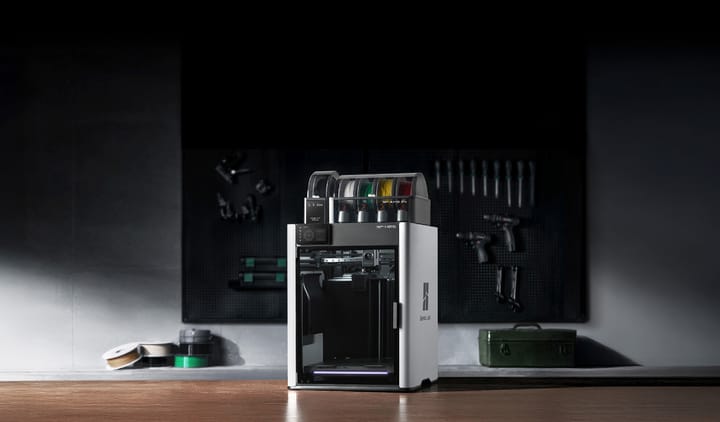
Editor’s Preface — The Value of Diversity Companies
For decades, consumer choice in many industries has been dominated by a few major players:
- Cola → Pepsi or Coca-Cola
- Smartphones → Apple, Huawei, Xiaomi, OPPO, Vivo
- Sportswear → Nike or Adidas
But the world is richer than just those giants.
There are diversity companies — brands that reject convention, innovate in design and function, take risks, and move fast without the inertia of big corporations.
At ifanr, we believe understanding diversity companies means seeing the future sooner than most.
This column bears witness to how these companies reshape markets and define the new normal.
---
Article Context
This is the 9th installment in the Diversity Companies series.
We interview Dongfang Liang, head of the MakerWorld community at Bambu Lab — a young yet disruptive player in the 3D printing market — along with their tech and marketing teams.
We explore:
- How Bambu Lab reignited the dormant desktop 3D printing industry
- How to build a healthy creative community
- How 3D printing could change everyday life
---
Company Profile: Bambu Lab
- Founded: 2020
- Mission: Radically transform desktop 3D printing using robotics tech
- First product: X1 Series (2022) — high-speed, smart 3D printer introducing industrial-grade multi-color printing and engineering plastic support to consumers
- Impact: Sparked the long-awaited desktop 3D printing revolution
- Community launch: MakerWorld (2023) — now the world’s largest 3D model-sharing platform (>10M MAU)
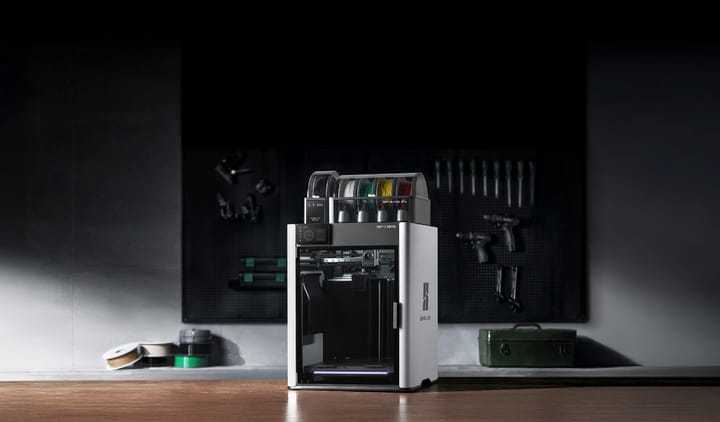
> “If you can find joy in creation, chances are high that you’re a potential 3D printing user.”
---
Why the Name “Bambu Lab”?
A: Three reasons:
- Founder’s roots — Dr. Tao Ye grew up surrounded by bamboo, with fond childhood memories.
- Cultural symbolism — In China, bamboo represents resilience and progress, aligning with company values.
- Sustainability — Bamboo grows fast and is eco-friendly; aligns with their pursuit of sustainable development.
Vision:
No “grand mission statement” — current phase goal is "Let’s Make It", focusing on personal fabrication: empowering individuals to manufacture at home, enjoying the joy of creation.
Products with vision statements:
- H2D → Redefining Personal Fabrication
- H2S → Your Personal Fabrication Hub
---
Why 3D Printing Adoption Was Slow Pre-Bambu
Despite being low threshold technology (melting plastic layer-by-layer), DIY setups required solving tedious problems:
- Leveling print beds
- Multi-color support
- Avoiding nozzle clogs
Bambu X1 solved these “friction points” by being ready out of the box — factory-tuned, no complex adjustments needed.
Result:
- Market perception shifted from ~$1B industry to a $10B+ potential.
- Model-sharing platforms (like MakerWorld) broadened the audience beyond skilled modelers → now “One-Click Print” enables anyone to create.
---
The “iPhone Moment” of 3D Printing
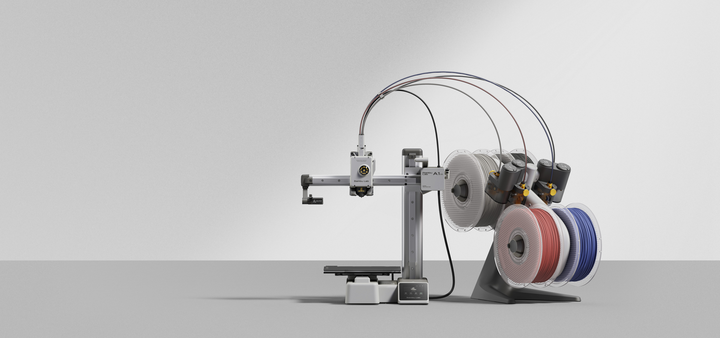
X1’s impact:
- Industrial performance at ~$1,000
- Speed: up to 500 mm/s (vs. typical 200 mm/s) without sacrificing quality
- Balanced speed, quality, and usability → nicknamed “Hexagon Warrior”
Analyst viewpoint:
From an enthusiast lens — yes, X1 = “iPhone moment” for 3D printing. Many competitors now follow its design philosophy.
---
Product Strategy — Why Start High-End?
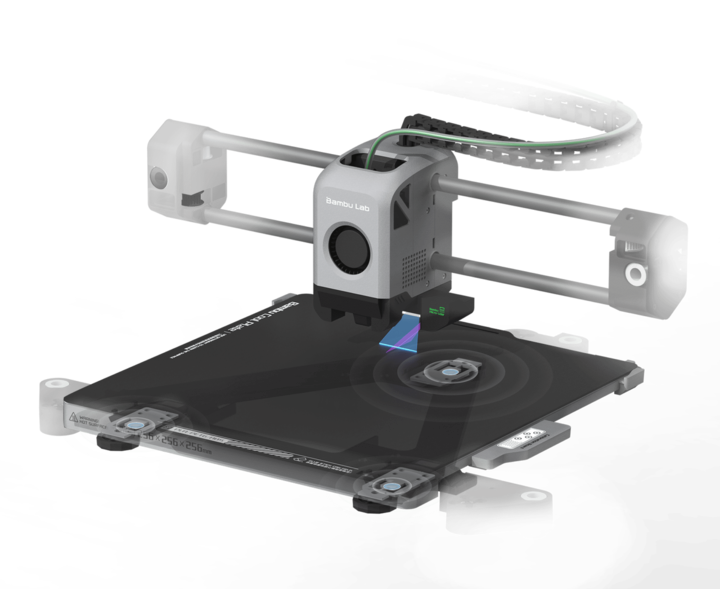
Like Tesla’s approach (Roadster → Model S → Model 3), Bambu started with flagship quality to make a statement before scaling down to entry-level models (e.g., A1 Mini).
---
AI Integration in the X1
Functions:
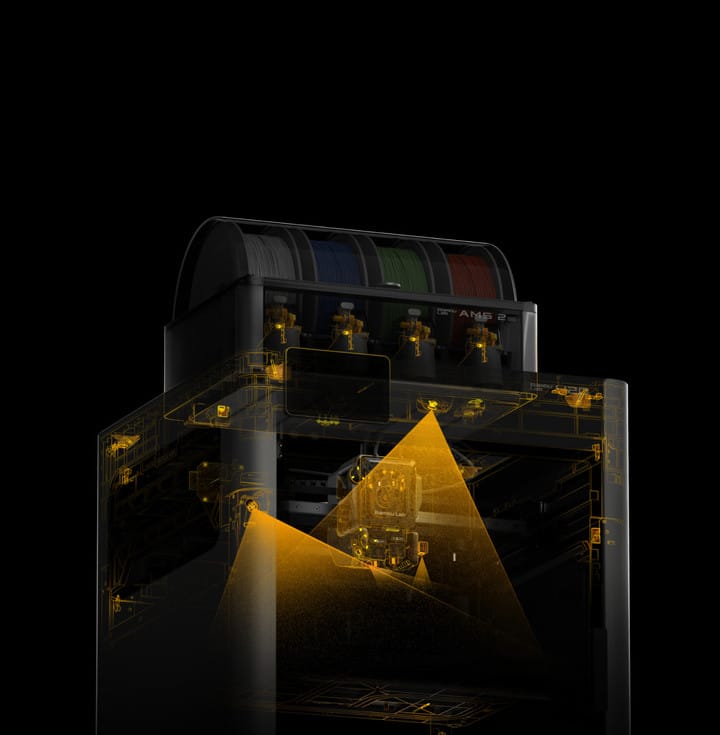
- AI-driven image recognition → detects and diagnoses print issues.
- Comparable to DJI drones’ obstacle avoidance — solves problems only AI can handle.
---
“Automation” vs “Intelligence” in 3D Printing
- Automation → Execute pre-defined, known processes more efficiently
- Intelligence → Handle unforeseen events using diverse sensors and decision logic
Bambu aims to perfect automation while expanding intelligence capabilities for full safety coverage.
---
Market Breakthrough
Barriers lowered → more households adopt → market size expands.
Evidence: Competitors’ revenues grew alongside Bambu’s, proving market growth not just share stealing.
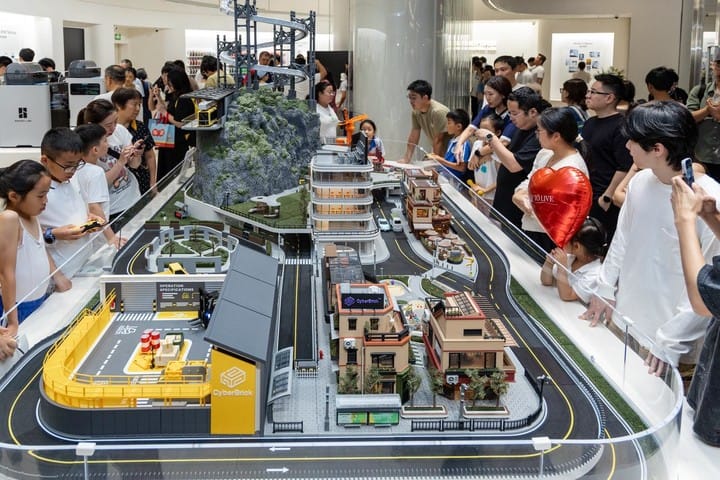
Philosophy: 3D printing ≈ LEGO, painting, or novel writing — another medium for joyful creation.
---
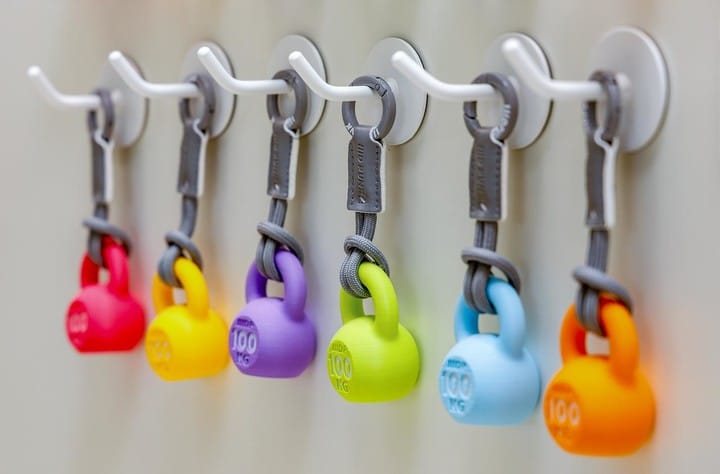
MakerWorld — “The App Store of 3D Printing”
Similarities:
- Content ecosystem fuels hardware adoption (like App Store → iPhone)
Differences:
- Open → accessible to any 3D printer user, not just Bambu owners
- Ideal: Grow the overall market, not wall off competitors
---
MakerWorld’s Strategic Role
- Hardware = “1”, Community = “0’s” that multiply its value
- Monetization tools keep creators engaged long-term:
- Boost & Points
- Exclusive Model Program
- Crowdfunding Projects (many models now earning $10K–$60K)
- MakerSupply / CyberBrick kits revenue sharing
---
Why MakerWorld Became #1 in the World
Success factors:
- Determined investment at early stage — subsidized creators heavily
- Large seed user base via hardware sales
- One-Click Print convenience
- Open community philosophy — invite all brands’ users
- Enthusiast-led team — close to creator culture
---
Creator Monetization — Vital for Community Health
Current channels:
- Redeemable points for goods
- Cash payouts for exclusive models
- Crowdfunding digital files
- Sales commissions from kit-linked models
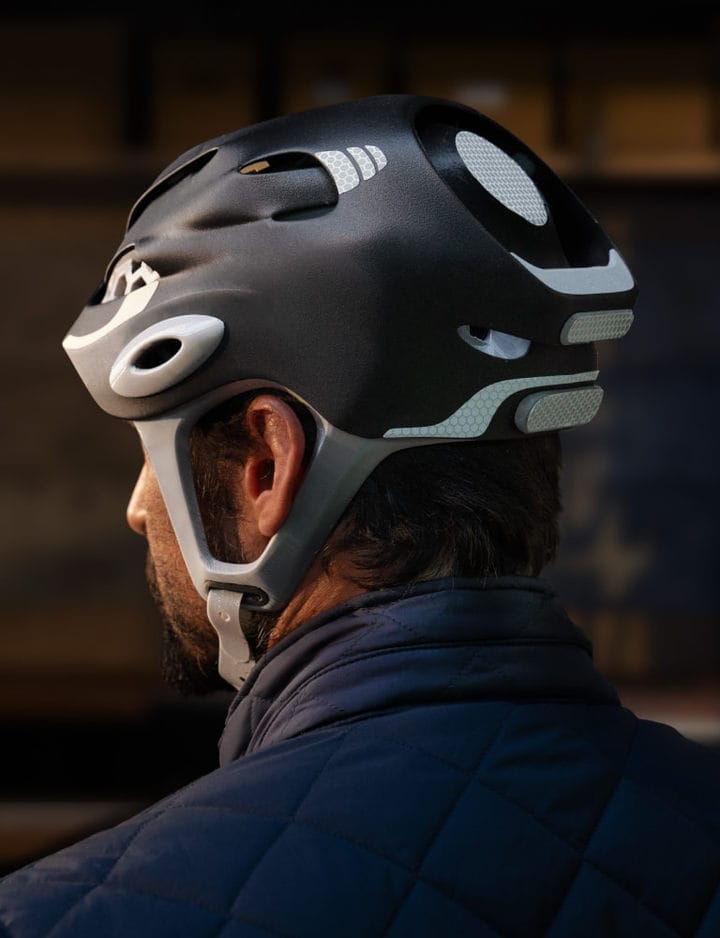
Model example: Golden Hoop Staff requires MakerSupply kit, creator earns per kit sold.
---
Future Vision — From Language to Print?
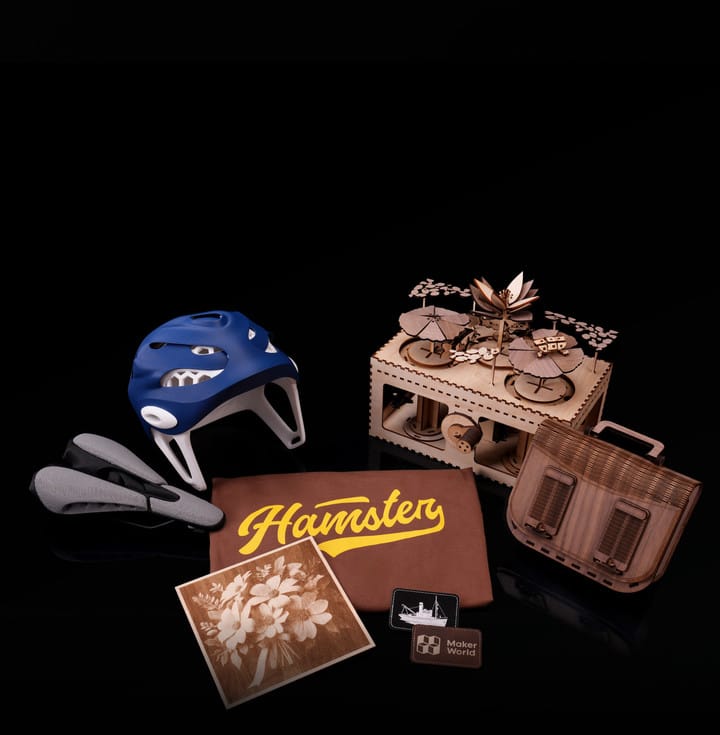
Possible path: "Text → AI model → 3D print"
Challenges:
- AI needs practical part-splitting for quality
- Multi-color limitations on consumer printers
- Excess polygon counts slow slicing
- AI lacks humanlike judgment to avoid print failures
---
Towards Everyday Personal Fabrication
Future MakerWorld = Taobao/Pinduoduo for models:
- Search → download → print exactly what you need
- Overseas market sees faster adoption due to less convenient product delivery
- Goal: convert shopping needs into creation needs
---
Current User Stats
- ~50M combined registrations (China + global)
- MAU: tens of millions
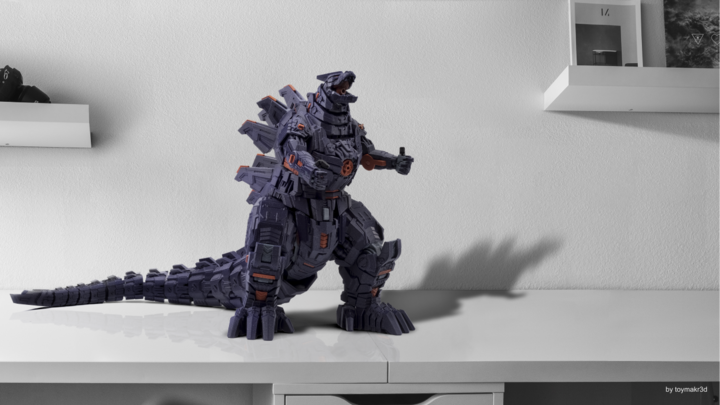
- Highest activity: Germany (strong engineering/maker culture), USA, plus rapid growth in China
---
First Prints & Creator/Consumer Ratio
- First project: built-in test print (small boat), then printer-related accessories
- Active creators: ~200K vs tens of millions total MAU

---
Why Sustaining Creator Rewards Matters
If creators can make a living (USD 100K/year possible for top MakerWorld contributors), quality content flow is sustained → hardware adoption grows → the ecosystem flywheel spins faster.
---
Key Insight:
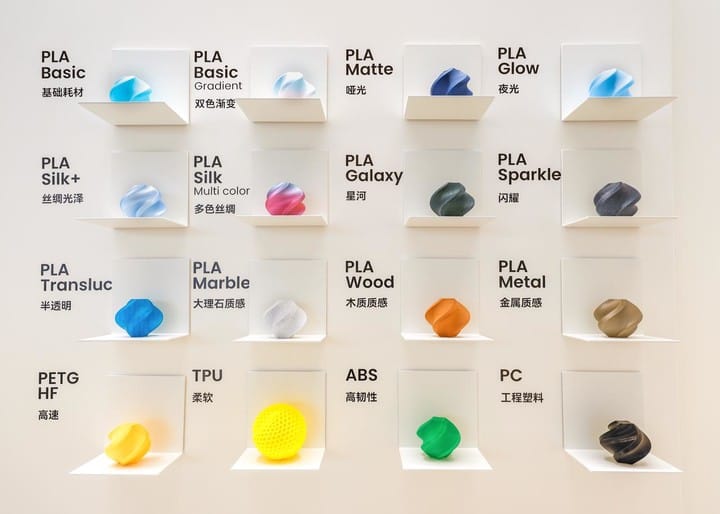
The symbiosis of Machine + Model + Material is essential to 3D printing’s mass adoption.
MakerWorld’s open, monetizable community may be the single most important factor enabling sustained market growth.


