Dialogue with Zhou Guang: Tesla’s Path Can Follow the Scaling Law, Waymo Is Still Evolving
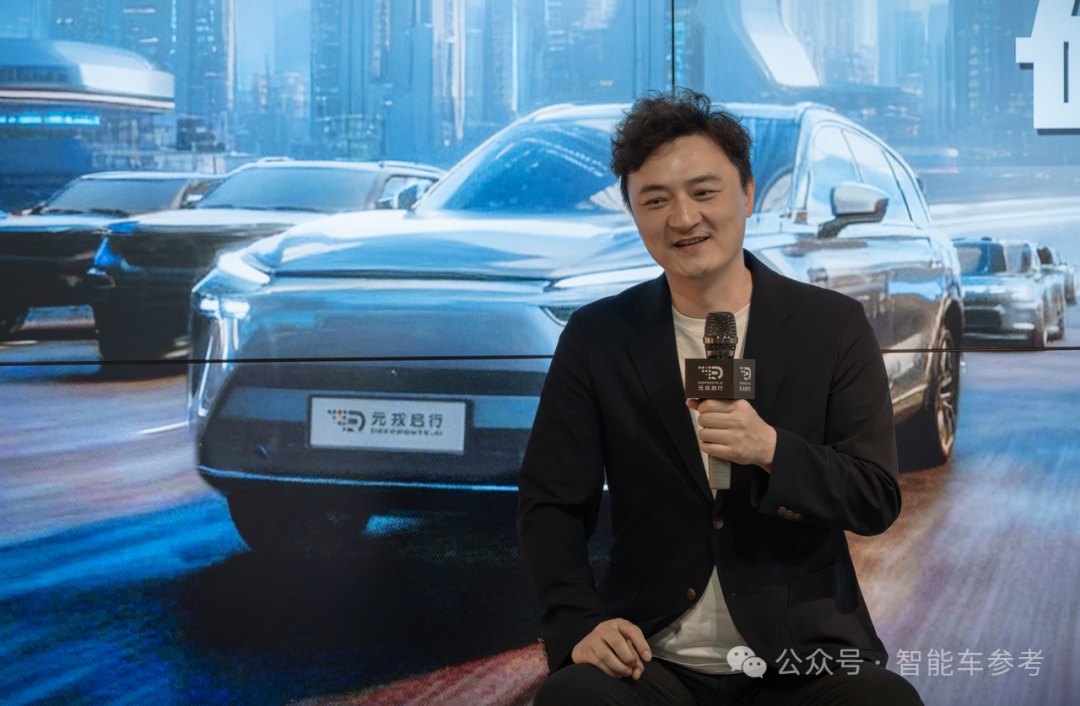
Yuanrong Qixing’s Road to Robotaxi: CEO Zhou Guang’s Insights
Key Industry Takeaways from Zhou Guang
> - Combining software and hardware for mass-produced assisted driving can be a self-imposed constraint.
> - Waymo has been operating in Phoenix since 2019, but is still evolving today.
> - Retrofitting with high-definition maps offers only short-term benefits.
> - Only mass production in assisted driving can unlock the Scaling Law.
> - Earlier autonomous driving players, like Mobileye, were phased out due to functional limits.
> - If imitation learning isn’t done well, don’t expect reinforcement learning to succeed—it targets later-stage growth.
---
Yuanrong’s Commercialization Journey
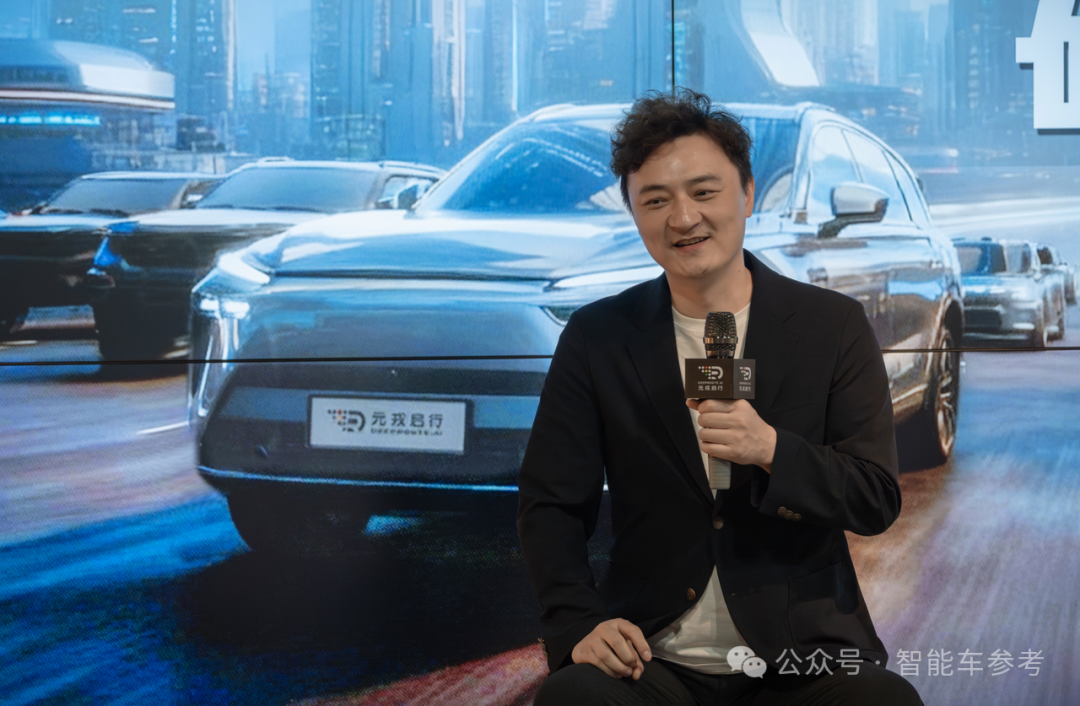
- Mass production milestone: Deployed on 200,000 vehicles
- October market share: Captured 40% of China’s urban NOA third-party supplier segment
- 2024 goal: Deliver 1 million vehicles — no “pure highway NOA” products
- Robotaxi reboot: Targeting full unmanned, paid operation in China within 1 year, then expanding to Middle East
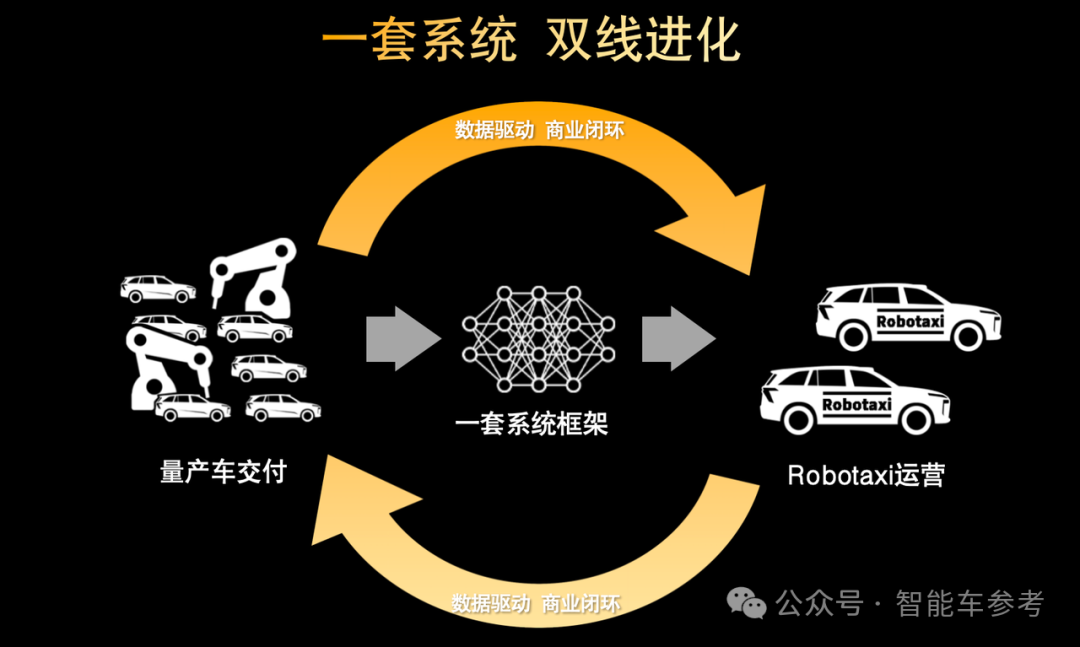
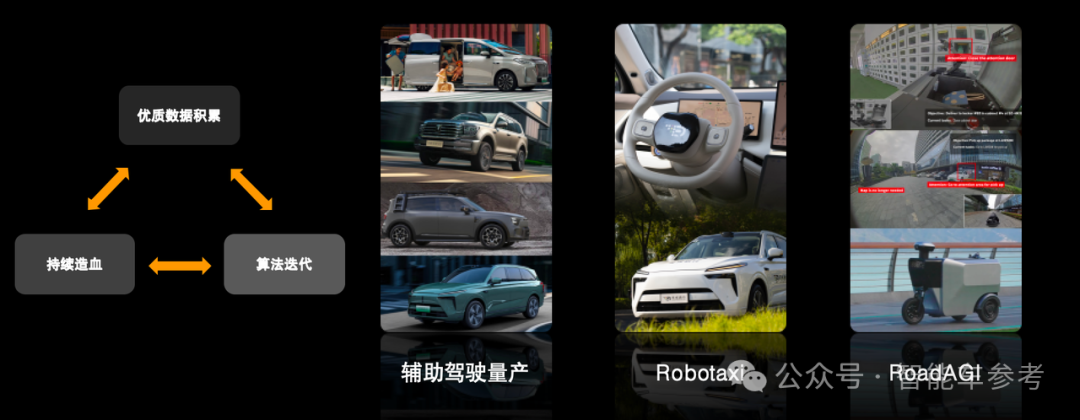
Strategic route: Follow the “Tesla path” from L2 → L4, leveraging Scaling Law dividends, rather than the “Waymo path” of immediate Robotaxi focus.
---
Lessons from Yuanrong’s First Robotaxi Attempt
In 2020, Yuanrong deployed dozens of unmanned vehicles in Shenzhen’s Futian district before pivoting to a data-driven model:
- Mass-produced assisted driving deployed on millions of cars
- Massive data collection feeding AI models
- Scaling Law boosting model generalization ability
- Transition to large-scale Robotaxi deployment
---
Technology & Operations: The New Robotaxi Blueprint
Software
- Unified VLA (Vision-Language-Action) architecture for both Robotaxi and mass-produced vehicles
- No high-definition map reliance
Hardware
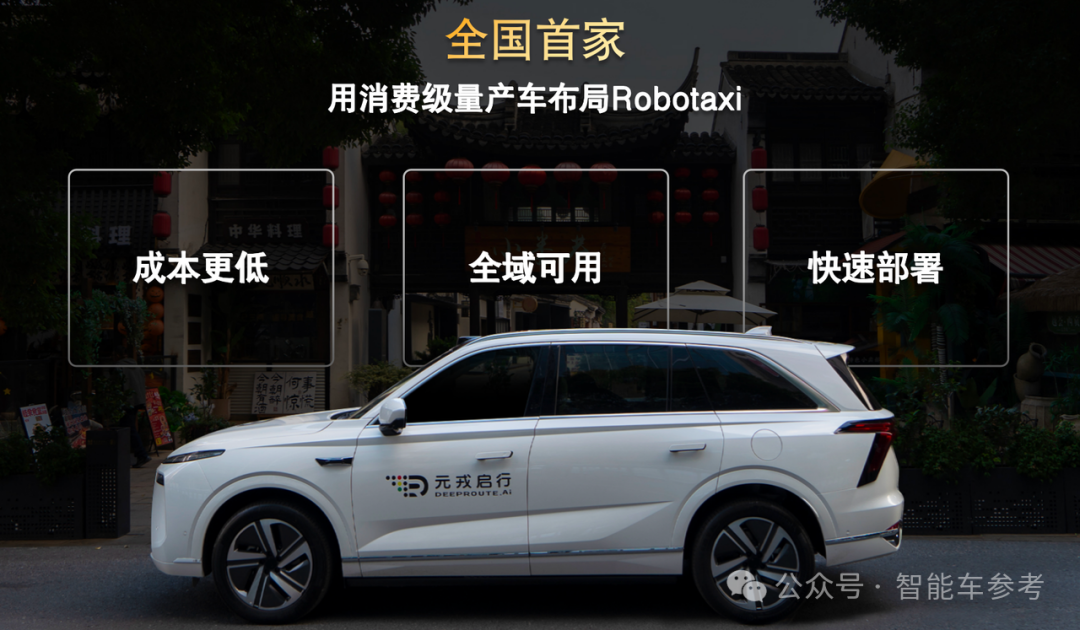
- Built on mass-market passenger car platforms
Operations
- Start with safety driver → transition to fully unmanned, paid service within a year
- First overseas market: Middle East
---
Surging Growth & Market Share
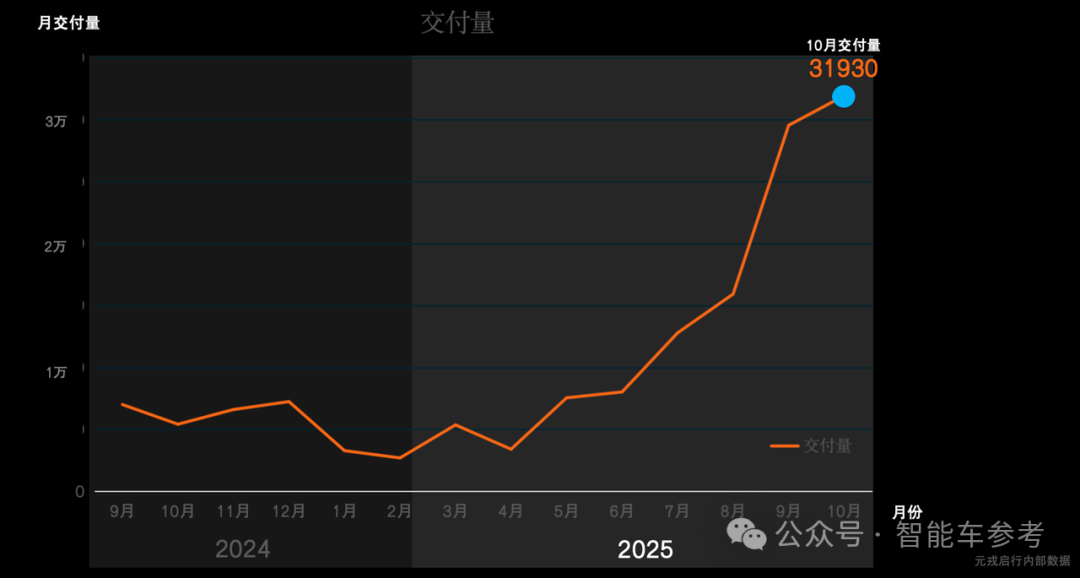
- 2022 deliveries: ~20,000 units
- One year later: Nearly 10× growth
- September 2023: 30,000+ units delivered
- October: Independent reports confirm 40% market share in urban NOA
---
Key Partnership Win
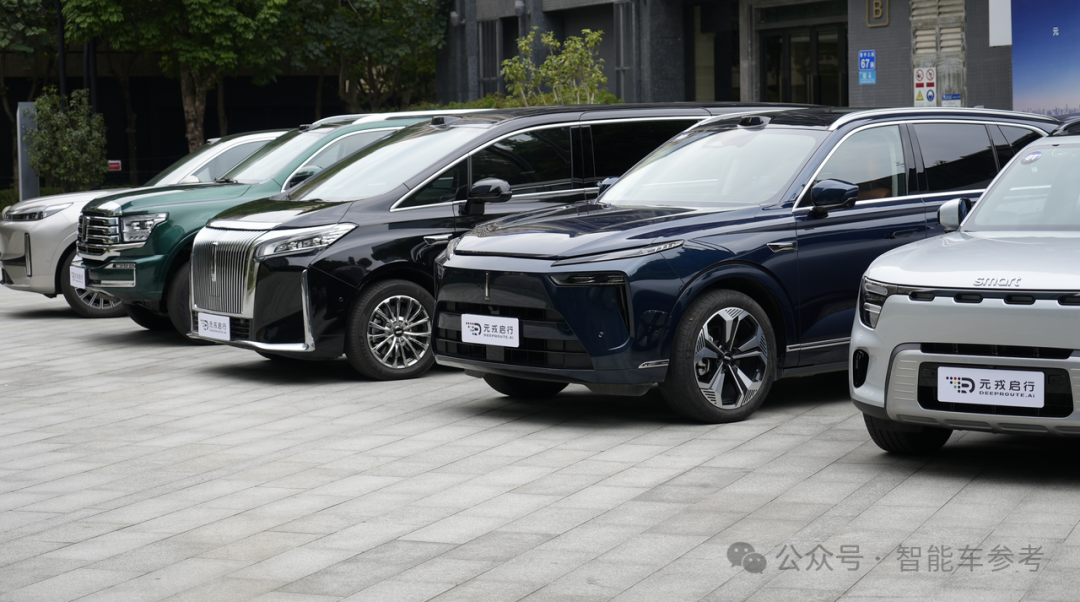
Yuanrong secured a full-range designation from a top NEV maker whose mid-size SUV leads its segment.
Story behind the deal:
- Tech demos in Hangzhou, Shenzhen, Shanghai, Munich
- 4 a.m. Shenzhen visit from client → impressed by Yuanrong’s dedication → test drive → partnership secured
---
Scaling Strategies in AI & Mobility
Platforms like AiToEarn官网 parallel Yuanrong’s scaling approach:
- Open-source global AI content monetization
- Cross-platform publishing (Douyin, Kwai, WeChat, Bilibili, Xiaohongshu, Instagram, LinkedIn, YouTube, Pinterest, X)
- Analytics & AI model ranking for growth acceleration
---
Secret to Yuanrong’s Rapid Growth
Two pillars:
- Technical foresight — early pivot to end-to-end paradigm, first to supply a VLA solution
- Business focus — collaborate deeply with select clients to create hit products (Apple-style minimal portfolio, maximum impact)
> “In the future, fewer models will dominate sales.” — Zhou Guang
---
Why Yuanrong Skips “Pure Highway NOA”
- Data backhaul issue: Highway NOA often lacks connectivity to upload driving data
- Cost barrier: Hardware & data transmission fees
- Long-term focus: Assisted driving should optimize for Robotaxi readiness, not short-term chip cost savings
---
RoadAGI: Yuanrong’s New Venture

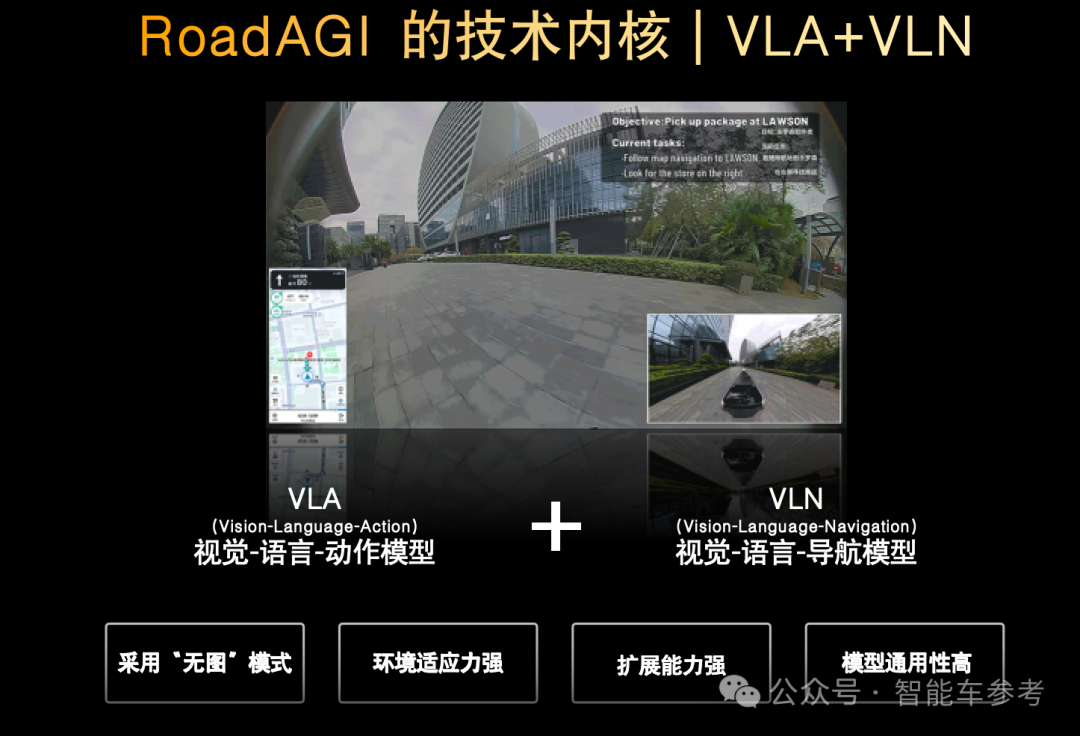
RoadAGI targets the last 100 meters of delivery:
- Combines VLA + VLN (Vision-Language-Navigation)
- No map scanning → direct environment perception
- Enables point-to-point transport
- Different from mainstream unmanned delivery routes
---
The L2 → L4 Leap: Bypassing L3
Zhou Guang’s stance:
> “Tesla never pursued L3. L3 rewards rule complexity, but Robotaxi needs generalized models. I believe L3 conflicts with L4.”
L3 may drive consumer interest, but it doesn’t align with Robotaxi deployment logic.
---
Takeaways for Innovators
Platforms like AiToEarn官网 show how integrated ecosystems—AI + distribution + monetization—can benefit automotive innovators and AI creators alike.
For Zhou Guang and Yuanrong Qixing, this philosophy is clear: scale fast, focus deep, and build for the end game.
---
If you want, I can also create a condensed executive summary version of this article for quick reference. Would you like me to do that?