Domestic Home Robots Finally Arrive: Push You to Work with Bed and All, Priced in the Low Tens of Thousands, Launching Next Year
Home Robotics at the Right Moment
We’ve truly caught a turning point in household technology.
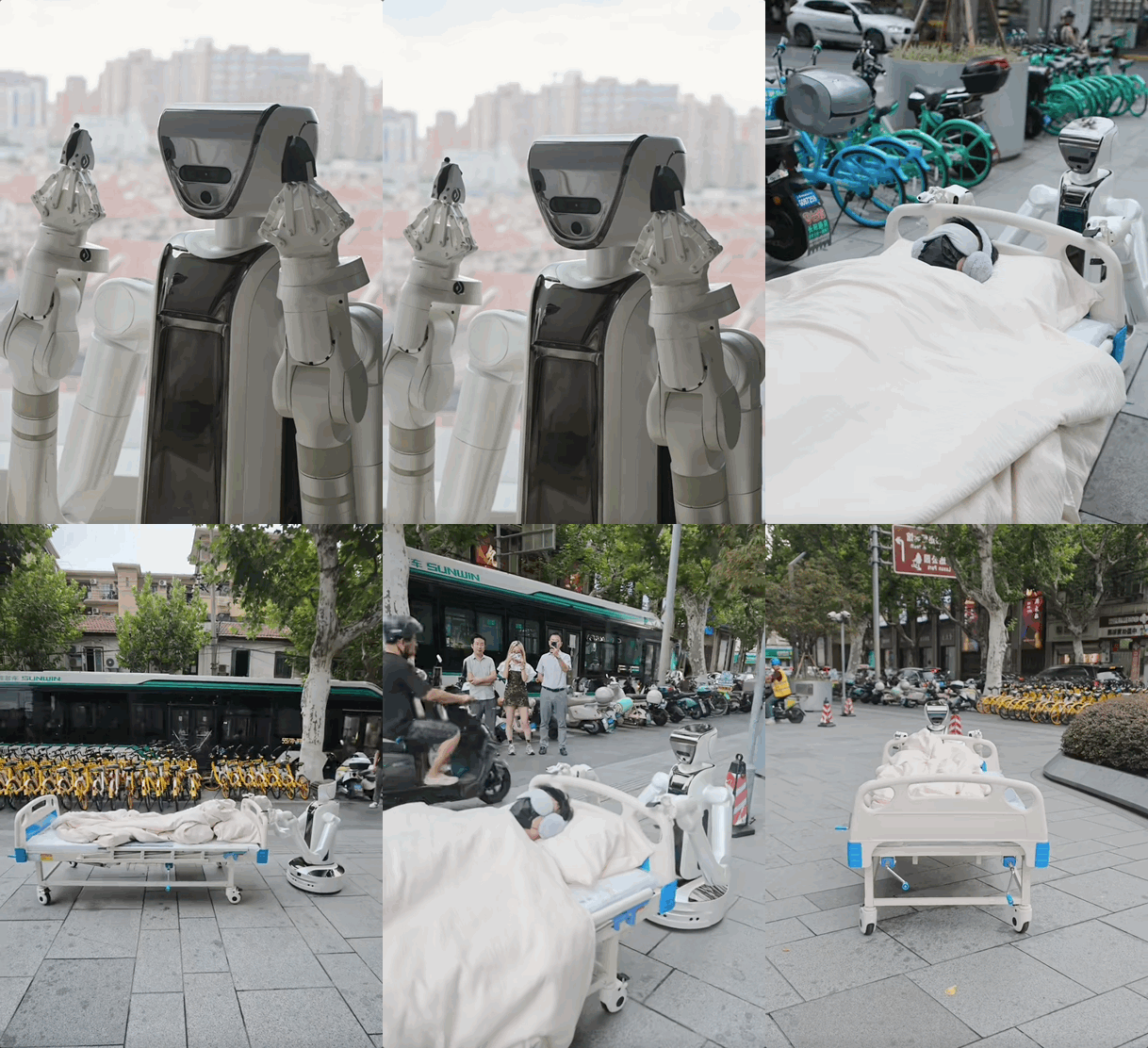
If you dread getting out of bed for work, the next-generation robot could one day push you—bed and all—straight to the office.
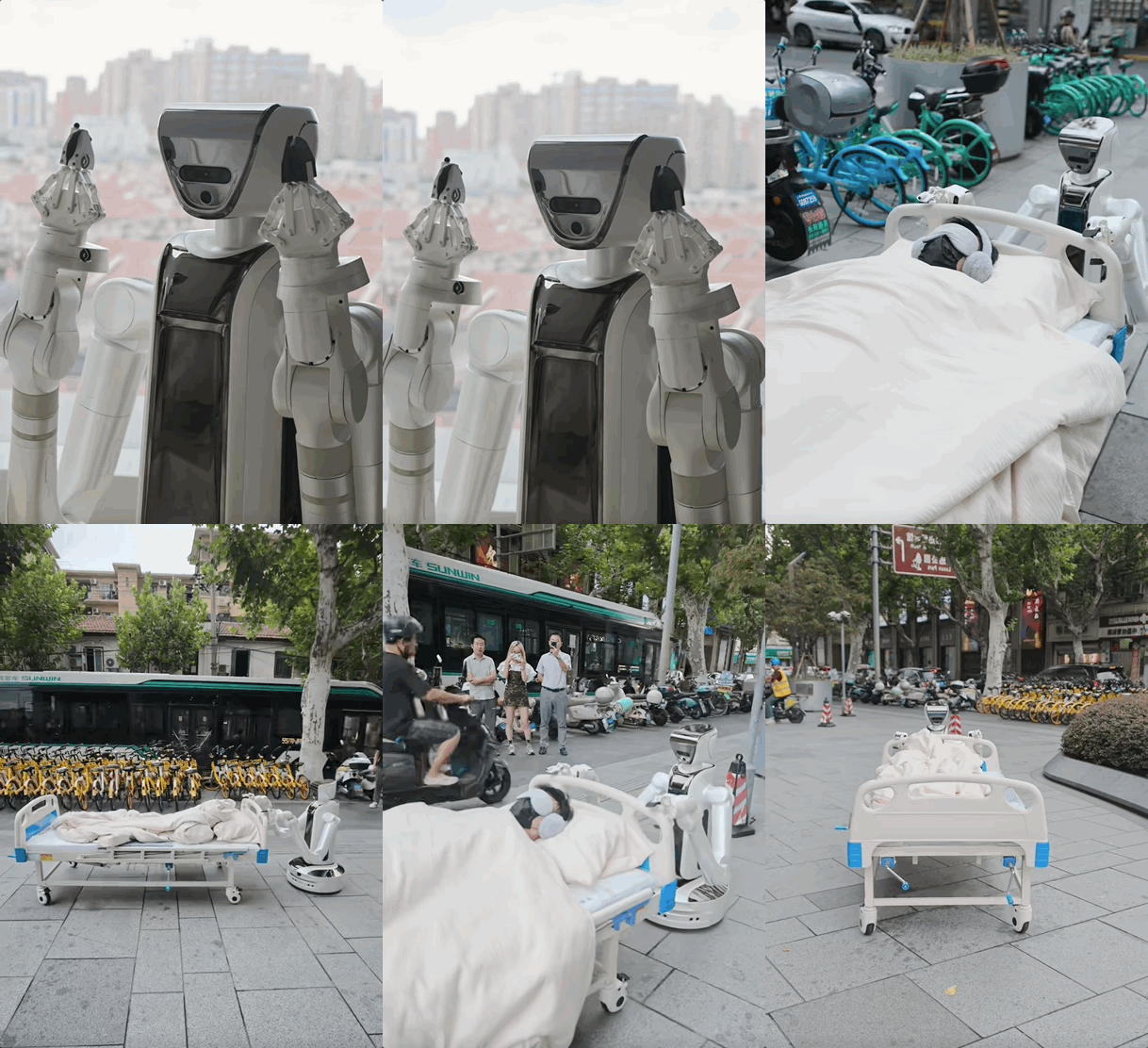
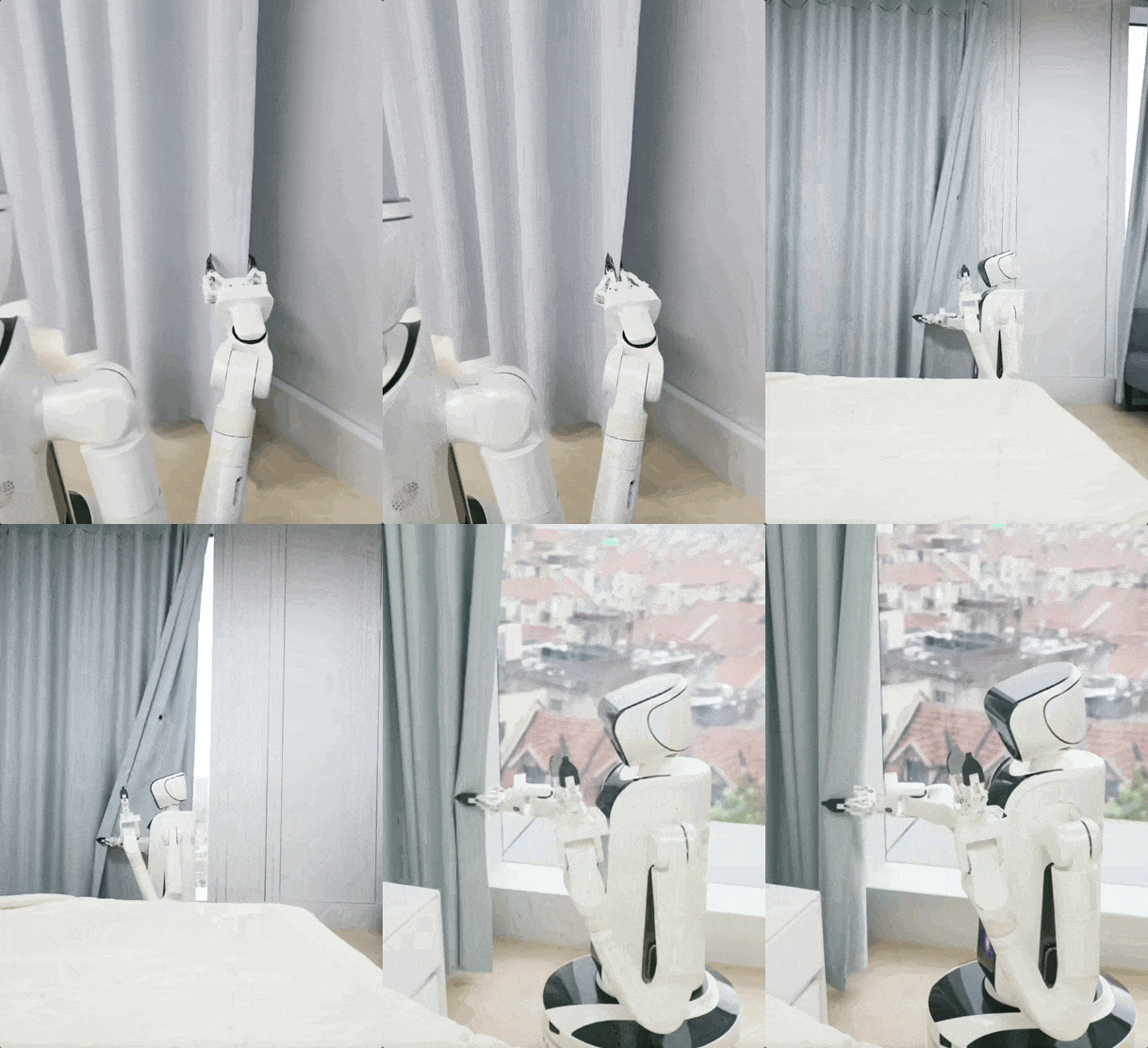
At long last, embodied-intelligent robots have entered everyday households — and they’re made in China.
---
A Real Home-Service Robot for Practical Use
While the F1 robot occasionally makes harmless little mistakes, it stands out from the market as China’s most realistic home-service robot approaching practical use.
It is neither a flashy tech demo nor a remote-controlled puppet. Startup Future Is Not Far has continuously trialed the F1 in dozens of homes.
Key Specs:
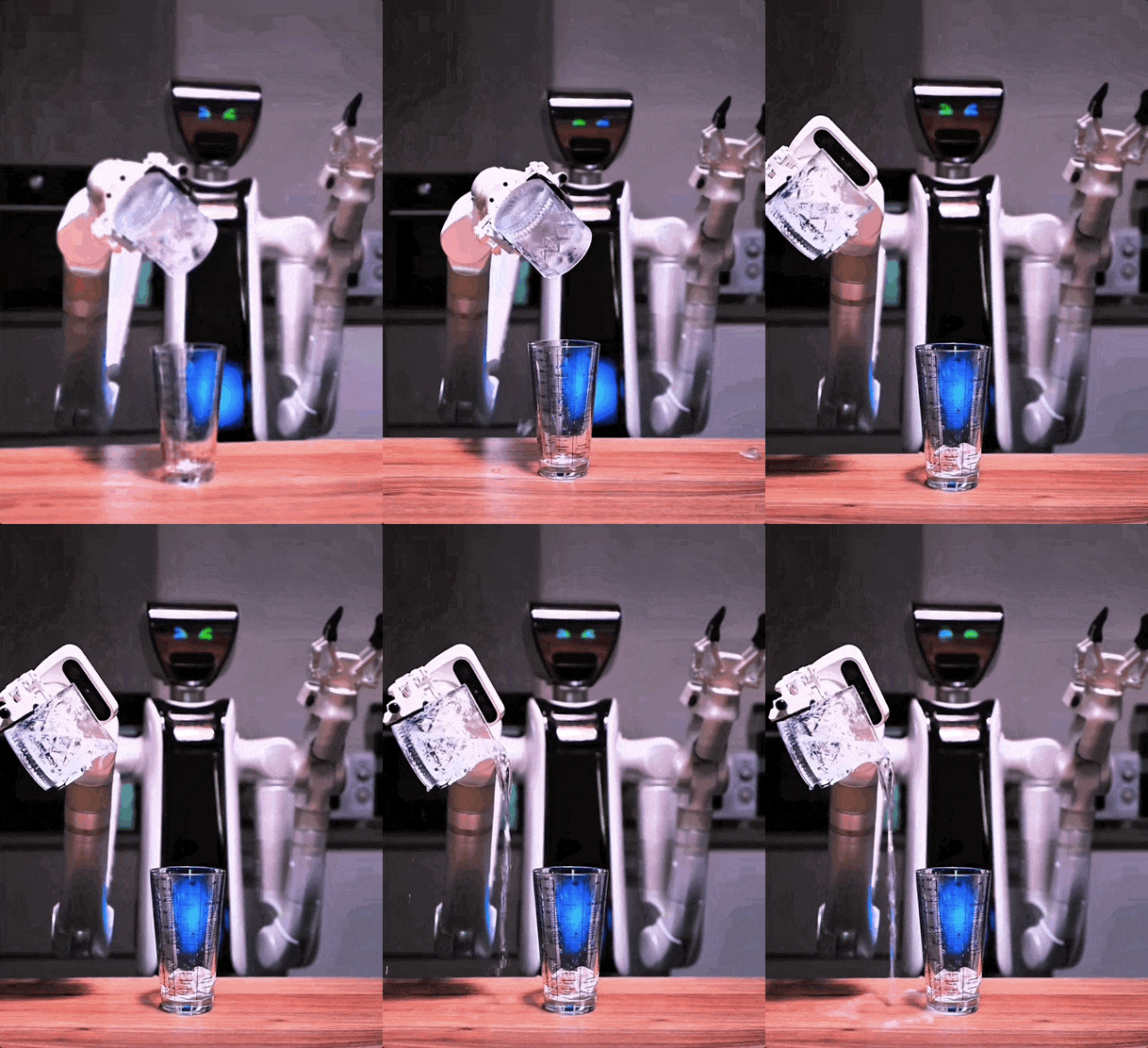
- 22 degrees of freedom — enabling natural arm, head, and torso motions
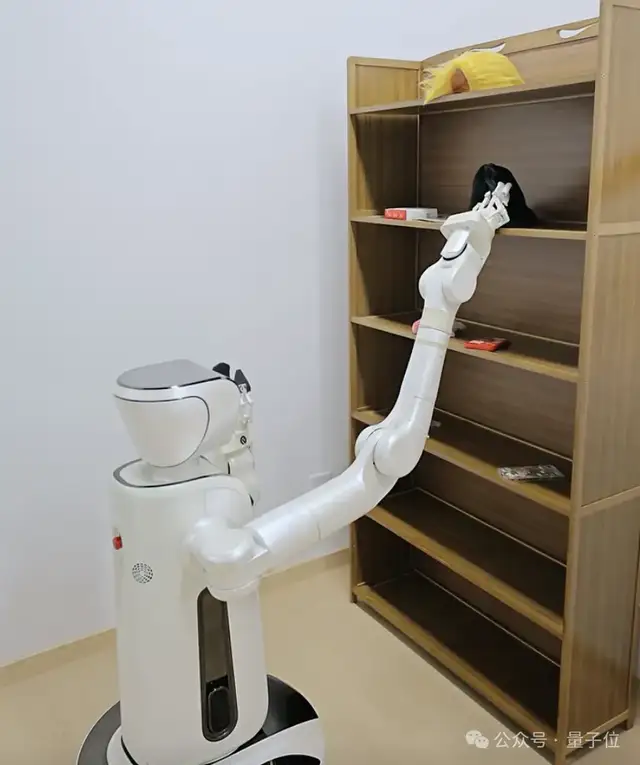
- Height adjustment: 1000 mm–1430 mm for different family members
- Arm range: Floor level to 2350 mm — covers tables, chairs, cabinets, floors
- Payload per arm: Up to 5 kg for heavy-duty tasks
- Gripper accuracy: ±0.05 mm (precision tasks like plugging/unplugging)
- Force control: ±0.1 N (avoids damage to fragile items)
---
Sensor Suite and Mobility
The F1 uses nearly 30 sensors and 6 cameras for multimodal vision, local mapping, person recognition, and real-time obstacle avoidance.
Mobility highlights:
- Steps over obstacles up to 25 mm high
- Crosses gaps up to 35 mm wide
These features handle thresholds, rugs, cords, and other common barriers.
At first glance, its standout features are:
- Wheeled chassis
- Adjustable-height, long “gibbon-like” arms
---
Designed for Urban Living Spaces
Given Beijing’s per‑capita housing area of 37.2 m² (nationwide urban ~40 m²), CEO Zhang Yi argues humanoid robots move poorly in typical homes.
Design choices:
- Abandoned humanoid imitation route
- Reduced chassis footprint from 0.5 m² to 0.25 m²
- More battery space → 8+ hours high-intensity use, 24+ hours standby
---
More than Housework — A True Home Assistant
Future Is Not Far views F1 as a home assistant-type embodied intelligence, not just a cleaning device.
Zhang Yi divides household needs into:
- Children
- Elderly care
- Large-scale cleaning
- Kitchen tasks
F1 initially focuses on large-scale cleaning and child-focused modules.
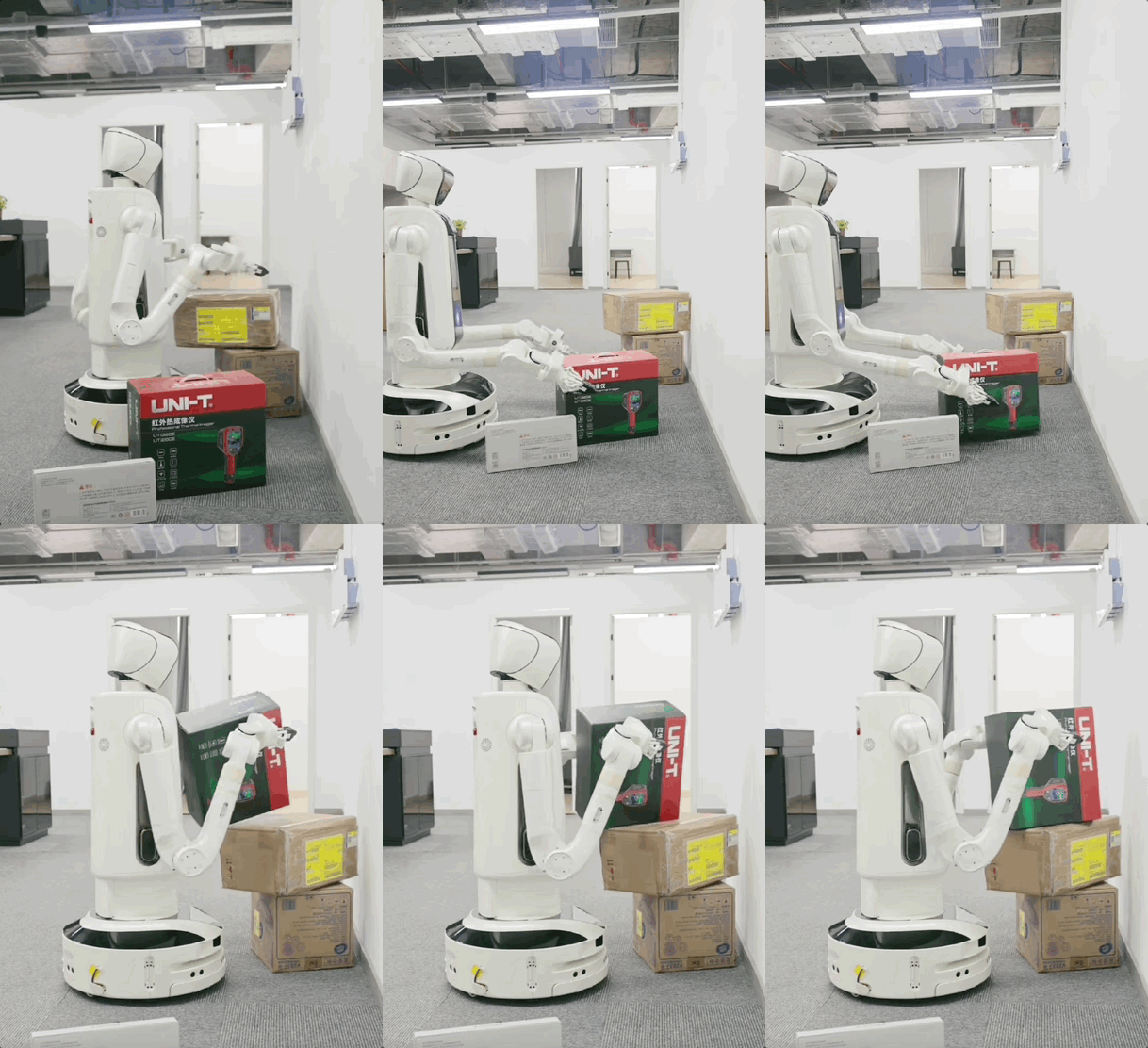
Large-Scale Cleaning Features
- Dusting, sweeping
- Tidying and organizing
- Fetching items
Child-Focused Modules
Children are highly interactive with the robot, generating valuable use-case data.
Zhang Yi’s past in Zhangmen Education gave him special insight into family and child behavior.
---
Embodied Intelligence Architecture
RVLA & AVLA Framework
To handle long-sequence household tasks, Future Is Not Far uses:
- RVLA (Reverse VLA) — reorganizes execution flow
- AVLA (Atomic VLA) — smallest, clearly defined basic actions
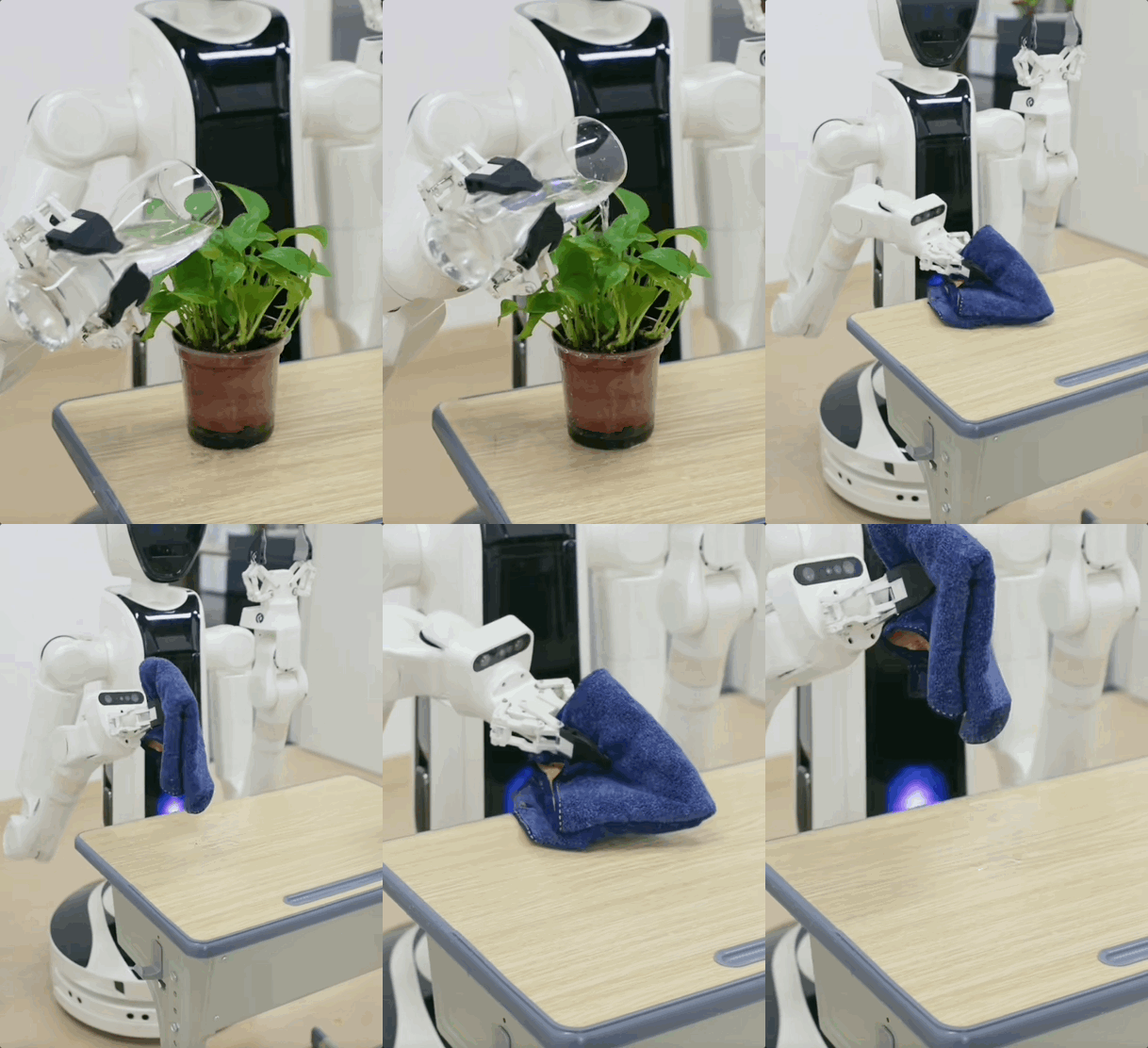
Examples of AVLA actions:
- Lift arm naturally
- Grasp objects adaptively
- Navigate to targets smoothly
- Release objects steadily
---
Hierarchical Model Design
Top-down layered approach:
- Upper layer: End-to-end large model — lower precision, low error cost
- Lower layer: Small, precise models tailored to specific objects/tasks
---
DAPO Framework for Arm Performance
DAPO (Decoupled CLIP and Dynamic Sampling Policy Optimization) integrates reinforcement learning and dynamic sampling for dual-arm control:
- Dynamic sampling: Less compute for simple tasks, more for complex ones
- Token-level optimization: Reduces strategy drift in varied sequence lengths
- Optimized action space sampling: Stability in diverse household conditions
- Sequential AVLA completion: High success per unit action → stable tasks
F1 automatically retries failed atomic actions to avoid cascading errors.

---
Current Capabilities
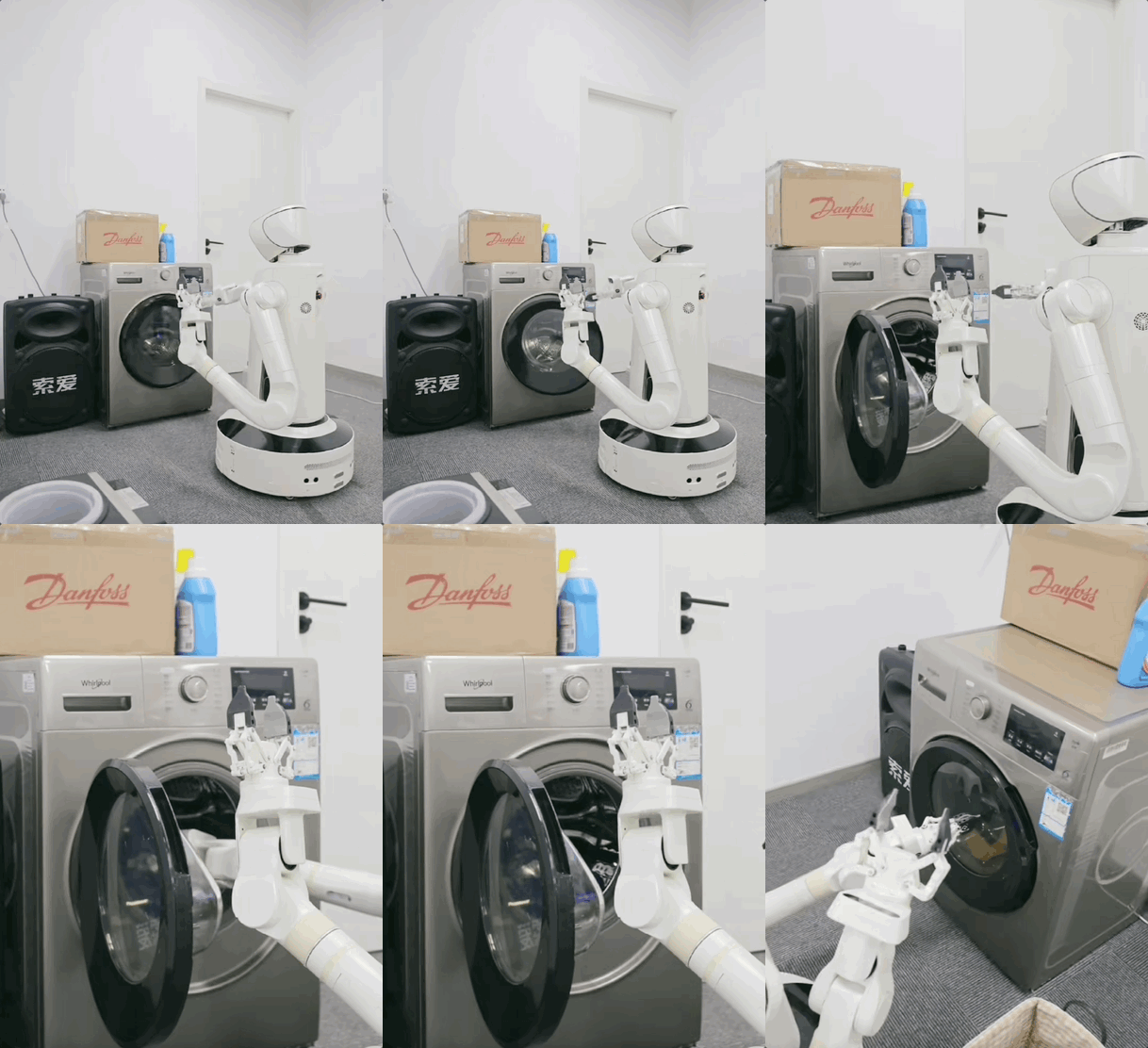
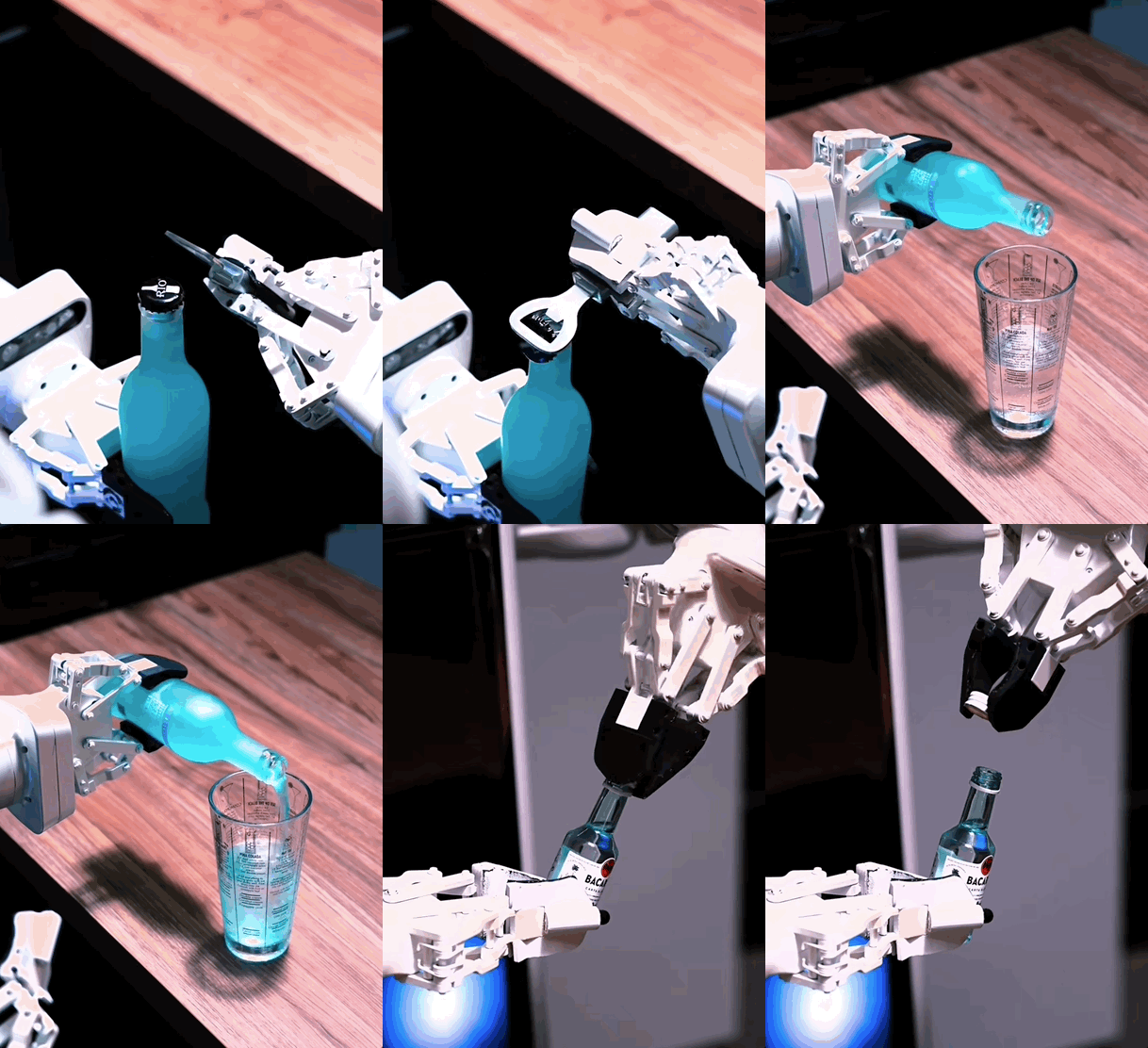
F1 can autonomously perform tasks such as:
- Opening fridge and retrieving food
- Storing toys
- Loading washing machine
---
Founder’s Story & Industry Insight
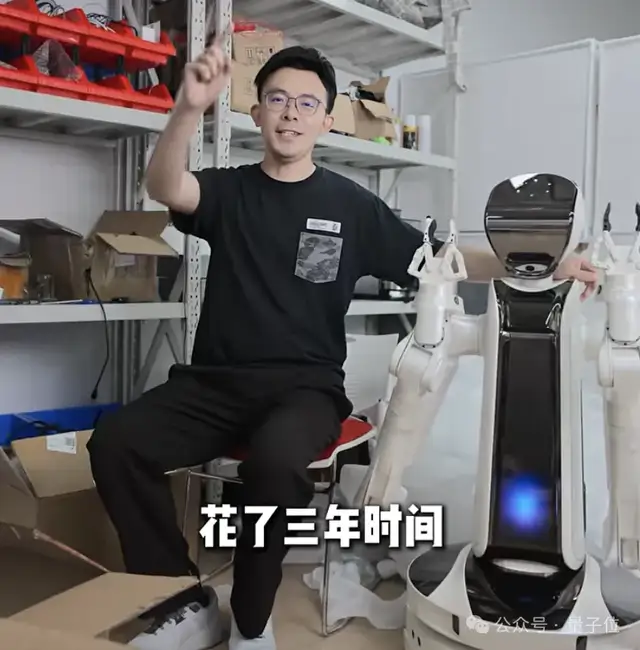
Zhang Yi’s path:
- Founded Zhangmen 1-on-1 in 2014 → Unicorn valued at 7.8B RMB → Listed NYSE
- Pivoted to robotics in 2021
- Believes household robots will be common in 20 years
He stresses non-consensus entrepreneurship — acting before trends become mainstream.
---
Product Development Discipline
For the first 3 years:
- No external funding
- Guided only by trial data & user needs
- Multiple “designs by assumption” eliminated
Examples of dropped features:
- Ultra-long 1.35 m arms — impractical usage
- Five-finger dexterous hand — fragile, short lifespan
- High load capacity — rarely needed in homes
---
Upcoming Launch
- Domestic release within 1 year
- F2 model — lighter, cuter, home-oriented
- F1 price: Low five-digit RMB range
---
AI Platforms for Market Reach
For innovative products like F1, platforms such as AiToEarn enable:
- AI-assisted content generation
- Cross-platform publishing (Douyin, Kwai, WeChat, Bilibili, Xiaohongshu, Facebook, Instagram, LinkedIn, Threads, YouTube, Pinterest, X)
- Analytics for audience engagement
- AI model performance ranking
Resources:
---
> Key Takeaway: The real entrepreneurial window is before mainstream consensus arrives. Future Is Not Far acted early — building a product on actual home trials, not just lab assumptions.
---
If you'd like, I can create a concise infographic-style summary of this F1 story so it's visually appealing and easy to share. Would you like me to prepare that next?