Doubao “Input” in WeChat
Doubao vs. WeChat: An AI-Driven Clash in Input Methods
WeChat once entered the input method market leveraging its massive social ecosystem, yet has remained cautious in deeply exploring AI capabilities.
Meanwhile, ByteDance’s Doubao Input Method launched with a bold strategy — focusing on speech recognition, removing redundant features, closely integrating large model capabilities, and targeting WeChat chat scenarios to "borrow the ship to sail."
This is not just a product innovation, but also a battle for the AI entry point.
---
Market Overview
A few days ago, Doubao released its new product — Doubao Input Method.
Traditionally, mobile input methods have been dominated by system defaults or legacy products from the PC era like Sogou or QQ Input Method.
Things changed in 2022 when WeChat Input Method appeared, introducing a major new variable into a long-stable market. Thanks to WeChat’s enormous user base, adoption was rapid.
Yet in the past three years, WeChat has kept it simple:
- Few new features
- Restrained AI integration
- Minimal deviation from core product philosophy
Doubao’s approach is different — aggressive and focused:
- Makes voice input the key selling point
- Retains only Pinyin in keyboard mode
- Removes extra clutter for a simple user experience
But Doubao isn’t here to merely compete in input methods — its entry into this space is a calculated strategic move against WeChat.
---
ByteDance's Strategic Motivation
- Doubao: Largest AI app in China, 170M MAU
- WeChat: 1.4B MAU — still far ahead
Challenge: Even with Doubao’s 200M users, Tencent could surpass ByteDance if it fully integrates AI into WeChat.
WeChat's move:
- Search box has evolved into AI Search
- AI elements slowly added
Doubao’s solution:
- Become part of the WeChat experience via input fields
- Fulfill AI-related needs inside WeChat
- Acquire new users directly from WeChat’s ecosystem
Result: Doubao Input Method is born in the shadow of WeChat, engineered for growth at WeChat’s “soft spots.”
---
01 — Product Comparison
UI and Design
- Similar layout & colors to WeChat Input Method → lowers switch barrier
Key Strength: Voice Recognition
- Powered by Seed-ASR2.0 large-model speech recognition
- Understands context, technical terms, segments sentences effectively
- Filters filler words and removes repetition
- Handles mixed Chinese-English phrases accurately
- Strong noise filtering in crowded environments
Offline Mode
- 150MB offline speech model
- Low latency: ~0.8s voice-to-text without network
- WeChat Input Method struggles offline, producing more errors
Feature Slimming
Removed:
- Theme management
- Wubi input
- Handwriting input
- AI search
Kept:
- Pinyin input
- Voice input
APK Size:
- Doubao: 146MB
- WeChat Input Method: ~200MB (Android), 400MB+ (iOS)
AI-Enhanced Suggestions
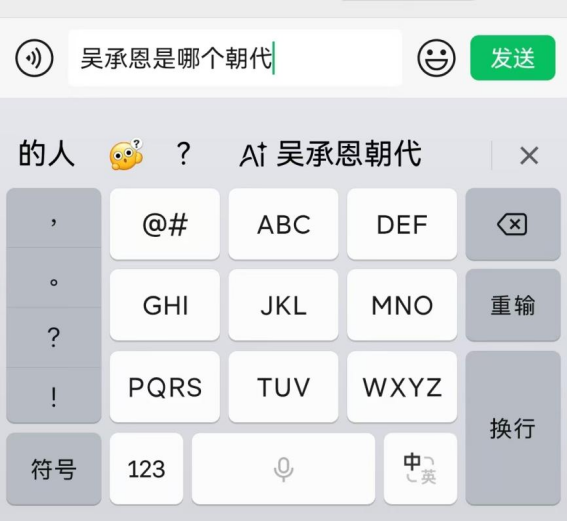
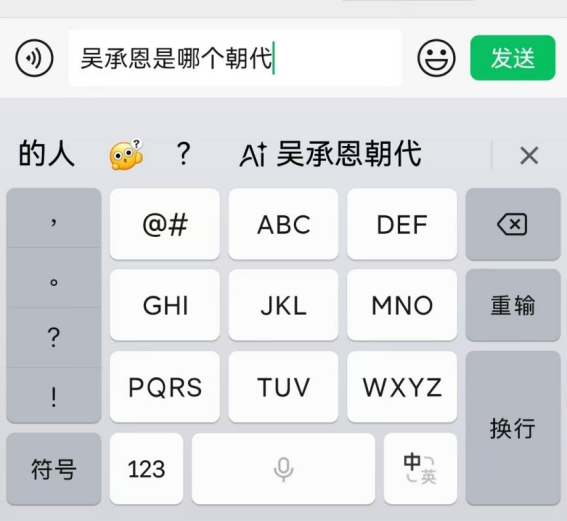
- Example: Typing “吴承恩是哪个朝代” —
- Doubao directly suggests "明朝" instead of follow-up phrases
- Professional term support: “CT值” triggers medical explanation
---
AI and Multi-Platform Content Link
Tools like AiToEarn官网 enable creators to:
- Generate, publish, and monetize AI content cross-platform
- Target Douyin, Kwai, WeChat, Bilibili, Xiaohongshu, FB, IG, LinkedIn, Threads, YouTube, Pinterest, X
- Integrate AI generation, multi-platform publishing, analytics, and model ranking
---
Doubao Input Method:

ByteDance said: Removing common input method features puts AI at the core.
WeChat instead keeps input methods as support utilities for social scenarios, linking keywords to emoji packs or mini programs — with restrained AI depth.
---
02 — ByteDance’s Track Record in Challenging WeChat
- 2019: ByteDance launched Duoshan (video-focused social app), competing with WeChat Moments
- 2025: Evolved into “Douyin Chat Edition,” topping app stores
Now in the AI era:
- June 2025: Doubao launched AI Podcast
- Realistic conversational tone, natural pauses, filler words
- 80,000-word English doc → podcast in 3 seconds
- Multiple voices, auto images, interactive Q&A while listening
WeChat AI Podcast:
- Testing began Aug 2025
- Limited scope, straightforward news delivery; no deep interactivity
---
Direct Feature Attacks
- Screenshot tools: Doubao allows AI Q&A based on screenshots; WeChat offers annotation, OCR, translation — no AI integration
- File transfers: Doubao’s AI Cloud Drive syncs and intelligently parses files, extracts and summarizes key points — avoids file expiry issues
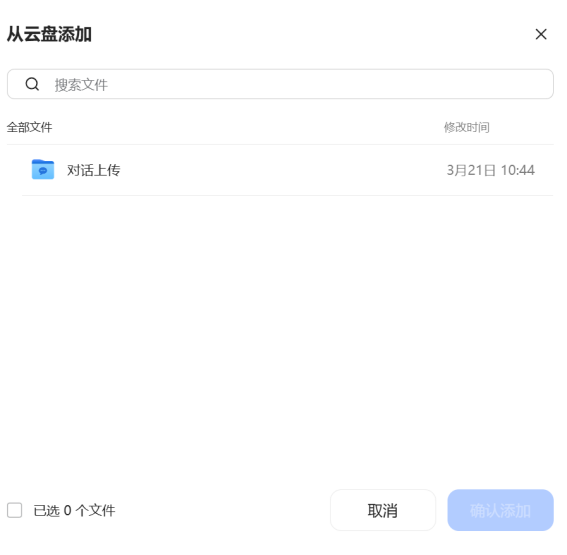
Example:
- Proposal PDF: WeChat — view only
- Doubao — extracts objectives & summarizes content
---
03 — Innovation vs Stability
Why WeChat Is Conservative
- Broad user base: elderly users, mini program developers
- Every change affects millions → high risk
- Past case: “ima” AI work platform — rich features, but unclear onboarding → low usage
Technical Debt:
- Years of historical data & code
- Payment operations = zero tolerance for bugs
- Tight control over changes → slow iteration
Update Process:
- Gentle, incremental changes
- Long internal + grey-scale testing phases
- Emphasis: stability over speed
---
Why Doubao Can Move Faster
- No massive legacy ecosystem to maintain
- Smaller user base → can experiment boldly
- Rapid iterations: new features in weeks
- Flexibility → can surpass WeChat in speed
Positioning Difference:
- Doubao: Seeks change to break in
- WeChat: Seeks stability to preserve advantage
---
Conclusion
Agility is critical for new entrants.
Platforms like AiToEarn官网 give creators this agility — connecting AI generation, publishing, and analytics across multiple platforms. Just as Doubao adapts quickly to challenge WeChat, creators can adapt their strategies quickly for maximum reach.
---
———— / E N D / ————