Duolingo Dialogues with Early-stage Founders: How to Build a Fun Product in the Age of AI
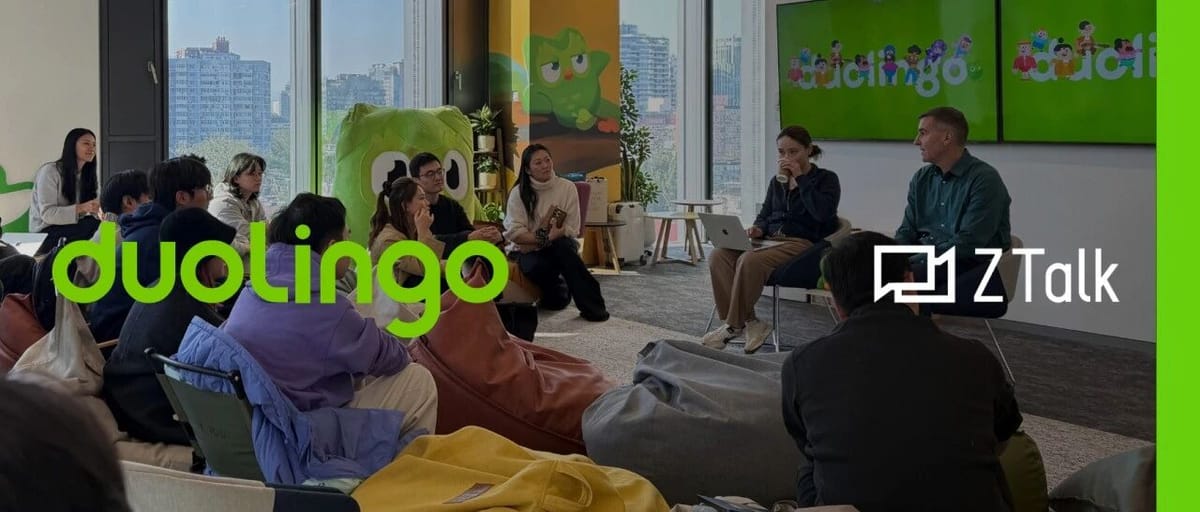
Because Quirky. Because Fun. Because Unique.
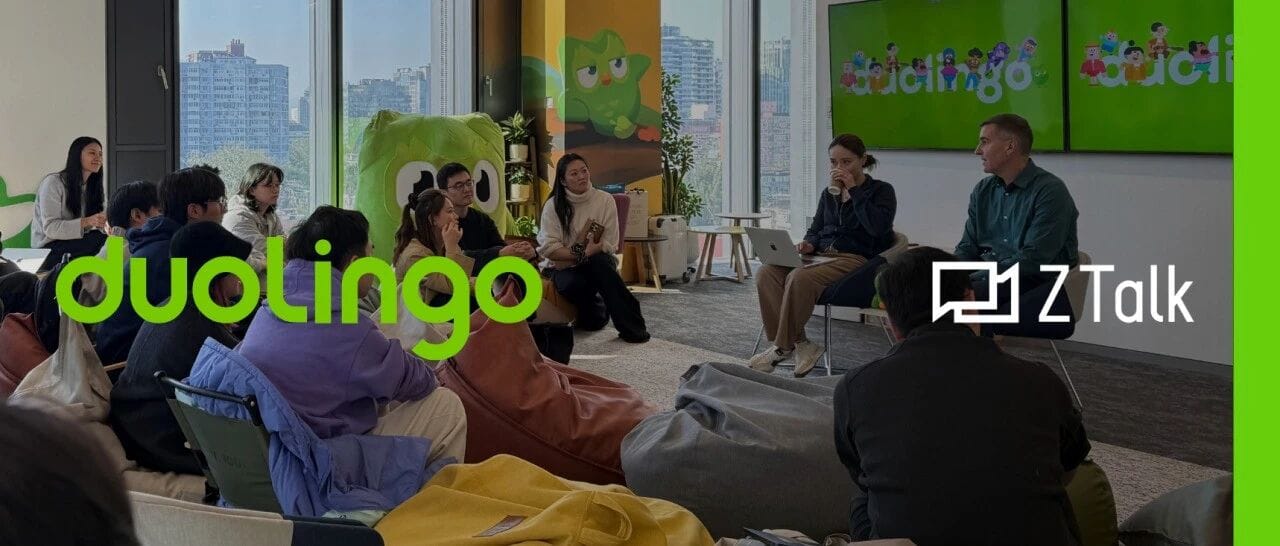
> Because quirky. Because fun. Because unique.
Duolingo, now valued at nearly $100 billion with over 100 million monthly active users, still sees 80% of its user growth from organic word of mouth—14 years after its founding.
Its secret? A distinctive quirky vibe that fuels engagement and retention.
---
The Origin Story
When Bob Meese joined as Chief Business Officer in 2016, Duolingo had zero revenue and a bold tagline: “Learn a language for free. Forever.”
It wasn’t marketing fluff—Luis von Ahn, Duolingo’s co‑founder & CEO, meant it literally.
- First 5 years: No income
- Mission: Enable 1 billion people to learn a language
- Origin: Academic research project from CMU
Even today, anyone can learn for free on Duolingo.
---
Brand Refresh & Personality
In 2019, Duolingo reinvented its brand:
While other tech companies opted for uniform, minimalist design, Duolingo gave its little green owl—Duo—story, emotions, and personality.
- Encourages & praises users
- Playfully nudges streak completion
- Uses humor to deepen engagement
Characters can become learning boosters when they have a playful, relatable soul.
---
Viral Moments & The Handbook
In 2025, the viral “owl died waiting too long” meme inspired The Duolingo Handbook—a breakdown of its brand DNA.
Key Principle: Take the Long View — think far, go further.
Duolingo’s founders advocate building genuinely good, fun products over chasing quick growth tactics.
---
Core Questions
- Why make education feel like a game?
- Why is the little green owl so beloved?
- Why does streak-keeping feel addictive?
- Why do both adults and children enjoy it?
> Because quirky. Because fun. Because unique.

---
Defining Duolingo
Bob Meese: Are we a learning app? An EdTech company?
> We position ourselves as a consumer education product, not traditional EdTech—allowing us to avoid institutional gatekeepers and scale like consumer internet businesses.
---
Simplicity at Scale
- Global consistency: Luis’s mantra—“Don’t fork the app”—means same core design worldwide.
- Team size vs. reach: ~900 employees serving 130 million monthly users.
- Key to leverage: Keep product simple.
---
Growth Philosophy
Duolingo’s approach aligns with creator and startup strategies that prioritize sustainable, lovable experiences.
For modern content creators, platforms like AiToEarn官网 offer open-source tools linking AI content generation, multi-platform publishing, analytics, and model ranking—helping creators distribute globally with efficiency.
---
Gamification Roots
Luis & Severin’s early insight: Their own prototype courses bored them.
Solution: Make learning fun through game design principles.
Key Elements
- Product managers and designers study game design literature
- Attend GDC annually
- Embrace “fun = pattern recognition”:
- Exercises present patterns
- Immediate feedback forms a challenge-response loop
Lesson Types
- Traditional: 2–3 minutes, ~17 questions
- Stories/DuoRadio: Narrative settings, lower intensity
---
Design Strategy
Yudi Sun: Start simple, iterate gradually, maintain pace for daily learning habits.
Kevin Yang: Internal culture shares plenty of game inspiration—often from studios like Habby.
---
Subject Expansion
Bob Meese: Chess succeeds by having a dominant lesson format—like languages.
Music lacks a core format, so the team focuses on finding the one before scaling.
---
The Iconic Owl
Yudi: Duo’s personality grew organically from user interpretations of notifications.
> Building character means observing how users perceive and engage with it—not forcing traits.
Internal principle: Be Quirky—add humor and eccentricity.
---
Subscription Philosophy
Bob Meese:
- Membership monetization without harming free access.
- Core free habit: 5–15 minutes daily learning, powered by streaks.
- Monetization team works separately from growth team to avoid tradeoffs.
- > Users feel like they’re “subscribing to a language” rather than “buying a product”.
---
AI Integration
Duolingo is among OpenAI’s top “trillion-token” customers.
AI Use Cases
- Productivity tools for engineers
- Course content generation—doubling volumes in 2–3 years
- Interactive real-time teaching features
AI aim: Not just cost reduction, but creating new learning experiences.
---
User Demographics
- UI feels childlike, but core design is for adults.
- Small children aren’t streak-motivated and can’t drive word-of-mouth growth.
- Disney-like appeal: spans all ages.
---
Global Design Balance
Duolingo’s design sits between:
- Minimalist consumer app aesthetics
- Exaggerated mobile game effects
Goal: Simple, usable, but with moments of delight.
---
Lessons from Duolingo Math
Standalone math app peaked at 70K DAU; integration into main app boosted growth.
Redesign focuses on topic-based exploration, breaking linear rules.
---
Organic Growth Tactics
Carrie Wang: Duolingo gets 80% of growth organically—focus on features worth sharing.
Example: Share Replay in Manus encouraged natural social sharing of cool moments.
---
Game Industry Insights
Stefan (Habby):
- Success from unique gameplay combos (Roguelike + Text Adventure + RPG Progression)
- Content must have clear purpose; remove low-value elements
- Cool = new + good
---
Sharing Driven by Fun
Sharing works when:
- Core experience feels unique and worth showing off
- Achievements themselves feel share-worthy
---
The Joy Principle
> At Duolingo, people make things because they genuinely find them fun—and users feel that joy.
Happiness is the glue that drives engagement, retention, and sharing.
---


---
Key Takeaways
- Be Quirky: Personality fuels engagement.
- Keep It Simple: Consistent design scales.
- Find the Core Format: Focus on refining one dominant structure before expanding.
- Prioritize Joy: Fun leads to retention and organic growth.
- Leverage AI: Enhance, don’t replace, the core learning experience.
- Make Sharing Natural: Users share authentic delight.
---
For AI-driven creators, AiToEarn官网 embodies these principles—providing tools to generate, publish, and monetize content across global platforms efficiently.
Whether building a learning app or a creative AI project, the blend of simplicity, personality, and joy can turn users into your strongest advocates.