Efficient Web Automation Assistant: Privacy-Preserving Multi-Agent AI Browser Extension | Open Source Daily No.788
🔍 Overview of Featured Open-Source Projects
This collection highlights multi-agent AI systems, automation frameworks, and specialized libraries that are shaping modern development workflows.
Projects range from browser automation to database querying, chatbot creation, protein design, and mobile app reverse engineering.
---
1. nanobrowser / nanobrowser
Stars: 10.7k License: Apache-2.0
nanobrowser is an open-source, Chrome-based, AI-powered web automation extension.
Key Features
- Multi-agent support: Enables collaboration between specialized AI agents for complex workflows.
- Custom LLM Keys: Works with user-provided API keys from providers like OpenAI, Anthropic, and Gemini.
- Privacy-focused: Runs locally in-browser; no credentials are uploaded to the cloud.
- Interactive Sidebar Chat: Track real-time task status and ask contextual follow-up questions.
- Cost-efficient automation: Automates repetitive tasks without subscriptions (pay only for API calls).
- Transparency & Compatibility: Fully open-source, optimized for Chrome and Edge.
---
2. disler / multi-agent-postgres-data-analytics
Stars: 854 License: MIT
Description
A learning-oriented tool to build multi-agent systems that interact with Postgres databases using natural language queries.
Highlights
- Query Postgres databases in natural language.
- Built on GPT-4 and the Assistance API.
- Supports reasoning and decision-making workflows.
- Multiple branches correspond to parts of a related video series.
- Acts as a learning resource rather than a fully-fledged framework.
---
3. antirez / botlib
Stars: 823 License: BSD-3-Clause
A C language framework for building Telegram bots.
Core Capabilities
- Implements a subset of the Telegram bot API with an event loop.
- High-level wrappers for SQLite3, JSON, and dynamic strings (SDS).
- Multithreaded request handling with simplified threading model.
- Ideal for CPU-intensive tasks like financial market analysis.
- Lightweight dependencies: libcurl and libsqlite3.
---
4. generatebio / chroma
Stars: 770 License: Apache-2.0
Overview
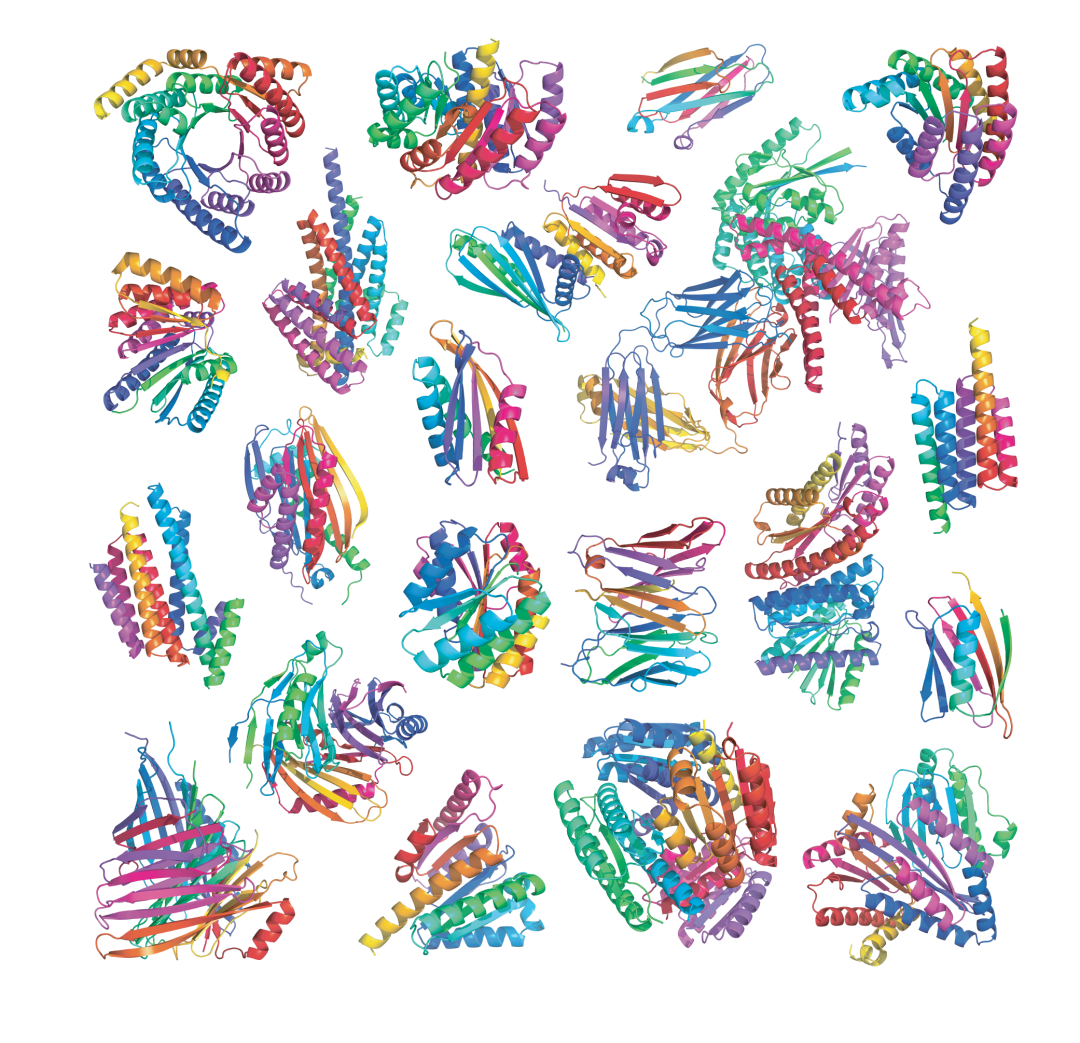
Chroma is a generative model for programmable protein design.
Notable Features
- Generates diverse, full-atom protein structures using building blocks.
- Tasks supported: sequence generation, side-chain packing, design scoring.
- Multiple constraint types with custom modulator support.
- Uses diffusion models, equivariant graph neural networks, and conditional random fields.
- Generates large complexes rapidly on standard GPUs.
---
5. anasfik / flutter-spy
Stars: 606 License: MIT

Purpose
A Bash CLI tool for extracting data and insights from reverse-engineered Flutter apps.
Key Benefits
- Data Extraction: API endpoints, URLs, emails, packages, phone numbers, and more.
- Comprehensive Report Export: Generates a folder with all findings.
- Zero prerequisite knowledge: Works on any built Flutter app without Dart expertise.
- Platform focus: Primarily for Android APKs, but adaptable elsewhere.
---
🌐 Unified AI Content Creation & Distribution
For creators aiming to monetize AI creativity across multiple platforms, tools like AiToEarn complement these innovations.
They integrate:
- AI model generation
- Cross-platform publishing
- Analytics and monetization tools
Publish seamlessly to:
> Douyin, Kwai, WeChat, Bilibili, Rednote, Facebook, Instagram, LinkedIn, Threads, YouTube, Pinterest, X (Twitter)
Explore:
---
✨ Takeaway
These projects underscore the rise of accessible, privacy-friendly, transparent, and highly specialized tools in AI, automation, bioinformatics, and reverse engineering. By leveraging them in conjunction with AI content distribution ecosystems like AiToEarn, developers and researchers can accelerate creativity, expand reach, and monetize innovations more efficiently.