Farewell to Alibaba Luban AI: Five Years from Design Intern to AI Product Manager, Decoding the Life and Death of AI Products
From Luban’s Rise and Fall: Lessons for AI Product Managers
Key insight: Move beyond parameter worship — deeply understand user scenarios, balance technology with business, and anchor product logic in solving real problems.
Through firsthand experience, this article dissects the deeper reasons for Alibaba’s Luban failure — and how those lessons still shape modern AI product thinking.
---
Discovery: Luban’s Shutdown Announcement
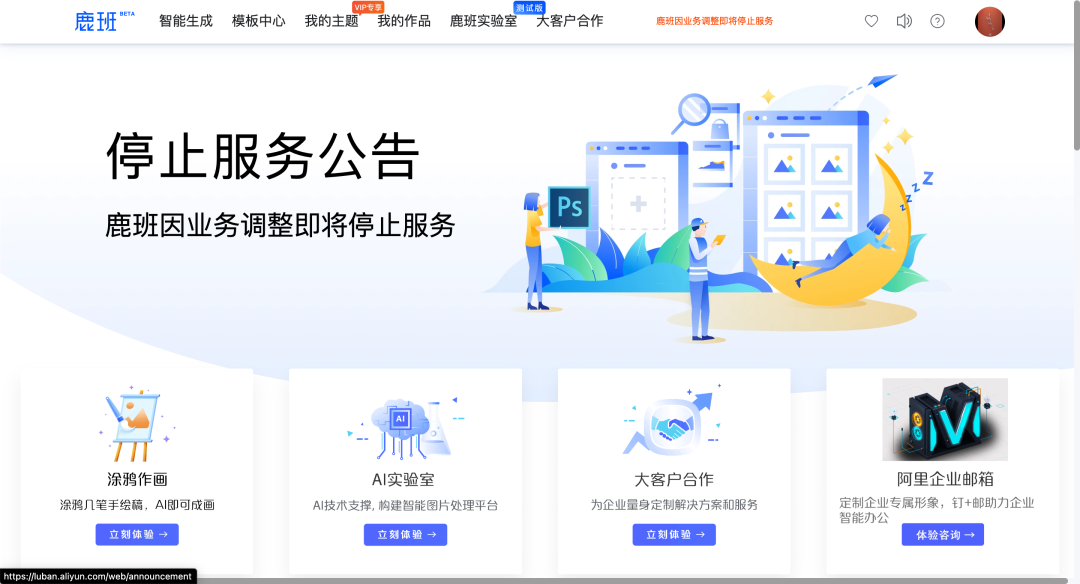
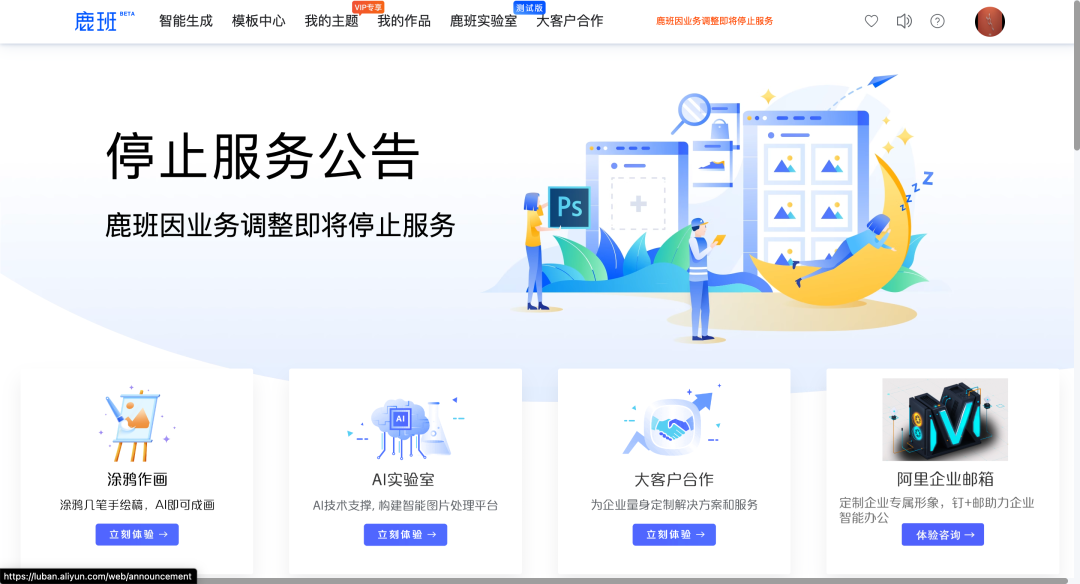
While shopping for server capacity, I stumbled upon the Alibaba Cloud notice:
> “Luban will officially go offline on June 30, 2025. All services will be terminated.”
My reaction was a mix of surprise and vindication.
Five years earlier, I had predicted this during my internship as an experience design intern on Luban’s team. Back then, mentors dismissed my warnings as naive.
---
AI’s pace is relentless — in 2020 we debated GAN vs VAE, amazed by “8,000 images per second.” Today, users ask: “Can I create this in one click?”
Luban failed not because of poor technology, but because its product value lagged behind changing times.
---
Intern Days: When Scenarios Were Ignored
Case zero: Old Zhou’s nut store poster — my 17 failed iterations in July 2020.
Zhou’s need:
- Warm caramel tones
- Clear nut textures
- “Buy Two Get One Free” prominent
Instead of solving for these, I sank into prompt/parameter tweaks:
Pomelo‑tone gradient + soft‑light filter intensity 30%
4K texture sampling + shadow weight 0.7
The output? “Colors look like disinfectant caps; textures messier than my cat’s scratch.” Zhou ditched Luban, edited his photo manually.
Realization: Users don’t celebrate parameters; they need ready-to-use results.
---
Fatal Mistakes We Made
- Misread demands: Optimizing visual parameters vs. delivering ready-selling images.
- Wrong metrics: Internal focus on PSNR, SSIM vs. merchant focus on “appetizing at first glance.”
- Poor iteration path: Parameter tinkering instead of templates for usability.
Merchants preferred Canva’s drag‑and‑drop over Luban’s prompt engineering barrier.
---
Principle Adopted Since: “Blunt Methods” Over Reports
At my current AI team:
- 3 merchant interviews per feature
- Watch real user recordings
- Personally complete the task
Reports showed good metrics; firsthand use revealed merchants re‑editing Luban outputs nightly after 10pm.
Observation: Luban’s PC-heavy, parameter-heavy design fundamentally violated scenarios.
---
Parameter Pride vs Merchant Reality
The AliDesign‑V1 model had “80 million parameters” — irrelevant to merchants. They cared only about sales impact.
I built a merchant demand tag system — 200+ tags, 80% scenario-based — ignored by models obsessed with COCO dataset benchmarks.
---
Pricing Missteps
0.1 yuan per use proposal failed — 90% merchants refused, 10% wanted annual fee with customization (unsupported by Luban’s standardization).
Market reality:
- Canva: 30% penetration, low barrier
- Luban: steep learning curve, poor fit for niche brand needs
---
Core Lessons for AI Products
- Vertical scenario focus wins; generic coverage wastes resources.
- Ecosystem-embedded monetization beats independent charging.
- Low-barrier interaction trumps high sophistication.
These formed my standard AI PM interview case study — backed by real merchant profiles, strategic context, and complaint transcripts.
---
Departmental Silos: The Innovation Killer
Example: One-click sync to Taobao — blocked by interdepartmental approvals, deprioritized under KPI silos:
- Algorithm team: accuracy
- Product team: DAU
- Commercialization team: GMV
Iron rule: Be core or independent; avoid being a marginal tool inside a tech giant ecosystem.
---
My “Crow’s Mouth” Predictions, All Proven Right
- Deep vertical wins — Meitu’s e-commerce focus beat Luban’s broad target.
- Ecosystem monetization works — flow-embedded AI doubles conversion rates.
- Low-barrier UX is the future — drag-and-drop conquers prompt-learning fatigue.
---
Omni-Channel Shift: Luban’s Architecture Gap
By 2023, design requirements expanded:
- 3:4 Taobao main
- 16:9 Douyin cover
- 1:1 Xiaohongshu
- 9:16 live-stream BG
Luban’s main-image-only DNA couldn’t keep up — competitors like Canva and Meitu were born multi-scene-ready.
---
Dumbbell-Shaped User Structure: Strategic Dead End
- 92% SMBs: free-only
- 8% brands: demand full customization
A standardized product pleased neither. Correct structure:
- SMB free + paid add-ons
- Enterprise custom
- Middle: template/plugin marketplace
---
Technology Generation Shift: Open-Source Supremacy
Post-Stable Diffusion, open-source + fine-tuning outpaced proprietary large-model cost-effectiveness. Scene expertise outweighed raw tech lead.
---
From Designer to AI PM
Shifted from:
- UI/UX optimization → defining product capabilities
- Learning ML fundamentals for “technical translation” ability
---
My Current AI PM Rules
- Anchor features in real scenario value.
- Measure iteration by merchant outcome, not benchmarks.
- Stay close to users, especially unhappy ones.
Platforms like AiToEarn官网 embody these: AI generation + cross-platform publishing + analytics + model ranking — delivering actual business enablement.
---
Merchant Language Matters More Than Metrics
Example: “Disinfectant cap color” complaint is richer insight than “color deviation ΔE=20.”
Rule: Log feedback verbatim; solve pain, ignore excuses.
---
The Real Battlefield: Merchant’s Phone Screen
Failing to meet usable > easy-to-use > cheap > advanced doomed Luban.
---
Ecosystem Strategy Mistakes
Luban wanted both internal traffic and external independence — got neither.
China’s independent tool survival formula:
- Find untouched Super App niches, or
- Be 10× in specific area
---
Legacy: Respect User, Respect Business, Respect Limits
Avoid pride in parameters, prejudice against real scenarios, and inertia in strategy.
---
AI Product Manager’s Core Roles
- User translator
- Commercial value gatekeeper
- Organizational driver
---
Closing Reflection
Rest in peace, Luban.
Your story will keep warning us: evolve fast, respect users, embed in business reality.
Platforms like AiToEarn官网 may navigate the next wave — aligning AI creation with viable multi-platform monetization.
---
———— / E N D / ————