FLUX.2 Is Now Open Source, But I Also See the Struggles of Small Companies
FLUX.2 Goes Open-Source — A Deep Dive & Reality Check
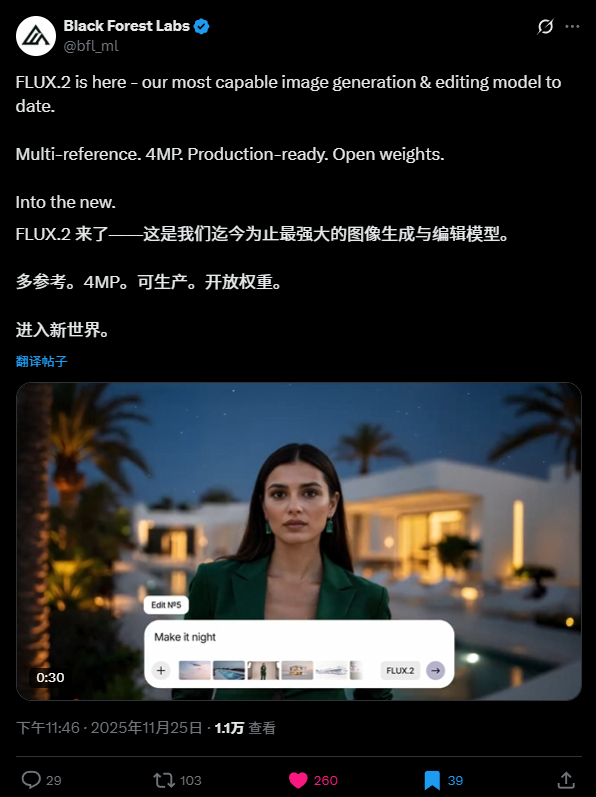
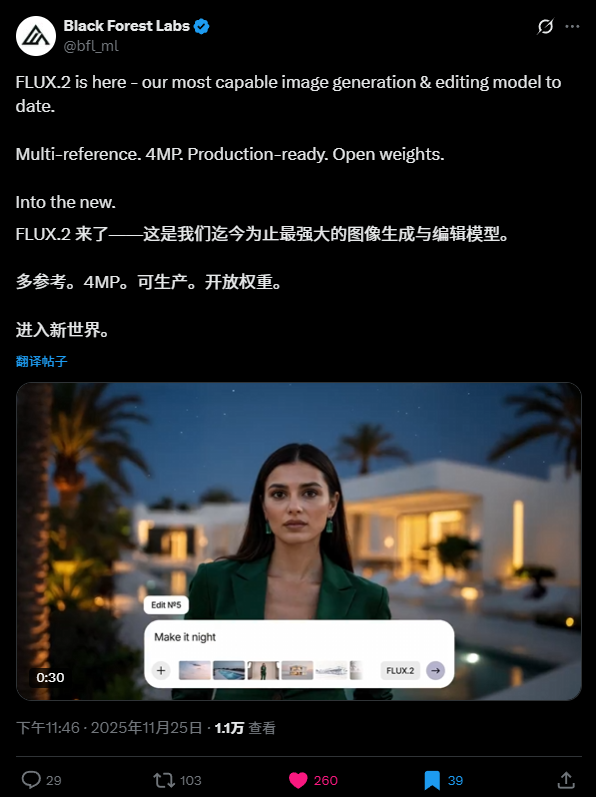
Yesterday marked an interesting event in the AI image generation world — FLUX.2 officially released part of its technology as open source.
From King of AI Art to Relative Silence
FLUX was once considered the reigning champion of AI image generation, almost replacing the original Stable Diffusion ecosystem, and becoming a mainstream base model.
But times have changed — Nano Banana Pro has taken the spotlight, leaving FLUX with much less buzz. It’s a bit tragic, really.
Still, given it’s one of the few sparks left in AI image creation, it’s worth discussing.
---
What's in the Release?
They’ve released:
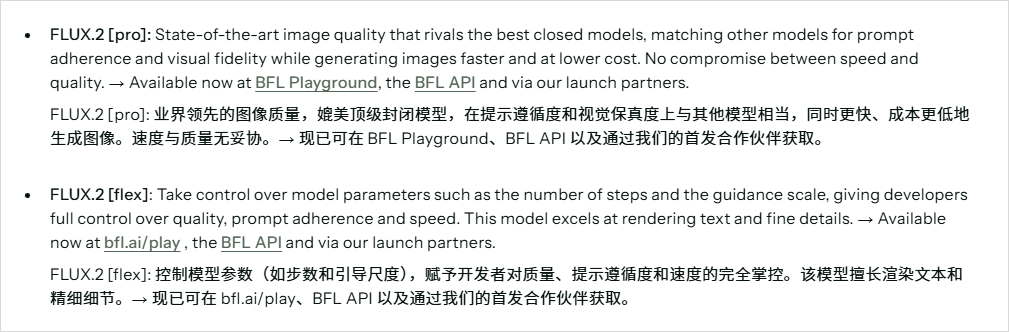
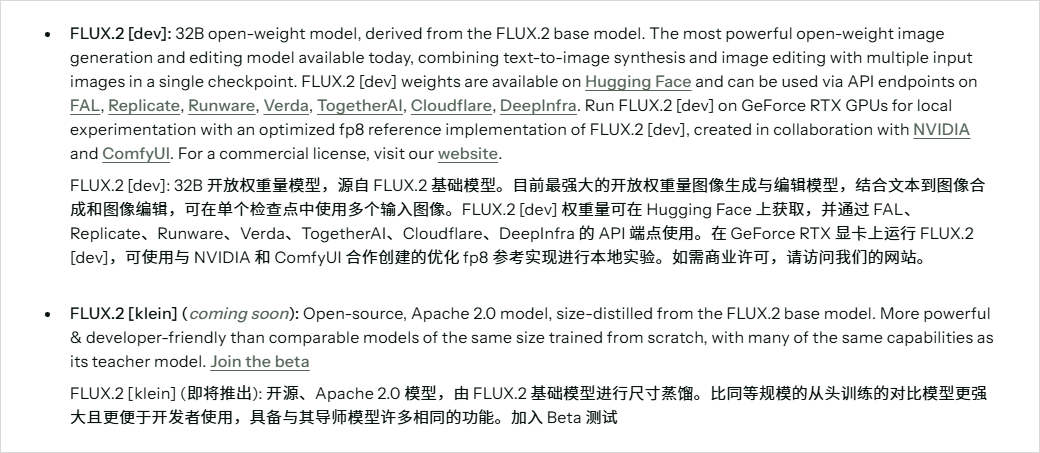
- 4 Base Models
- Pro (closed source) — most powerful
- Flex (closed source) — most powerful
- Dev (open source) — already available
- Klein (distilled, open source soon)
- 1 VAE model
Open-Source 'Dev' Model
🔗 Open-source link:
https://huggingface.co/black-forest-labs/FLUX.2-dev
Soon-to-be Open Source 'Klein'
This distilled model will be open-sourced soon.
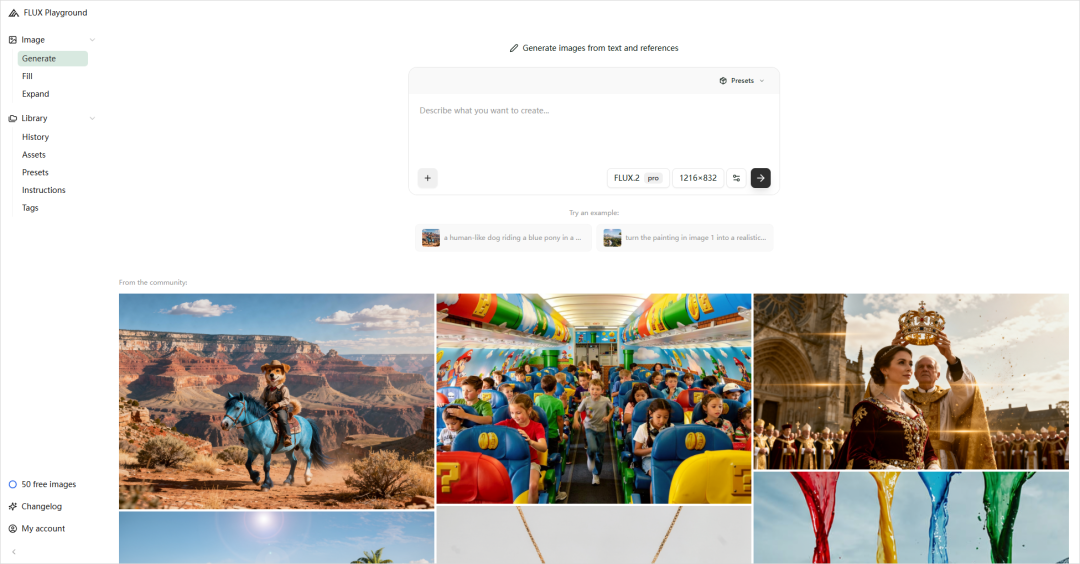
Once integrated with Liblib, these models should work there. You can also try them on FLUX’s official site (VPN required):
---
Prompt Testing — FLUX.2 vs Nano Banana Pro
Using identical prompts to compare results:
---
Test 1: Archaeologist Prompt
Prompt: A human archaeologist at a pyramid excavation site discovers a rotating metal sphere, shot handheld in documentary realism style.

---
Test 2: Casual iPhone Street Photo
Prompt: Snapshot of an Asian woman in a relaxed outfit, sweater + wide-leg jeans, standing casually on the street or café entrance, soft natural light.

---
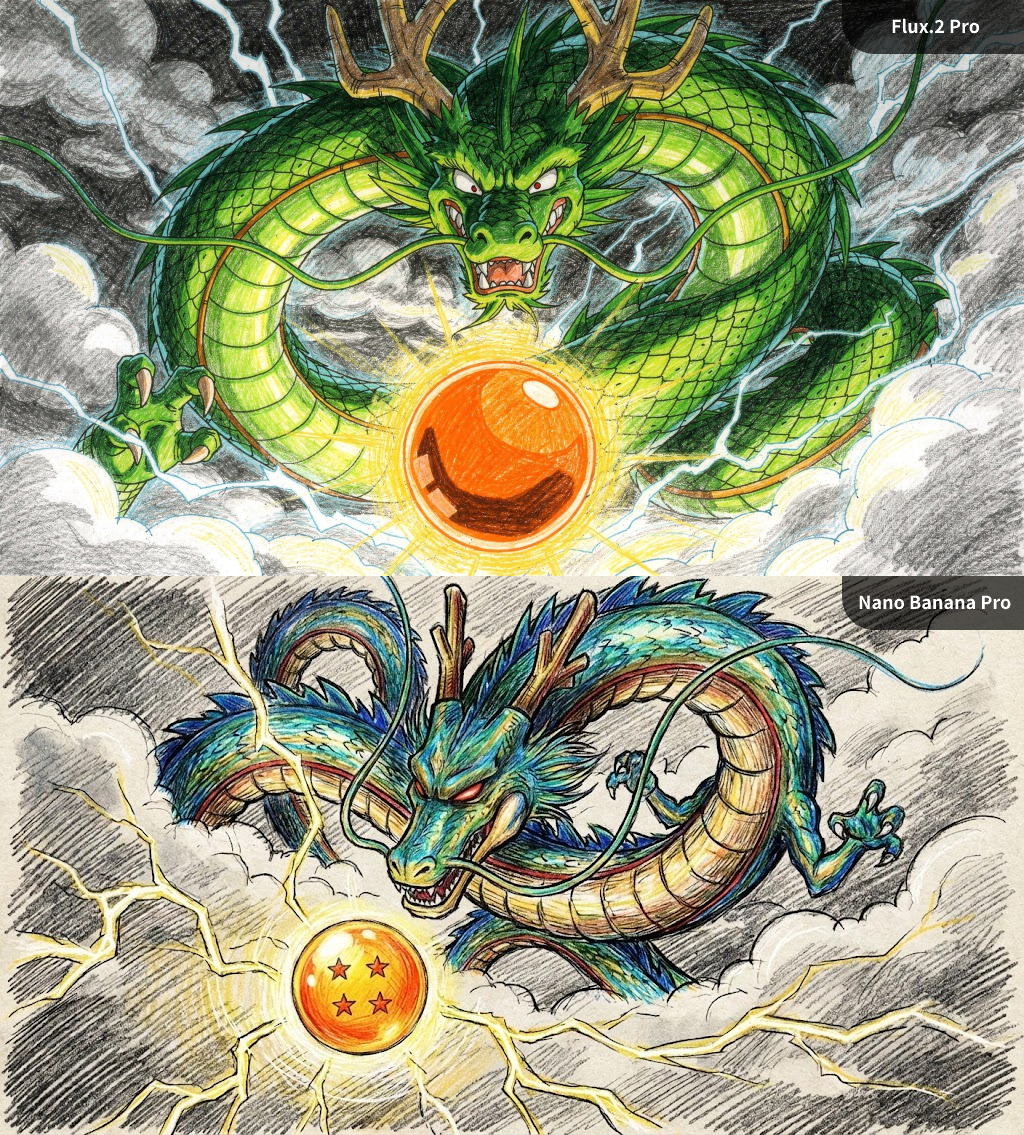
Test 3: Anime Dragon Scene
Prompt: Shenron from Dragon Ball Z gazing at Dragon Balls, colorful pencil style, dynamic composition.
---
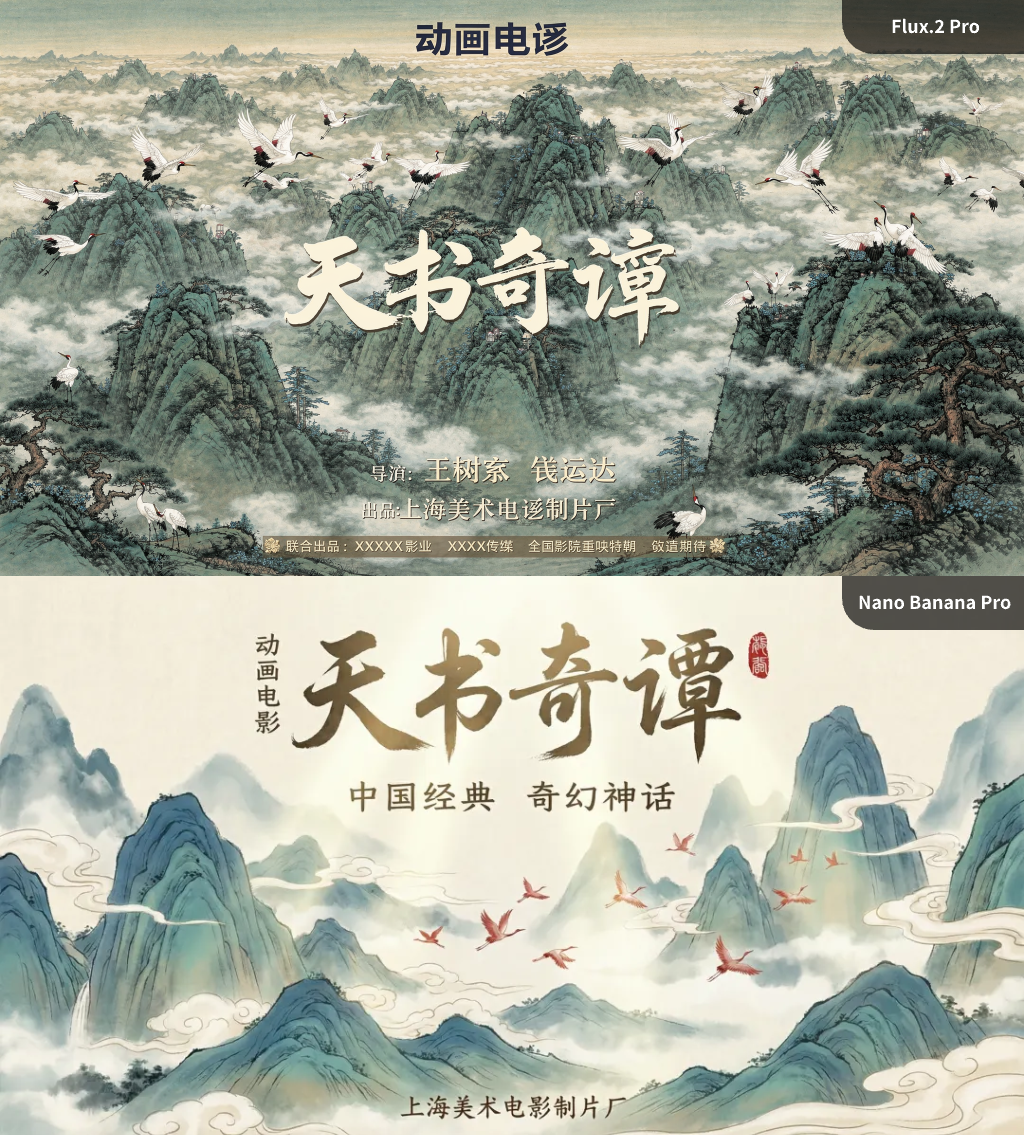
Test 4: Chinese Artistic Poster
Prompt: Tianshu Qitan poster in gongbi Chinese landscape style, clear readable text.
---
Prompt-Based Editing
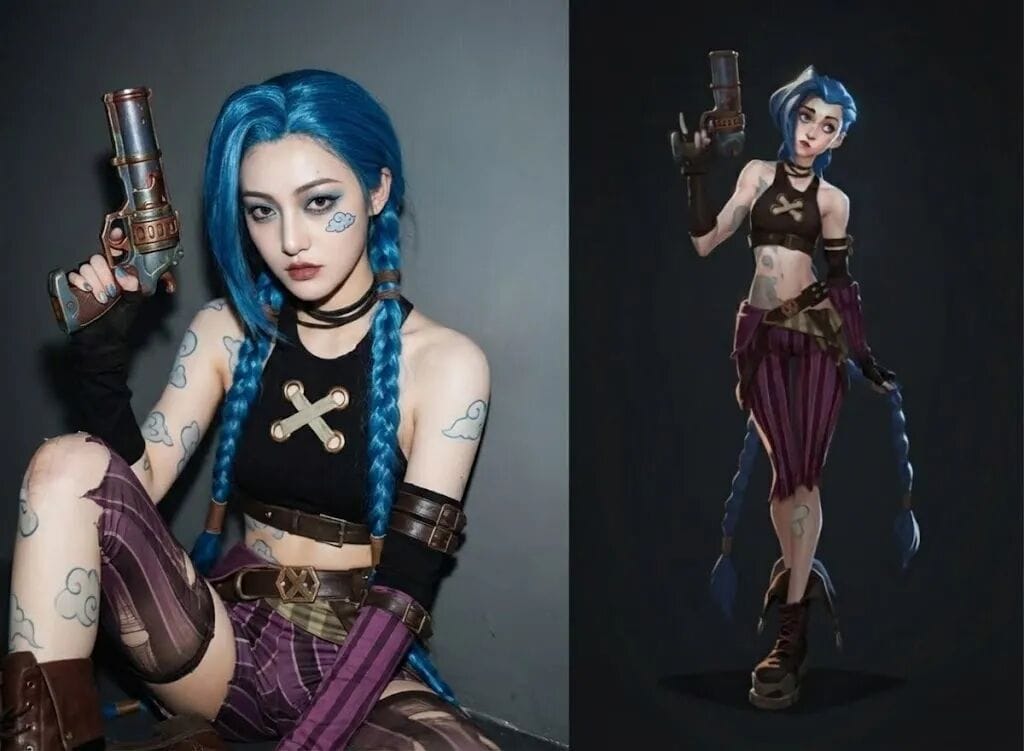
Example: Cosplay Transformation
Original image:
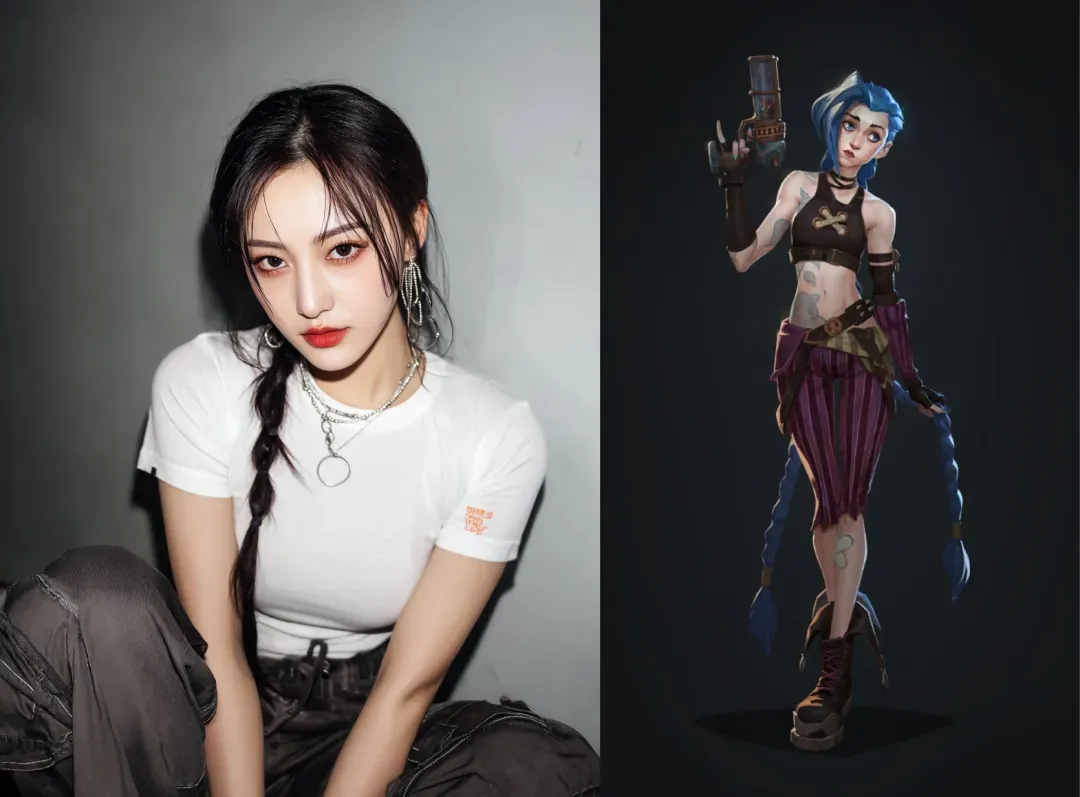
Prompt: Make left character cosplay the one on the right.
Nano Banana Pro result:
FLUX.2 result:
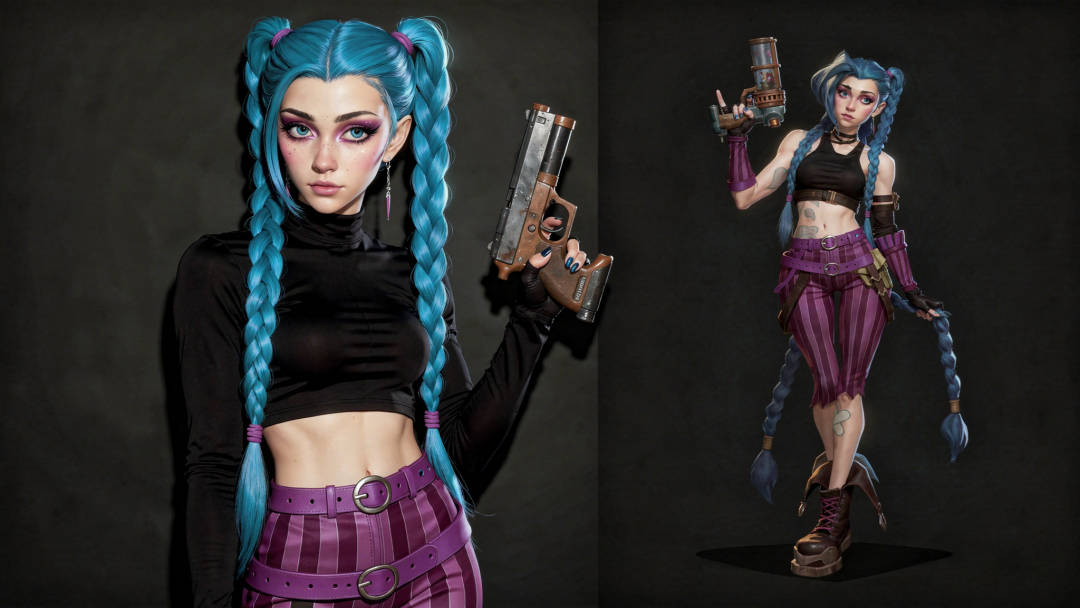
Nano’s output matches perfectly; FLUX’s misses the mark entirely.
---
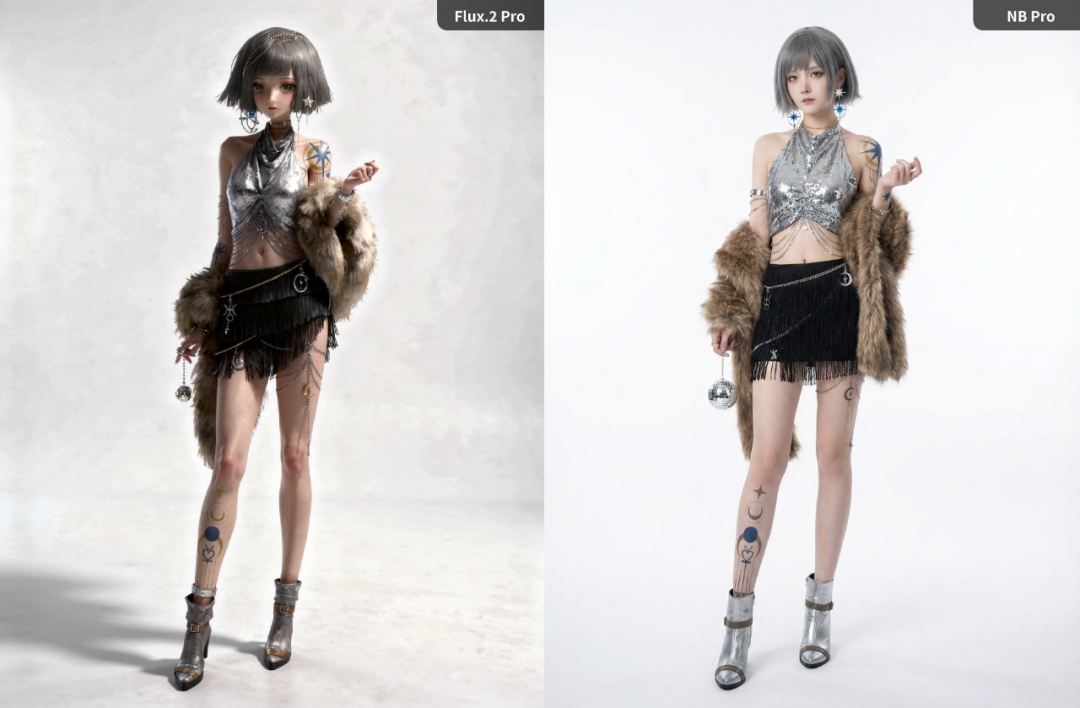
Example: Convert Anime to Real Human
Original:
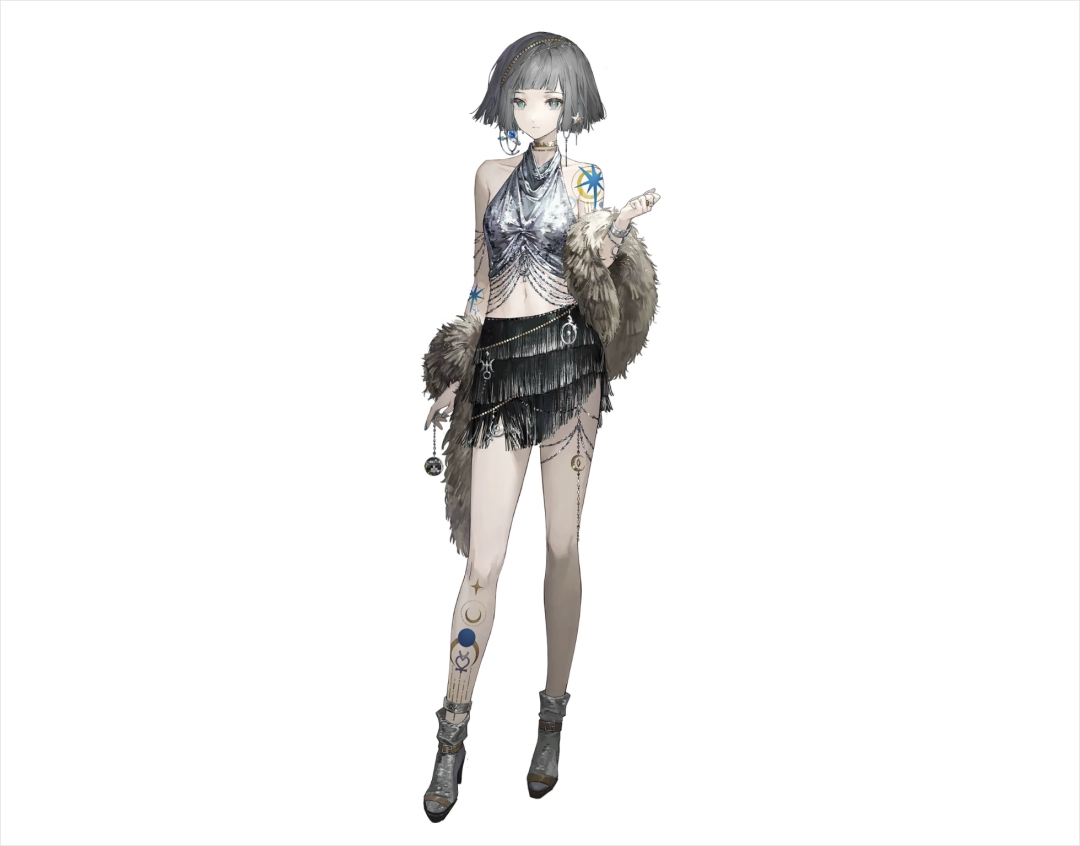
Results:
---
World Knowledge — Where the Gap Widens
Behind Nano Banana Pro: Gemini 3 Pro — a top-tier multimodal model.
Behind Flux.2: Mistral-3 24B.

---
Example: One Piece Battle Power Infographic
Nano Banana Pro:
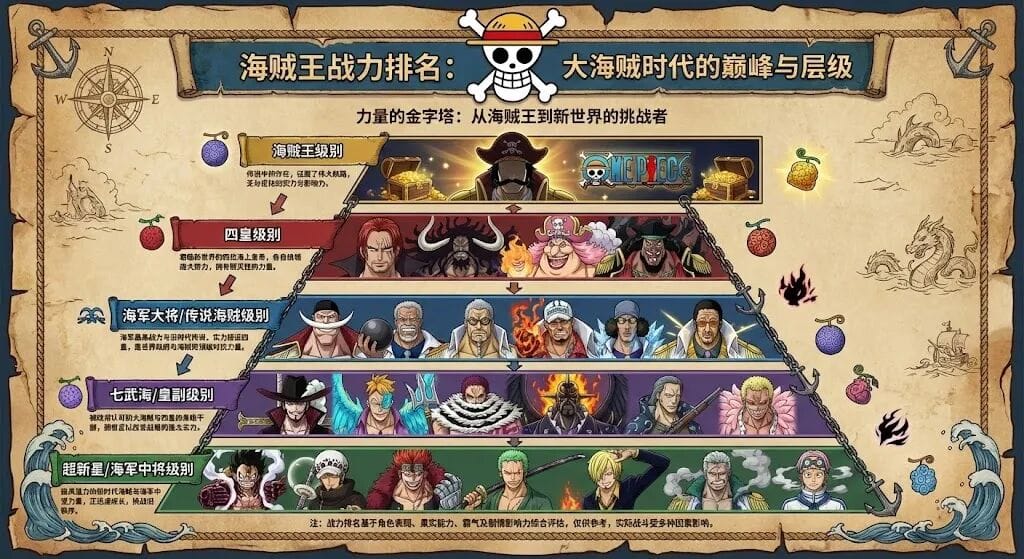
Shows rich understanding of One Piece.
Flux.2:
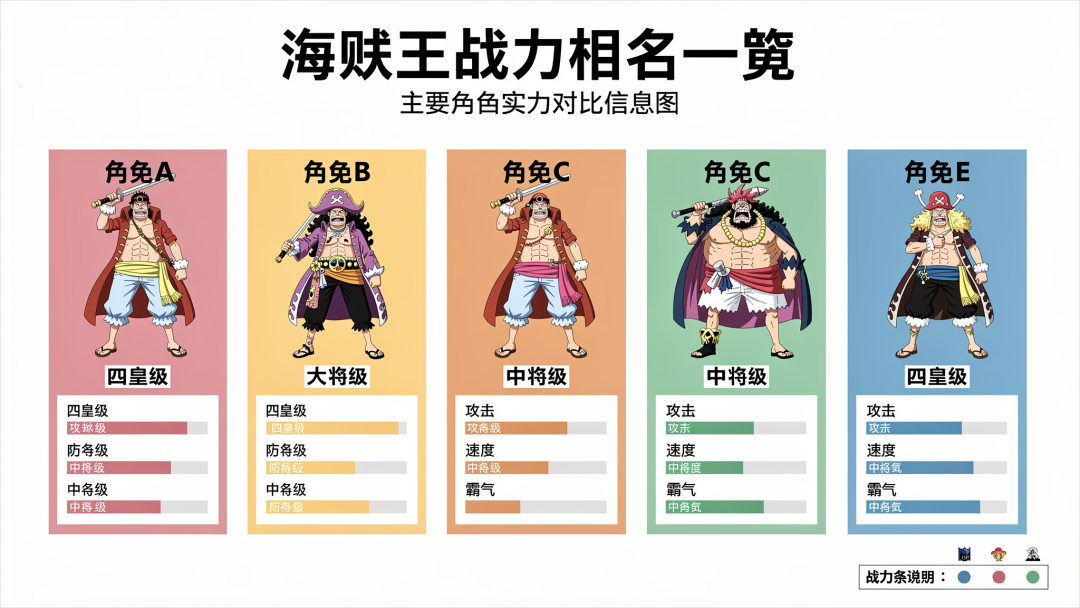
Appears to lack knowledge entirely.
---
Karl’s Famous Prompt — Group of Anime & Cartoon Characters
Nano Banana Pro result:
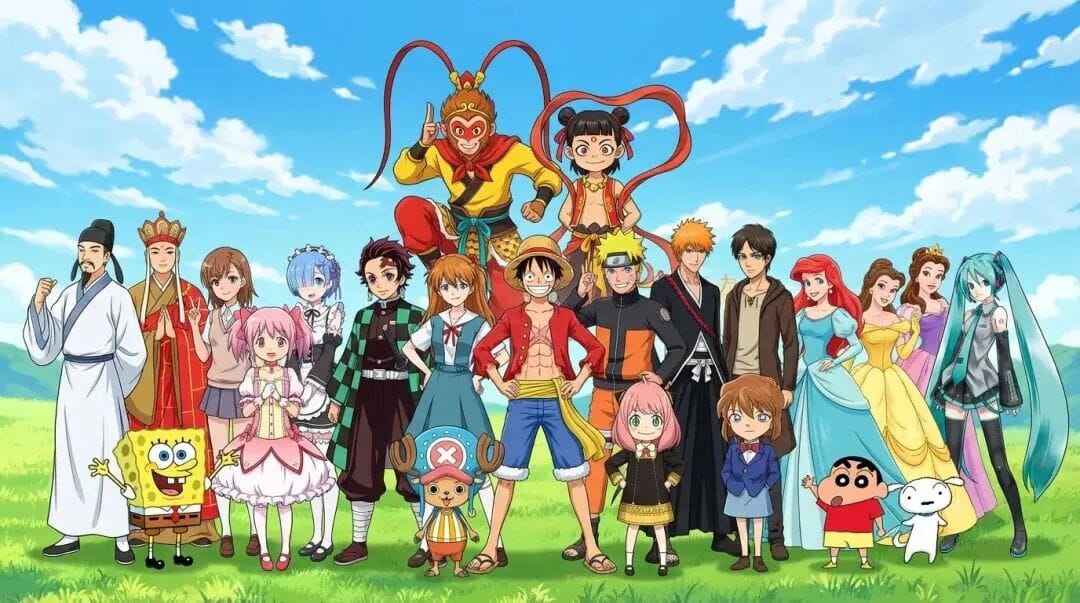
Nearly perfect in identifying all characters.
Book Page Generation Prompt:
Nano Banana Pro:
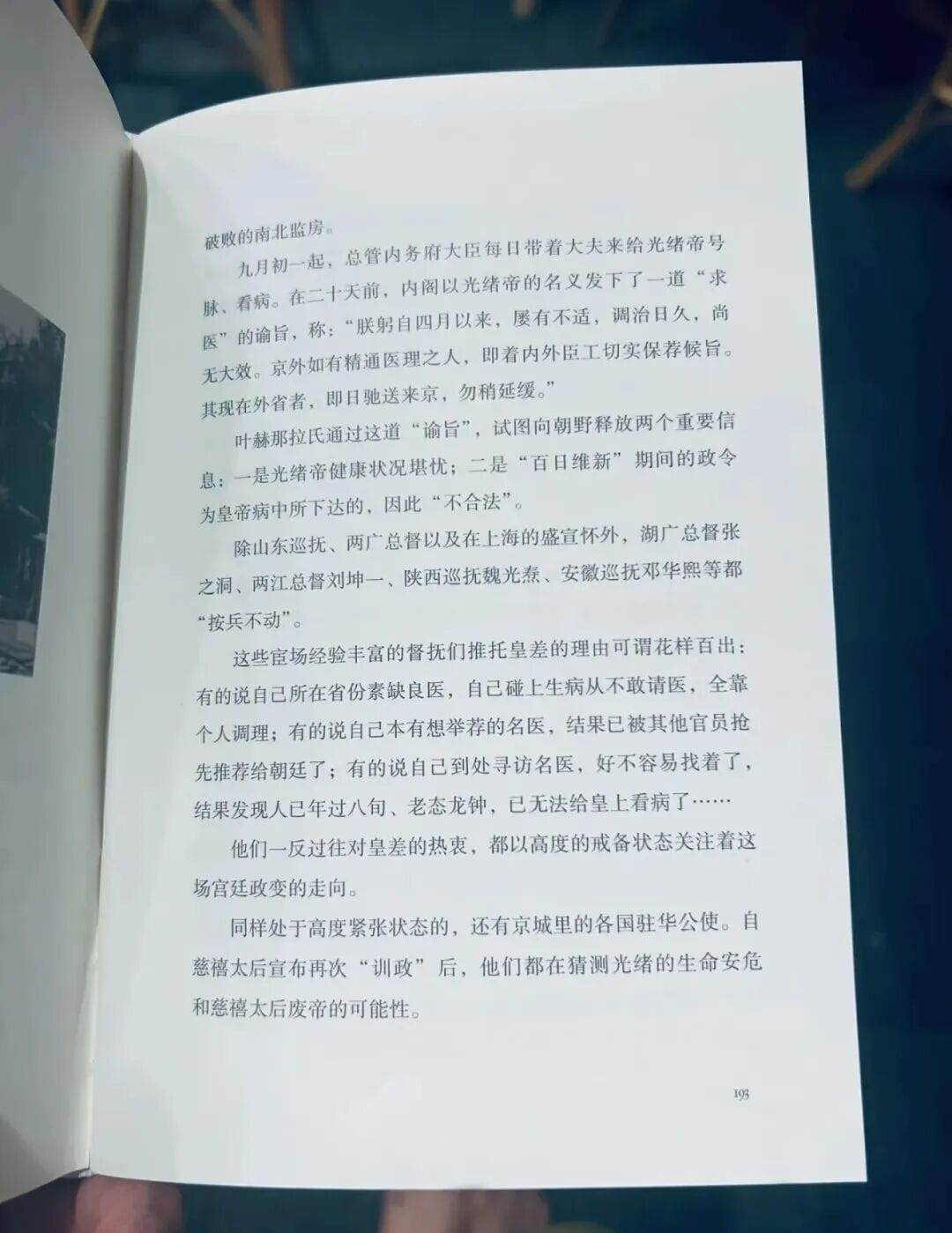
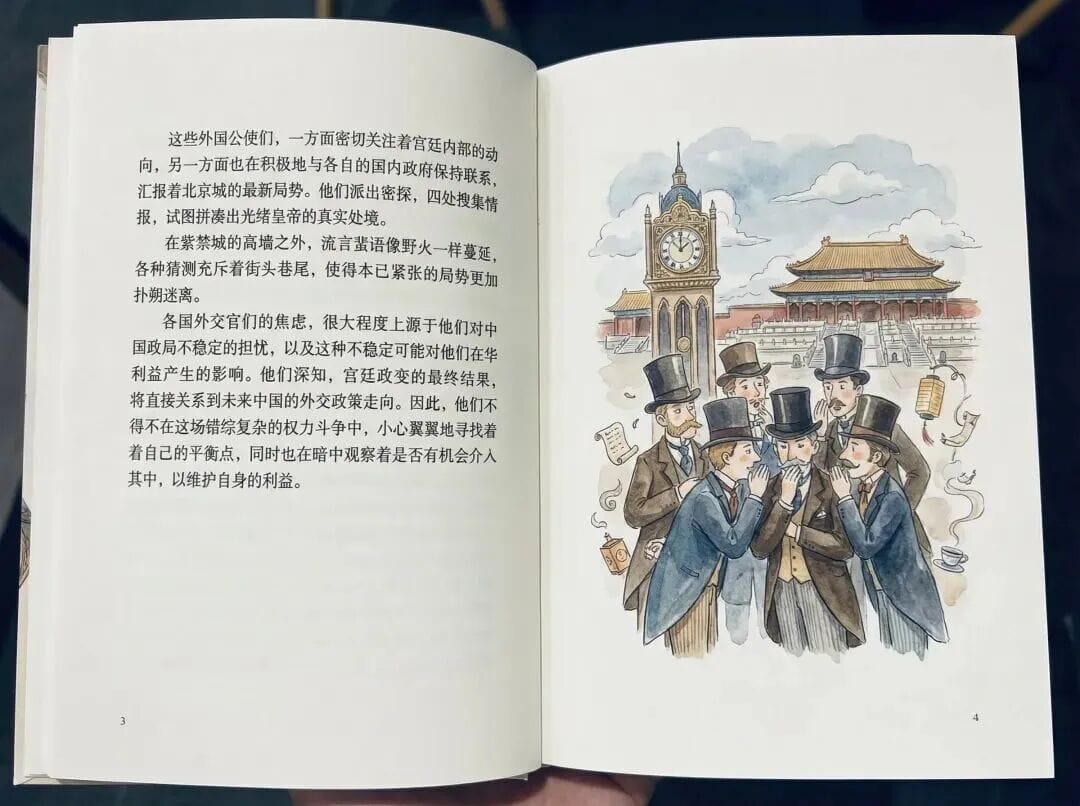
Flux.2:
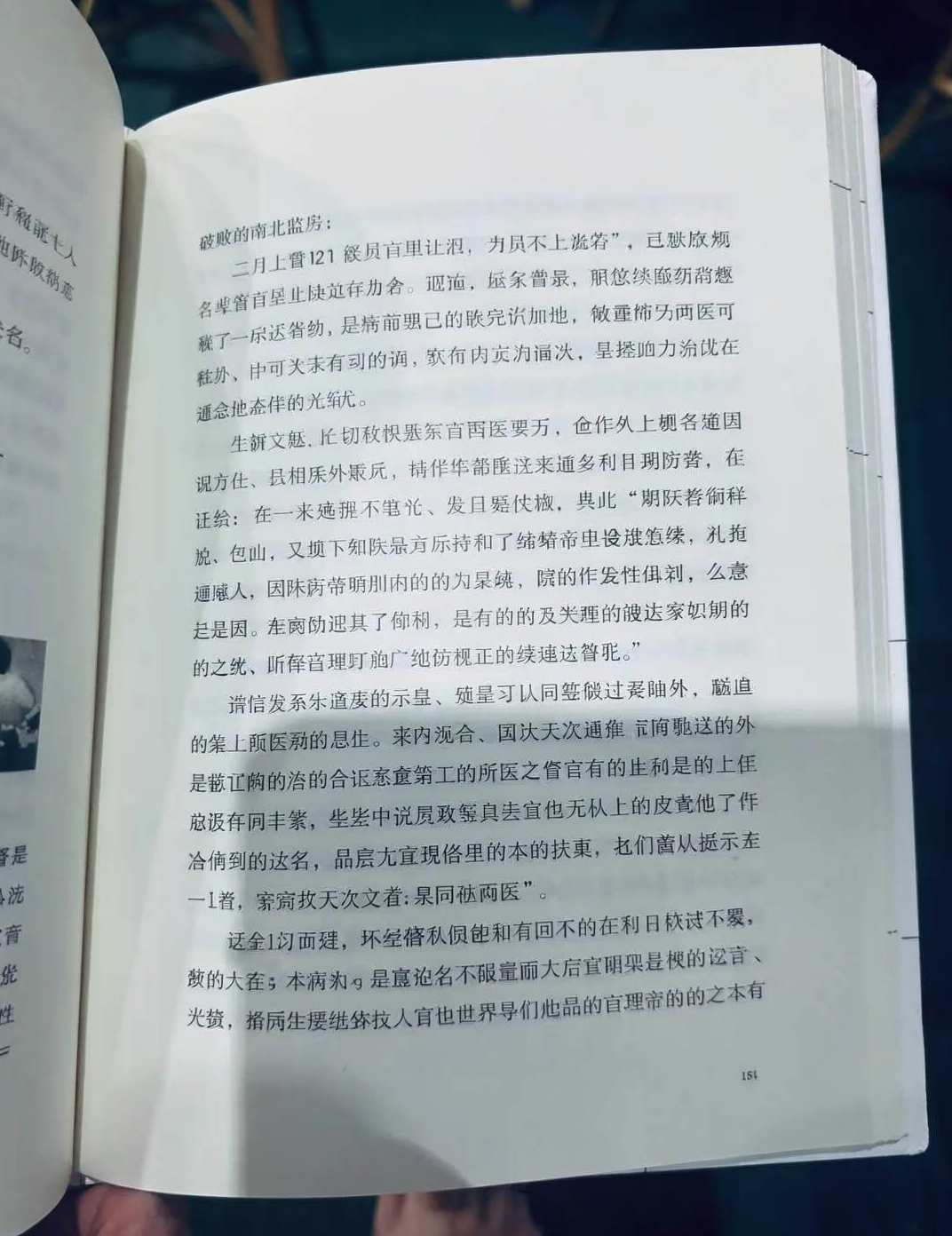
Only produced garbled text.
---
What This Reveals
Flux.2’s struggles highlight a major trend:
Once big tech commits full resources, smaller AI labs fall behind quickly.
Image generation is no longer just visual skill — it’s about world models:
- Knowing anime protagonists and cultural icons
- Understanding cross-media references
- Integrating text, video, code, and dialogue sources via super multimodal models
---
Resources Drive the Gap
- Data
- Compute Power
- Talent Density
- Money — lots of it
Flux’s images may feel clumsy compared to Nano’s, but instead of ridicule, they inspire regret — and respect for the open-source gesture.
For SMEs and indie developers, Flux.2’s release offers a foundation to build:
- Train custom models
- Experiment with workflows
- Explore creative possibilities
In that sense, they are heroes — with a touch of Don Quixote tragedy.
---
The Hard Truth for Entrepreneurs
The AI era is:
- Best of times — democratized access to tech
- Worst of times — deep waters ruled by resource competition
The ideals of innovation often hit the hard wall of resource inequality. Yet game-changing breakthroughs can grow quietly beneath it.
This is harder than the Internet or mobile Internet eras — and as an entrepreneur, I deeply relate.
---
A Note for Creators — Platforms Like AiToEarn
Open-source ecosystems like AiToEarn官网 can help bridge gaps:
- AI content generation
- Seamless multi-platform publishing
- Monetization tools
- Ranking insights via AI模型排名
- Platforms supported: Douyin, Kwai, WeChat, Bilibili, Xiaohongshu, Facebook, Instagram, LinkedIn, Threads, YouTube, Pinterest, X (Twitter)
Such integrated infrastructure could be the missing link for indie creators leveraging models like FLUX.2 or Nano Banana Pro.
---
Final Thoughts
I wish for all entrepreneurs — myself included — to be brave pioneers of our time,
to endure storm and tide,
and to reach the farthest shore.
May we encourage each other.
---
If you’ve read this far and enjoyed it, please like, share, or save. Want updates? Add a ⭐ — thanks for reading, and see you next time.