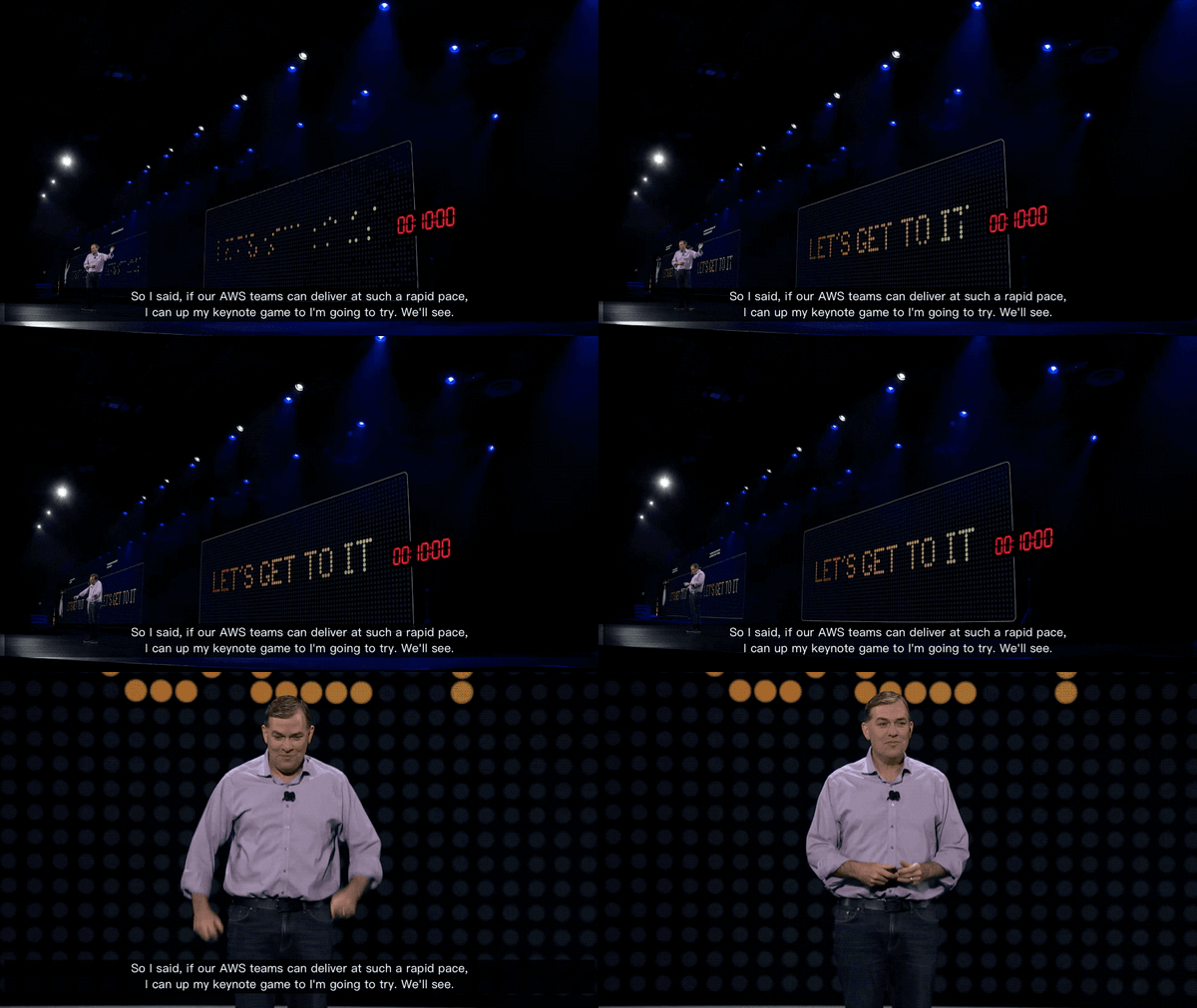
Former Boston Dynamics CTO Joins DeepMind, Gemini Aims to Be the Android of Robotics

Google Pushes Robotics Advantage with Gemini 3
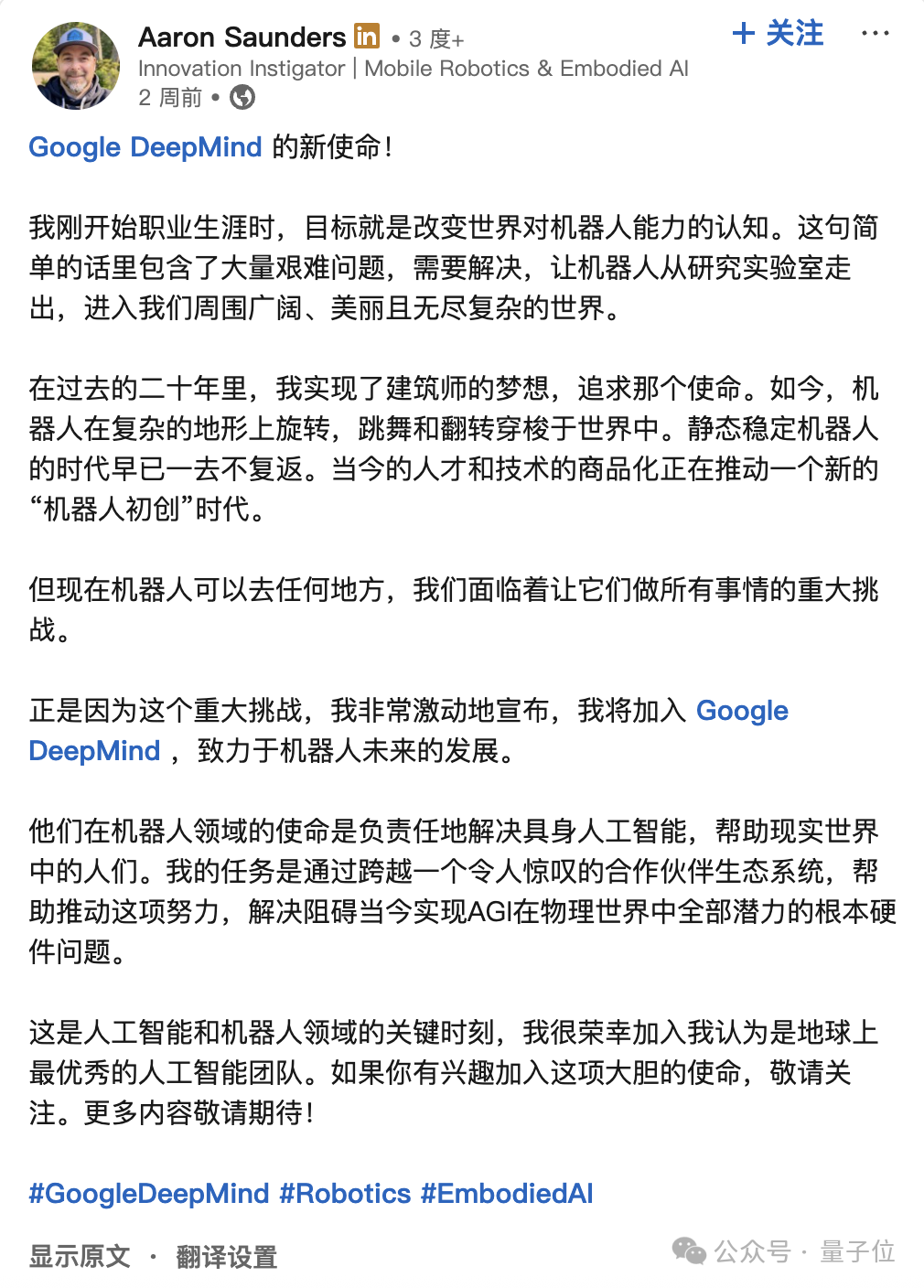
After the sweeping success of Gemini 3, Google has made another heavyweight move — hiring Aaron Saunders, former CTO of Boston Dynamics and the mind behind advanced legged robots like Atlas, capable of backflips and choreography.
Saunders will now serve as Vice President of Hardware Engineering at DeepMind, leading hardware integration efforts that aim to fuse AI with next-generation robotics.

---
From Software Brains to Hardware Integration
With Gemini 3 making headlines, DeepMind CEO Demis Hassabis has strengthened the team by bringing in a hardware veteran — signaling an ambition to make Gemini the "Android of the robotics world."
If Google’s past year's robotics approach could be described as curious but cautious, the release of Gemini 3 marks a decisive shift:
> We want to build an AI system — Gemini at its core — that’s almost plug-and-play for any body configuration, including humanoid and non-humanoid robots.
The solution? A universal robotics OS that can adapt to any physical platform. Hassabis framed it directly to Wired:
> You can think of it as somewhat like an Android system.
---
Why Aaron Saunders Matters

Hassabis tapped Saunders for his unmatched track record in hardware and control systems.
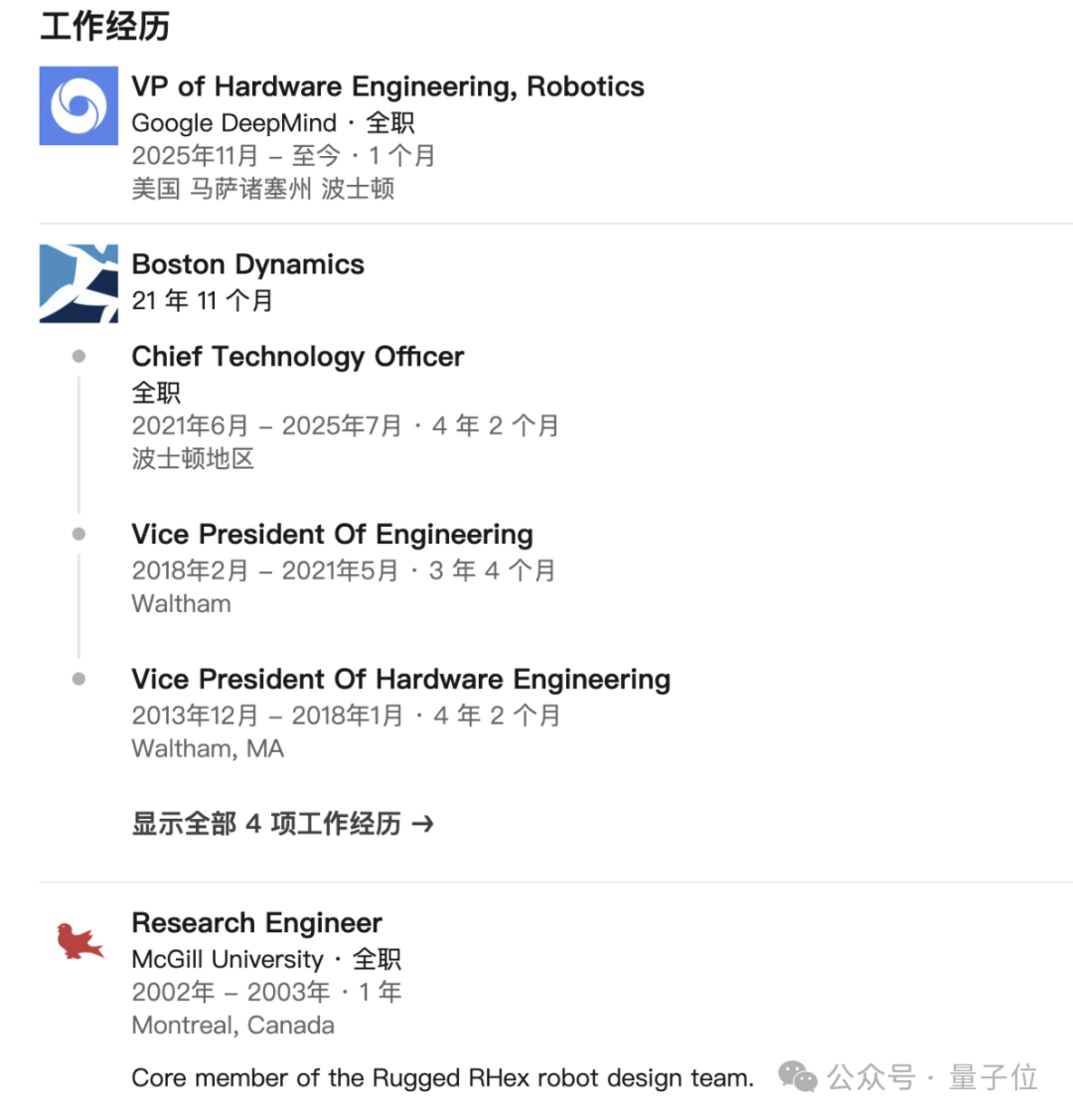
Career Highlights:
- Joined Boston Dynamics in 2003.
- Became VP of Engineering in 2018.
- Promoted to CTO in 2021 — overseeing all technical R&D.
Key Projects:
- Atlas – Humanoid robot capable of acrobatics, including backflips.
- Spot – Robotic dog with extended manipulator arms.
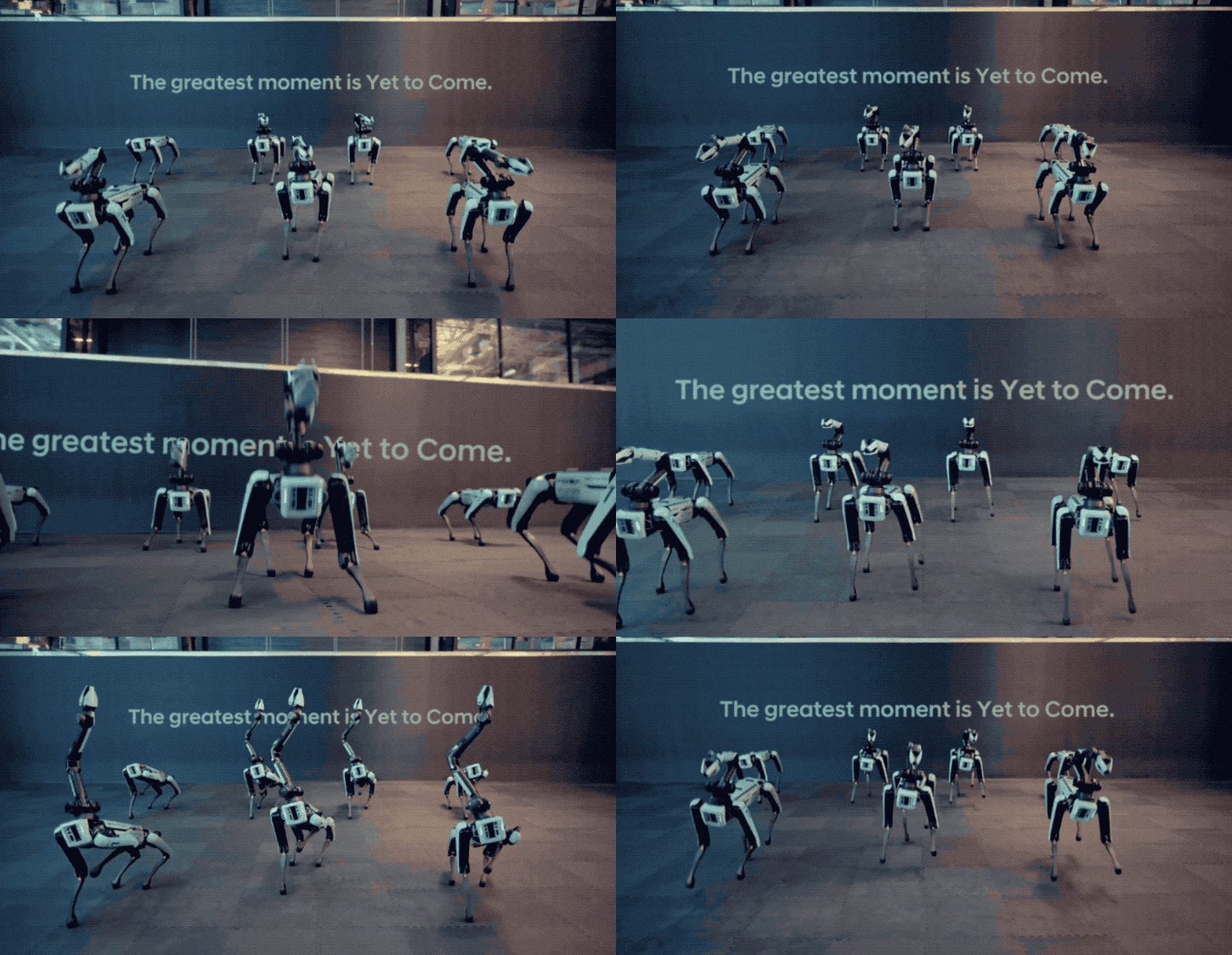
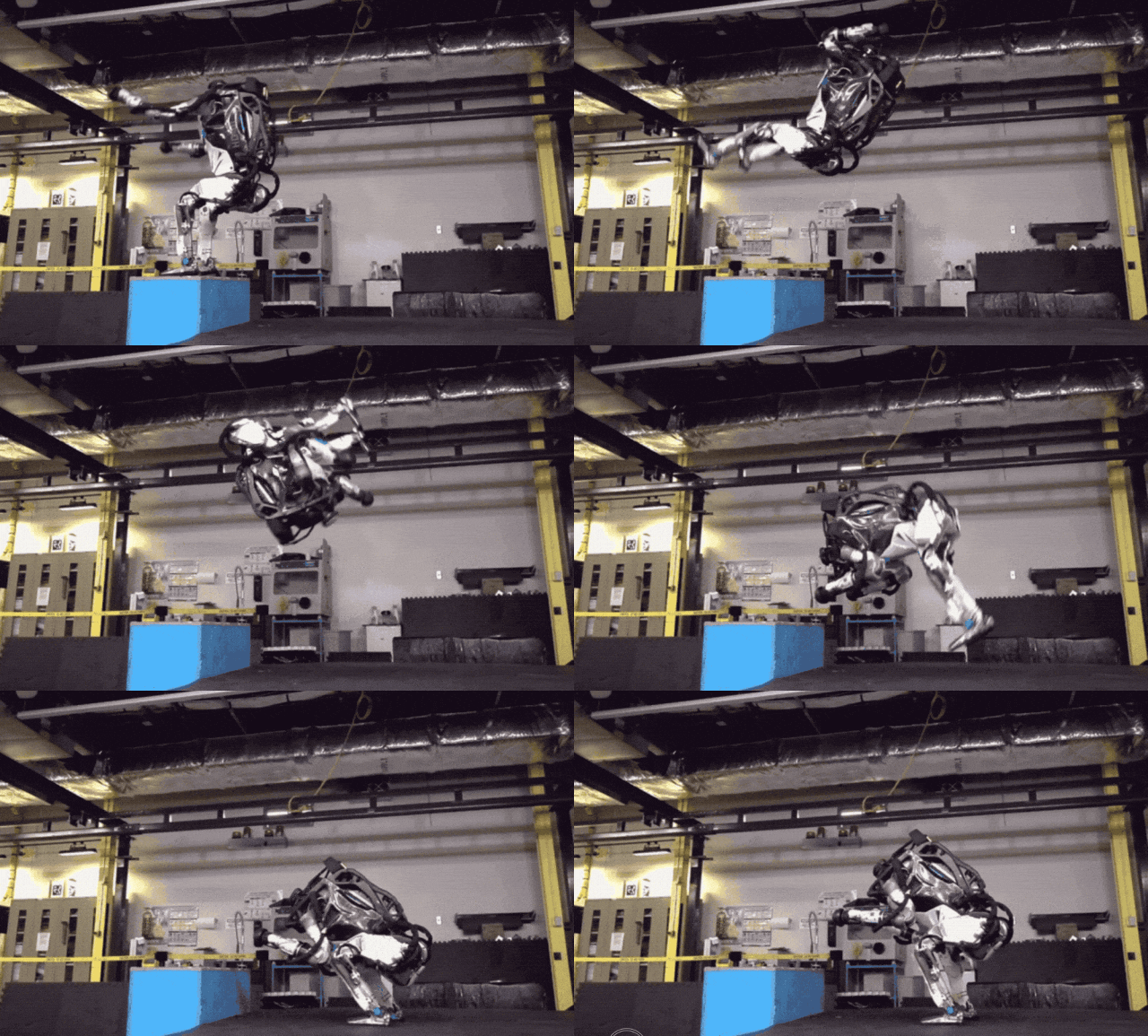
Saunders directly led or designed the critical dynamics and control systems behind these machines.
With Gemini 3’s popularity and Saunders’ expertise, Google is clearly accelerating its role in the global robotics race.
---
Timeline: Google’s Robotics Build-Up
March — Gemini Robotics Series
- Integrated multimodal understanding into robots using Gemini 2.0.
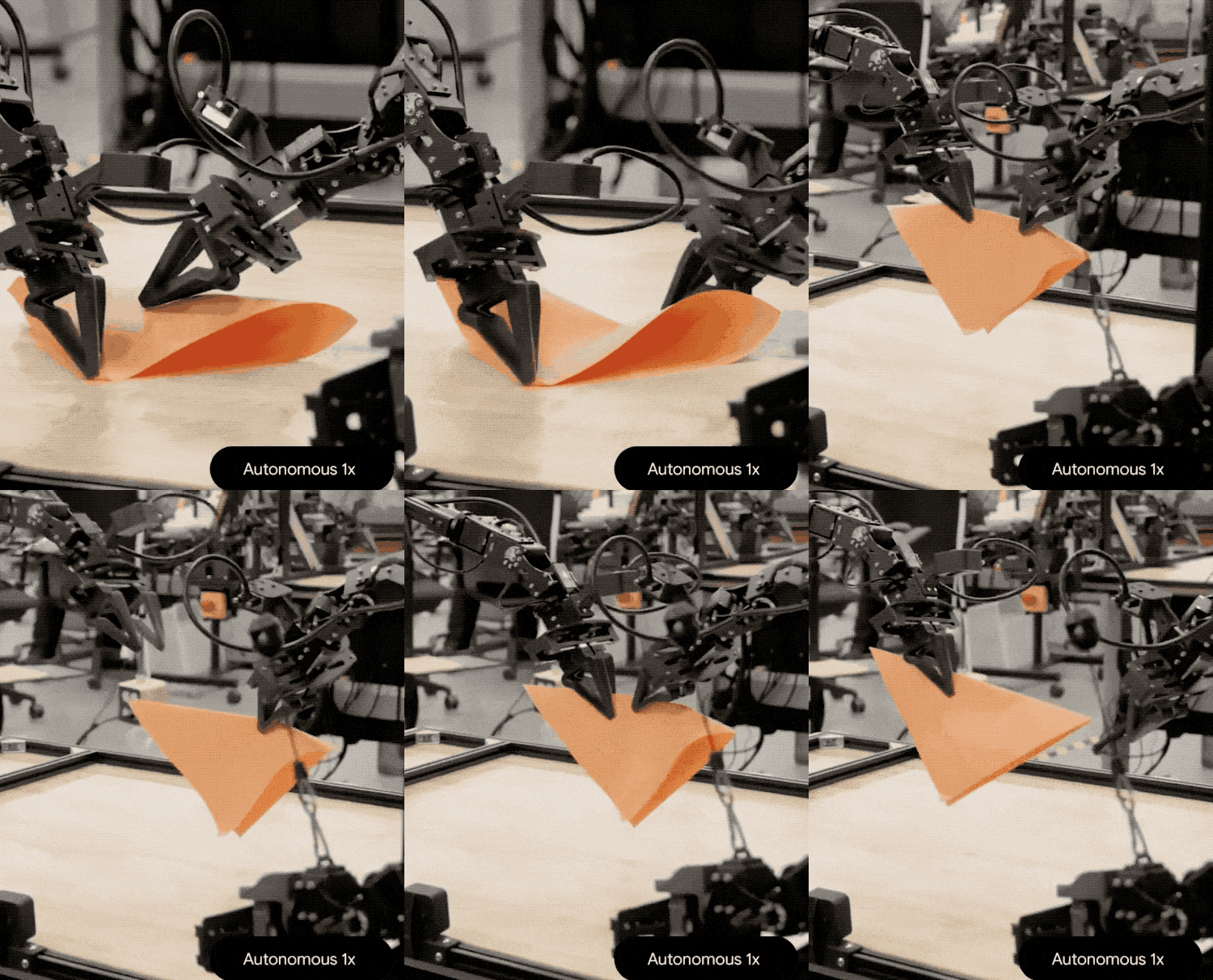
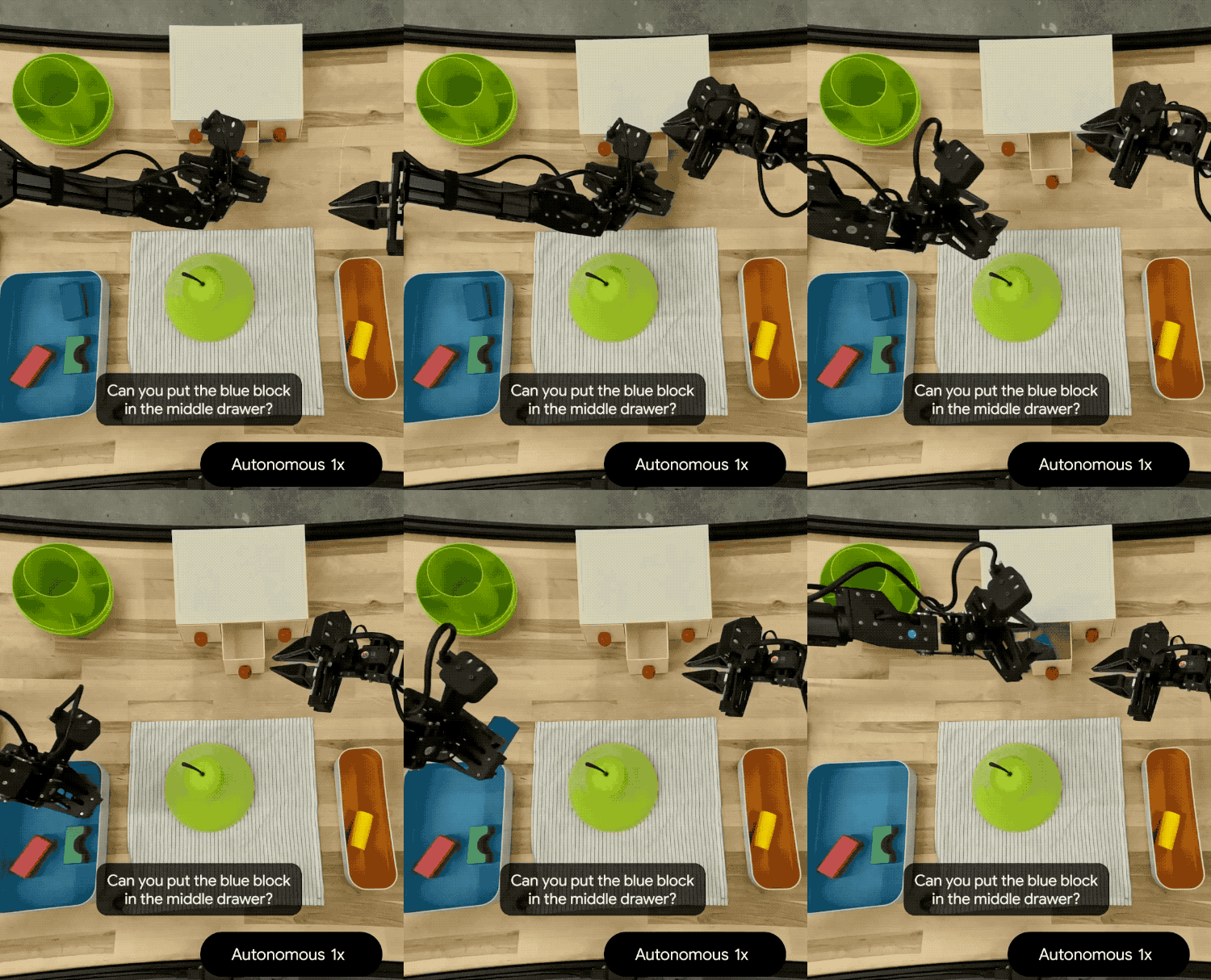
June — Gemini Robotics On-Device
- Local, optimized version for fast adaptation and robust dexterity.
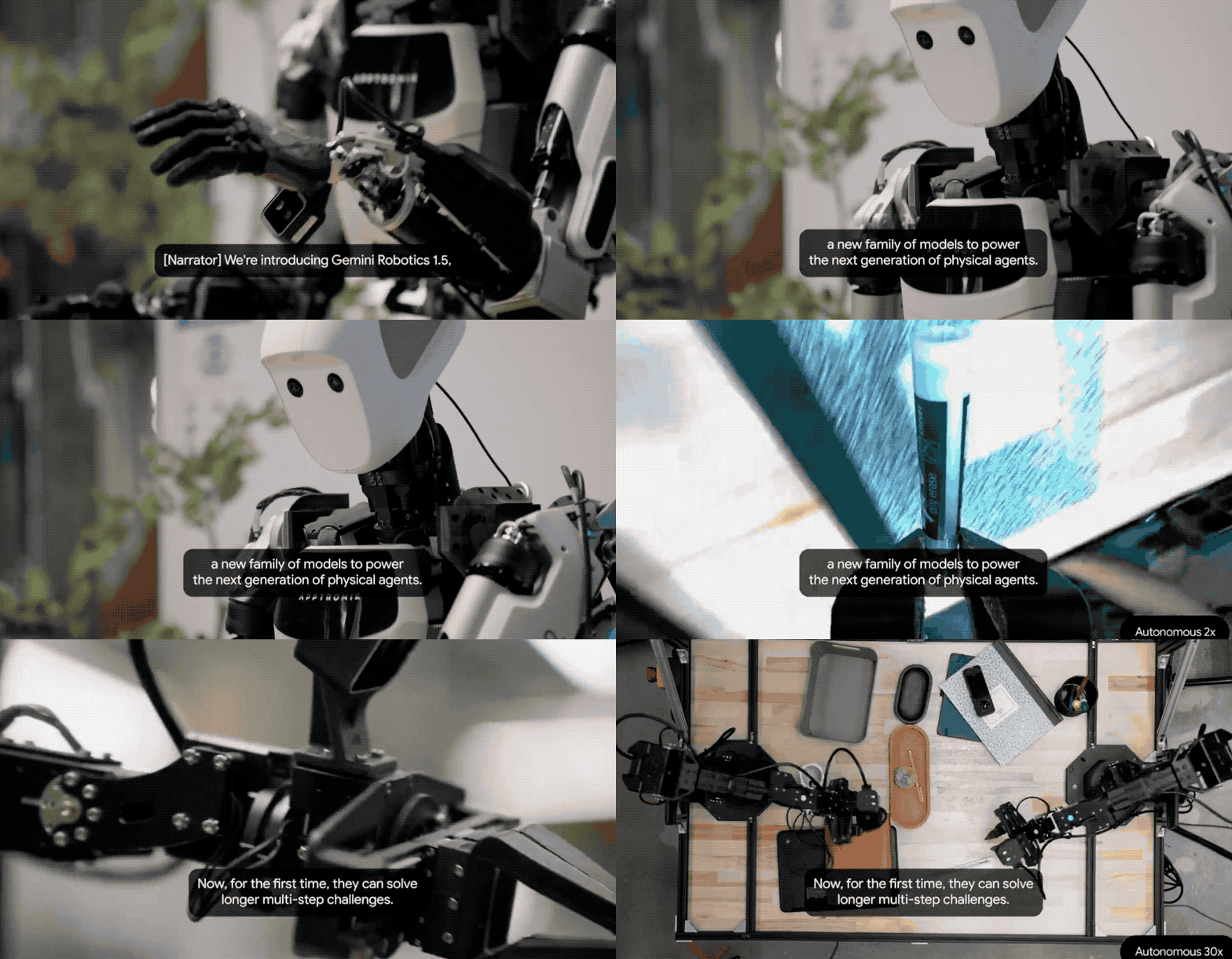
September — Gemini Robotics 1.5
- Next-gen general robotics base model.
- Unified Vision, Language, and Action (VLA) through Embodied Reasoning — “think first, then act.”
---
The Strategic Goal
Google’s evolving vision:
- Gemini-based universal robotics OS that works across all robot types.
- Deep integration of AI reasoning and hardware-level control.
- Position Gemini as both brain and operating system for the robotics industry.
This is not just a product upgrade or staff addition — it’s a full-speed charge toward robotics dominance, with Gemini 3 as the flagship.
---
References
---
Open Ecosystems for Innovators
As robotics and AI merge, open-source platforms can help researchers and creators maximize reach.
AiToEarn官网 provides tools for:
- AI content generation
- Cross-platform publishing
- Analytics and monetization
- Model ranking
Supported platforms include Douyin, Kwai, WeChat, Bilibili, Rednote (Xiaohongshu), Facebook, Instagram, LinkedIn, Threads, YouTube, Pinterest, and X (Twitter).
This kind of collaborative infrastructure could prove invaluable as a robotics OS era emerges — enabling ideas to move seamlessly from lab to audience.
---
Would you like me to also create a concise executive summary version of this article so it’s easier to share with decision-makers? That could make this more impactful for high-level readers.