Founder of Chinese Room Dies, Remembered for Publicly “Teasing” Hinton for Half His Life

John Searle: A Life of Philosophy, Controversy, and the “Chinese Room”
Philosopher John Searle has died at the age of 93.
While you may not know his name, you’ve likely heard of his most famous thought experiment — The Chinese Room.

Proposed in 1980, this experiment became an iconic counterpart to the Turing Test, challenging the nature of AI, mind, and genuine understanding.
More than half a century later, with large language models (LLMs) like GPT, Searle’s question still resonates: Are machines truly understanding, or just simulating the act?
---
An Awkward Encounter with Geoffrey Hinton
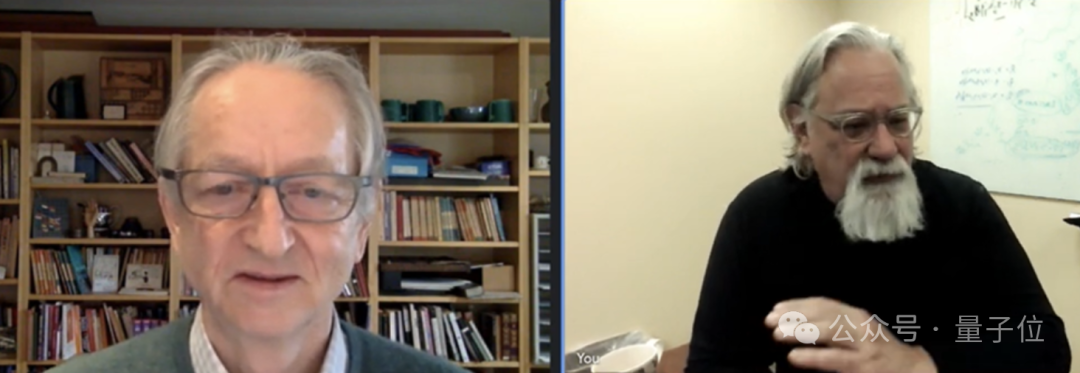
Outside academia, Searle also made a personal mark on AI pioneer Geoffrey Hinton — in a way Hinton still recalls with frustration.
The 1970s TV Incident
- Hinton and Searle were invited to appear on a television program together.
- Before filming, Hinton consulted Daniel Dennett (philosopher, cognitive scientist, and Searle’s ideological opposite). Dennett advised against it.
- Hoping to avoid conflict, Hinton agreed with Searle not to discuss The Chinese Room.
What happened?
When filming began, Searle broke the agreement immediately:
> “We’re here with connectionist Geoffrey Hinton, who of course has no issues with the Chinese Room experiment.”
Caught off guard, Hinton tried to respond — only for Searle to press further:
> “If we replaced every neuron in your brain with a chip, gradually we would lose Hinton — he would just… disappear.”
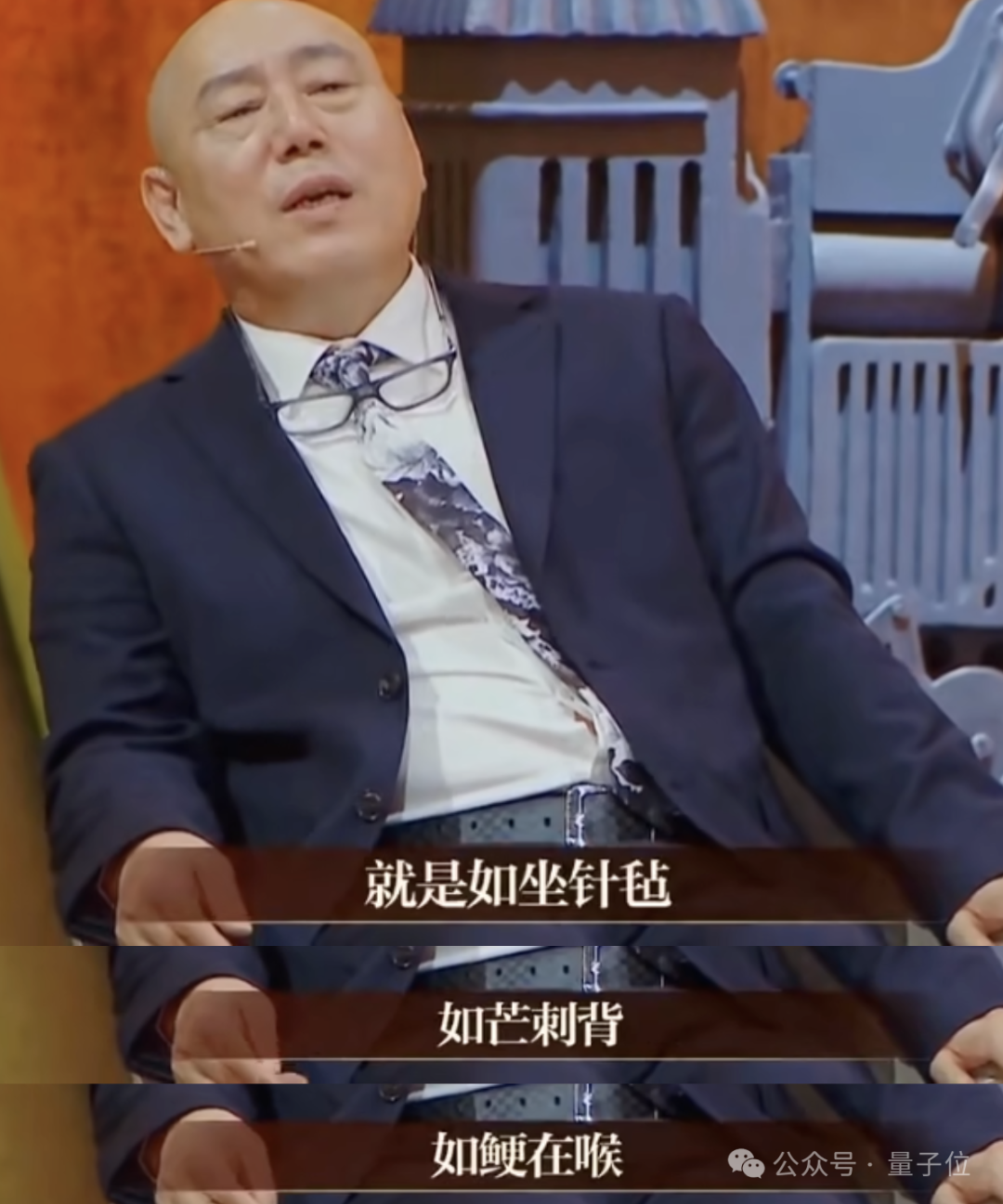
Hinton stayed mostly silent through the recording, appearing like a performance artist staring out the window.
More than 50 years later, he vividly remembers the green screen, the envelopes of cash, and the awkward tension.
---
Philosophy Clash: Connectionism vs Symbolic AI
- Hinton’s view: The mind processes information like a distributed neural network (Parallel Distributed Processing), encoding knowledge in patterns of activation.
- Searle’s view: All AI is symbolic manipulation, without distinction between symbolic and connectionist approaches.
This asymmetry forced Hinton to debate inside Searle’s semantic framework — an inherently unbalanced exchange.
---
Another Anecdote: Searle and the Course Brochure
From The New York Times obituary:
- Searle once saw a brochure for an introductory philosophy course.
- It featured René Descartes, David Hume, and John Searle.
- His comment?
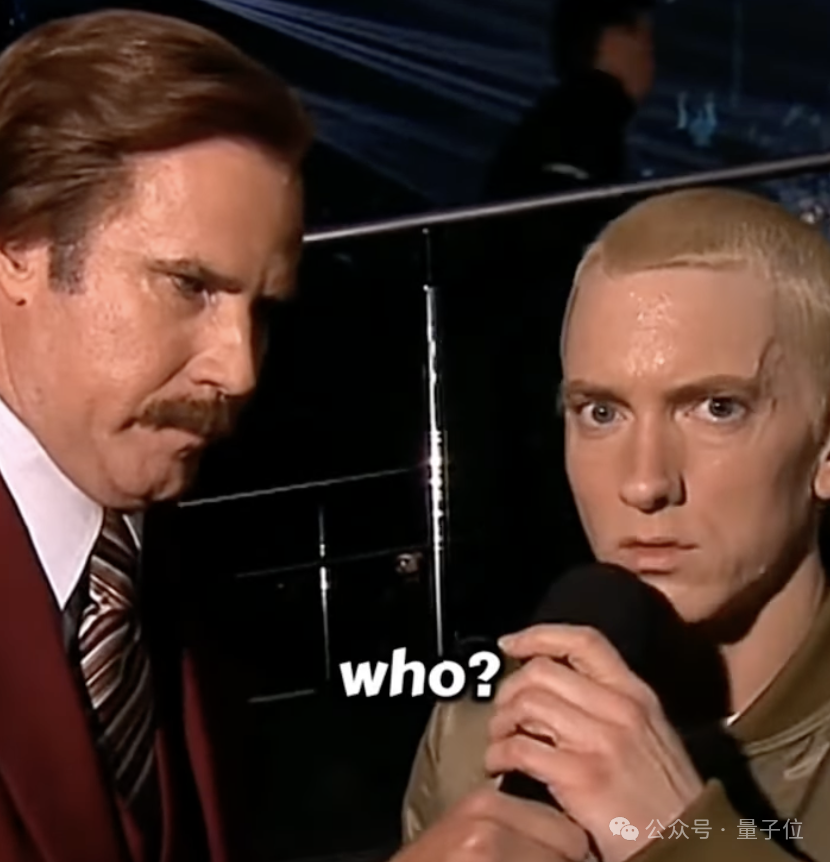
- “So… who are those other two?”
---
Early Life and Career
- Born: July 31, 1932, Denver, Colorado.
- Education: University of Wisconsin–Madison; won a Rhodes Scholarship at 19; transferred to Oxford.
- Mentored by J. L. Austin (language philosopher, peer to Wittgenstein).
- Joined University of California, Berkeley in 1959, teaching there for six decades.
> “Being a philosopher is like committing murder: every morning you wake up, stare at a brick wall, and bang your head against it until you open a hole.”
---
Philosophical Battles
- Debated Daniel Dennett and Jacques Derrida over consciousness, meaning, and language.
- Rejected postmodern skepticism of objective truth:
- Seeing only the front of a sofa is still seeing the sofa.
- Supported neuroscience as the basis for understanding consciousness:
- Consciousness is the product of neural firing.
---
Scandal and Decline
- 2017: Removed from Berkeley’s emeritus faculty after multiple sexual harassment allegations.
- The “Searle Center” was closed.
- Death on September 16 received delayed and muted coverage.
Philosopher Edward Feser lamented:
> Unlike Kripke, Putnam, Dennett, and Fodor, Searle received no major obituary, despite his equal stature.
---
The Chinese Room Experiment
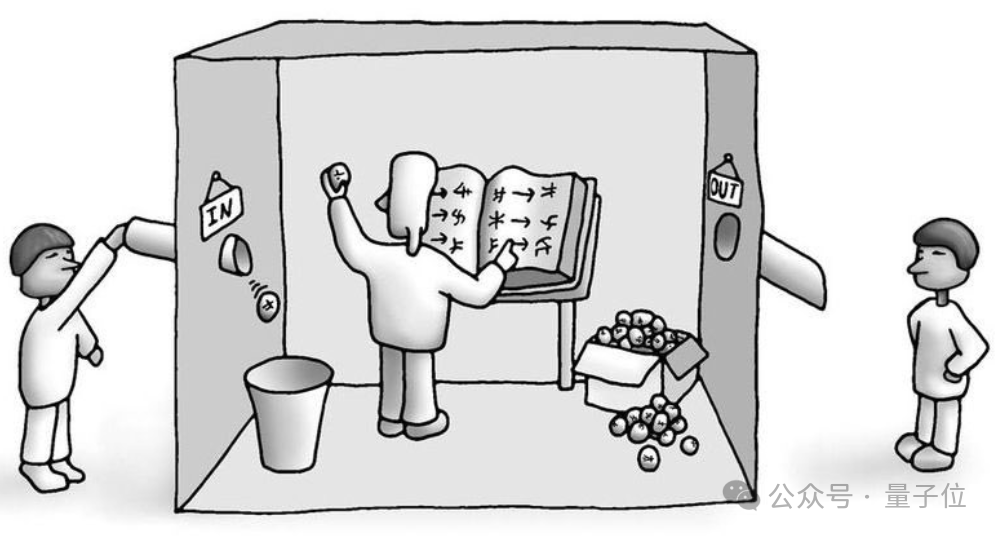
Purpose: To refute claims of “strong AI” — the belief that appropriately programmed machines could have minds.
The Setup
An English-speaking person who knows no Chinese:
- Locked in a sealed room.
- Given an English rule book for manipulating Chinese symbols.
- Follows rules perfectly to produce responses indistinguishable from a native speaker.
The Conclusion
- Programs can mimic the form of intelligence (syntax), but not true understanding (semantics).
- Passing the Turing Test is not the same as possessing human-level understanding.
- Computers process symbols via rules — without grasping meaning.
---
Ongoing Relevance
Even with AI tools today, such as platforms like AiToEarn官网:
- Machines can produce fluent, convincing output.
- The question remains: Is this real understanding, or just syntactic generation?
---
Criticisms of the Chinese Room
- Margaret Boden: The key question is how understanding arises, not whether it exists in a machine.
- John McCarthy: Searle confuses the understanding of the human in the room with that of the system as a whole (just as neurons don’t understand, but the brain does).
- Steven Pinker: Searle was redefining “understanding” linguistically, not scientifically.
---
Modern Perspectives
Geoffrey Hinton now says:
> Large language models do understand language — through simulating human cognition — analyzing billions of word features and their interactions.
This view aligns with Feynman’s maxim:
> “What I cannot create, I do not understand.”
Perhaps understanding emerges not from definitions, but from building and simulating cognitive processes.
---
Why Chinese?
Searle’s own explanation:
> Choose a language I completely don’t know, like Chinese, and assume a program ‘understands’ it.
Possible reasons:
- Cultural idiom: “It’s all Chinese to me” signals complete incomprehension.
- Script difference: Non-Latin logographic writing makes guessing meaning impossible for an English speaker.
---
References
[1] https://www.williamjames.com/transcripts/searle.htm?utm_source=chatgpt.com
[2] https://www.theguardian.com/world/2025/oct/05/john-searle-obituary
[3] https://aihub.org/2022/02/02/what-is-ai-stephen-hanson-in-conversation-with-geoff-hinton/
---
Final Thought
The “Chinese Room” remains a defining metaphor in AI philosophy — capturing the tension between syntax and semantics, between simulation and understanding.
As AI platforms like AiToEarn官网 rapidly expand content creation and distribution across multiple media — Douyin, Bilibili, Instagram, YouTube, and X — we can test Searle’s premise in real time:
We now have more opportunities than ever to explore what understanding truly means, both for humans and for machines.
---
Would you like me to create a visual timeline of Searle’s life and controversies so that the Markdown biography reads more like an interactive dossier? That could make this piece even more engaging.