
From a Pinch of Titanium Powder to the Apple Watch’s Most Complex Metal Structure | Exclusive Interview
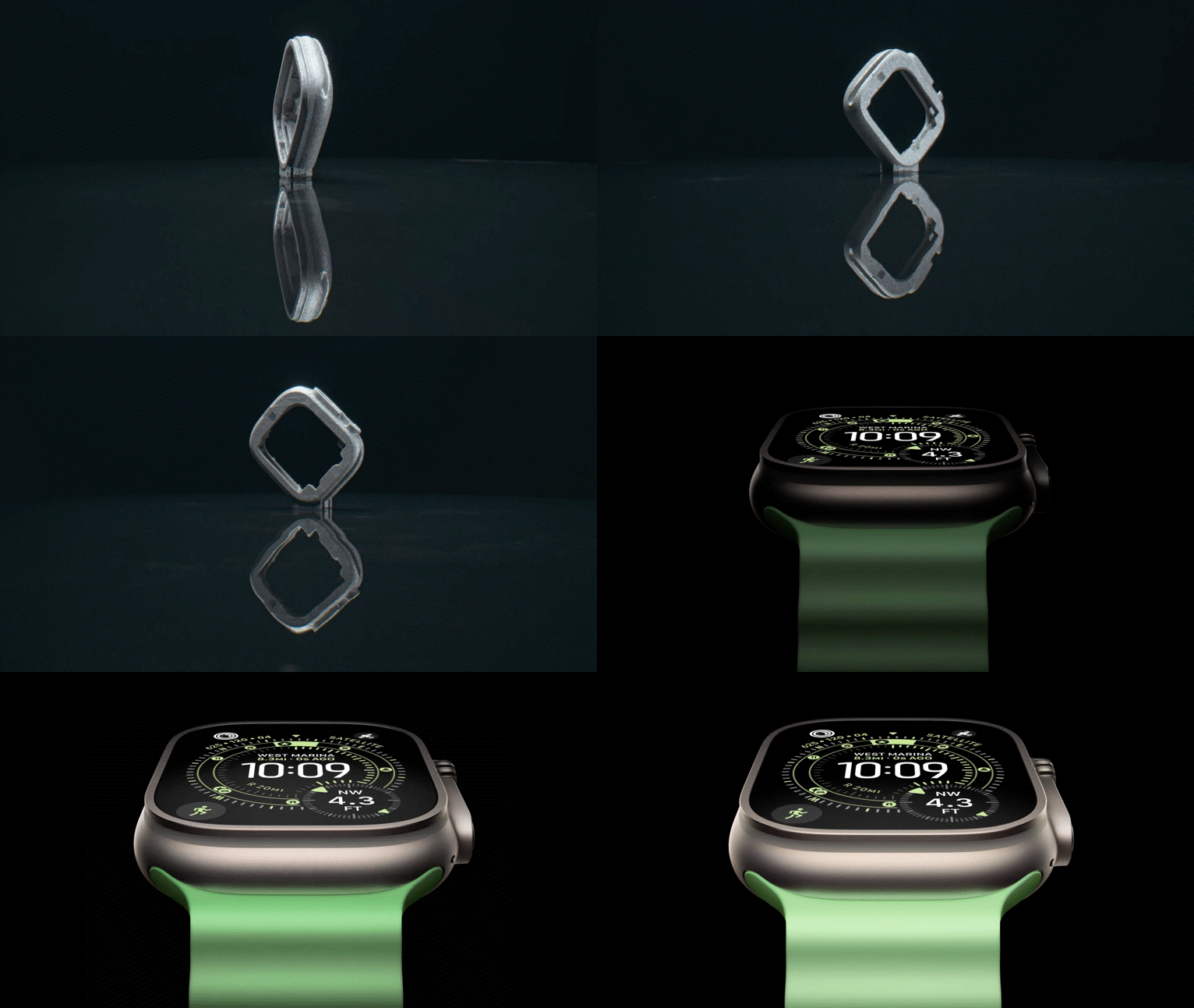
Apple’s Titanium Apple Watch: From Powder to Precision
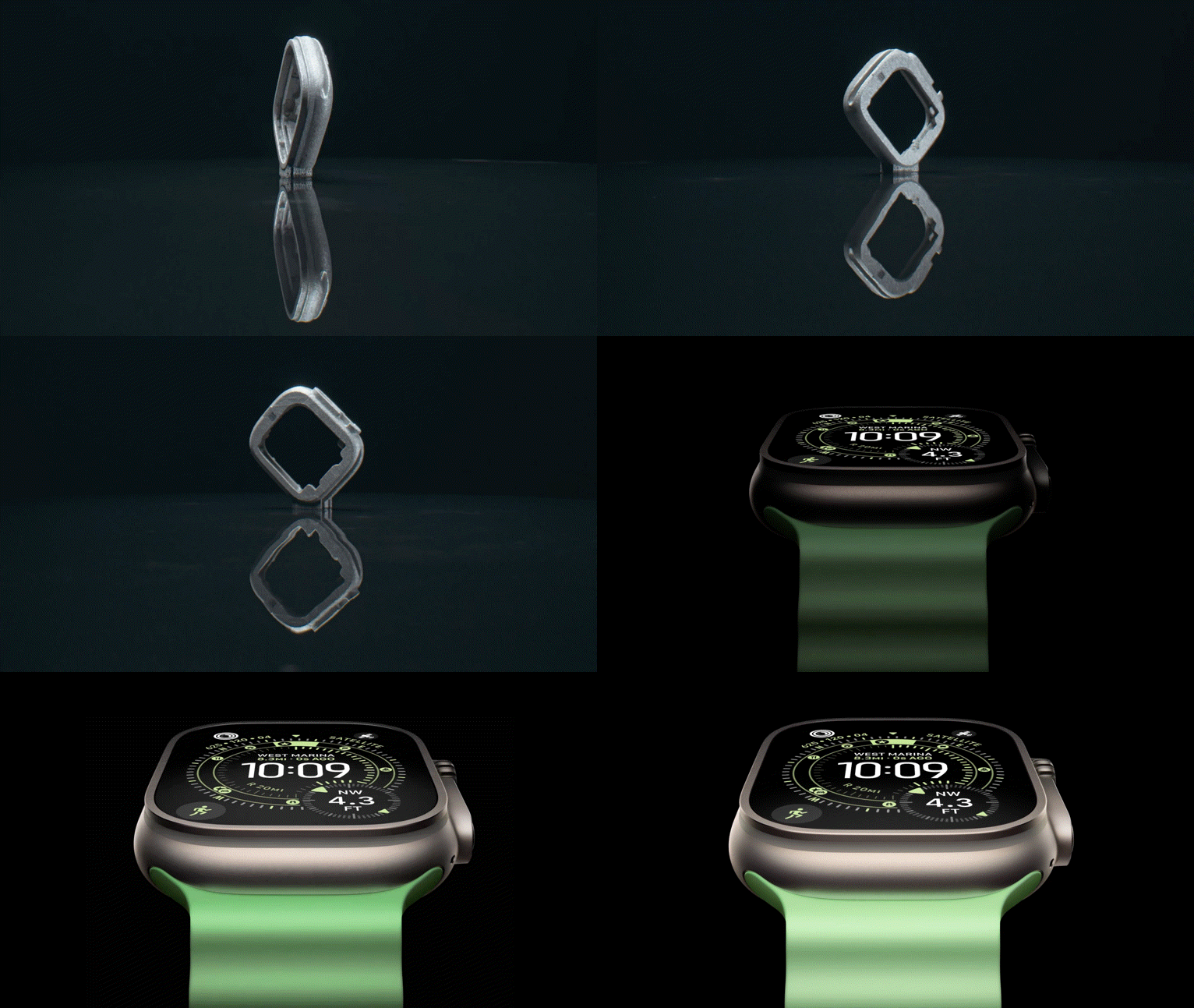
The latest generation of Apple Watch with a titanium case begins with nothing more than a fine metal powder.
No roaring lathes, no sparks, no tool-grinding friction — unlike traditional machining, the titanium Apple Watch is “printed”, not carved out.
For many, 3D printing still conjures images of prototypes or lab experiments. With the Apple Watch, Apple has brought this technology into mass production for consumer electronics for the first time — and it’s much more than a technical showcase.
---
Why 3D Printing?
Traditional metal processing uses a subtractive approach:
- Start with a solid block of metal.
- CNC machines cut, mill, grind away material bit by bit.
- Finish with polishing and other surface treatments.
While precise, this process wastes significant material.
Titanium — lightweight, strong, and corrosion-resistant — is a dream for engineers, but notoriously difficult to machine. It:
- Has a high melting point.
- Is less ductile than aluminum.
- Quickly wears down tools.
- Requires longer machining times.
For the complex shapes of an Apple Watch, engineers used to start with a larger forged blank and painstakingly “sculpt” the form, akin to chiseling a small statue out of a huge block — impressive but inefficient.
---
Additive Manufacturing Changes the Game
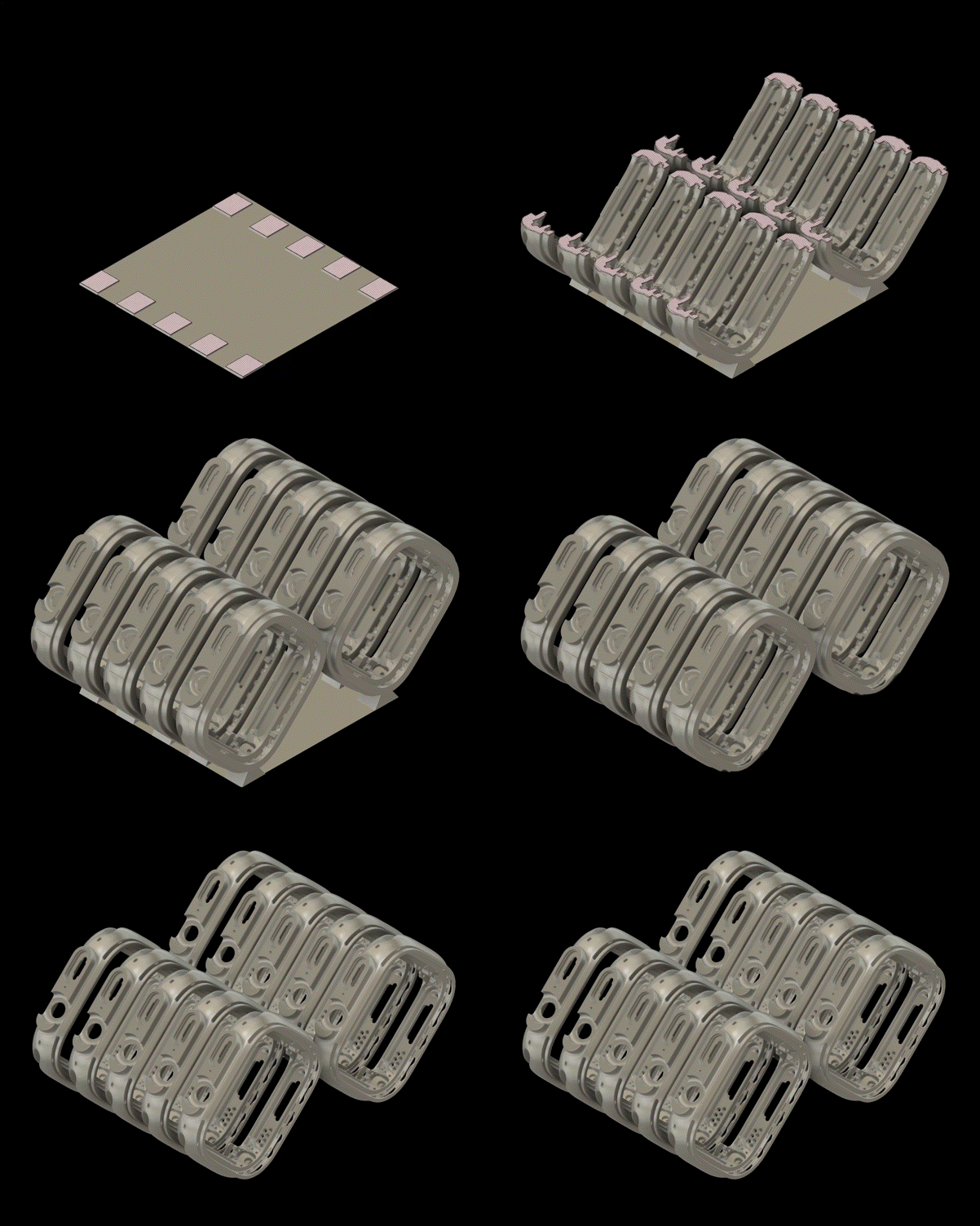
Instead of subtracting material, 3D printing adds it layer by layer, precisely controlled — much like piping frosting onto a cake.
---
60 Microns, 900 Layers: Growing a Watch Case
It starts with a pinch of recycled titanium powder. Kate Bergeron, Apple’s VP of Product Design, explains:
> “Titanium metal powder didn’t even exist before.”
Apple developed recyclable titanium powder, overcoming hurdles such as:
- Titanium’s tendency to combust under high heat.
- Safety requirements for reducing oxygen content.
- Extreme laser precision settings.
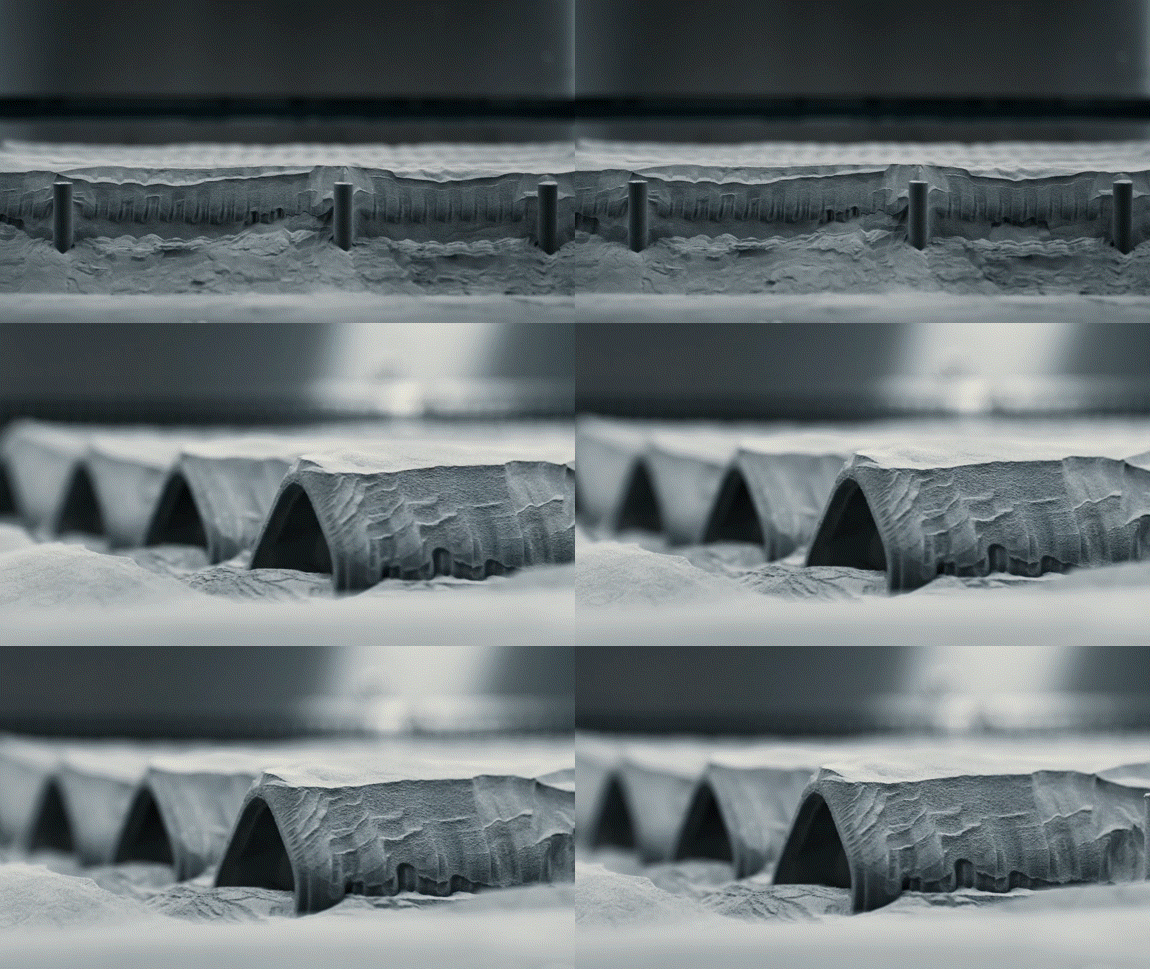
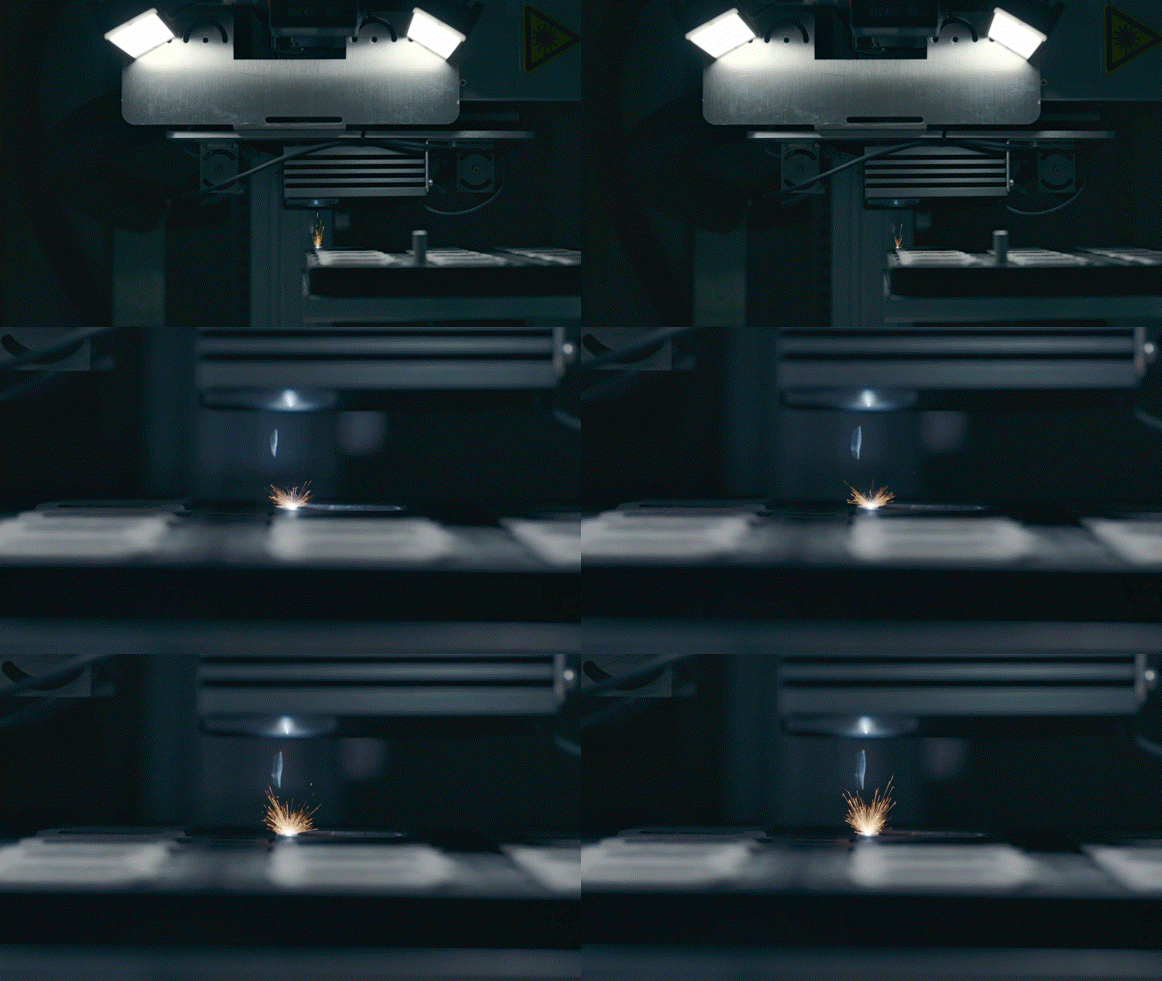
Each printing system uses six laser beams, guided by a galvanometer to melt specific cross-sections into the powder bed.
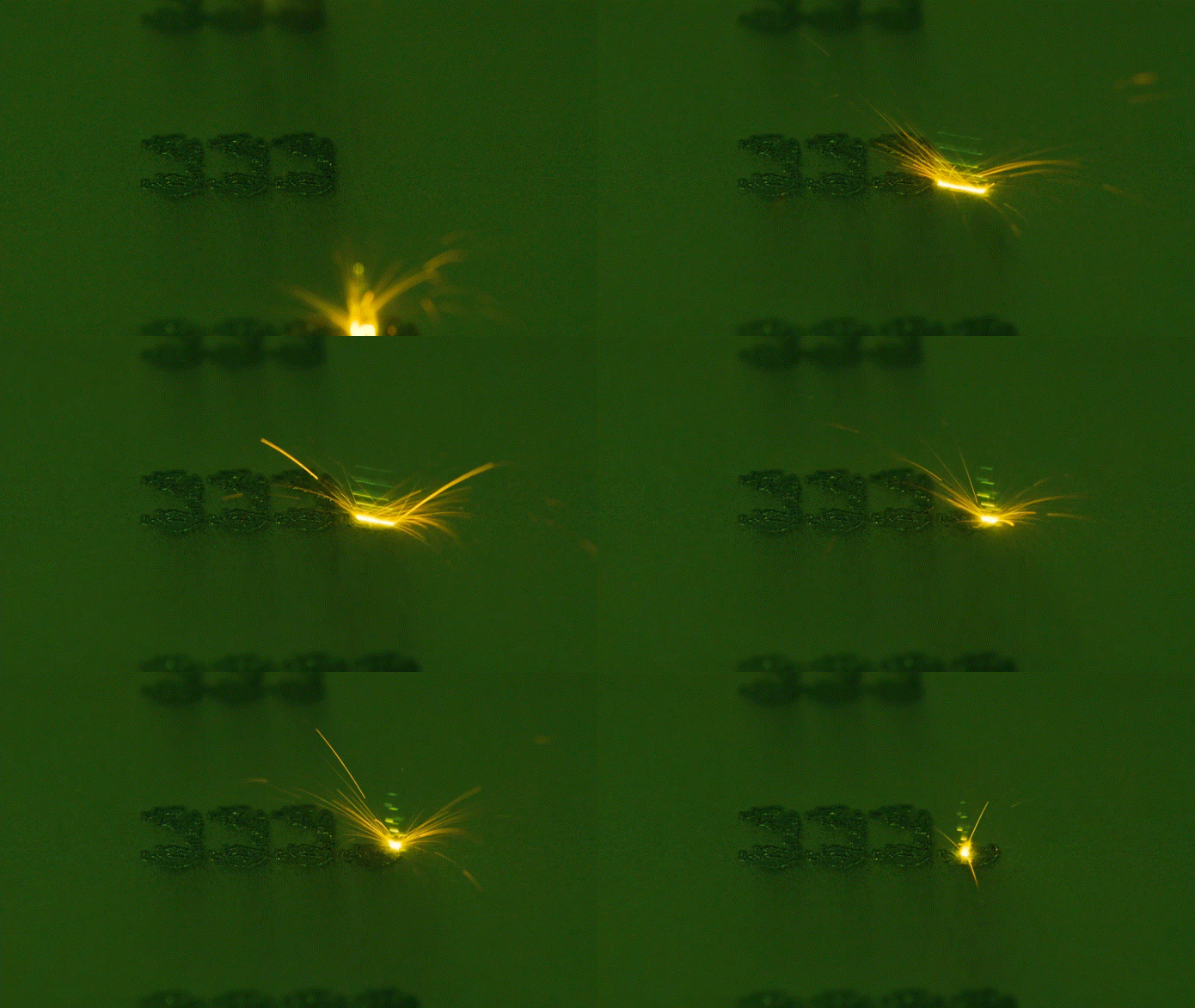
Printing process:
- Print a full layer.
- Lower the platform 60 microns — about a human hair’s width.
- Spread a fresh layer of powder.
- Repeat until 900 layers form the rough case.
---
Powder Extraction & Cleaning
- Vacuum extraction removes excess powder.
- Ultrasonic vibration ensures fine structures are powder-free.
- All powder is recycled for reuse.
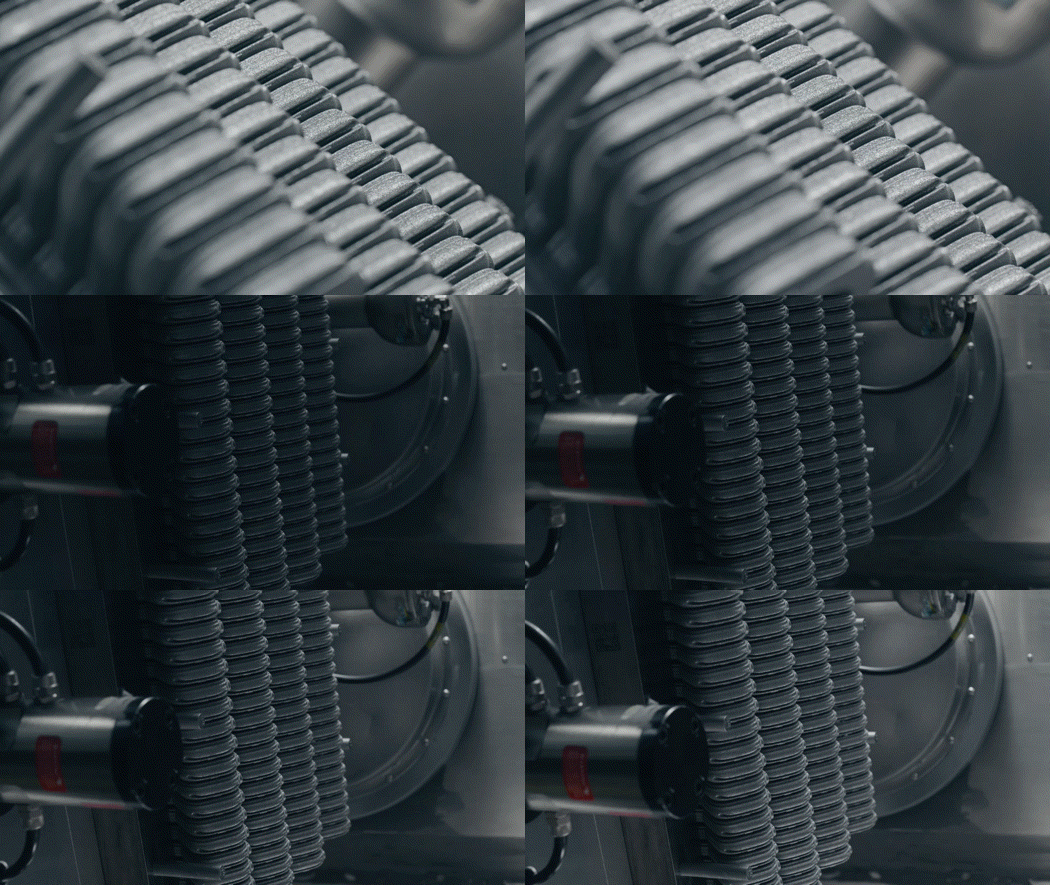
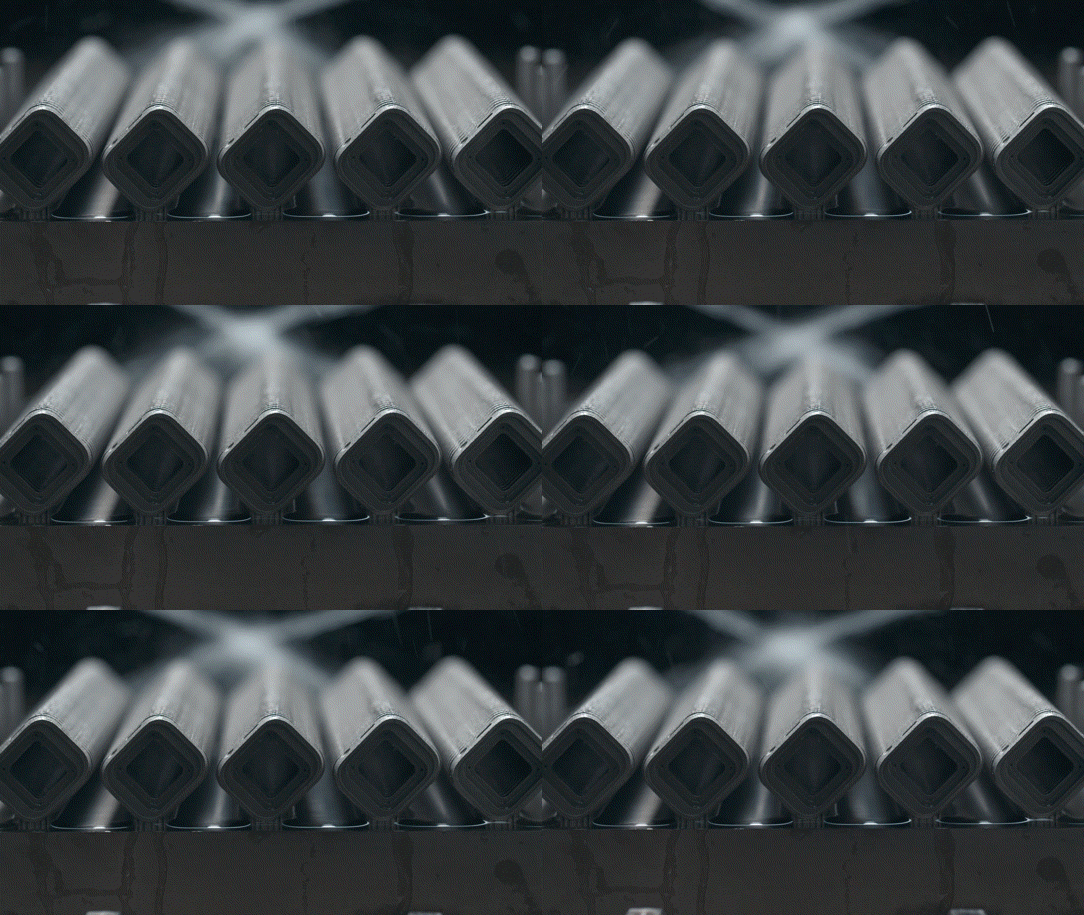
Finally, the case is cut from the base plate with a diamond wire saw.
---
From Rough to Refined: Post-Processing Excellence
The printed case’s surface is too rough for premium consumer products. Post-processing involves:
- CNC refinements for precise dimensions.
- Sandblasting/polishing for texture and finish.
- Injection molding integration for other components.
- Surface treatments for durability and style.
The Ultra 3 gets fine sandblasting for outdoor ruggedness; Series 11 achieves an ultra-smooth, almost reflective finish.
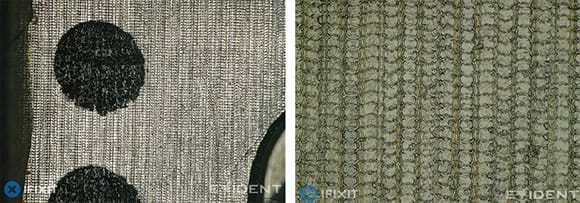
▲ Left: case texture; Right: polished finish.
---
Verified Performance
Teardown site iFixit confirmed faint printed layer patterns under a microscope. In hardness tests:
- Ultra 3 scratched only at Mohs level 6.
- This beats the first-generation Ultra (level 5), matching forged case performance.
---
Environmental Protection: A Proactive Technology Battle
Why choose costly 3D printing when traditional methods work?
Apple’s answer: carbon reduction goals.
From its 2015 baseline, Apple aims for a 75% cut in emissions by:
- Adopting renewable energy in its supply chain.
- Using lower-carbon transportation.
- Innovating recycled materials usage.
3D printing supports all three goals:
- 100% titanium recycling.
- ~50% less material used vs. forging.
- Significant carbon reduction at the source.
> “In the past, we’d be thrilled with a 15% efficiency gain. Now we’ve cut material in half — that’s monumental,” says Sarah, VP of Environmental and Supply Chain Innovation.
Core targets:
- Global carbon neutrality by 2030.
- Products made entirely of recycled/renewable materials.
---
From CNC to 3D Printing: Manufacturing’s Next Leap
Apple’s CNC-milled MacBook Unibody once revolutionized precision manufacturing. If mass-scale 3D-printed titanium succeeds, other manufacturers will follow.
Industry trends:
- Additive manufacturing is expanding from prototypes to production.
- Economic efficiency improves at medium scale.
- Digital quality systems integrate deeply with production lines.
Institutions like 3DS Pro highlight titanium 3D printing’s consumer-grade finish & tolerances at mass scale — not dozens, but millions of units.
---
Design Freedom
3D printing lifts traditional machining constraints:
- Internal lattice structures.
- Complex hollow channels.
- Smooth geometric transitions impossible with cutting tools.
Example: iPhone Air’s USB-C housing — 3D-printed from recycled titanium powder, achieving strength with ultra-thin proportions.
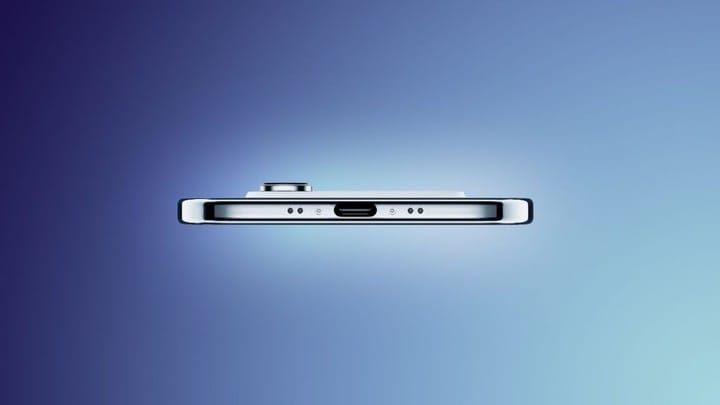
Kate Bergeron notes:
> “We can print any shape. Now we’ll explore applying titanium printing to more products.”
> “It’s too early to call it a revolution — but it’s an important tool in our manufacturing toolbox.”
---
Parallels in Content Creation
As 3D printing expands manufacturing potential, AiToEarn empowers creators with AI-driven tools for:
- Multi-platform publishing (Douyin, Kwai, YouTube, X, Instagram, etc.).
- Automated monetization.
- Analytics & AI model rankings (AI模型排名).
Like additive manufacturing breaking production boundaries, AiToEarn shatters content distribution limits, merging creation with monetization seamlessly.
> “This is no end — it’s a new beginning.”
---
In summary: Apple’s titanium 3D printing is not just about a watch; it’s about changing manufacturing logic, achieving environmental goals, and inspiring design innovation — an evolution as significant as CNC machining was in its day.


