
From a Second-Tier University and Poor at Math to PyTorch Creator and Meta VP
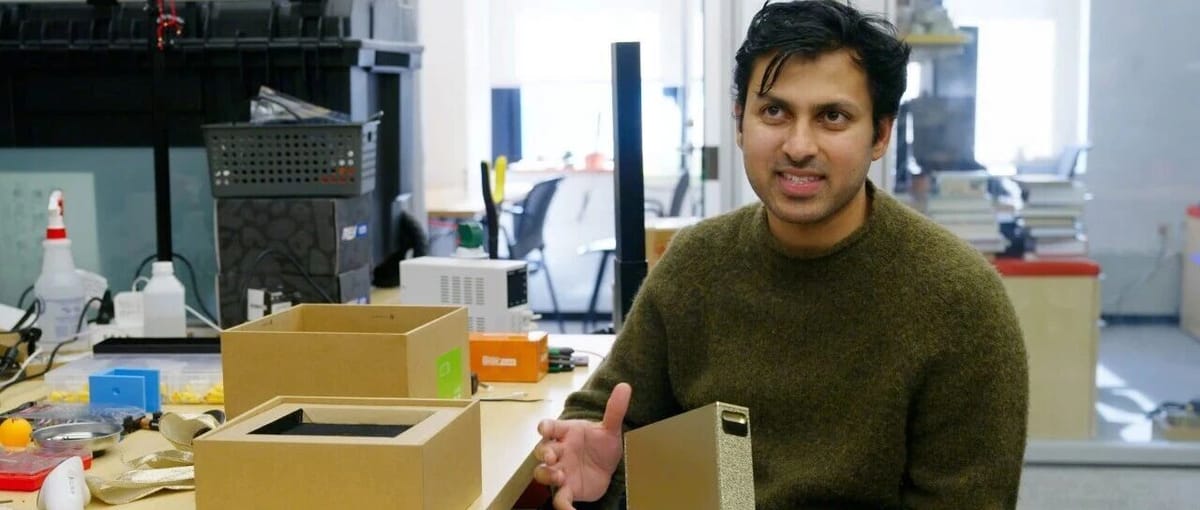
Soumith Chintala: A Story of Resilience in AI
Date: 2025-11-15 13:32, Jiangsu
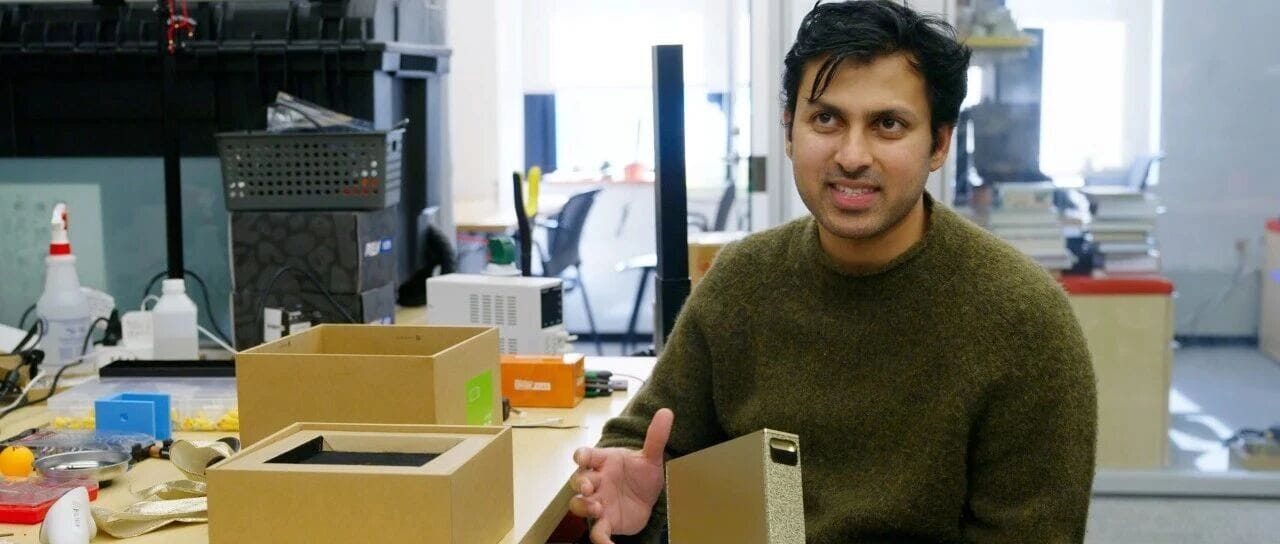
> Soumith: Life is never easy.

Source: Machine Heart
If you’ve ever felt like giving up, this previously unpublished story — about Soumith Chintala, creator of PyTorch and former Vice President at Meta — will inspire you to keep going.
Original article link: LinkedIn
---
Introduction
You may not have heard of Soumith Chintala, but if you work in AI, you’ve almost certainly heard of PyTorch — one of the most popular deep learning frameworks, comparable to Word for writing or Photoshop for image editing.
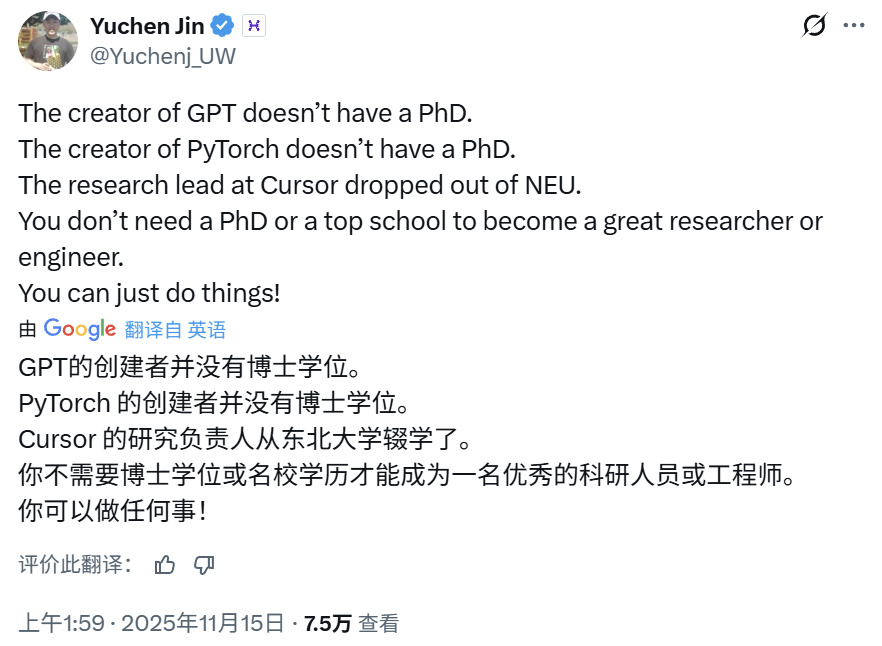
Unlike many AI leaders, Soumith’s early life wasn’t marked by elite institutions or math competition awards. In fact, he struggled heavily with math, preventing him from entering top-tier schools.
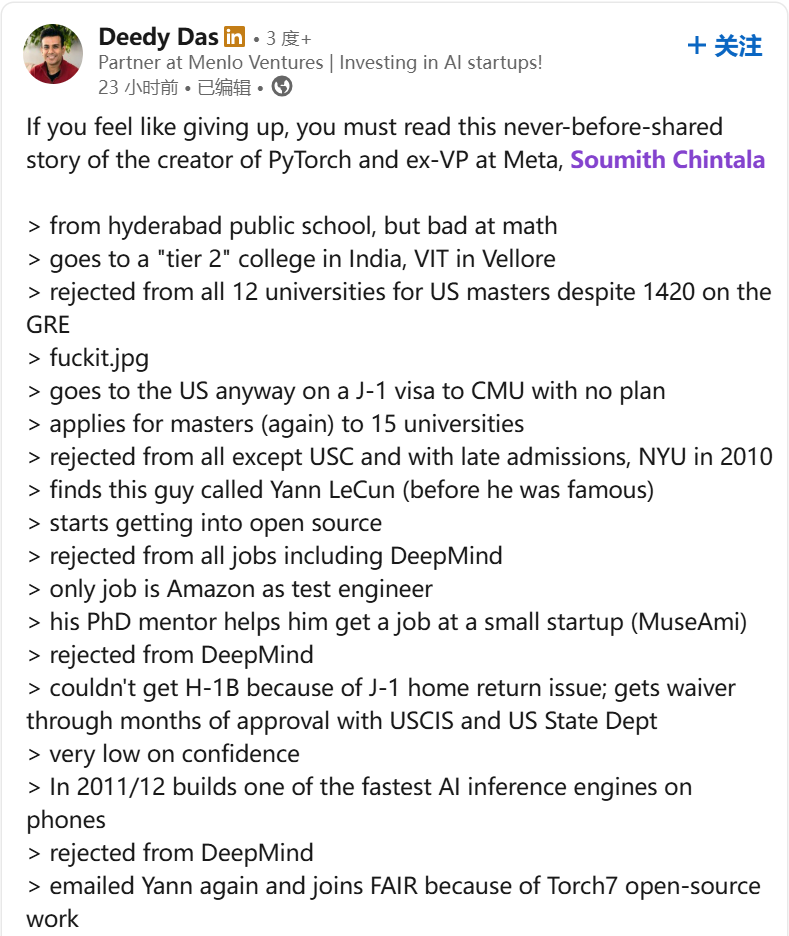
Recently, Deedy Das, partner at Menlo Ventures, wrote a detailed story about Soumith — paying special attention not to his titles and fame, but to his struggles, failures, and persistence.
---
Early Life & Education
- Grew up in a public school in India.
- Grades: Decent overall, but math weakness was a constant problem.
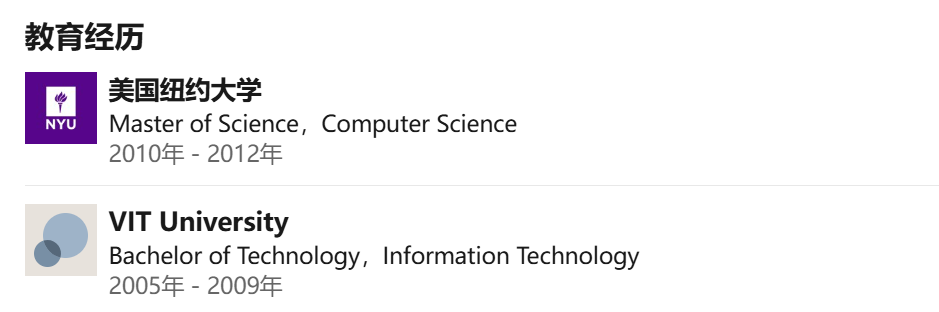
- University Entrance: Failed to enter India’s top institutions, instead attended Vellore Institute of Technology (VIT) — a second-tier school.
During college:
- Worked to improve academically.
- On preparing to study abroad, scored 1420 on the GRE — considered strong at the time.
Yet reality was blunt:
- Applied to 12 U.S. universities for a master’s program.
- All rejected him.
---
First Steps Abroad
Soumith's motto at the time: "Whatever" (fuckit.jpg).
- Entered the U.S. on a J-1 visa to Carnegie Mellon University (CMU) without a clear plan — simply determined to try.
Second application round:
- Applied to 15 universities, hoping for a breakthrough.
- Outcome: Only University of Southern California accepted; later, New York University offered a place from the waitlist (2010).
At NYU, fate intervened:
- Met Yann LeCun — before his Turing Award fame.
- Began exploring open-source projects.
---
Early Career Struggles
After graduation:
- Sent applications to nearly every major AI company.
- Rejected repeatedly, including DeepMind.
- Only job offer: Testing Engineer at Amazon.
Later:
- Joined startup MuseAmi via PhD advisor's referral.
- Left and applied to DeepMind again — rejected.
Visa issues added stress:
- Faced multiple document resubmissions.
- Eventually obtained a waiver to remain in the U.S.
Confidence was near rock-bottom.
---
Breakthrough
Despite setbacks, between 2011–2012:
- Built one of the fastest AI inference engines for mobile devices at the time.
- Rejection from DeepMind again.
Turning point:
- Wrote to Yann LeCun updating him on work.
- LeCun, impressed by contributions to Torch7, invited him to Facebook AI Research (FAIR).
---
At FAIR
The start wasn’t easy:
- Nearly failed new hire training camp over an HBase task.
Key opportunity:
- Facebook’s senior engineers (L8/L9) struggled to get ImageNet training stable.
- Soumith’s meticulous code review and hyperparameter analysis uncovered deep numerical precision issues — marking his first major victory at FAIR.
Progress:
- Managed Torch7 with a three-person team.
- Together, they created PyTorch — later becoming the most loved deep learning framework worldwide.
---
Threats to PyTorch
At its peak, an internal management decision at Meta threatened to shut down PyTorch.
- Soumith, devastated, cried at a bar.
- Advocacy from allies preserved the project, which was officially released in 2017.
Later:
- Obtained EB-1 green card.

---
Career Transition
Although PyTorch thrived and his career stabilized:
- Soumith chose not to remain in the comfort zone.
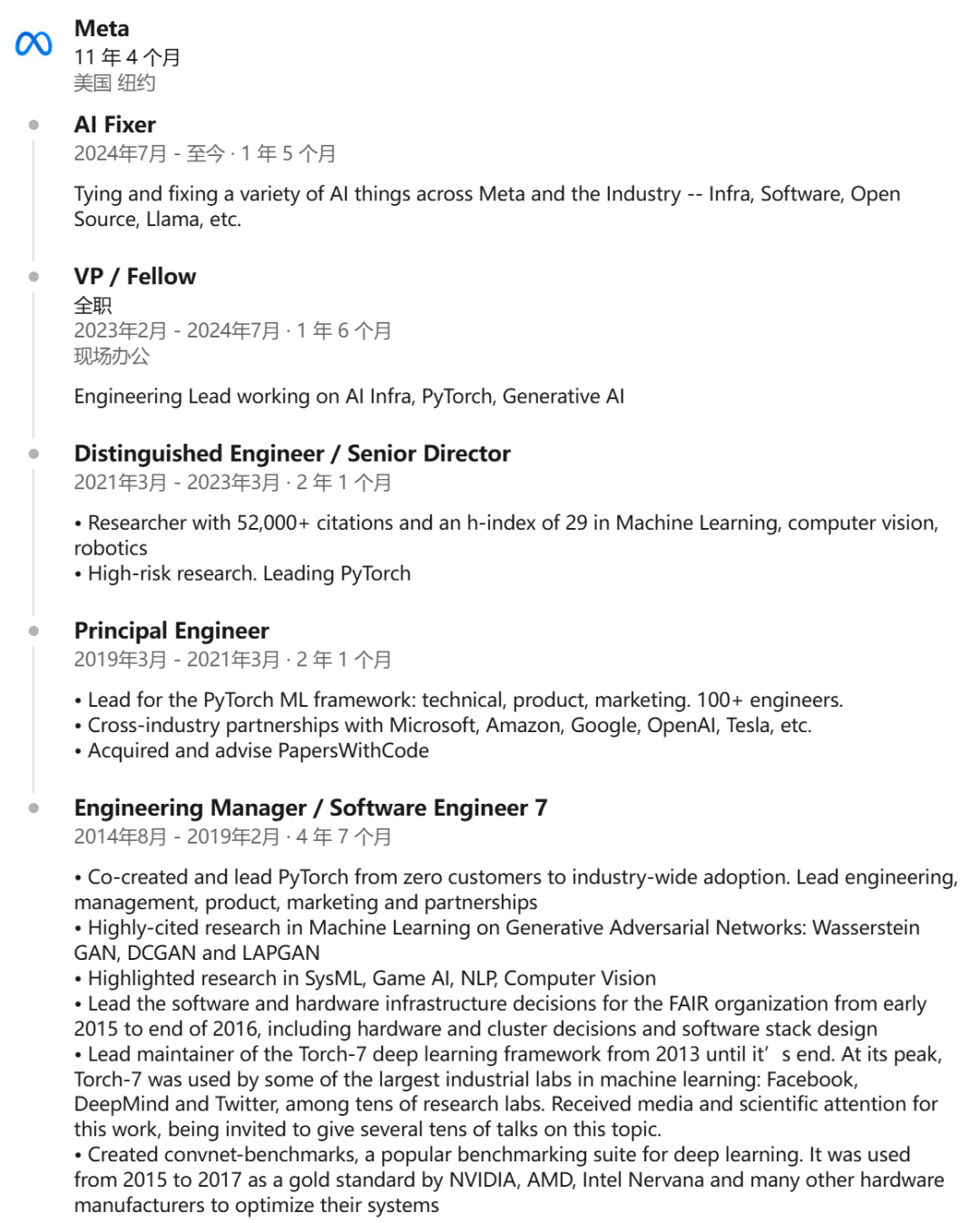
- Decided to leave Meta at his career peak, to pursue smaller, uncertain ventures.
In retrospect:
- His journey from 2005–2017 included 12 years of failures and comebacks — ultimately becoming VP at Meta.
- Proof that persistence can overcome any valley.
---
Soumith’s Own Words
In response to Deedy Das’s article, Soumith added:
> Gratitude: Thankful for mentors who gave him chances, especially Yann LeCun and Pierre Sermanet.
> Support System: Parents supported him beyond their means despite debt.
> Luck & Risk: Conditions allowed him to take risks — making him fortunate.
> Corrections: Rejected by DeepMind and Google — total of three rejections.
---
Lessons for Creators
Soumith’s resilience mirrors the journey of many content creators and innovators:
- Persistence matters more than pedigree.
- Passion, autonomy, and taste drive sustainable success.
Today, AI-driven platforms like AiToEarn官网 help creators:
- Generate AI-powered content.
- Publish across multiple platforms (Douyin, Kwai, Bilibili, YouTube, Instagram, X, etc.).
- Access analytics and AI model rankings.
AiToEarn核心应用 makes it possible for innovators to monetize creativity without borders — much like Soumith did with PyTorch.
---
Join the AINLP Community
To join the technical discussion group:
- Add the AINLP assistant on WeChat: `ainlp2`
- Include your specific area and relevant tech points in the note.

About AINLP:
AINLP is a thriving AI and NLP community, focusing on:
- AI, machine learning, deep learning
- Large Language Models (LLM)
- Text summarization, intelligent Q&A, chatbots
- Machine translation, recommendation systems, computational advertising
- Career experience sharing

---
Related Links
- AiToEarn官网 — open-source AI content monetization platform, supporting multi-platform publishing and AI analytics.
- AI模型排名 — track top-performing AI models.
- Read the original
- Open in WeChat
---
Final Thought:
If you’re struggling, remember Soumith’s example — success is rarely a straight path.
Persistence, vision, and adaptability often matter more than where you start.
---
Would you like me to also prepare a concise timeline infographic summarizing Soumith’s journey for better readability in presentations? That could make this Markdown even more impactful.


