
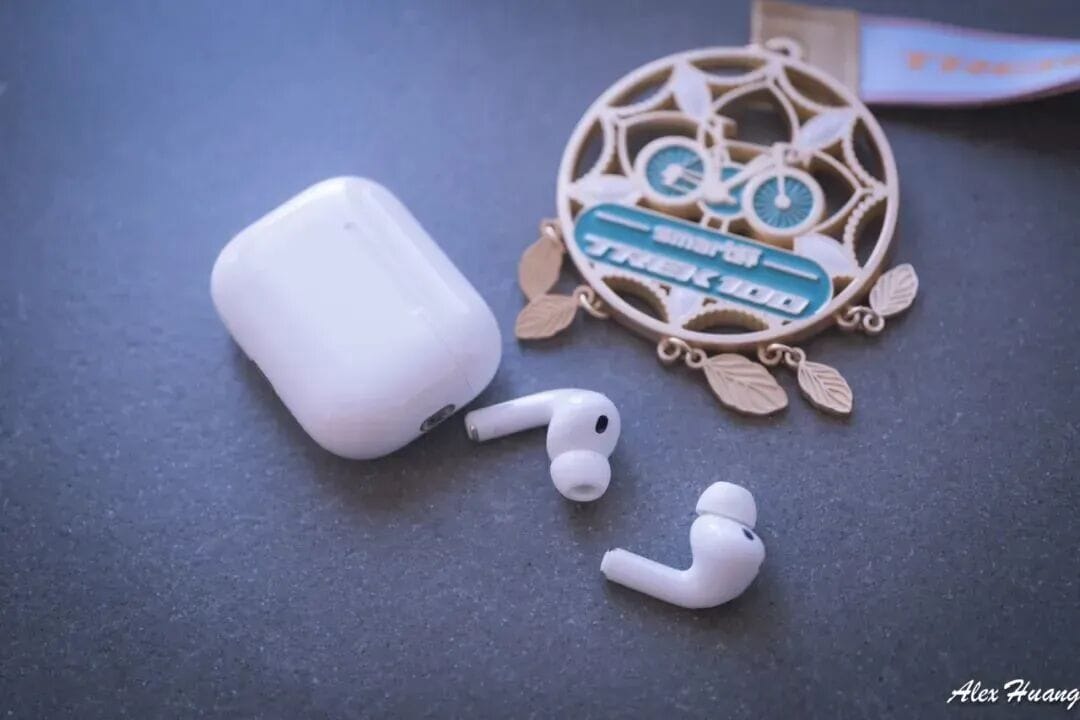
From Heart Rate Tracking to Noise-Cancelling Sound Quality: My Multi-Scenario AirPods Pro 3 Experience Report

AirPods Pro 3 — A Comprehensive Review from a Headphone Enthusiast
As a long-time headphone enthusiast, I’ve owned and used models ranging from budget MX500s to tens-of-thousands RMB high-end setups.
Today, I keep six pairs in regular rotation — yet the ones I reach for most are AirPods, for one simple reason: sheer convenience.
That said, no single headset replaces every scenario:
- High fidelity listening → Large over-ear Sennheisers + headphone amp
- Sports & endurance use → Secure-fit sports earphones with waterproofing & long battery life
- Complete noise isolation → Custom-fitted in-ear monitors
---
Why the AirPods Pro 3 Got My Attention
The new AirPods Pro 3 might be the mythical “all-in-one hexagonal warrior”:
- Improved sound with new acoustic design & Spatial Audio
- IP57 dust/water resistance for sports use
- Innovative heart rate sensor built-in
- 8-hour battery life per charge
- Double the ANC performance
They aim to unite convenience, sound quality, sports capability, and noise isolation in one device.

---
The Standout Innovation: Heart Rate Sensor
Why Track Heart Rate?
Heart rate is one of the most important metrics for quantifying exercise intensity.
It reflects:
- Aerobic/anaerobic efficiency
- Oxygen consumption
- Recovery status
- Avoiding overtraining or undertraining
For weight loss or base training, Zone 2 heart rate monitoring helps keep workouts efficient and enjoyable.
---
Types of Heart Rate Monitors
- Bioelectrical (ECG) straps
- Worn across the chest; gold standard accuracy
- Detect electrical signals via electrodes
- Can measure advanced metrics like running dynamics
- Downsides: Less comfortable
Benchmark device used in test: Garmin HRM-Tri
- Optical (PPG) sensors
- Detect blood flow changes via light
- Common in watches, bands, earbuds
- Comfort: Superior, can enable 24/7 monitoring
- Downsides: Susceptible to sweat, motion, light interference
AirPods Pro 3 manage to integrate a PPG sensor into a very compact earbud — without visible protrusion.
---
Comfort Comparison
Comfort ranking:
AirPods Pro 3 > Garmin Fenix 7X Watch >> Garmin HRM-Tri Strap
Reasons:
- AirPods Pro 3: Almost unnoticeable in-ear, world-class miniaturization
- Watch: Comfortable but optical module protrudes & leaves marks
- Strap: Bulky & restrictive, often left unused
---
Testing Methodology & Results
Indoor Cycling (Zones 1–7)
- Green: Garmin strap (baseline)
- Blue: Garmin Fenix 7X watch
- Red: AirPods Pro 3
Findings:
- Curves nearly overlap; minimal dropout
- Average HR matched across devices
- AirPods Pro 3 responded faster than watch during intense bursts, though strap was still fastest

---
Outdoor Race Test (Variable October Temps in Beijing)
- Slight delay outdoors compared to indoor performance
- Still highly accurate & sometimes quicker to steady-state than watch
Sweat and temperature changes did not degrade accuracy.

---
Limitations in Data Use
- HR data only accessible via iPhone
- Limited iOS workout app integration
- No discovery as Bluetooth HR monitor for devices like Garmin
- Apple Watch can combine readings for improved accuracy
---
Sports Earphone Viability
Fit & Stability
- New foam tips improve passive isolation and secure fit
- Shape redesign keeps them steady without hooks
Durability
- IP57 resists sweat & rinsing
Battery
- 8-hour rated life (6.5 hrs with HR monitoring)
- Real-world HR test: ~5.5 hrs continuous monitoring
- Variability depending on ANC usage
Downside: Wind Noise
- Design catches wind easily during cycling/running
- Noticeable across ANC & transparency modes
---
Everyday Use & Comfort
AirPods shine in instant pairing, seamless device switching, and simple controls.
Pro 3 retain these strengths with added features:
- Sleep-detection auto-pause (likely via HR monitoring)
- Transparency mode improvements
Minor set-backs:
- Charging case battery reduced to 24 hrs from 30 hrs
- Foam tips can cause slight ear swelling over long wear
- Switch from tap gestures to stem squeezes requires adjustment
---
Sound Quality Reality
For Bluetooth earbuds:
- Bitrate limits (AAC max for AirPods Pro 3) cap fidelity
- Small drivers + power constraints hinder HiFi-grade sound
- Sound is above average, pleasant, but not extraordinary
Spatial Audio
- Dolby Atmos enables immersive, stage-like experience
- Works best with home theater; headphone rendering is less precise in front-to-back placement
- Future audio leap may require Wi-Fi headphone technology
---
Noise Cancellation Performance
Impressive ANC with minimal ear-pressure change due to:
- Foam tips for passive isolation
- Multi-vent design management
ANC quality allows replacement of physical isolation setups for travel, plus convenience features like auto transparency during conversation.
---
Final Verdict
AirPods Pro 3 strengths:
- Top-tier ANC
- Excellent daily usability
- Good-enough sound quality
- Surprisingly accurate sports HR monitoring
- Seamless Apple ecosystem integration
Weaknesses:
- Wind noise for outdoor sports
- Limited HR data interoperability
- Charging case battery life dip
Recommendation:
For most users — especially those indoors or in mixed-use scenarios — AirPods Pro 3 offer the most versatile TWS Bluetooth experience available today.
---
Original Review
https://sspai.com/post/103806?utm_source=wechat&utm_medium=social
---
If you’d like, I can create a one-page summary table highlighting AirPods Pro 3’s features, pros, and cons, so your readers instantly understand whether it’s right for them.
Do you want me to prepare that next?