From *Royal Match* to *Gossip Harbor*: Gameplay Takes a Back Seat to Operations — What’s the Monetization Logic Behind the Converging Casual Game Hits?

Mobile Game Monetization & Live Ops: Why Strategies Are Converging
Live Ops have long been recognized as a core driver of a mobile game's lifecycle, revenue curve, and player experience.
From simple login rewards to complex systems driven by real‑time analytics and economy balancing, Live Ops now form the fundamental infrastructure for most top‑grossing mobile titles.
---
The Special Case of Casual Puzzle Games
In casual puzzle games — genres with huge audiences and very long lifecycles — Live Ops matter even more.
They directly impact:
- Retention (will players keep coming back?)
- DAU & ARPDAU (daily usage and monetization)
- Long‑term revenue performance
> Genres include:
> - Match‑3 (Royal Match, Candy Crush Saga)
> - Merge (Gossip Harbor, Merge Mansion)
> - Blast (Toon Blast, Toy Blast)

---
Convergence Across Leading Titles
Over time, market leaders have aligned their operational methods:
- Stronger event loops
- Denser reward systems
- Stable content cadence
- Deeper economic cycles
- Refined player segmentation
Whether it’s Royal Match, Toon Blast, or Gossip Harbor, Live Ops structures look similar, forming an emerging industry standard.
Why convergence?
- Shared player motivations
- Similar behavioral patterns
- Monetization pressure and consolidation
---
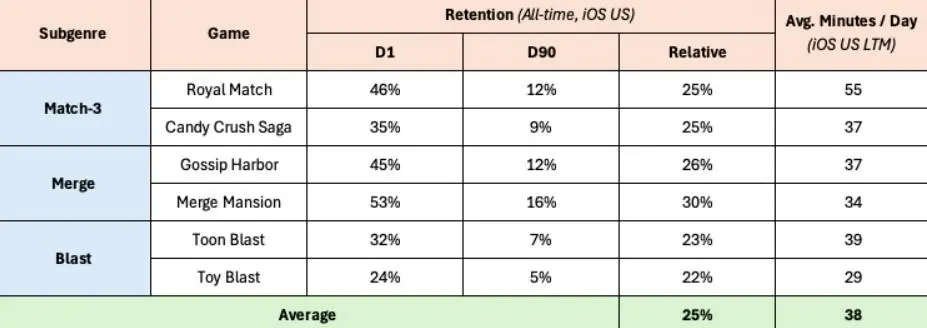
Proof in the Metrics
Key US iOS performance metrics show clear convergence:
- Relative retention (D90/D1): ~25%
- Average daily playtime: ~38 minutes
---
The Three Core Converging Live Ops Tactics
Drawing from Naavik’s analysis of top casual puzzle games:
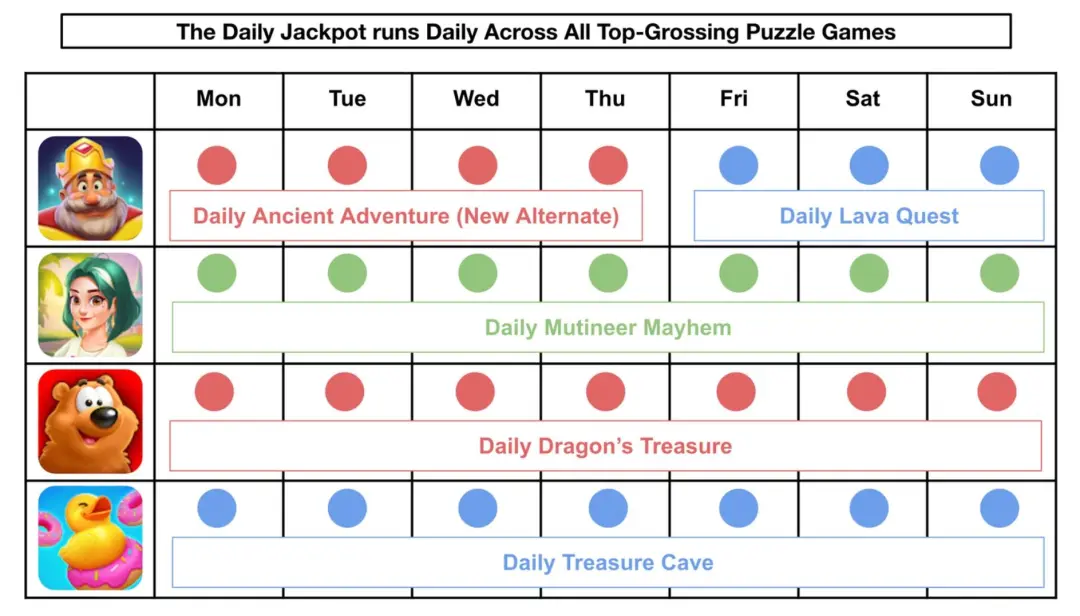
1️⃣ Daily Jackpot / Daily Grand Prize
Example: Royal Match’s Lava Quest
Purpose:
- Motivate daily logins with high‑impact rewards
- Replace traditional “login rewards” with play‑to‑claim sessions
Benefits:
- Reinforces the core gameplay loop
- Appeals to all player types (casual & high‑spend)
- Emotionally compelling (“chance to win big”)
Design Considerations:
- Keep sessions short and accessible
- Control prize pacing to protect the economy
- Unlock early for new players to aid conversion

---
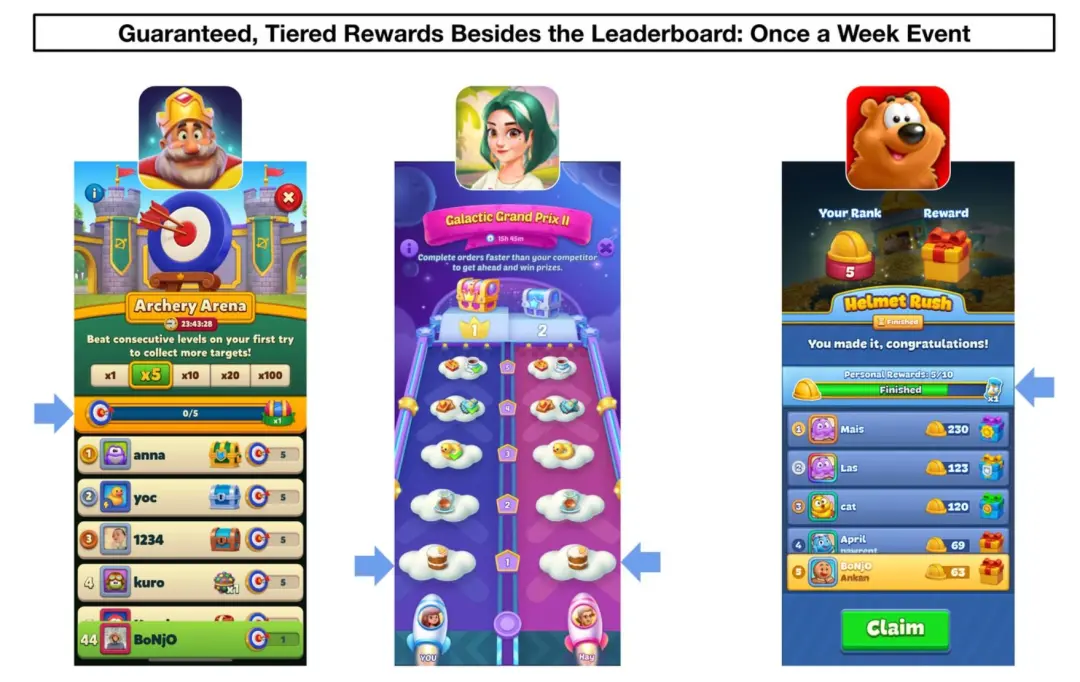
2️⃣ Hybrid Competition & Achievement Events
Key shift: From pure leaderboards ➡ “competition + personal achievement tracks”
Challenges with pure competition:
- Few winners, many repeated losers
- Casual players feel discouraged, abandon play
Hybrid format:
- Leaderboard for competitive players
- Individual progress rewards for everyone
- Milestone cap to prevent reward inflation
Benefits:
- Broad appeal across payer and non‑payer segments
- Maintains monetization depth while improving retention

---
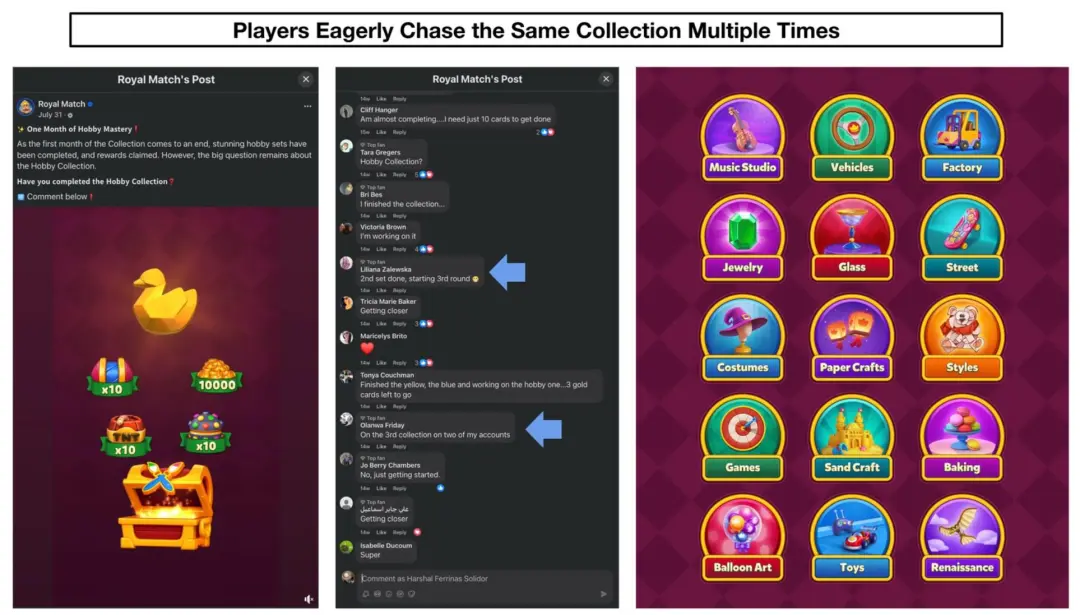
3️⃣ Endless Album Collections
Evolution: Seasonal, fixed‑length collections ➡ infinitely repeatable albums
Why the shift:
- Seasonal collections lead to downtime after completion
- Players love completion goals and progress tracking
- Endless albums remove content ceilings
Benefits:
- Continuous engagement for top players
- Stable retention and monetization across the season
- Long‑term motivation with scalable content loops
Economic Adjustments Required:
- Lower coin rewards (e.g., Royal Match reduced by ~30%)
- Balance reward pacing to avoid inflation

---
Why Convergence Happens
Live event strategies converge because they:
- Address shared player psychology: completion & competition
- Serve multiple player segments simultaneously
- Have been proven to drive retention and revenue
- Reduce design & operational risk by adopting known winners
---
Two Core Strategic Themes
1. Serving Key Player Segments
- Broad base (non‑payers): future conversion potential
- Top‑tier payers: majority revenue contributors
- Design principles:
- Engagement appeal for all
- Spend depth for high payers
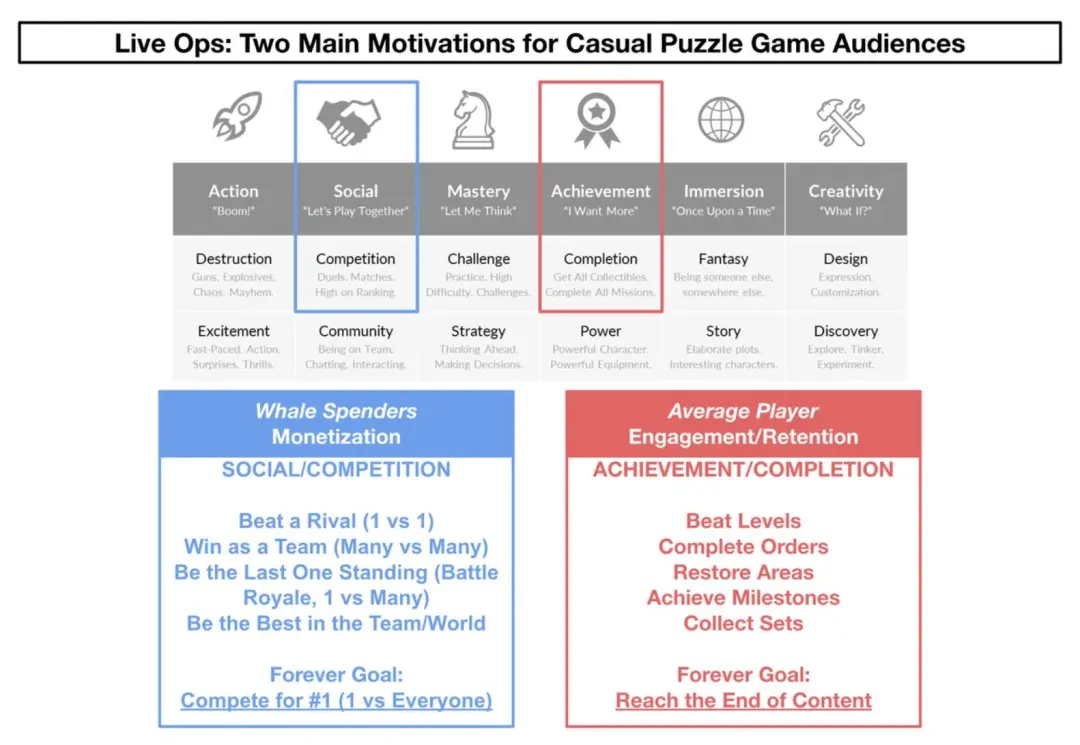
2. Addressing Fundamental Motivations
- Achievement / Completion: drive retention
- Social / Competitive: drive spending
---
The Role of AI in Future Live Ops
Platforms like AiToEarn官网 introduce a new dimension:
- Open‑source, global AI content monetization
- Generate ➡ Publish ➡ Monetize across platforms (Douyin, Facebook, Instagram, YouTube, etc.)
- Connect tools for:
- AI content creation
- Cross‑platform scheduling
- Analytics & ranking
> Similar to how Live Ops unify in‑game systems, AI‑driven platforms unify content creation and distribution — enabling experimentation with event narratives, personalized challenges, and cross‑platform engagement.
---
Key Takeaway
In today’s highly competitive casual puzzle market:
- Strong core gameplay is only the starting point
- The true revenue driver is a scalable, dual‑purpose Live Ops strategy
- Top titles monitor and adopt emerging formats rapidly to stay competitive
- AI‑powered tools may be the next accelerant for innovation within converging frameworks
---
Do you want me to prepare a compact, one‑page strategy summary table for these three core Live Ops tactics so your design and monetization teams can quickly reference them? That would make this analysis instantly actionable.