Full Version: Joe Tsai’s In-Depth HKU Talk in November — China’s Unique AI Advantages and the Next Decade’s Tech Drivers | Infographic + Full Transcript (17,000 Words) with Video
2025 Edward Chen Distinguished Lecture Series — Joe Tsai at HKUST
No reproduction without permission 🌟 Star this page to get the latest top insights
整理: Web3 Sky City
---
Overview
This session in the Edward Chen Distinguished Lecture Series featured Joe Tsai, Co-Founder and Chairman of Alibaba Group, in a fireside chat at The Hong Kong University of Science and Technology.
Tsai traced Alibaba’s growth from a B2B trading platform to a cloud computing leader and examined how advanced manufacturing and AI deployment will drive China’s economic growth over the next decade.
---
Highlights of Tsai’s Perspective
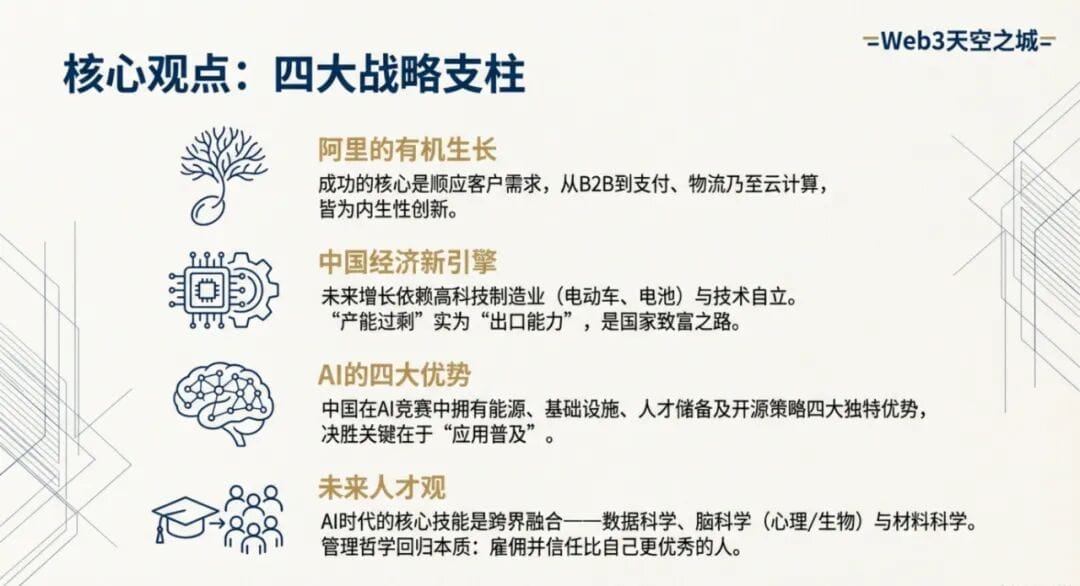
- AI Advantages in China: Energy costs, infrastructure affordability, deep STEM talent, and an open-source model strategy.
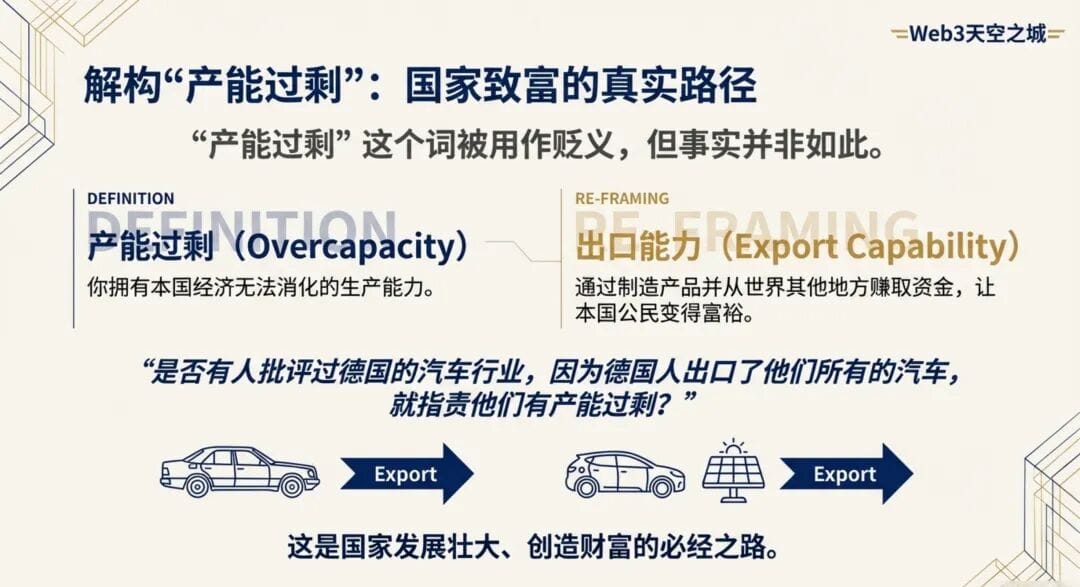
- Reframing “Overcapacity”: As an export capability that builds national wealth, not an economic fault.
- Advanced Manufacturing as Growth Engine: Electric vehicles, batteries, and solar panels will define high-tech exports.
- Open-Source AI: Lower cost and better data privacy versus closed-source U.S. models.
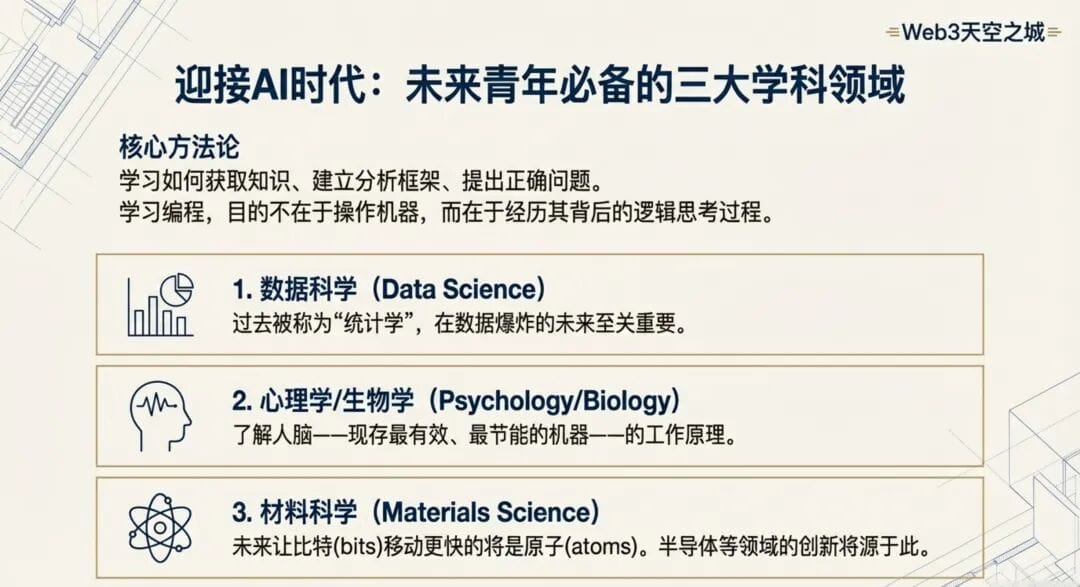
- Advice to Youth: Learn data science, psychology/biology, materials science, and programming logic.
---
Key Takeaways
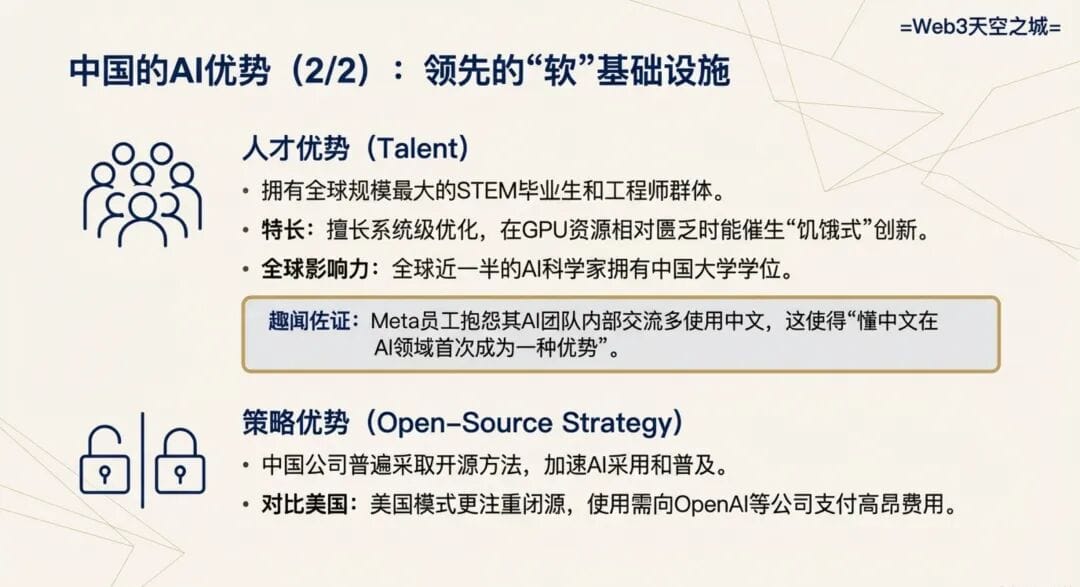
> "China has the largest group of STEM graduates and engineers in the world. Scarcity of GPU resources drives a ‘hunger advantage’ — optimization under constraint."
>
> "‘Overcapacity’ means the ability to export surplus production — it’s a path to prosperity."
>
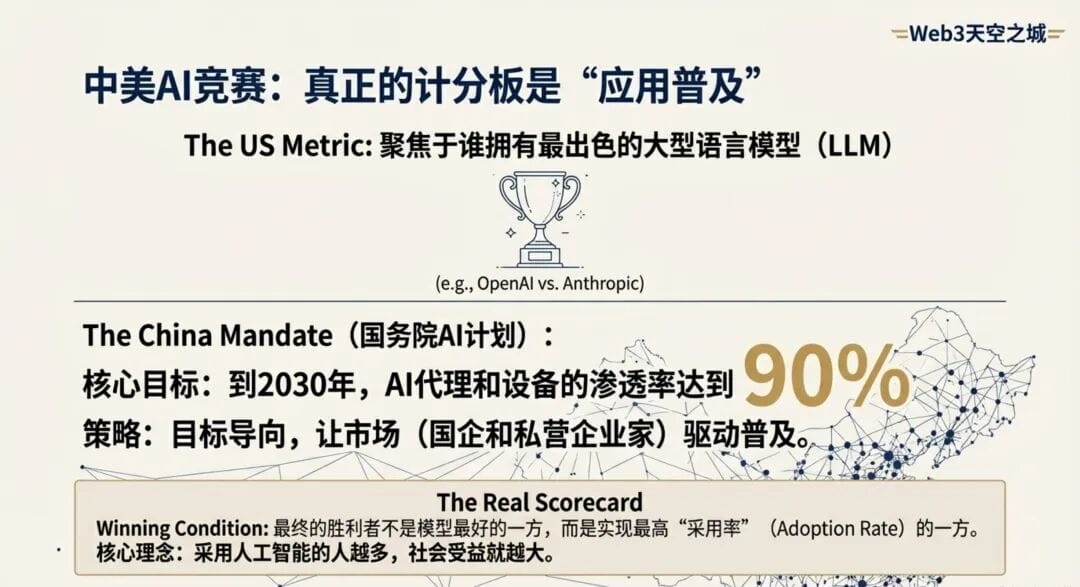
> "AI race wins will be measured by adoption rates, not model size."
>
> "Open-source enables private clouds and real control over data."
>
> "Atoms will make bits run faster — materials science will unlock the next wave."
---
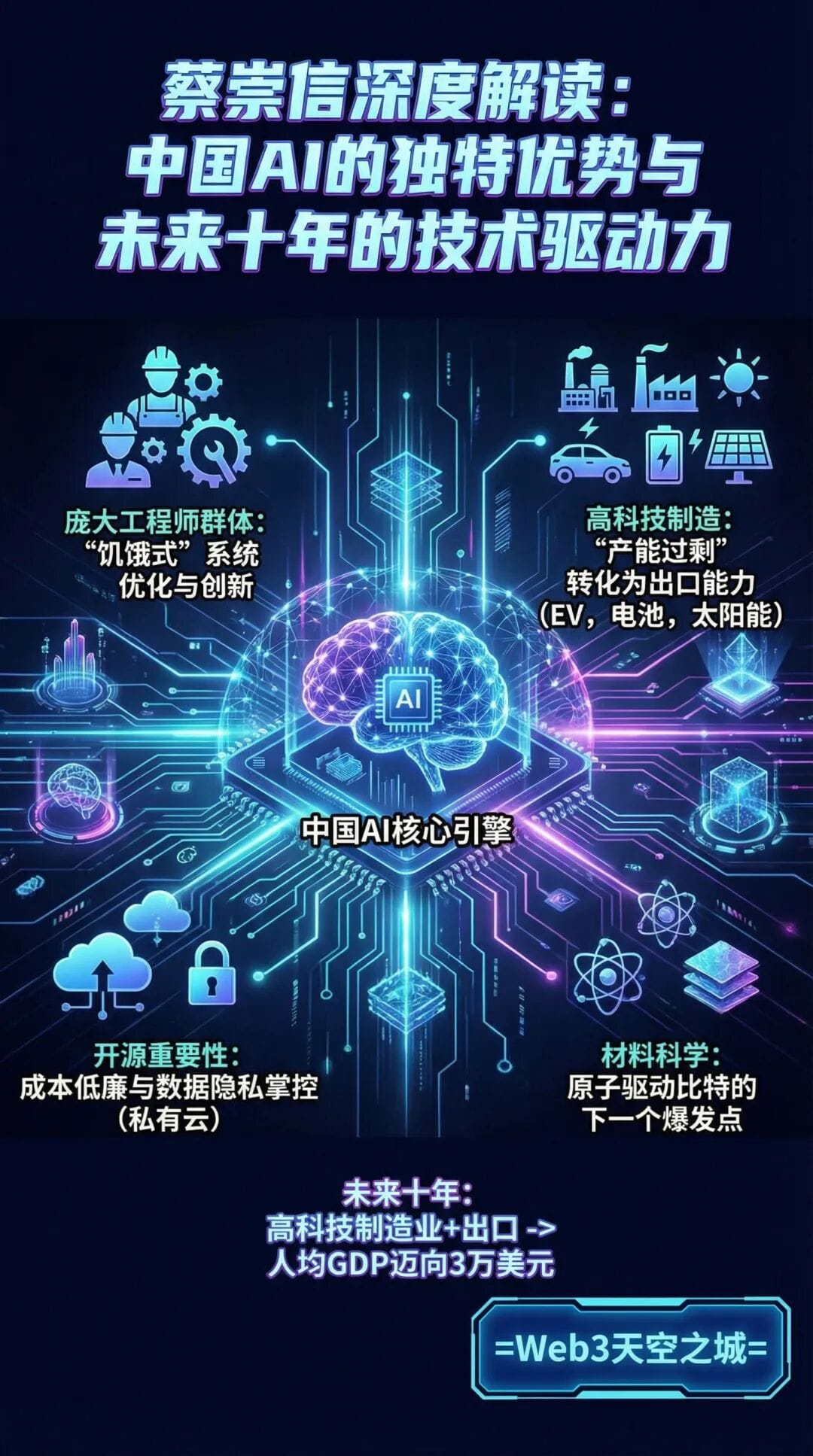
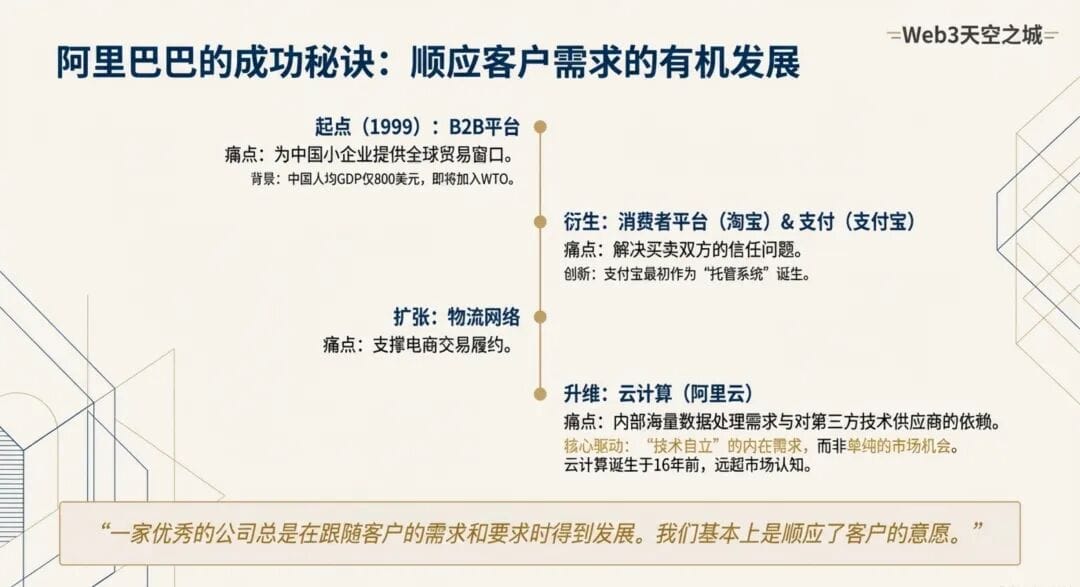
Alibaba’s Success Formula
- Originated organically from customer pain points: trust, logistics, payments → Alipay, Taobao.
- Built cloud computing to process massive data internally and ensure tech self-reliance.
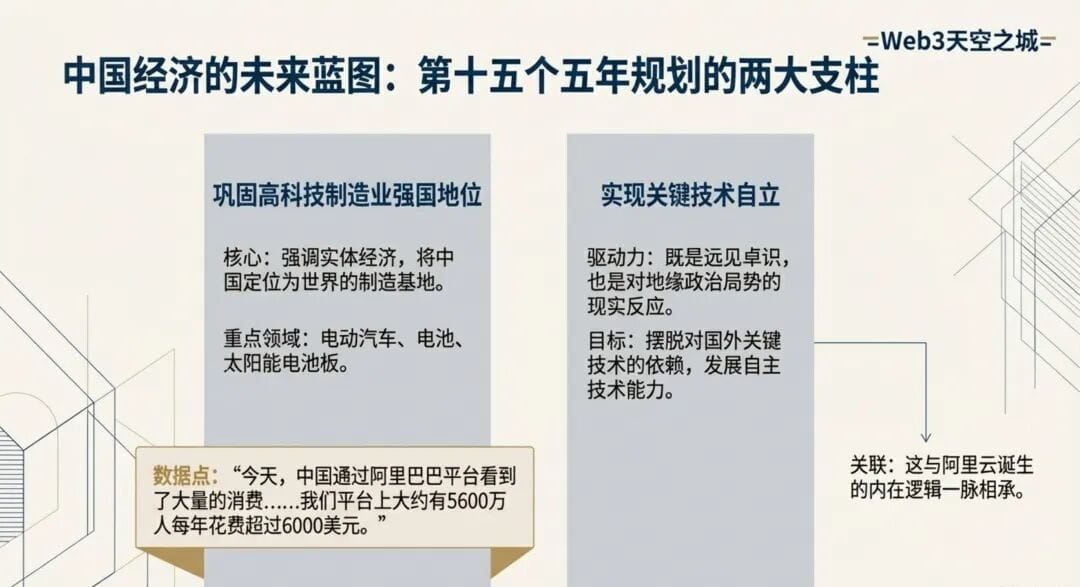
Drivers of China’s Growth (Next 10 Years)
- Advanced Manufacturing: EVs, batteries, solar panels.
- Technological Independence: Domestic R&D and production.
- Export Capability ("Overcapacity"): A sign of prosperity.
China’s AI Advantages
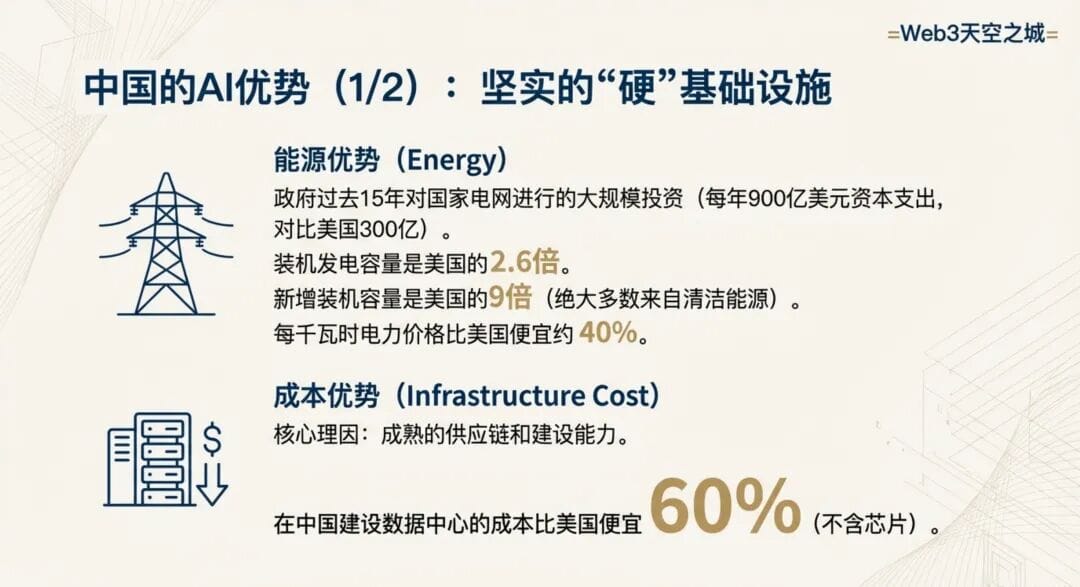
- Energy Efficiency
- Investment by national grid → Low-cost, clean power transmission.
- Low Infrastructure Costs
- Data centers in China ~60% cheaper to build.
- STEM Talent Pool
- Largest global supply of engineers skilled in system-level optimization.
- Open-Source Strategy
- Promotes adoption and preserves data privacy.
---
Open-Source Ecosystems as Growth Catalysts
Platforms like AiToEarn官网 illustrate applied AI innovation:
- AI content generation.
- Cross-platform publishing across Douyin, Kwai, WeChat, Bilibili, Xiaohongshu, Facebook, Instagram, YouTube, X (Twitter).
- Analytics and AI model rankings (AI模型排名).
This aligns with Tsai’s view: lower barriers to advanced tools → broader adoption → higher societal benefit.
---
High-Tech Manufacturing — China’s Economic Engine
Tsai rejects the Western “overcapacity” critique:
- Analogy: No one calls Germany’s auto exports “overcapacity”; it’s export ability.
- Shift to High-Tech Manufacturing: From textiles to EVs, batteries, solar panels.
- Outcome: Lower costs, scalable production, full supply chain coverage.
- Goal: Raise China’s per capita GDP toward USD 30,000.
---
Energy, Cost, and Talent — China’s AI “Hidden Cards”
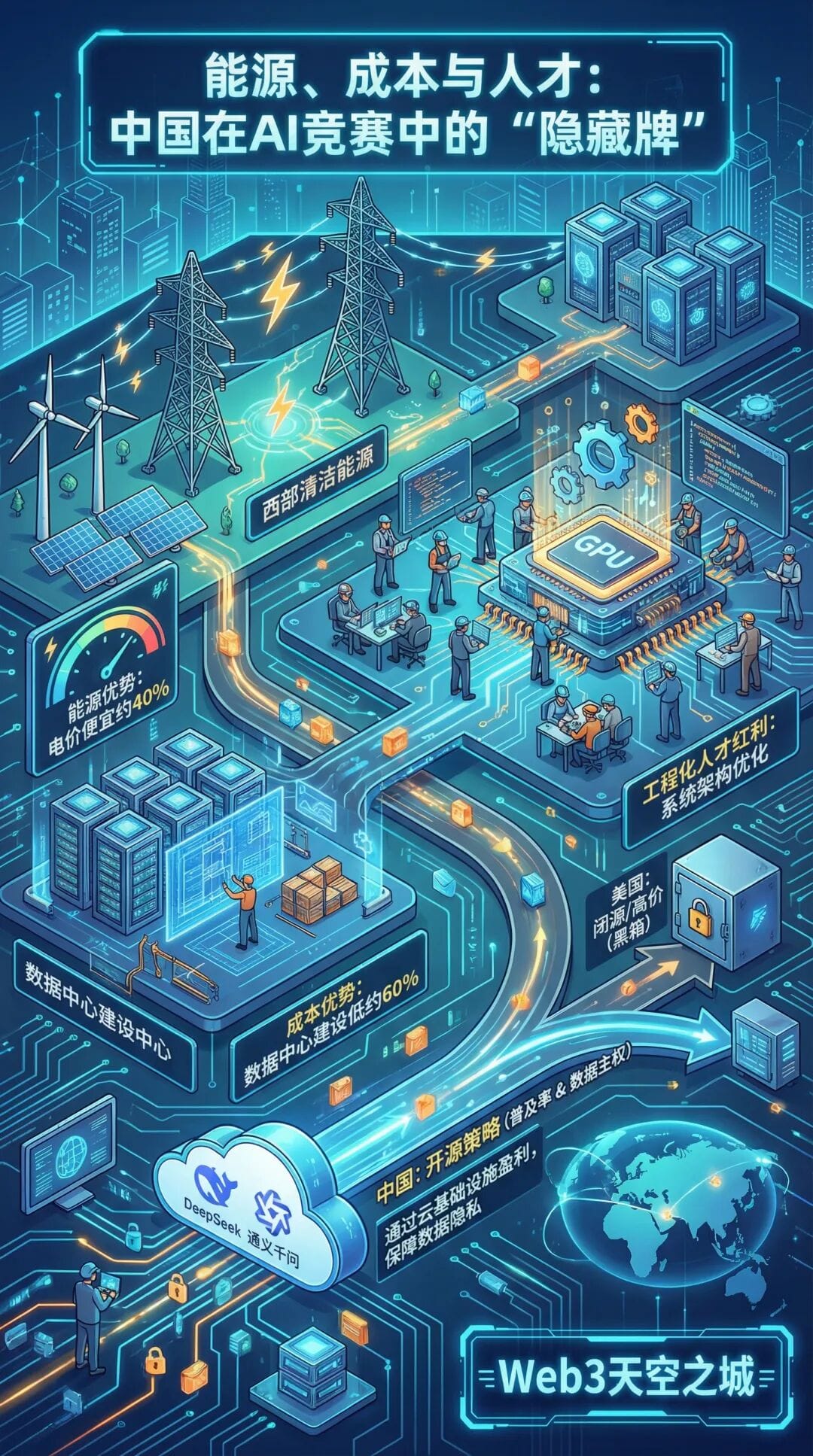
1. Energy Advantage
- National grid investment (~USD 90B/year) vs. US (~USD 30B/year).
- Electricity cost per kWh ~40% lower than US.
2. Infrastructure Cost Advantage
- Data centers ~60% cheaper to construct in China.
3. Talent Advantage
- Largest STEM graduate pool worldwide.
- GPU scarcity drives systems architecture innovation.
- Distinction between “scientists” and “engineers” — most AI tasks are engineering problems.
---
The Open-Source Strategy
- U.S. Approach: Closed, high-cost APIs (e.g., OpenAI).
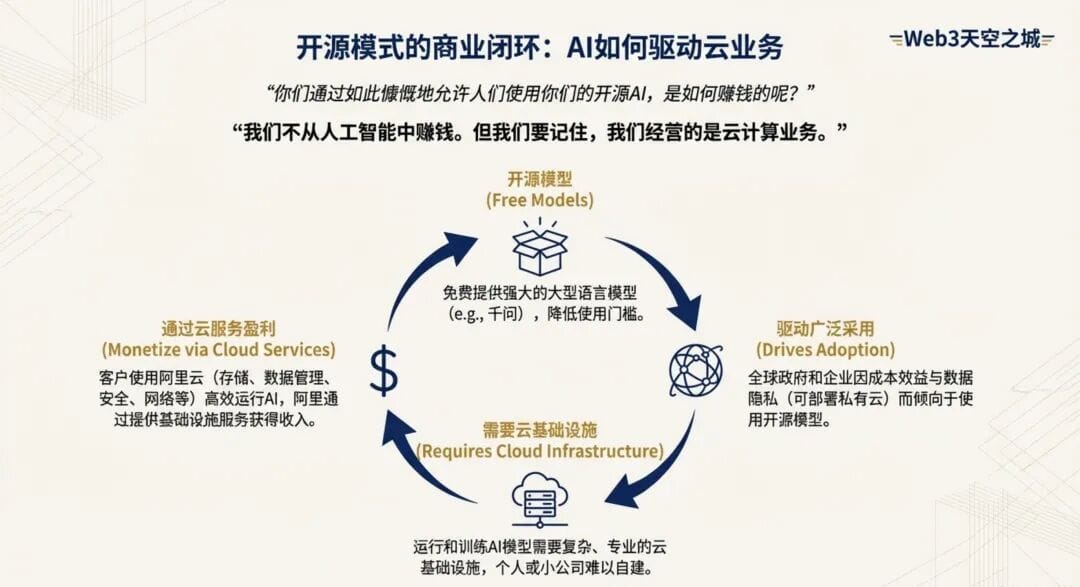
- China’s Approach: Open-source models (e.g., Alibaba’s Tongyi Qianwen, DeepSeek).
- Benefits:
- Cost efficiency.
- Sovereign AI options for countries/regions with limited R&D.
- Private-cloud deployment for data sovereignty.
---
Alibaba’s Organic Evolution
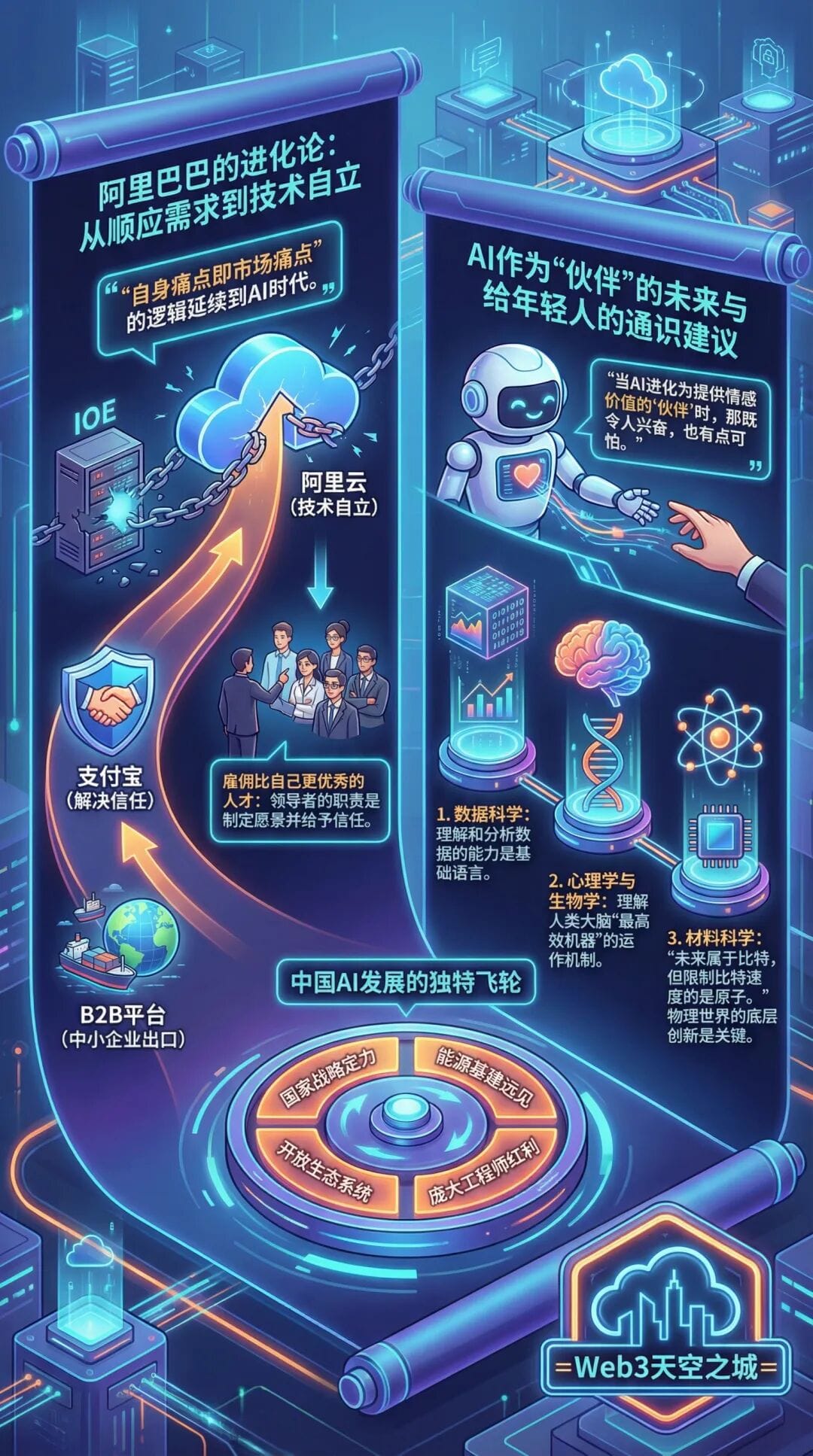
From B2B Platform → Consumer Marketplace → Cloud Computing → AI
- Alipay solved trust issues.
- Logistics built for delivery reliability.
- Cloud computing built out of necessity — traditional IT costs would erode profits.
- AI strategy: build large models, open-source them, earn from cloud infrastructure usage.
---
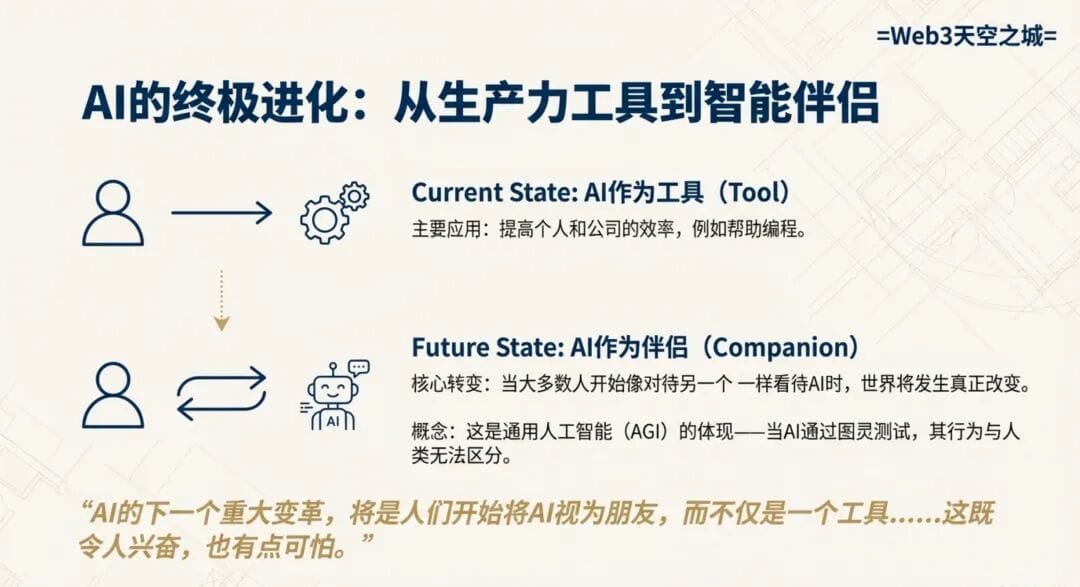
Tsai’s Vision — AI as “Partner”
Future AI may offer emotional value and companionship:
- Transform from productivity tool → societal partner.
- Raises exciting and unsettling human behavioral questions.
---
Advice for Young People
Skills to Develop:
- Knowledge Acquisition — Learn how to learn.
- Analytical Frameworks — Critical thinking.
- Programming Logic — Like learning a foreign language for machines.
Domains to Study:
- Data Science — “Statistics for the digital era.”
- Psychology/Biology — Understand the human brain.
- Materials Science — Atoms enable faster bits; critical for chips and energy.
---
---
Sports, Culture, and Education — Transcript Highlights
NBA in China
- 2024 marked first NBA games in China in 6 years.
- Aim: deepen fan connections in world’s largest basketball market.
Cultural Exchange via Sports
- Tsai’s philanthropy sends top Chinese student-athletes to U.S. high schools.
- Builds talent and mutual cultural understanding.
---
Career Decisions and Risk
- Seek asymmetric risk/reward opportunities.
- Be ready when opportunity comes.
- Example: Leaving secure job to join Alibaba in 1999 — capped downside, unlimited upside.
---
Leadership Philosophy
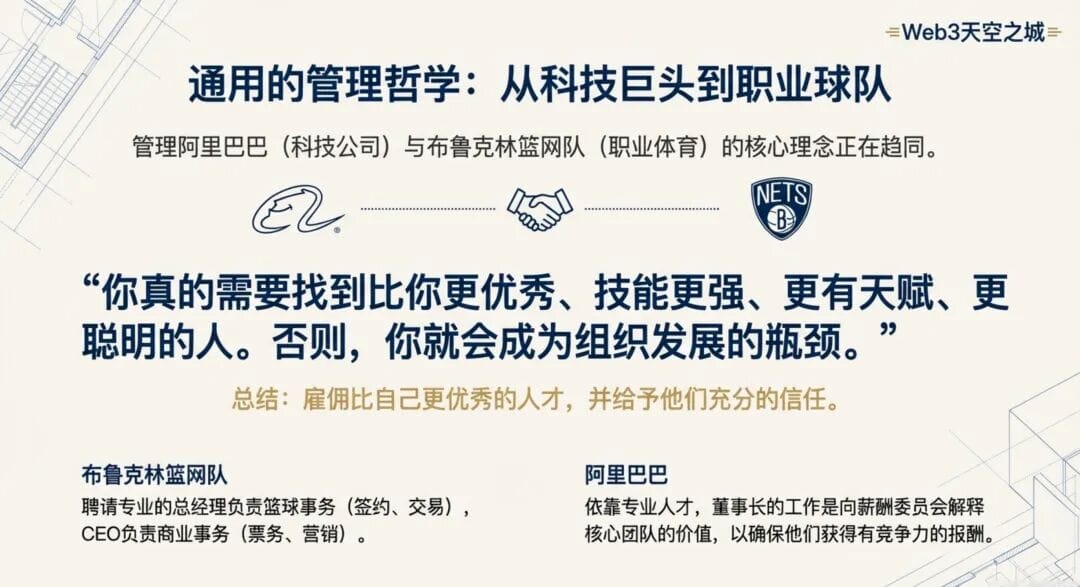
- Hire people better than yourself.
- Empower them and avoid becoming a bottleneck.
- Applies equally in business and professional sports.
---
AI Market Outlook
- AI is a real technological wave, even if stock valuations form bubbles.
- Adoption rate is the real scoreboard in the China–US AI race.
---
Connecting Vision to Platforms Like AiToEarn
Platforms such as AiToEarn官网 embody:
- Open-source AI principles.
- Content monetization via multi-platform publishing.
- Analytics + model rankings.
- Bridging technology, creativity, and audience reach.
---
Alibaba’s AI Strategy (Condensed)
- Build large language models + cloud computing together.
- Profit from cloud while enabling widespread AI use via open-source.
---
Links:
---
Summary:
Joe Tsai’s insights bridge China’s manufacturing strength with its AI deployment strategy, highlighting open-source collaboration, cost-efficiency, and talent as competitive levers. For entrepreneurs and creators, the message is clear — prepare your skills, watch for asymmetric opportunities, and embrace platforms that lower adoption barriers to frontier technologies.
---
Would you like me to also produce a one-page executive summary of Tsai’s lecture with all stats and quotes for quick reference? That could make it even easier for readers to grasp his main points fast.