
Future iPhones Aim to Eliminate “No Service” with Satellites
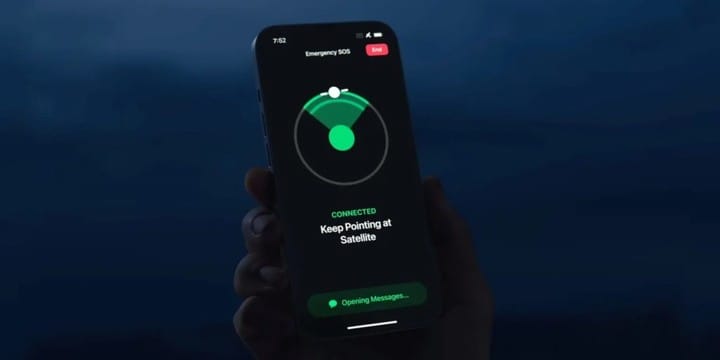
No Signal? Apple’s Satellite Ambitions Aim to Change That
Imagine traveling to a remote mountain forest, pulling out your iPhone to share photos, only to see “No Service” on your screen.
For many foreign users, that frustrating moment could soon disappear. According to Bloomberg, Apple is working on richer, more advanced satellite communication functions — potentially even integrating 5G networks and moving far beyond its current emergency-only capabilities.
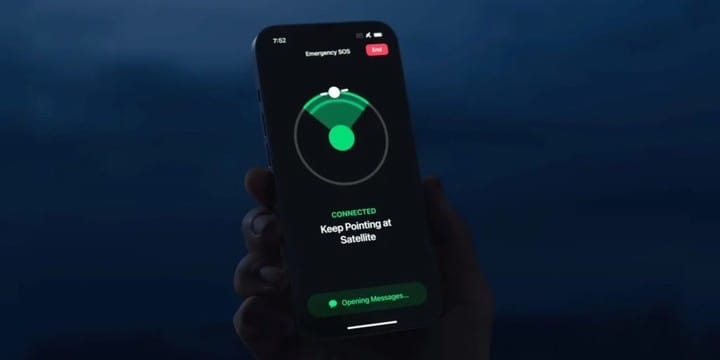
While the changes may have little direct impact on mainland China iPhones right now, they signal a bigger shift in the mobile industry.
---
Apple’s Satellite Grand Plan
Apple’s interest in satellite communications began a decade ago, driven by an ambitious vision:
Replace ground base stations with satellites to deliver global internet access.
At the time, the technology wasn’t ready. Apple proceeded step-by-step:
Timeline of Apple’s Satellite Features
- iPhone 14 (2022) — First satellite capability, limited to contacting rescue services when no network is available.
- 2023 — Satellite iMessage support for text messaging without cellular/Wi‑Fi.
- Apple Watch Ultra 3 (2024) — Satellite connectivity added to wearables.
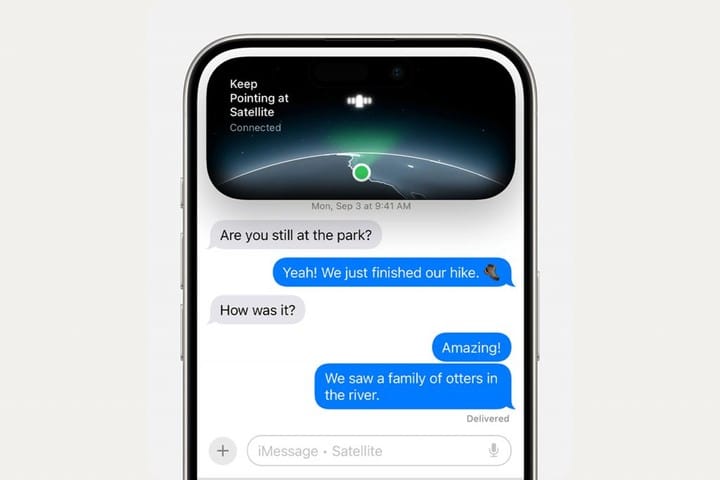
Apple’s product philosophy: launch a basic function first, then iterate until the experience is complete.
---
What’s Next: Bloomberg Reports Apple is Developing
- Third-party satellite API — Devs can integrate satellite connectivity into their apps.
- Satellite Apple Maps — Navigation without cellular/Wi‑Fi.
- Photo messaging — Send images over satellite iMessage.
- Improved connectivity — Works even indoors, in pockets, or cars.
- Non-Terrestrial Network (NTN) 5G — Future iPhones will support satellites as part of 5G infrastructure.
Apple’s focus is on reducing limitations, expanding satellite use cases, and making iPhone’s connectivity a competitive advantage.
Note: Apple currently has no plans for first-party satellite voice calls, video chats, or full web browsing.

---
Partners & Possible Competitors
Currently, Apple relies on Globalstar — a smaller provider with an aging but sufficient satellite network.
Competing head-to-head:
Starlink (owned by Elon Musk) — the leader in satellite internet, reportedly eyeing a $10B acquisition.
Reported History with Starlink
- Pre‑iPhone 14, Musk offered exclusive Starlink service for iPhones.
- Apple declined, choosing Globalstar.
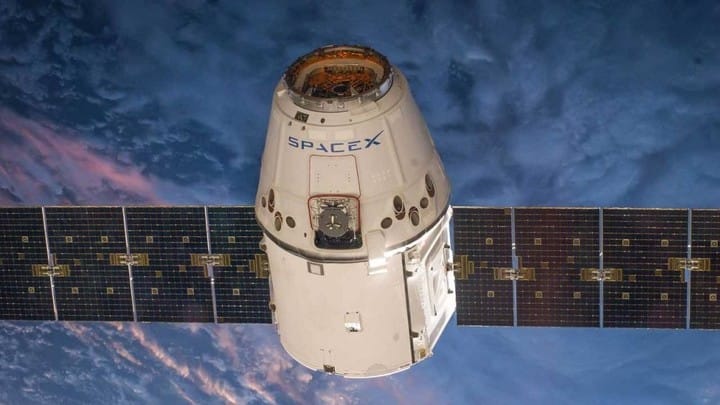
If Starlink’s acquisition happens, Apple may need to decide:
Partner with Starlink, build its own network, or find another provider.
---
Apple’s Strategic Caution
Apple prefers user experience control and privacy compliance, but internal debates swirl.
Reasons for avoiding becoming a direct satellite operator:
- Minimal revenue potential
- Potential regulatory complications
Apple even postponed making satellite service paid to avoid “telecom operator” classification.
Investment note: Apple has put $2B into Globalstar and could acquire it early — but acquisition is unlikely.

---
Potential Role of Starlink
Starlink could bring Apple full internet via satellite, but:
Currently:
- Smartwatches with Starlink → text messaging in no-service areas
- Phones → basic messaging only; full internet needs antennas


Starlink’s roadmap:
- Adjust satellites for mobile frequency compatibility
- Launch Gen‑3 mobile network satellites next year
- Explore direct integration into mobile chipsets
This could make Apple’s 10‑year global internet dream possible.
---
Industry Roots: From Motorola to Huawei
Early Satellite Communication: Iridium Project
- 1990s — Motorola wanted full global coverage via satellites.
- High costs and fast cellular expansion → bankruptcy in 9 months.

Modern Resurgence
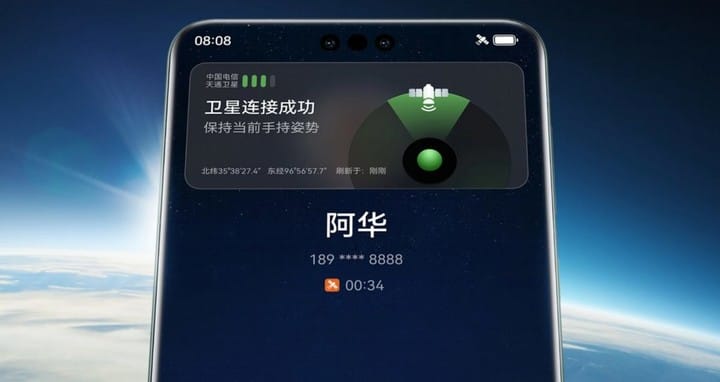
- Huawei launched satellite-enabled phones alongside Apple in 2022.
- Domestic brands in China already support image messaging and satellite calls.
---
Off-Network Communication Options
Satellite isn’t the only backup:
- Bluetooth short-range messaging
- Device-to-device relay without base stations
- No network needed

---
Apple’s Walkie-Talkie Project (Possible Return)
- 2018: Planned offline “walkie-talkie” chat without Wi-Fi/cellular.
- Paused after Intel baseband dependency issues.
- May return as Apple integrates its own C-series baseband chips.

---
Looking Ahead
Whether it’s satellite or other offline tech, these are still supplementary to today’s primary base station networks.
The ultimate goal:
> Communicate anywhere, anytime — without limits.
---
Connecting Communication & Creativity
Platforms like AiToEarn官网 show how emerging ecosystems combine:
- AI content generation
- Multi-platform publishing (e.g., Douyin, Kwai, Bilibili, Facebook, YouTube)
- Data analytics
- Monetization
Much like Apple and Starlink aim for seamless connectivity, AiToEarn enables seamless global reach for creators — bridging content and technology across boundaries.
---
In summary: Apple’s satellite expansion could mark the beginning of a new connectivity era — not just for emergencies, but for everyday life, linking people wherever they are. The challenges are technical, strategic, and regulatory — yet the potential reward is worldwide coverage without compromise.