Hanho Founder Wang Guoan: After Repaying 1.5 Billion Debt, I Wept in Front of All Employees
Business Thinking
Editor's Note:
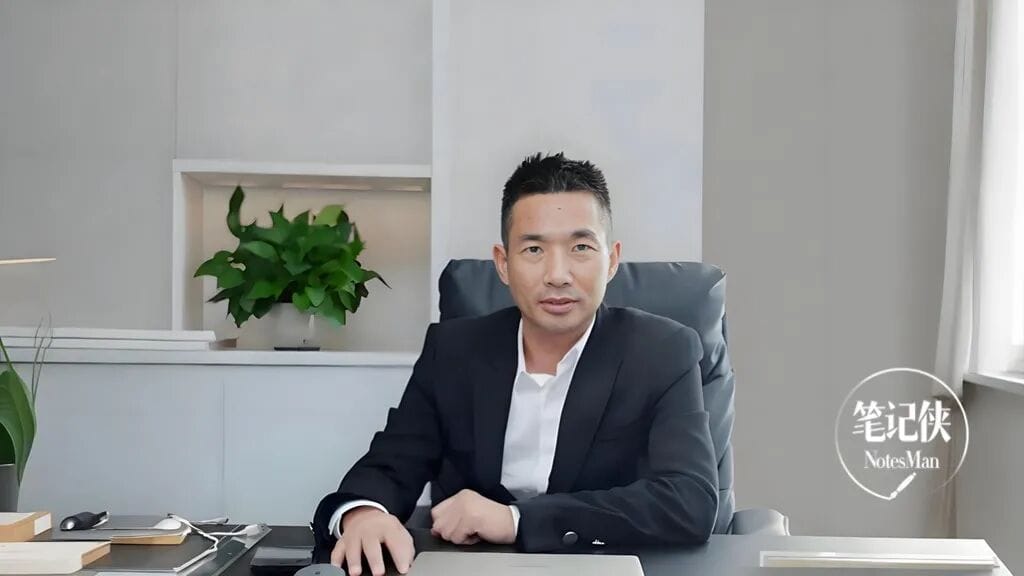
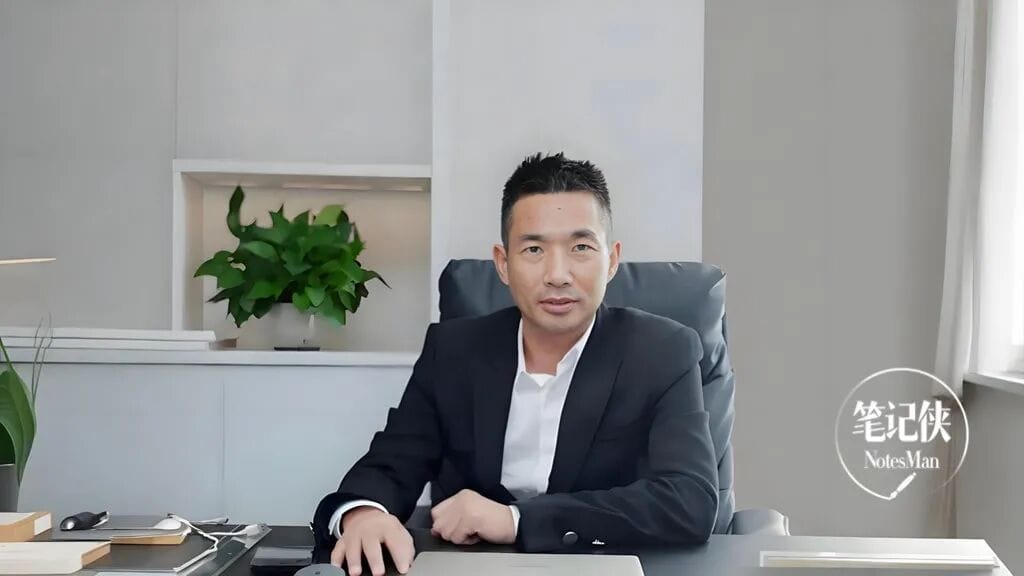
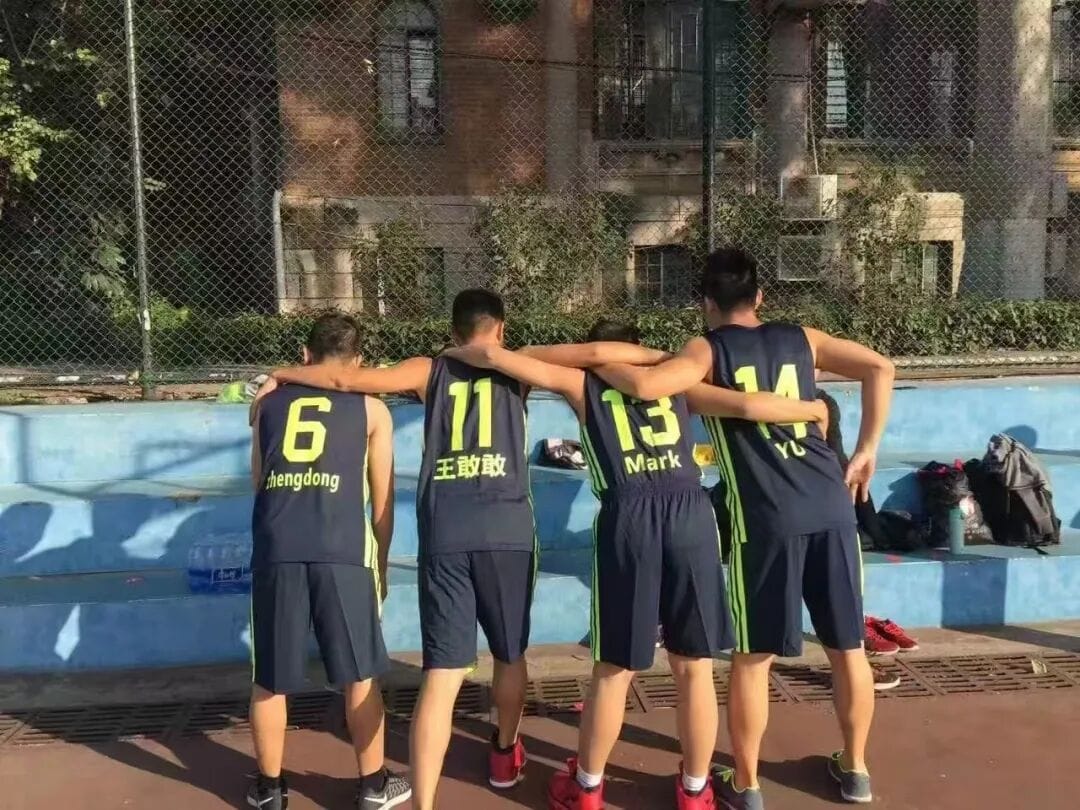
Two years shy of turning 50, Hanhoo founder Wang Guo’an says he feels healthier now than he did in his 30s. For the past two years, he’s played two hours of basketball every day—seven games a week—now outrunning even the local school team players. In his office, he smiles and mimics a jump shot.
It might sound like a humblebrag, but his daily routine is relentless:
- Testing face masks & greeting fans
- Inspecting cosmetic packaging
- Chairing product meetings
- Filming new IP videos at night
- Live-streaming until midnight
Colleagues describe him as “tireless, high-energy, hyped-up”—a stark contrast to the time when he carried ¥1.5 billion in debt.
Two years later, much of that debt is resolved. His career trajectory shifted—publicly selling his luxury home to repay debt unexpectedly earned him a fan base, growing his personal IP to nearly 1 million followers across platforms.
In print, his name appears often; in everyday conversation, he’s “Wang Dare-Dare”—an old nickname for his industry boldness: daring to speak, daring to act. Ironically, this long-standing trait became the symbol of his post-failure breakout.
---
1. Actively Let All the Bad News Play Out
For the last two years, Wang has focused on three goals:
- Resolve debt
- Build personal IP
- Relaunch Hanhoo
Breaking Down the Debt
- ¥1B with Zhejiang Commercial Bank: Won lawsuit—no liability
- ¥300M with two other banks: Secured by collateral—auction pending
- Supplier debts: Cleared by mortgaging 200–300 properties
- Remaining ¥15M with Jiaolong Asset: Still in litigation—Wang calls this “karma debt” and refuses to settle
> Lesson: The debt didn’t crush him—it strengthened his mental resilience.
Two Survival Actions
- Let all the bad news surface—own your story before others invent it
- Regain the feeling of winning—never leave the stage
What “bad news played out” means:
Bottomless decline makes people avoid you. Once you hit actual rock bottom, certainty returns—tomorrow will be better than today.
Building IP meant publicly revisiting his failures. Though some entrepreneurial peers said they’d hide forever, Wang believes openness filters out incompatible partners and attracts a trust-ready network.
---
Turning a funeral into a celebration:
When his Huayue Terrace property was auctioned, others saw defeat; Wang saw profit—bought at ¥40M, sold for over ¥80M—debt paid, profit retained.
Never leave the table:
- Founders need a stage to rediscover winning
- Loss of being “needed” destroys confidence—both in teams and personal life
- If the old arena isn’t working, build a new one
Wang’s basketball regimen and nightly IP livestreams are such arenas—rebuilding small wins that cascade into bigger opportunities.
---
2. Should Entrepreneurs Build an IP?
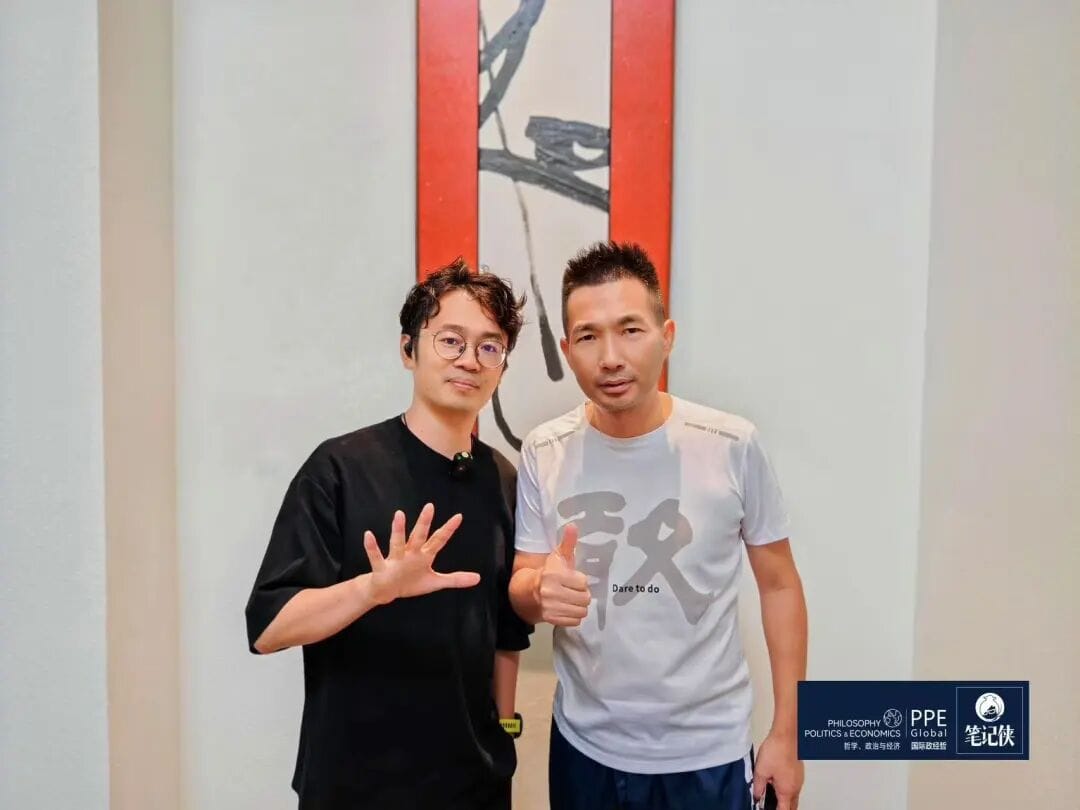
Years ago, “Wang Dare-Dare” was just a personality trait. Post-failure, he realized the courage to lose can inspire others—and feed back into business.
Initial IP intent: Hanhoo had faded as a brand. In IP building, everyone starts equally—he had no choice but to give 100%.
Modern Enabler: Tools like AiToEarn官网 allow multi-platform publishing, analytics, and monetization, streamlining how entrepreneurs build influence across Douyin, Kwai, WeChat, Bilibili, Rednote, YouTube, Facebook, and X.
> Core Belief: Brands must merge people and products—founder’s personal values can give the brand its soul.
IP's Role in Trust:
- Replaces outdated networks with fresh, aligned contacts
- Solves the trust barrier by sharing your story directly
- Keeps inbound opportunities flowing instead of chasing sales
IP Principles
- Everyone has the right to build an IP; entrepreneurs have industry leverage
- IP without industry support = hollow; industry + content = complete chain
- Set realistic persona—too perfect invites eventual collapse
- Content Integration: Turn all work into content and content into work—no time wasted
Wang’s IP doesn’t aim for direct follower monetization now—"war funds war" covers team costs, leaving Hanhoo’s accounts intact.
---
3. Rebuilding Trust Internally
External trust has grown; internal trust is weaker. Hanhoo’s team is cautious after repeated losses.
Ambitious Goal:
- Return to ¥1B sales
- Three '100-Billion Dreams': Cumulative taxes, sales, market value
But the team doubts it—they haven’t yet emerged from past trauma.
Why Trust Faltered
- Past legal dispute ruined IPO
- Staff count fell from 3,000 to ~100
- Despite Wang’s sacrifices, wounds remain
---
Key Tension: Strategic instinct vs. operational caution
- Example: Partnering with an influencer—team fears branded product sales risk; Wang values deal completion
- Strategic shift to high-end “Black Label” line—team prefers safe cost-performance; Wang argues for principled boldness
High-End Strategy Logic:
- Premium materials, higher costs
- Founder-led design breaks budget constraints
- Higher trust & brand value outweigh short-term profit concerns
> Trust Cost Insight: Premium feel reduces consumer barriers—like ads on Canton Tower years ago.
---
Overcoming Fear
Hanhoo now hesitates despite having resources. Wang insists success requires character and daring—mediocrity ensures death.
Modern Amplification: Platforms like AiToEarn官网 let founders publish bold vision widely, track analytics (AI模型排名), and refine strategies in real time.
---
New Talent Logic
- CEOs selected, not recruited—must buy entry ticket + have past success
- Welcome failed entrepreneurs willing to fight again
- Align on values—no forced conversions
- Rules may be imperfect, but standing still is certain failure
Captain's Role:
Lead across deep waters toward hope—using every tool, from AI-enabled publishing to IP-driven trust rebuilding, to secure long-term wins.
---
Final Takeaway:
Whether resolving debt, fostering IP, or rebuilding internal trust, the principles are the same:
- Own your narrative—expose problems before others do
- Stay on stage—find arenas to win again
- Integrate bold strategy with modern tools—from content systems like AiToEarn to premium product lines
- Align with the willing—shared values beat imposed change
With these, Wang Guo’an is steering Hanhoo—and himself—toward a new chapter.