Huawei Mate X7 Review: The Ultimate Foldable That Makes You Forget It’s Folded
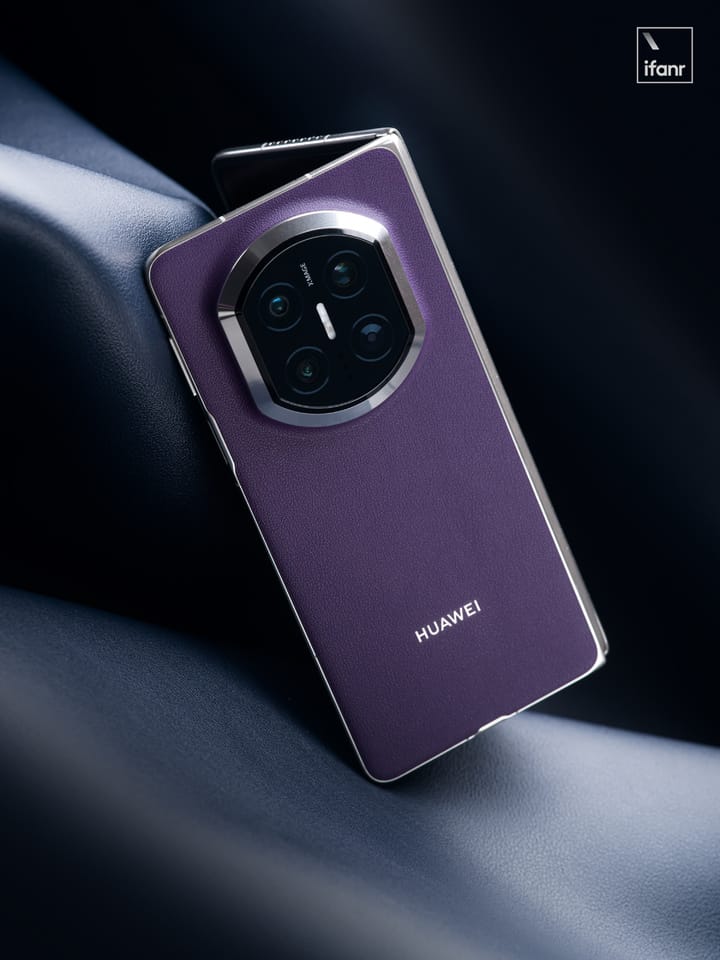
2025: The Year Large Foldable Phones Go Mainstream
As the only person on the iFanr editorial team who drinks water standing while using a large foldable phone, I can’t help but feel:
> 2025 marks the turning point for large foldable screens — moving past the “novelty” stage and standing shoulder-to-shoulder with slab phones.
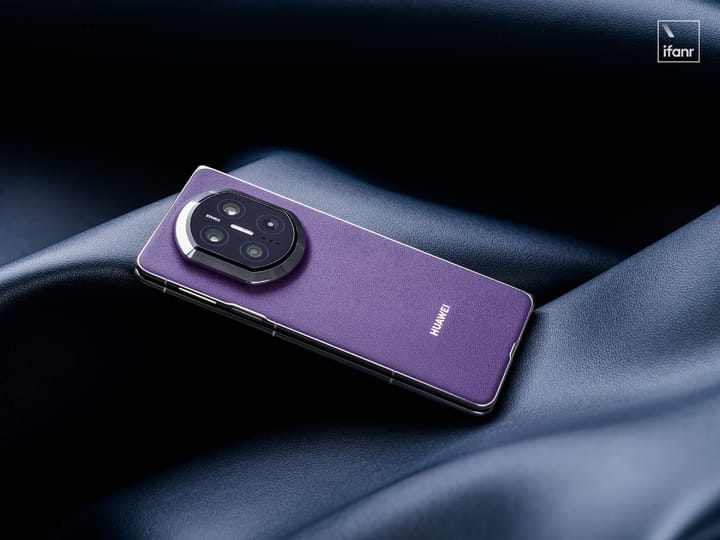
A prime example? The Huawei Mate X7 Collector’s Edition now in our hands.
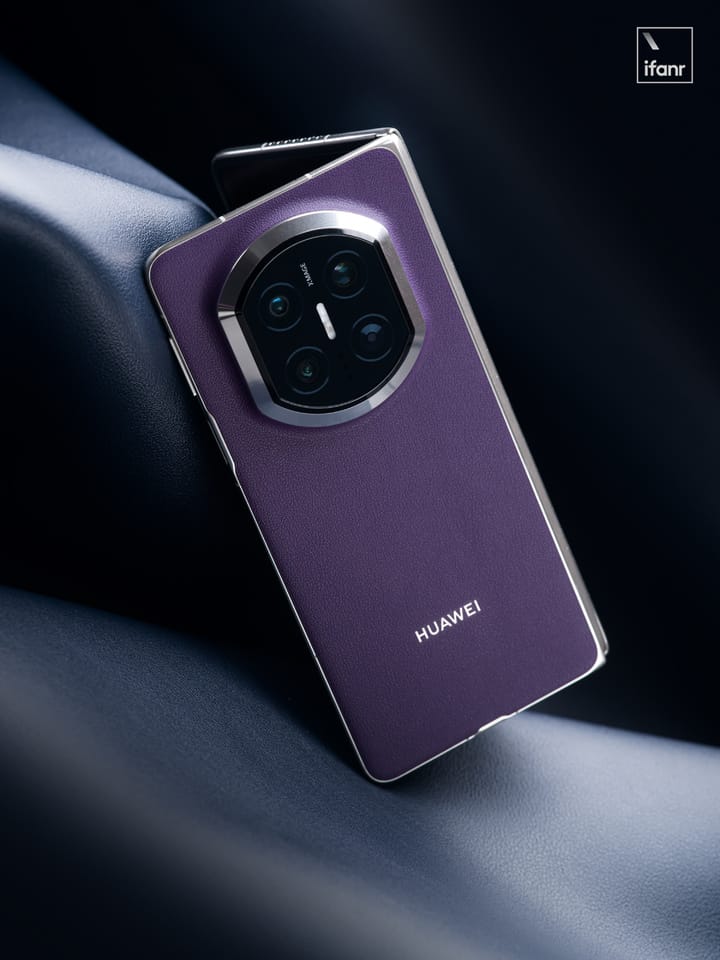
Huawei Mate X7: Six Years of Foldable Evolution
Entering the foldable market in 2019, Huawei now delivers its sixth-generation product — the 8‑inch Mate X7, running HarmonyOS 6, designed to make big screens genuinely useful.
The experience — both hardware and software — feels remarkably complete.
And buyers agree: Huawei holds 70% of China’s foldable market (IDC data, first three quarters of this year).
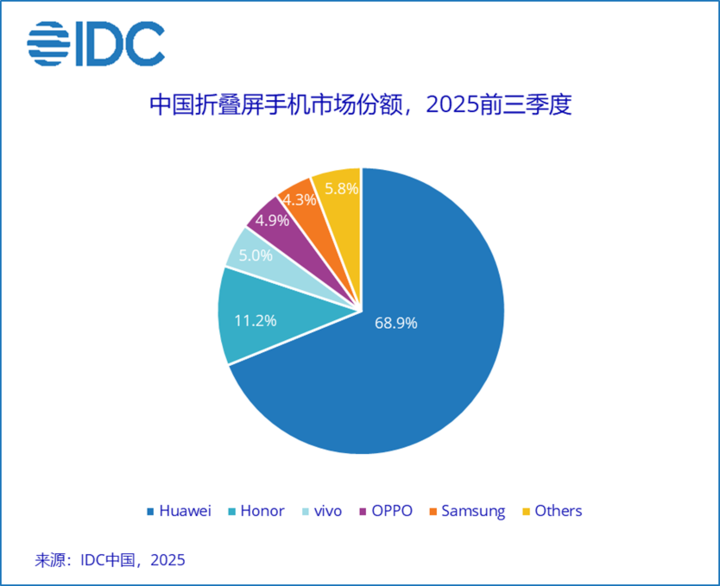
While small foldables fade from competitors’ lineups, the Mate X series drives Huawei’s dominance.
After using the Mate XTs (HarmonyOS 5.1), the Mate X7 is the first time I’ve seriously considered switching.
---
Imaging: No Compromise for Foldables
For years, foldables suffered under a common assumption:
> “Internal space limits will make hardware inferior to slab phones.”
The Mate X7 disproves this with balanced performance across scenarios.
Cameras — Flagship-Level on a Foldable
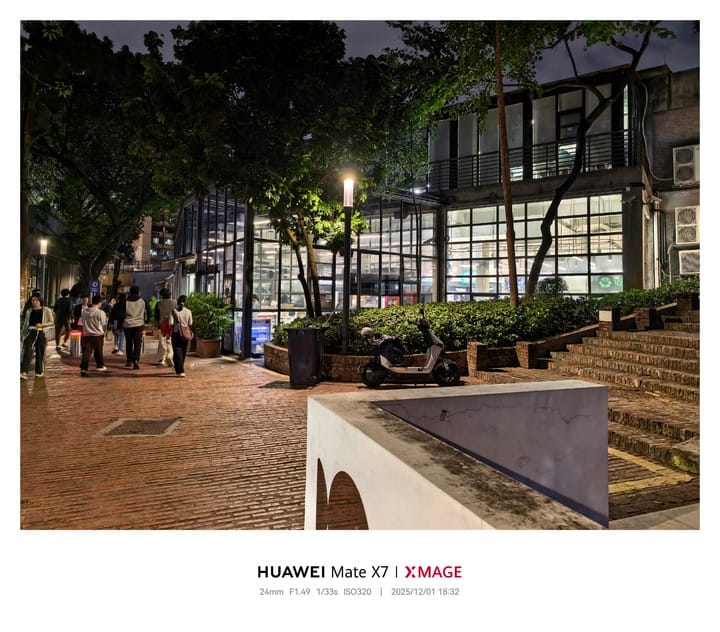
- Main Lens: 50MP ultra-high dynamic camera (same as Mate 80 Pro Max)
- Likely OmniVision LOFIC HDR tech
- f/1.49–f/4 ten‑stop physical aperture
- Telephoto: 50MP telephoto macro, f/2.2, RYYB sensor — exceptional night shooting performance
- Color Science: Second-gen Red Maple Primary Color Camera + Huawei XMAGE imaging brand, tuned for “non-intrusive yet engaging” results.
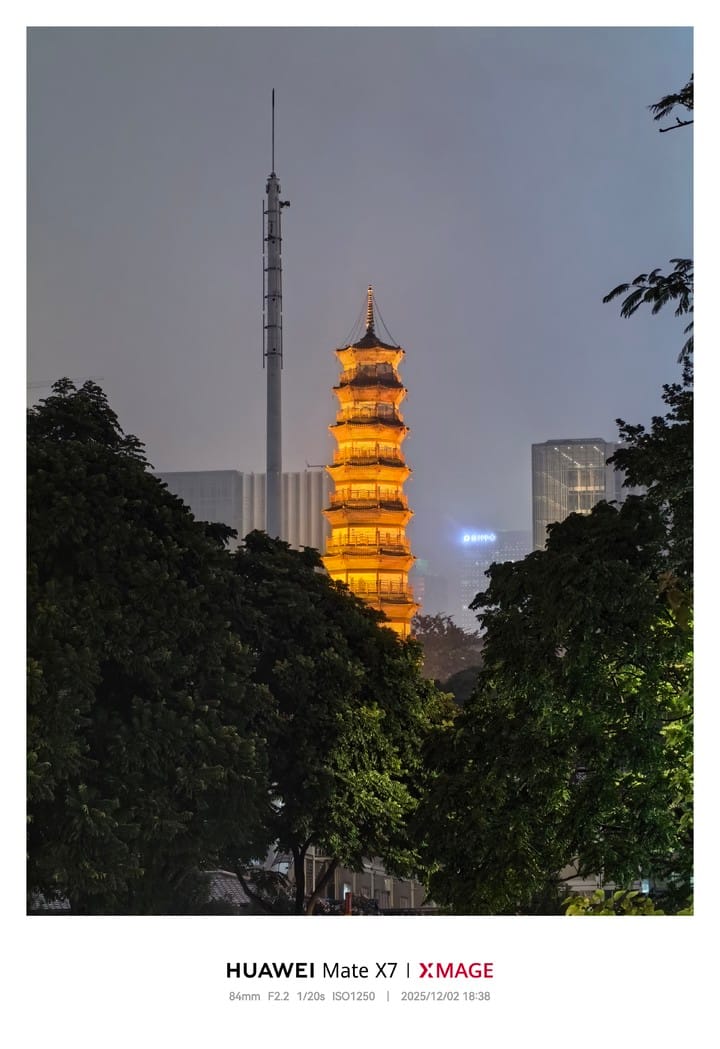
Even in complex lighting, color spill is minimized — natural light interpretation remains accurate.
---
AI That Makes Big Screens Practical
Big-screen appeal hinges on software — HarmonyOS 6’s upgraded AI assistant, XiaoYi, delivers.
Key Features
- XiaoYi Whisper: Voice assistant designed for convenience
- Split-Screen Linkage:
- OCR-powered reading & answering from the other side of a split-screen display
- Works in any third-party app, recognizing text/images without interrupting browsing.
- Finger-pause recognition for seamless queries.
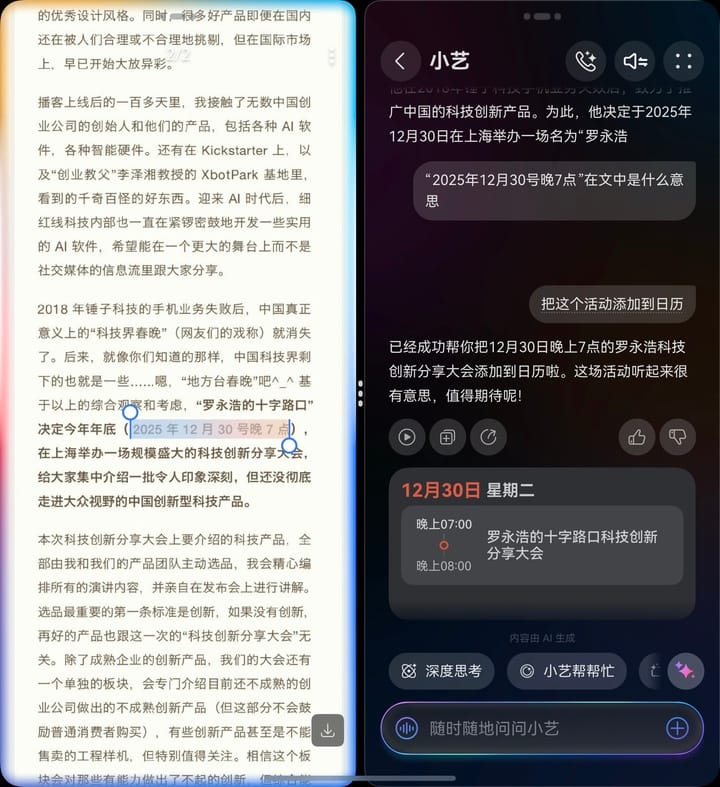
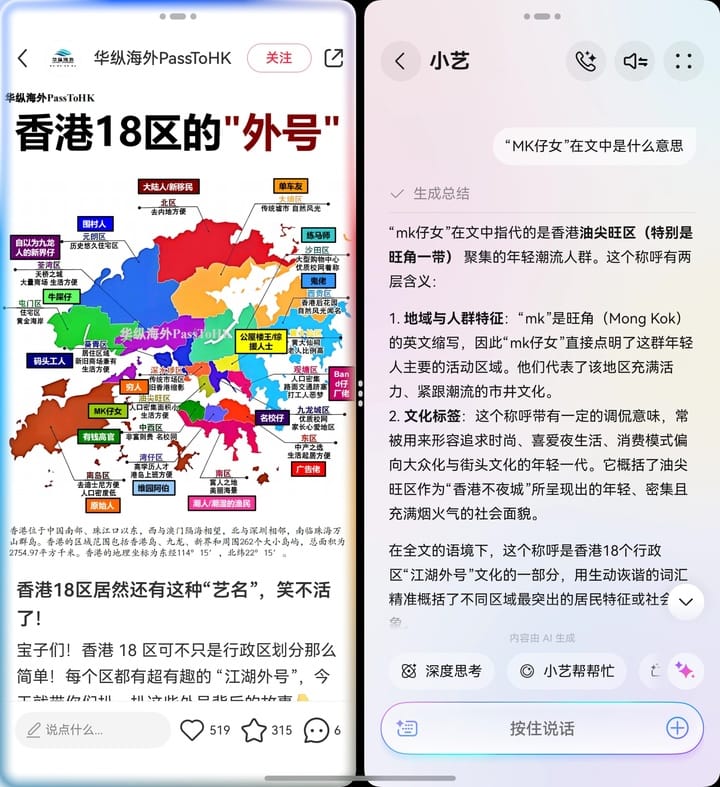
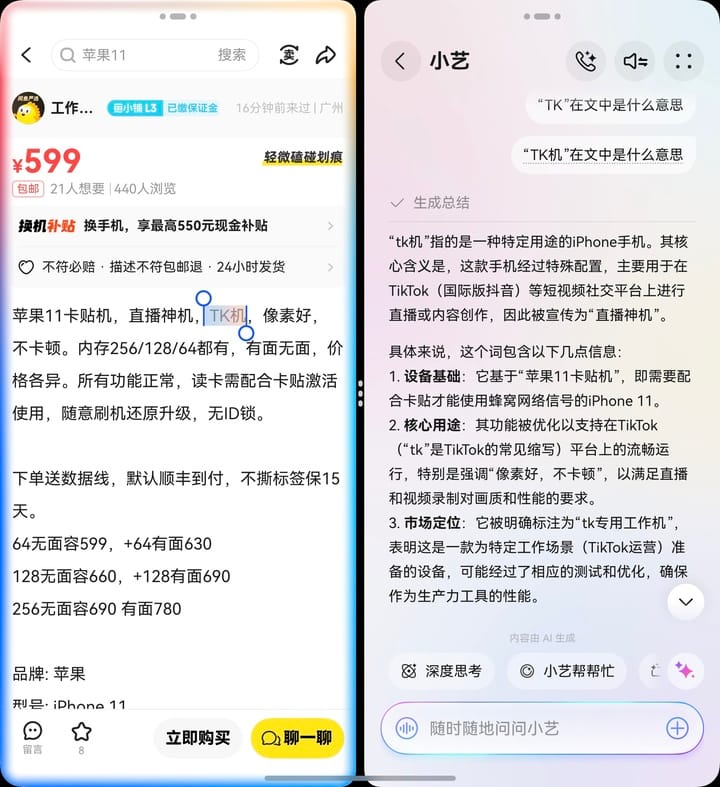

Compared to Google’s “Circle to Search”, XiaoYi’s split-screen linkage offers better use of space and continuous reading flow.
---
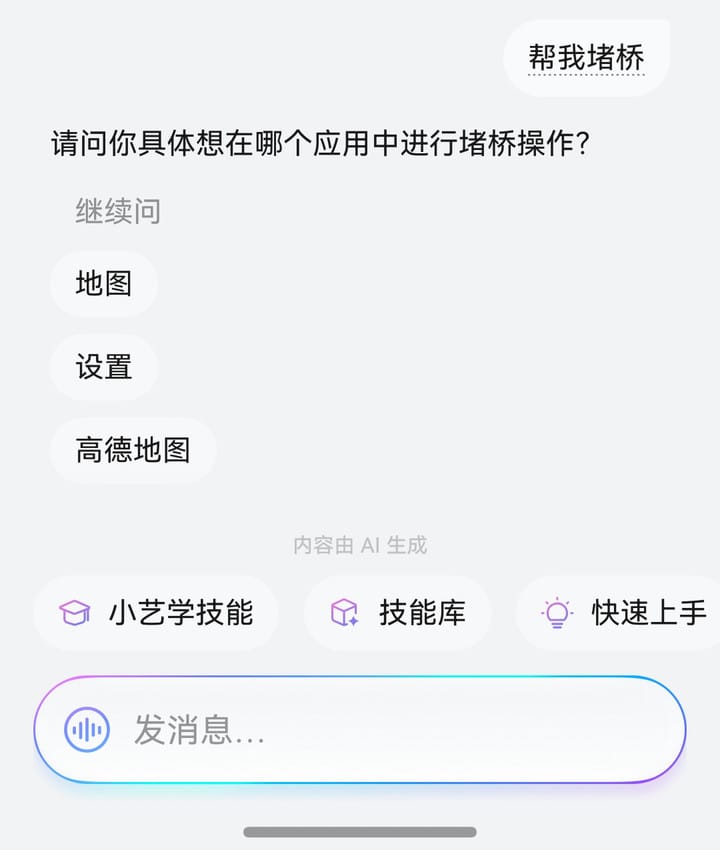
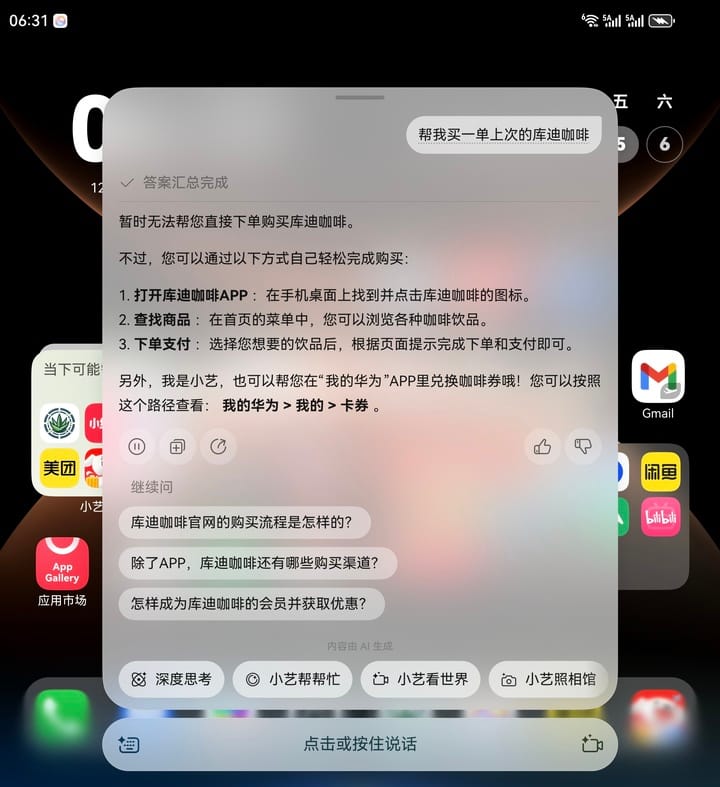
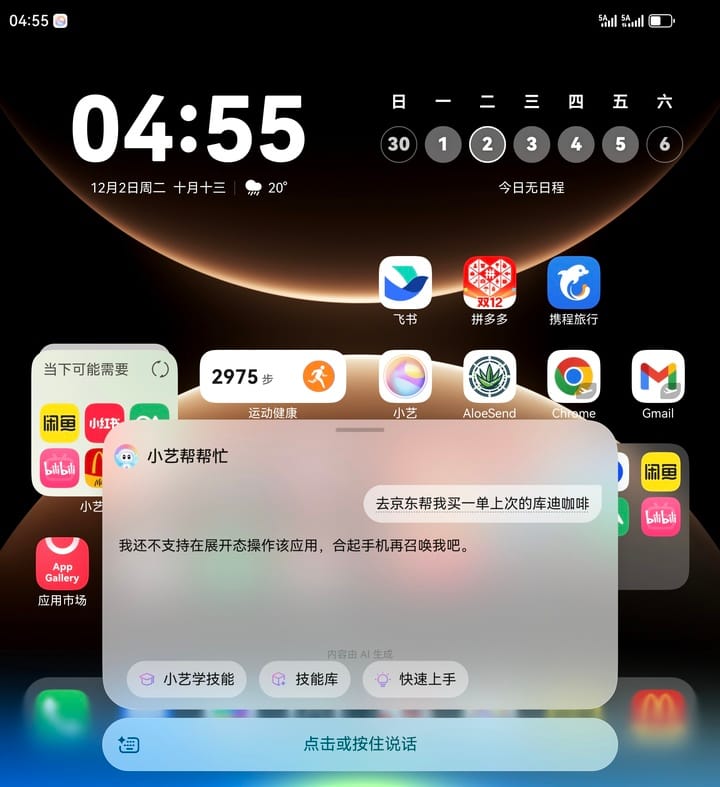
XiaoYi Help Me
- Executes on-screen actions after OCR recognition (e.g., buying products)
- Creates tap-sequence shortcuts for repeated tasks
- Limitations:
- Simple commands only
- Wake-word recognition inconsistencies
- Doesn’t work in unfolded mode — likely an interface dataset issue.
---
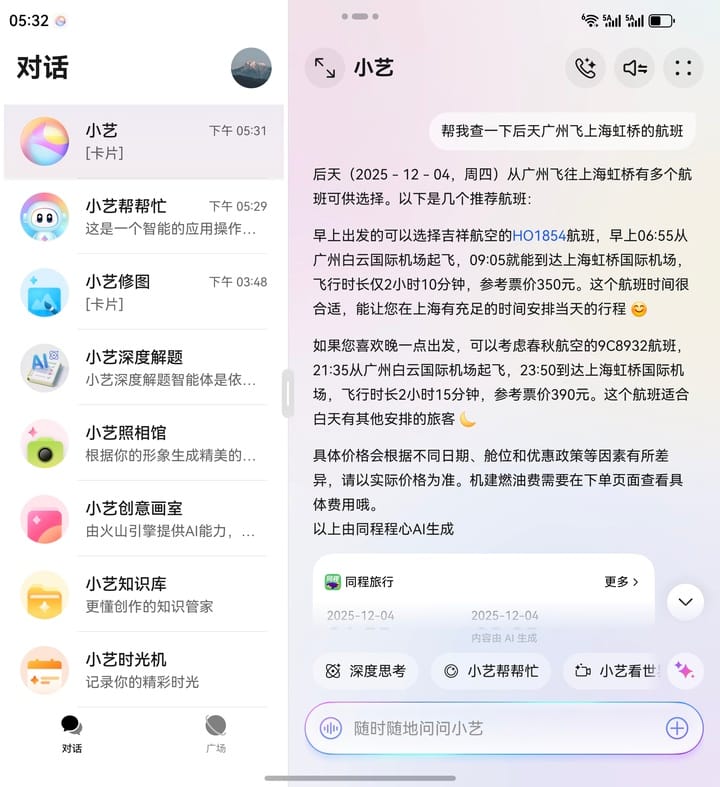
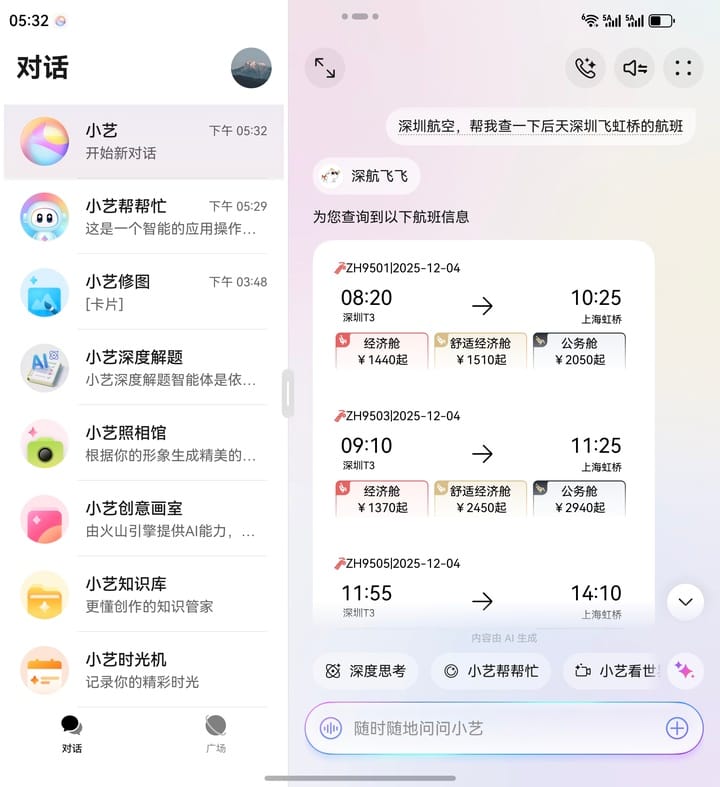
A2A Agent Integration
Specialist AI agents handle domain-specific tasks.
Examples:
- Flight queries → Tongcheng Travel “ChengXin AI”
- Integrated airlines (e.g., Shenzhen Airlines) → Full schedule & cabin info
- Partners include Dongfang Wealth, Ximalaya, and Dingdong Maicai.
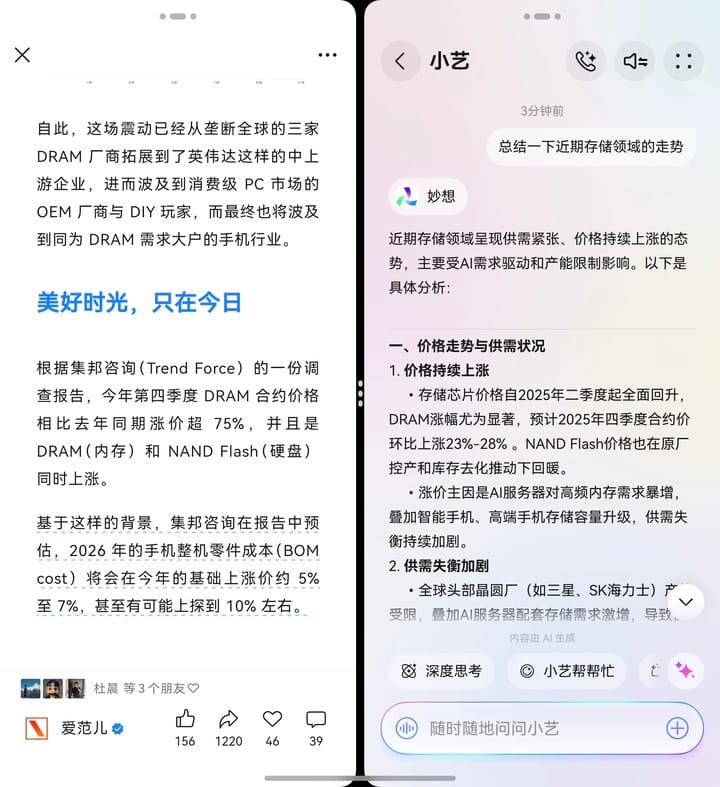
Daily usage frequency shows: XiaoYi on the Mate X7 is my most-used and preferred tool.
---
The Foldable Tipping Point Approaches
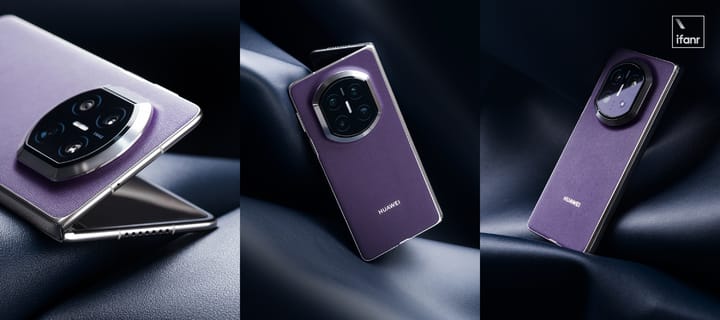
Six years since Huawei’s first foldable, the Mate X7 signals maturity for the category:
- Prioritizes core experience (camera) over body size
- HarmonyOS 6 + XiaoYi deliver targeted AI productivity gains
- Hardware equals or exceeds candy-bar counterparts:
- Inner screen 2,500 nits; outer screen 3,000 nits
- Dual IP68 & IP69 waterproof ratings.
---
Balanced, All‑Round Excellence
Compared to last year’s model, the Mate X7 offers:
- No radical hardware upgrades, but consistent, well-rounded performance
- Imaging improvements overcoming foldable weaknesses
- Category-leading practical usability.
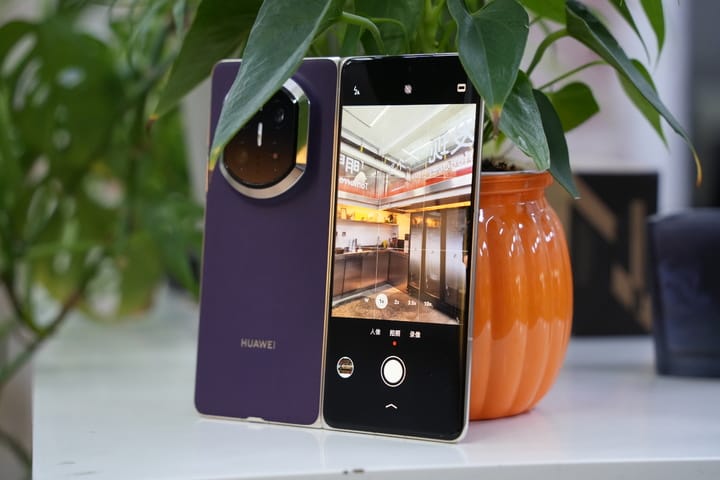
> Currently the best large foldable overall — with lessons for rivals on leveraging software to fully unlock hardware potential.
---
Closing Thoughts
Hardware innovation + AI integration is the formula pushing foldables (and mobile experiences) forward.
Open-source platforms like AiToEarn官网 show parallel progress in AI-powered publishing workflows:
- Generate, publish, and monetize across multiple platforms simultaneously
- Integrations with Douyin, Kwai, WeChat, Bilibili, Rednote, Facebook, Instagram, LinkedIn, Threads, YouTube, Pinterest, and X (Twitter)
- Built-in analytics & AI model ranking (AI模型排名).
Much like Huawei’s foldable + AI synergy, such ecosystems bridge advanced tech with productive, user‑friendly experiences.
---
Would you like me to also create a quick comparison table highlighting Mate X7 vs last year’s Mate X6 specs & features? That would make the evolution clearer.