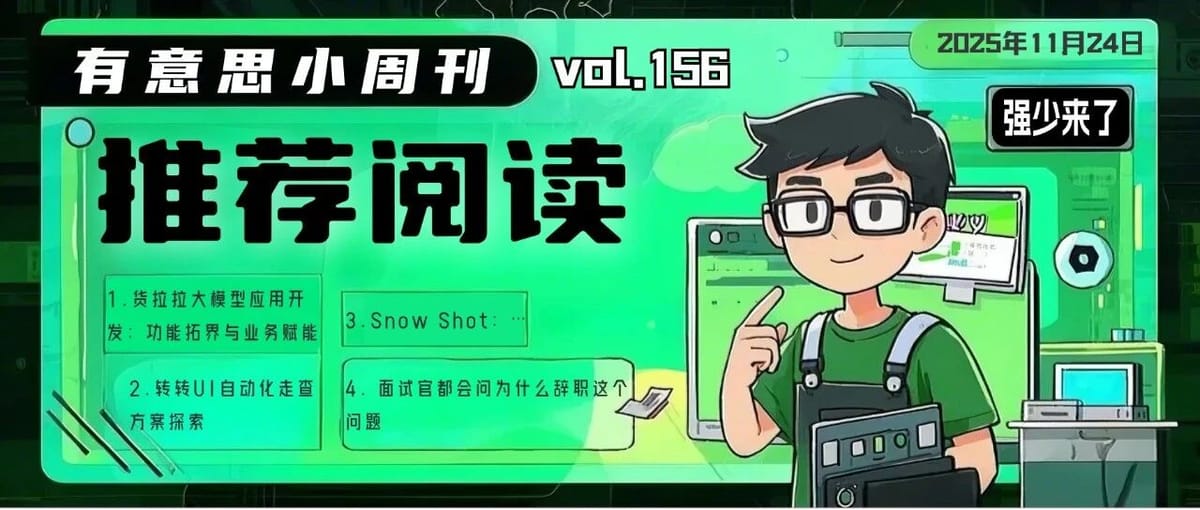
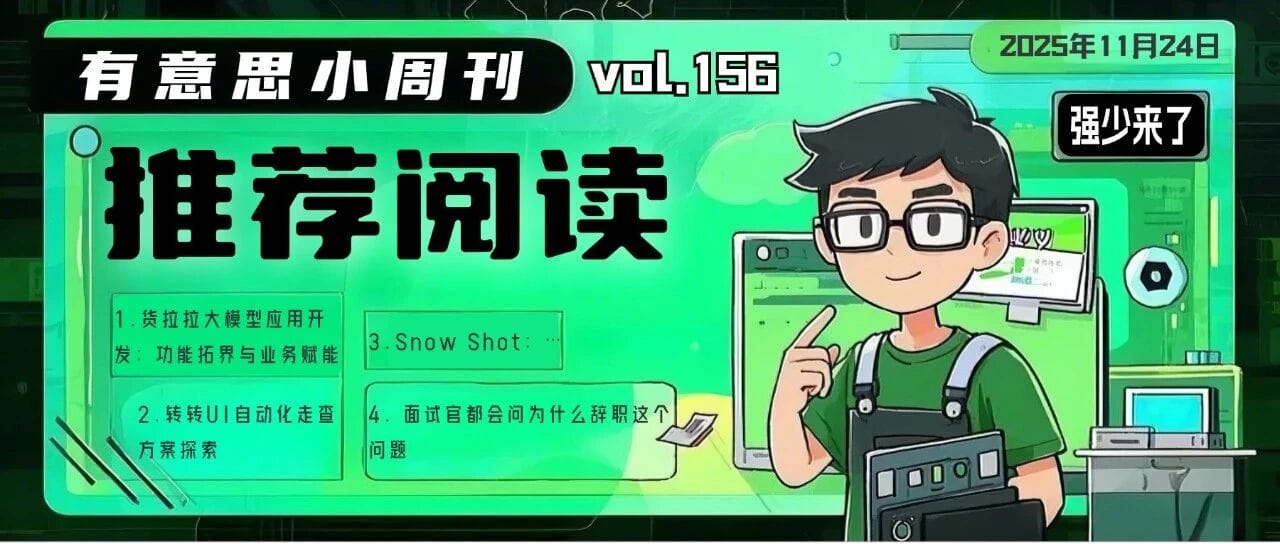
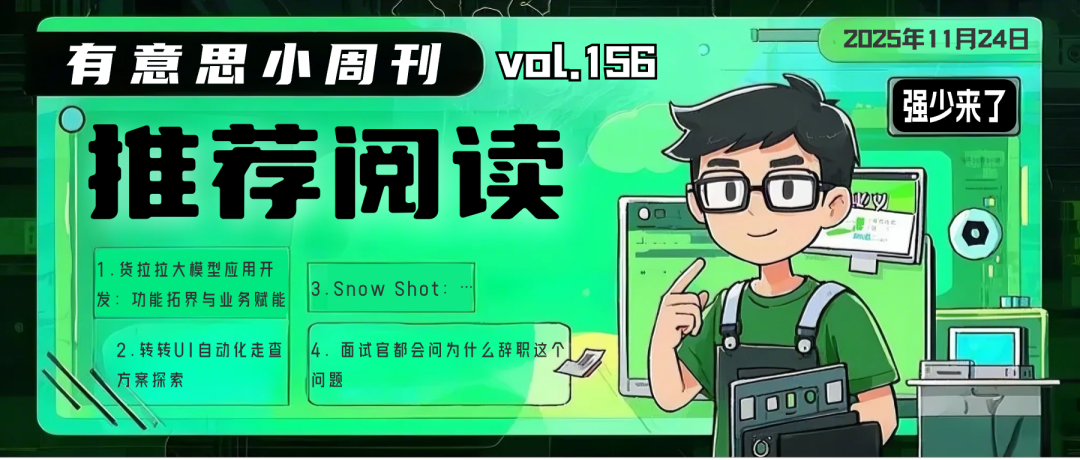
Interesting Weekly No.156 (2025.11.24): Huolala Large Model Application Development — Expanding Capabilities and Empowering Business
🗞 Interesting Weekly — Curated Insights & Discoveries
> “Interesting Weekly” is a personal project where I curate and document my weekly reading and reflections.
> The goal is to build a solid knowledge system and share valuable content with readers.
---
📚 This Week’s Highlights
📰 Recommended Reading
- Huolala Large Model Application Development — Function Expansion & Business Enablement
- UI Design — Building a Consistent Border Radius System
- Huolala Data Factory — From 3K+ Tools to AI Agents, Doubling Data Generation Efficiency
- AI Agent Frameworks — Comprehensive Summary of the Most Common Approaches
- AI Core Concepts — Instant Quick Guide
- Baidu Search — Full AI Integration and System Redesign
- Index Optimization — Transaction Order Tables
- UI Automation Review — Zhuanzhuan’s Approach
🔎 New Discoveries
- Meta AI SAM 3D — Extract 3D models of objects and people from any image
🛠 Resources & Tools
- Snow Shot — Intuitive, fast screenshot tool
🎯 Quotes & Remarks
- Interview worth watching — Prof. Lu Feng on consumption and reform
- The perennial interview question: "Why did you resign?"
---
🚀 Deep Dives
1. Huolala Large Model Application Development: Function Expansion & Business Enablement
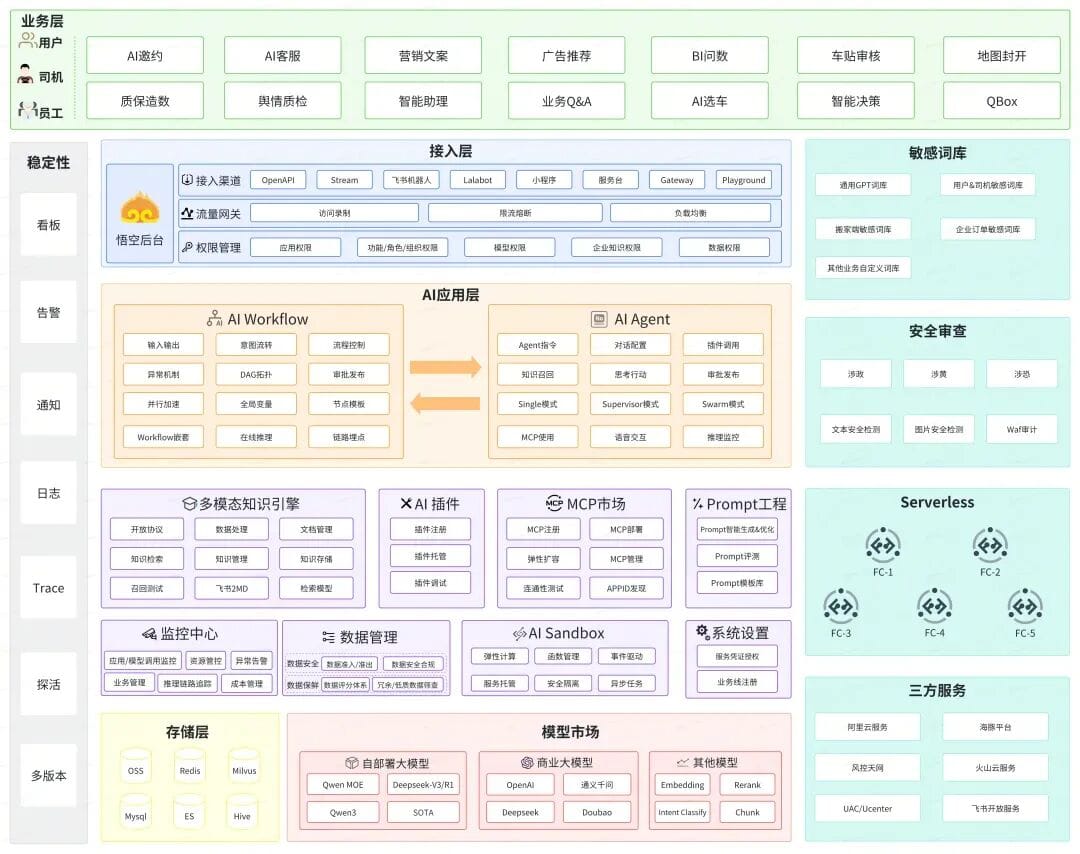
Huolala’s Wukong platform enhances enterprise-level large model deployment.
Key features:
- Microservice Architecture
- Serverless Sandbox
- MCP Ecosystem
- AI Workflows
- Multimodal Knowledge Engine
These improve reasoning performance, safety, scenario adaptability, and observability.
---
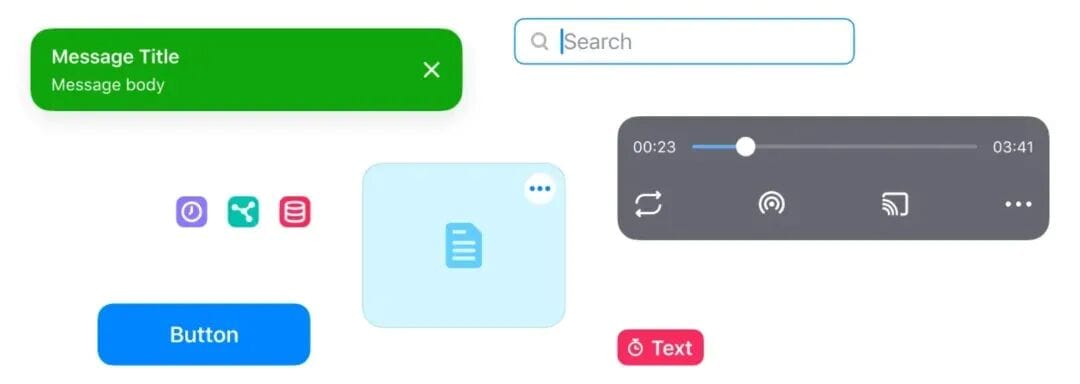
2. Building a Consistent Border Radius System in UI Design
Covers:
- The impact of rounded corners on UX
- Sizing & nesting rules
- Grouping & semantic naming
- Border handling strategies
Aim: Achieve precision, consistency, and maintainability in UI systems.
---
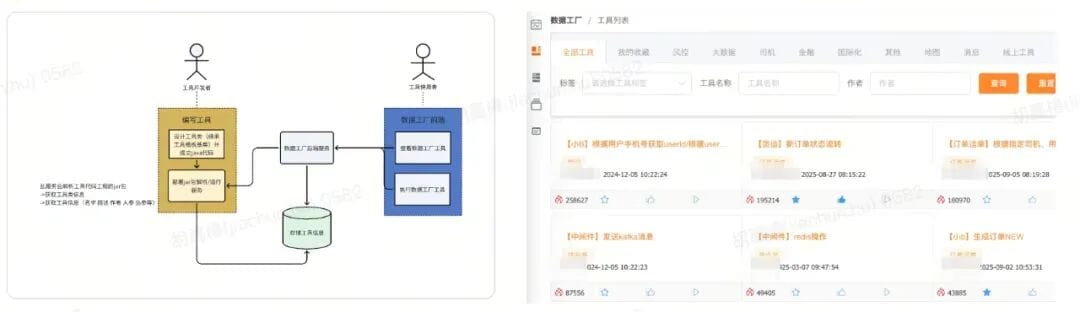
3. Huolala Data Factory — AI Agent Transformation
Scale Achieved:
- 3,000+ tools
- 500,000+ daily calls
Transformation Goals:
- Move from static platform tools to natural language-driven orchestration
- 50%+ efficiency boost
- New user onboarding < 1 min
- LLM + RAG + MCP underpinning
Workflow: Decision Brain → Knowledge Base → Execution Hands
---
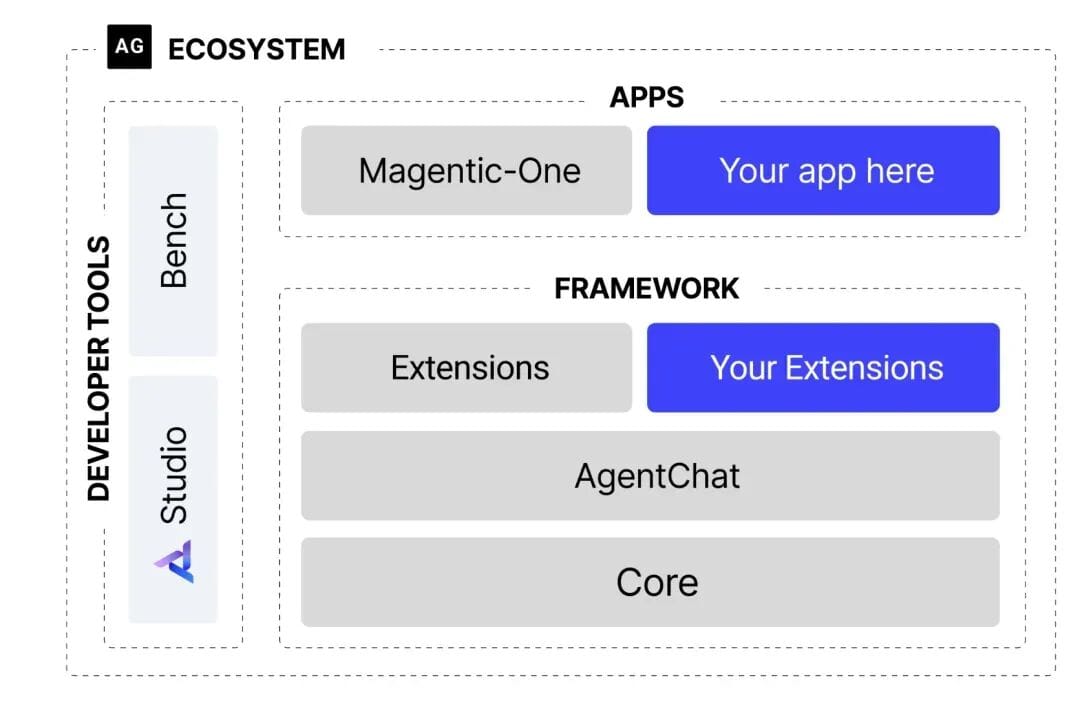
4. AI Agent Frameworks — Compare & Contrast
Frameworks covered:
- AutoGen
- AgentScope
- CAMEL
- LangGraph
Focus:
- Emergent Collaboration vs. Explicit Control
- Production engineering readiness
---
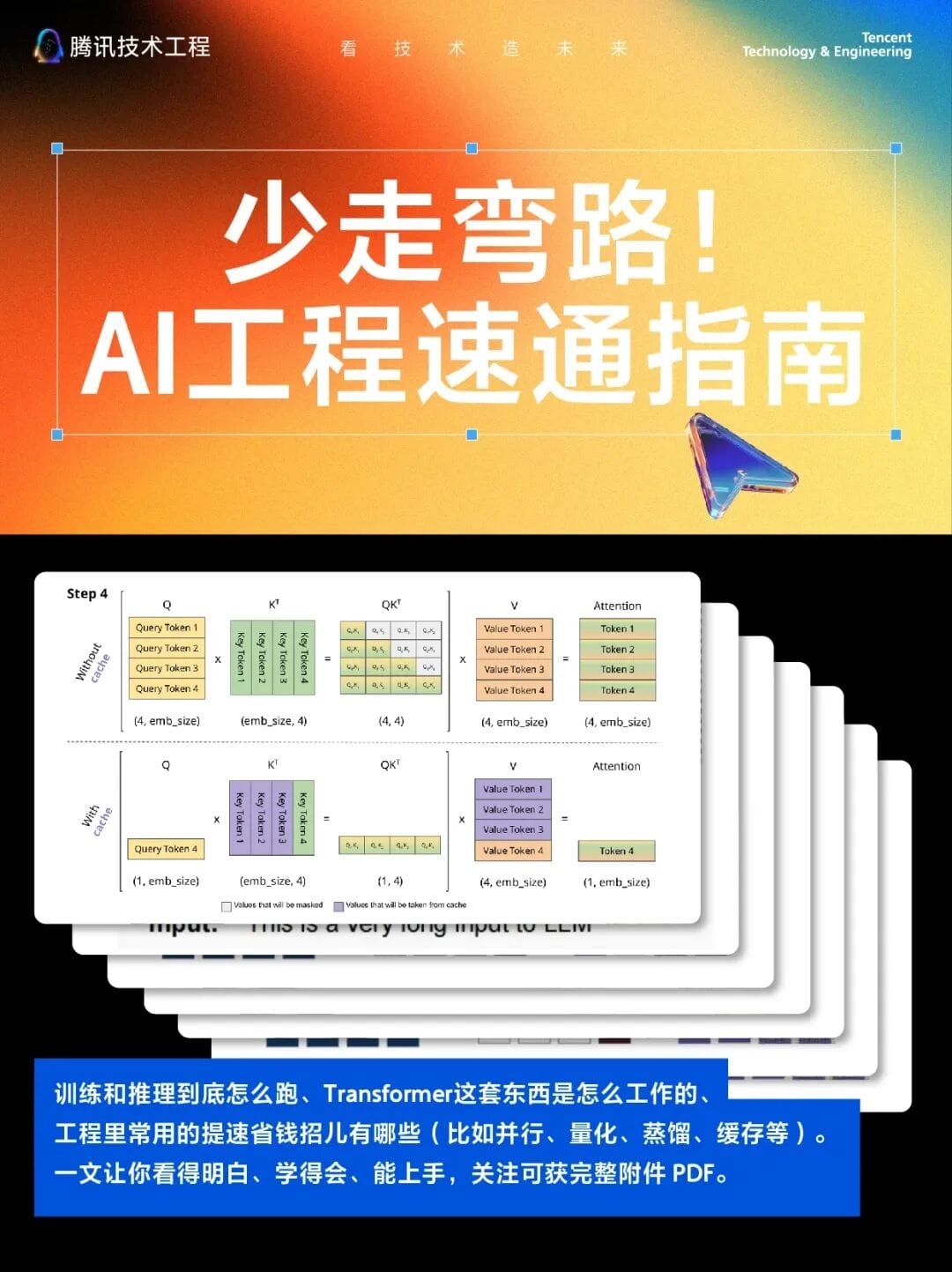
5. Quick Guide to Core AI Concepts
For beginners:
- Straightforward definitions
- Practical application guidance
- Partial content preview, PDF in source
---
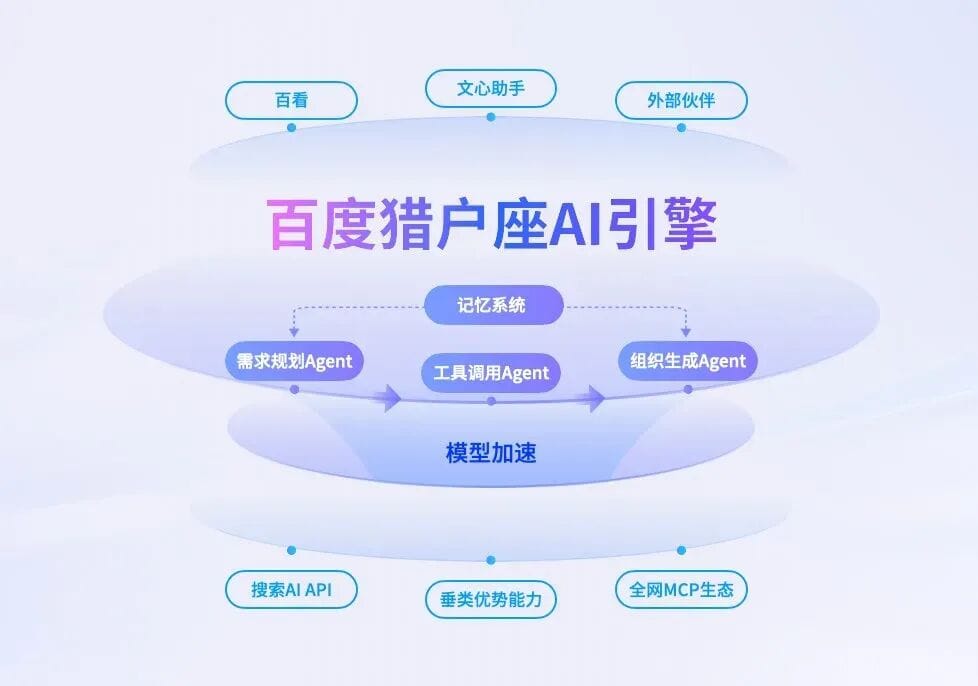
6. Baidu Search — Fully AI-Powered Redesign
Three transformations:
- System Rebuild — Orion AI engine
- Proactive Product Interaction
- Boundary Expansion — Search to creation
Outcome: Multimodal, creator-friendly, and intelligent search.
---
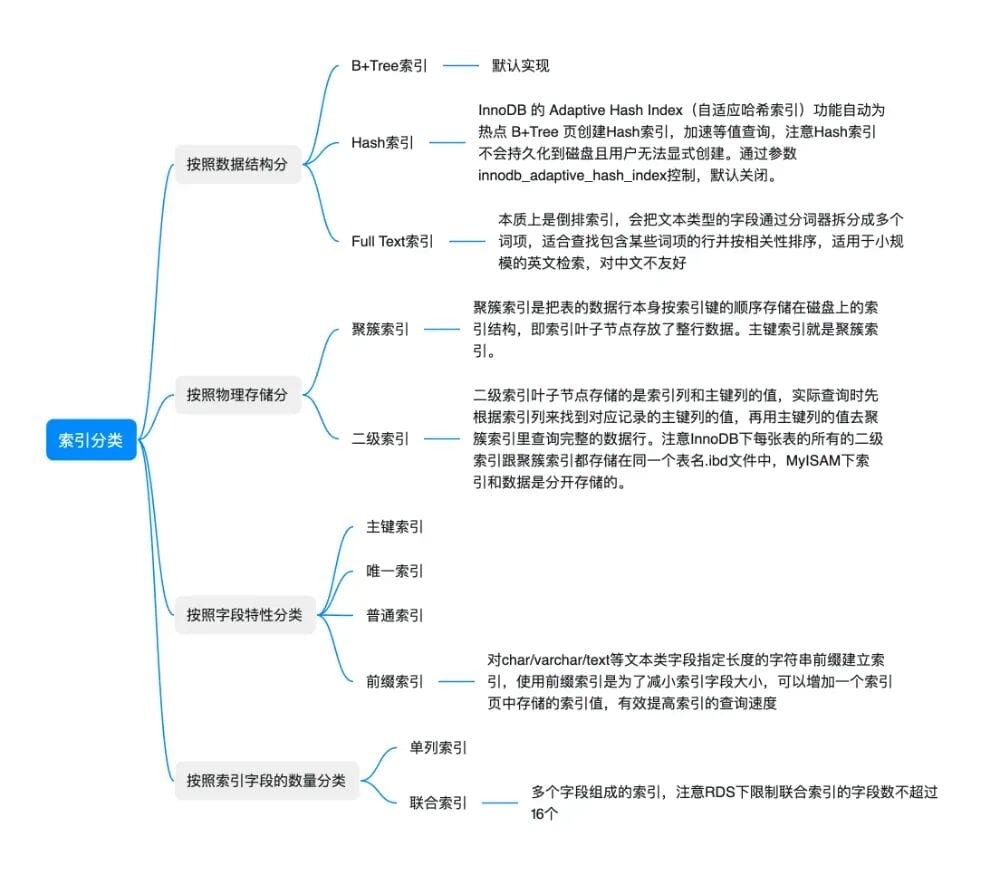
7. Transaction Order Table Index Optimization
Process:
- Diagnose atypical slow SQL
- Index classification review
- B+Tree vs B‑Tree structure and height estimation
- EXPLAIN, Query Profile usage
- Index pushdown & sorting optimization
- SOP for large-scale clusters
---
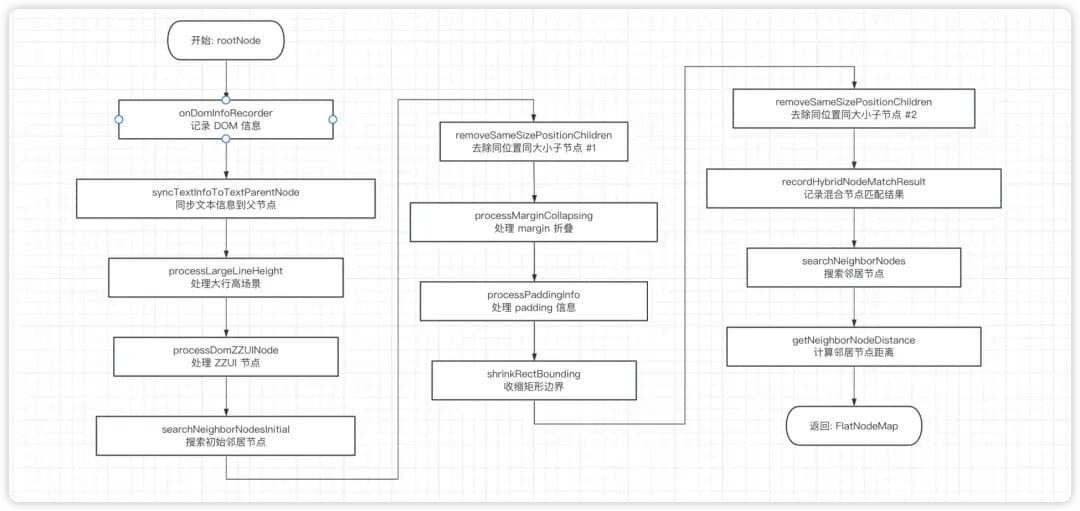
8. Zhuanzhuan UI Automation Review Workflow
Methodology:
- Compare front-end DOM with design JSONs
- Data normalization
- Margin & padding handling
- Line height alignment
- Mask processing
Goal: Efficient, measurable UI review process.

---
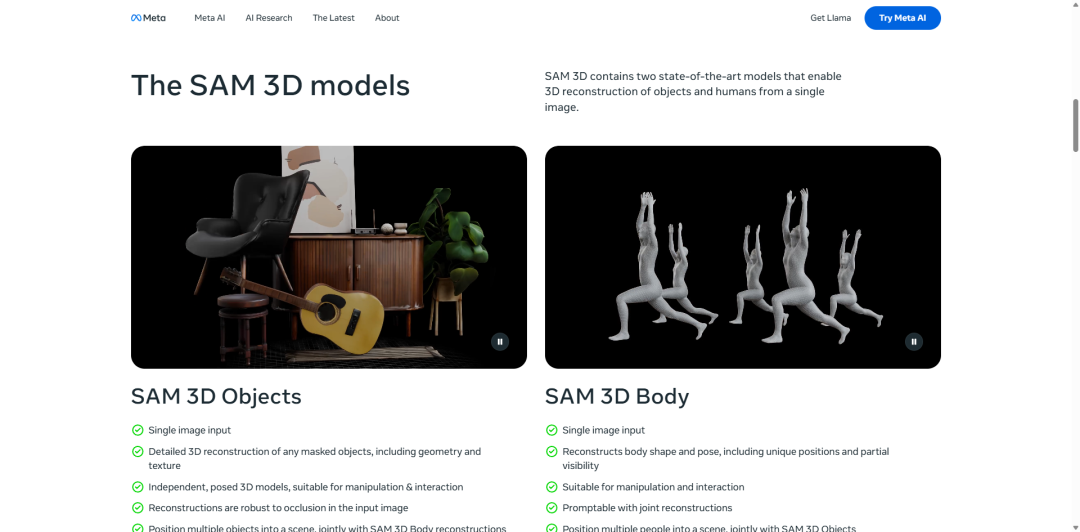
9. Meta AI SAM 3D — Single Image to 3D
Models:
- Objects — Shape, texture, layout capture
- Body — Pose and mesh from RGB image
Strength: High robustness and scene generalization.

---
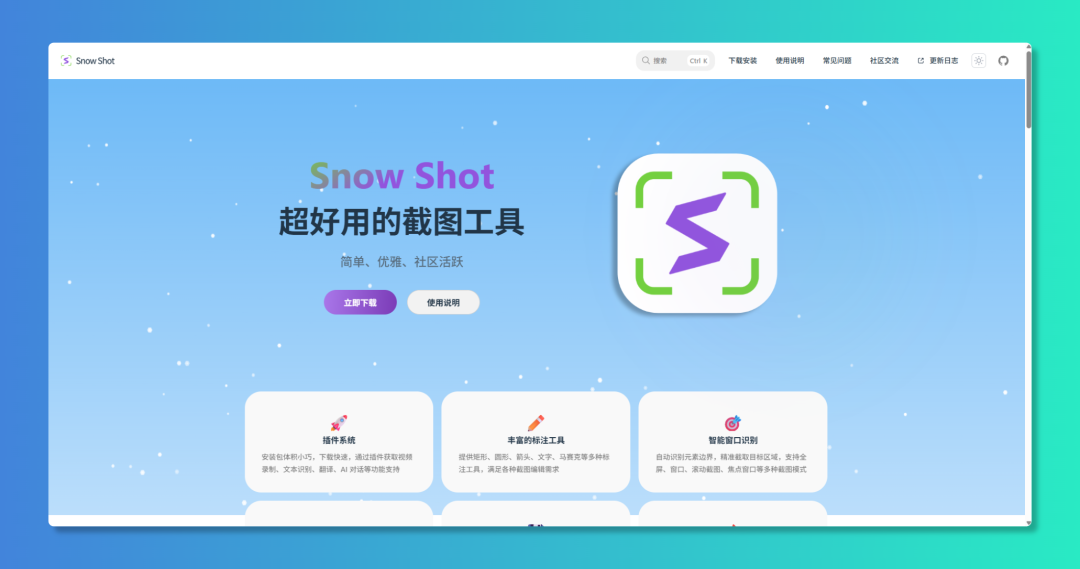
10. Snow Shot — Screenshot Tool
Focus:
- Ease of use
- Fast learning curve

---
11. Interview — Prof. Lu Feng on Consumption
Topics:
- Structural causes of low consumption
- Reform of public resources & social security
- Optimizing distribution & reform through top-level design
---
12. Why Did You Resign? — Interview Question Insight
Intent:
- Gauge work expectations
- Assess culture fit
- Predict adaptability within new org
---
💌 Closing
If you enjoyed this edition:
- Like, Follow, and Share with friends
- Follow “Qiang Shao is Here” for more front-end · back-end · B-end product thinking
Join our reader group — reply “Join Group” on WeChat to be invited.

---
Would you like me to also group these highlights into a tabular weekly digest format, so it’s even easier to scan through categories and links? That would make your future editions ultra-readable.