# AI Architecting the Future: Why Everyone Must Become an "Architect"
---
## 📑 Table of Contents
1. **Starting from Architecture**
2. **The Evolution of AI Architecture**
3. **A Glimpse into the Future World**
4. **Everyone as an “Architect”**
5. **Conclusion: Why Everyone Must Become an “Architect”**
---
## Introduction
The **rapid iteration of AI technology** has dramatically improved efficiency in countless industries—yet it also raises the threat of **job displacement**.
From **monolithic applications** to **cloud-native architectures**, and now to the **AI era**, the transformation over the past decade has been remarkable.
**Key Question:**
How will the **existence** and **responsibilities** of architects evolve alongside this progression?
This article — originally titled *"The Future of AI Architecture"* — examines this shift and its profound implications.
---
## About the “Tencent Cloud Architects Technical Alliance”
The **Tencent Cloud Architects Technical Alliance** is a **professional community** for elite practitioners and renowned experts in architecture.
**What it offers:**
- Industry-leading **technical exchanges**
- Deep-dive **professional discussions**
- Authoritative content
- Constant **co-creation** and growth opportunities
**Goal:** Support the development of every architect in China.
**Join by scanning the QR code:**

---
## Childhood Inspiration
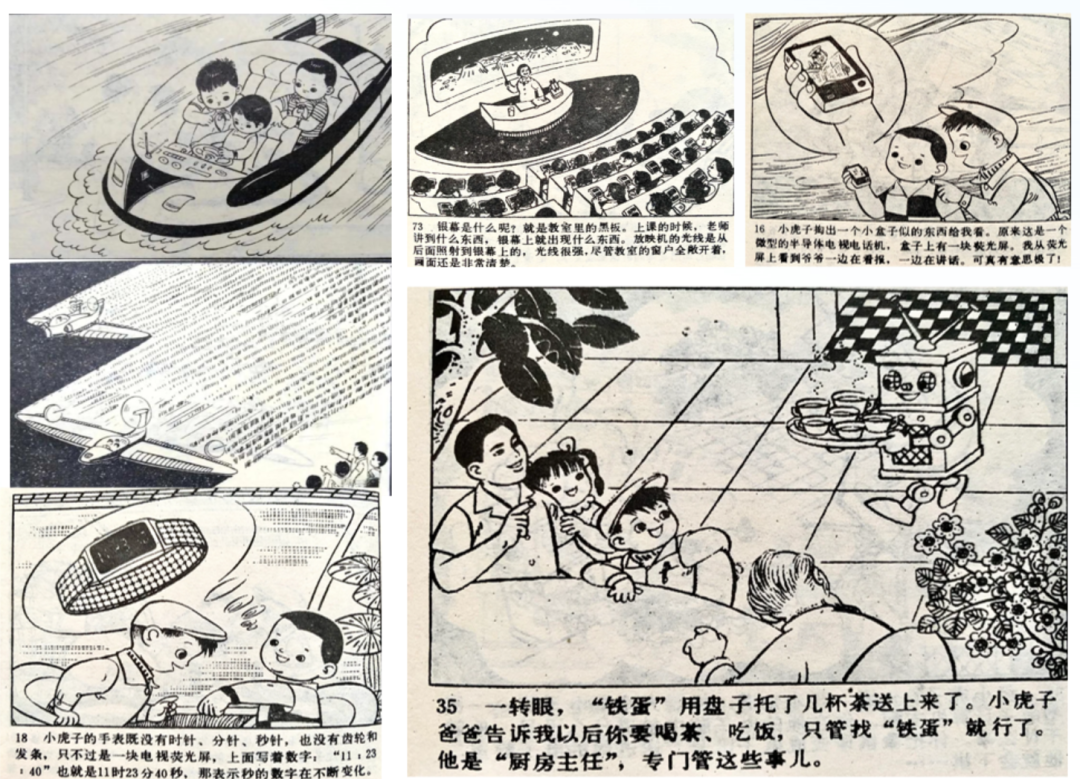
As a child, I was enchanted by **science fiction** — Ye Yonglie’s *1961* novel *"Little Smart Travels to the Future"* depicted hovercrafts, automatic seeders, mobile phones, and robotic waiters.
Most of these are **now reality**.
The explosive growth of **generative AI** over the past two years feels equally magical. New technologies arrive daily, offering glimpses into tomorrow.
So—why call it **AI “Architecting” the Future**?
Let’s first explore **architecture itself**.
---
## 1. Starting from Architecture
**Definition:** Architecture is the **fundamental structure** of a system — its components and the relationships between them — shaped under certain environments and principles.
**Simplified:** It’s a **framework** or **structure** — any system can be decomposed into modules (**components**) and mapped based on their interconnections.
**Example:**
Train design using **multi-car modules and standard interfaces** enables carriage replacement without affecting the whole system.

**Architecture is everywhere:**
- **Urban planning**
- **Building design**
- **Factory layouts**
- **Enterprise transformation blueprints**
- **National development plans** *(Example: India’s 2018 plan using TOGAF9.2 ADM)*
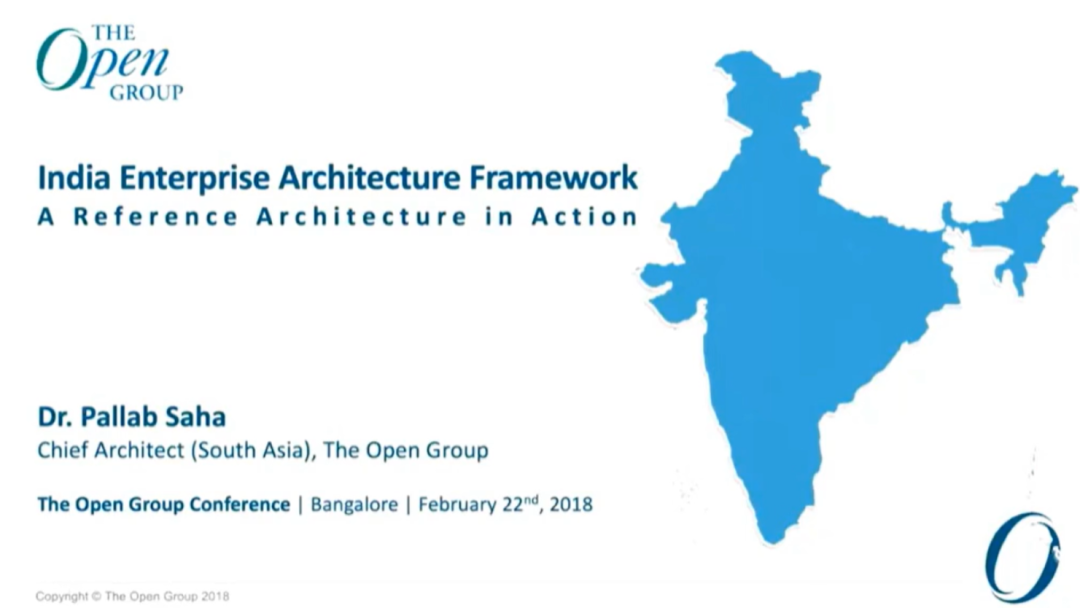
Even the **entire world** can be described via architecture. One model uses a **Socio-Technical framework**:
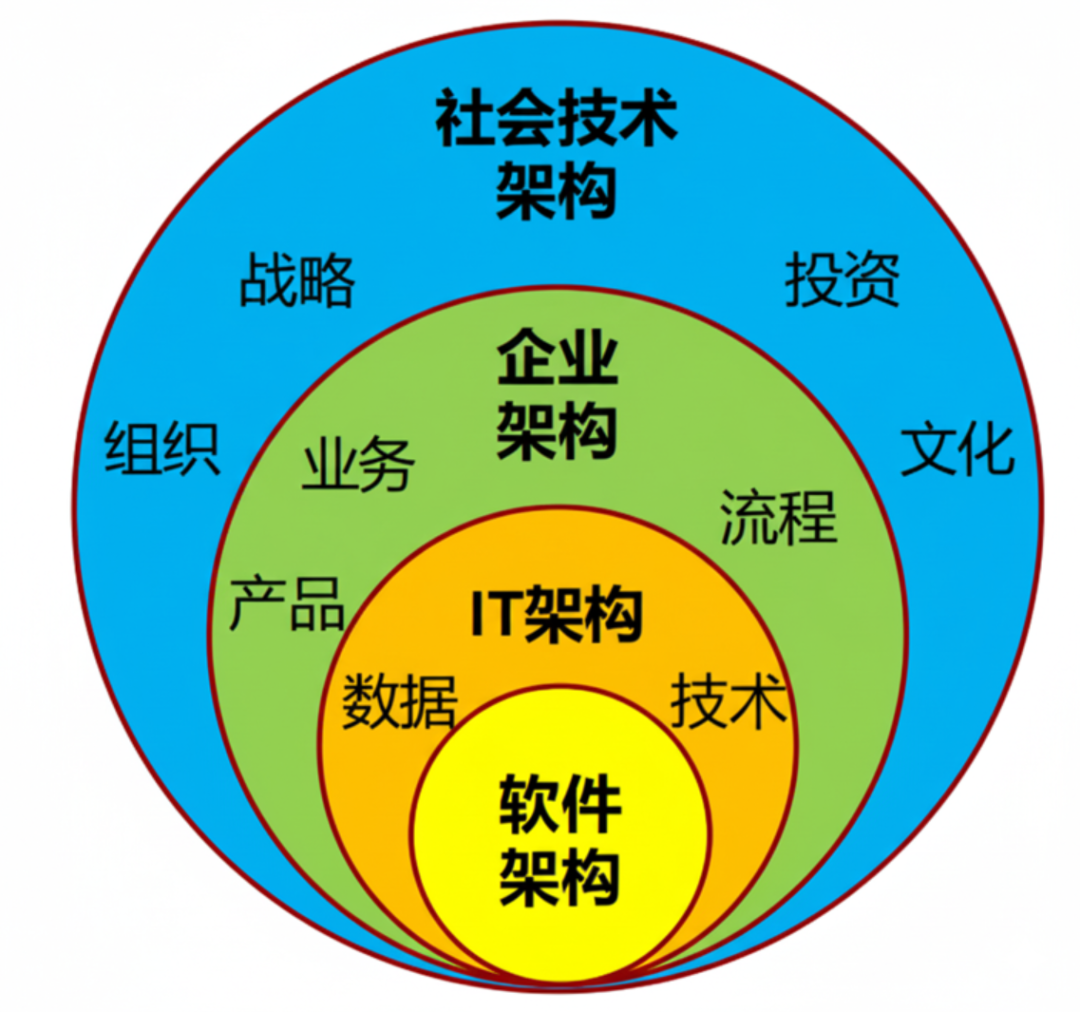
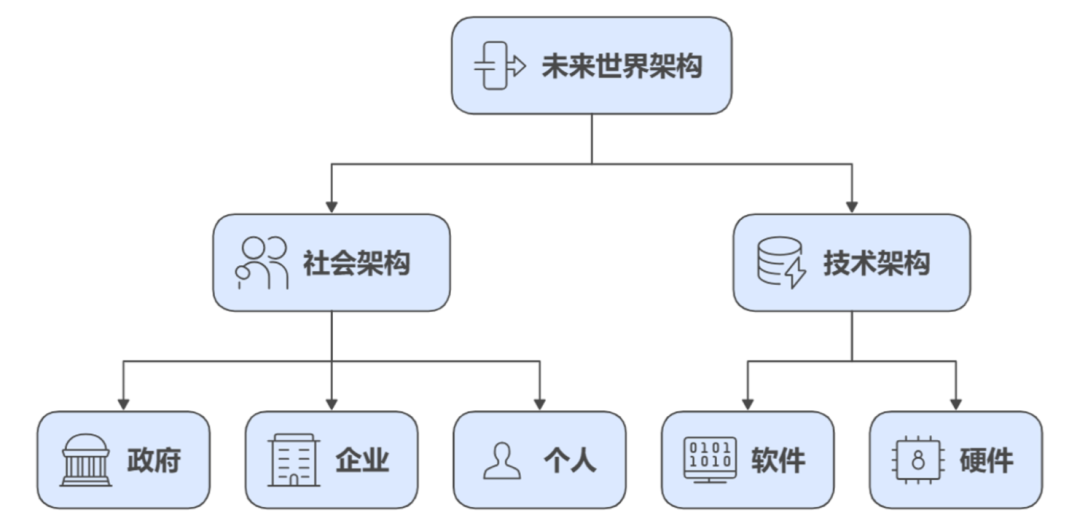
### World Architecture Model
**Social Dimension:**
1. **Government** — Public administration, laws, services, social order.
2. **Enterprise** — Products, jobs, innovation, production ecosystem.
**Personal Dimension:**
Individuals as both **participants** and **beneficiaries** — interacting with governments and enterprises.
**Technical Dimension:**
- **Hardware** — Devices, networks, industrial systems.
- **Software** — OS, applications, dev tools, security systems.
---
## 2. The Evolution of AI Architecture
Enterprise architecture generally includes:
- **Business architecture**
- **Data architecture**
- **Application architecture**
- **Technology architecture**
Technology architecture has evolved rapidly:
From **monolithic applications** → **cloud-native** → **AI-powered systems**.
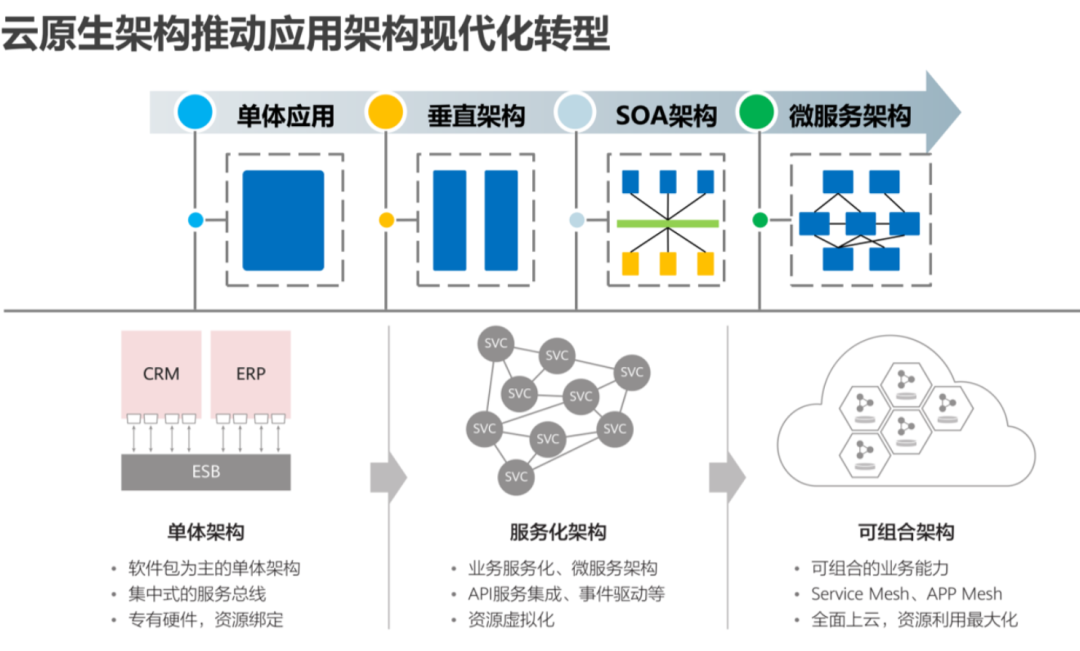
In just over a decade, AI architecture moved from the **“workshop” era** to the **“power plant” era**.
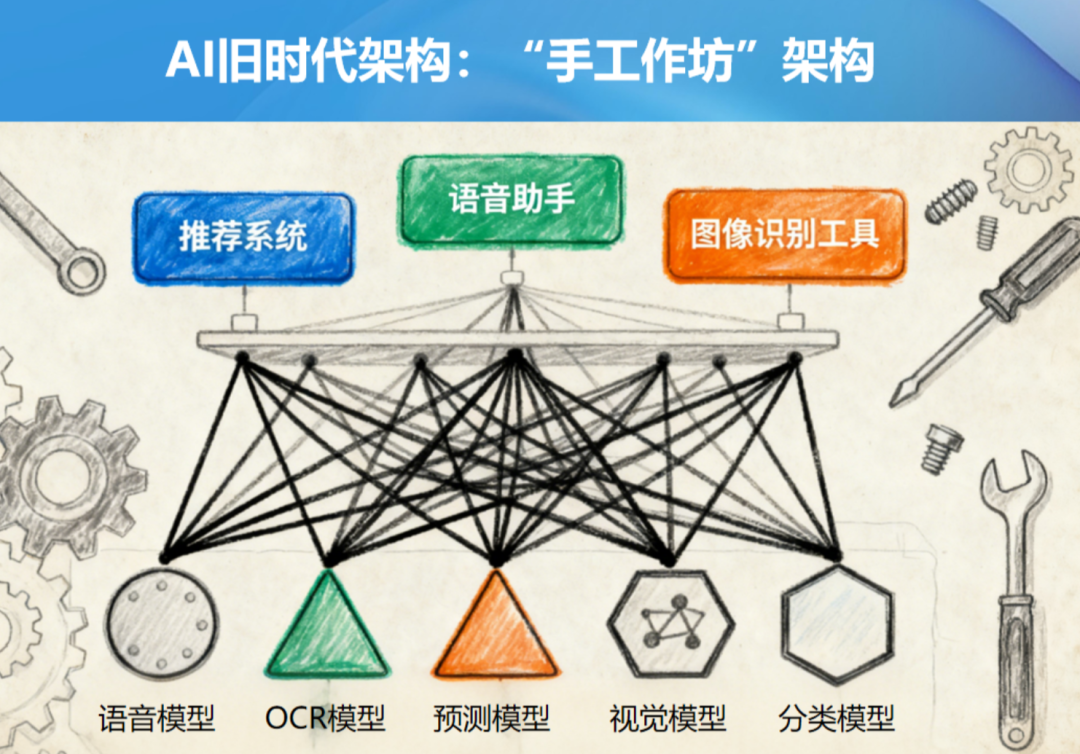
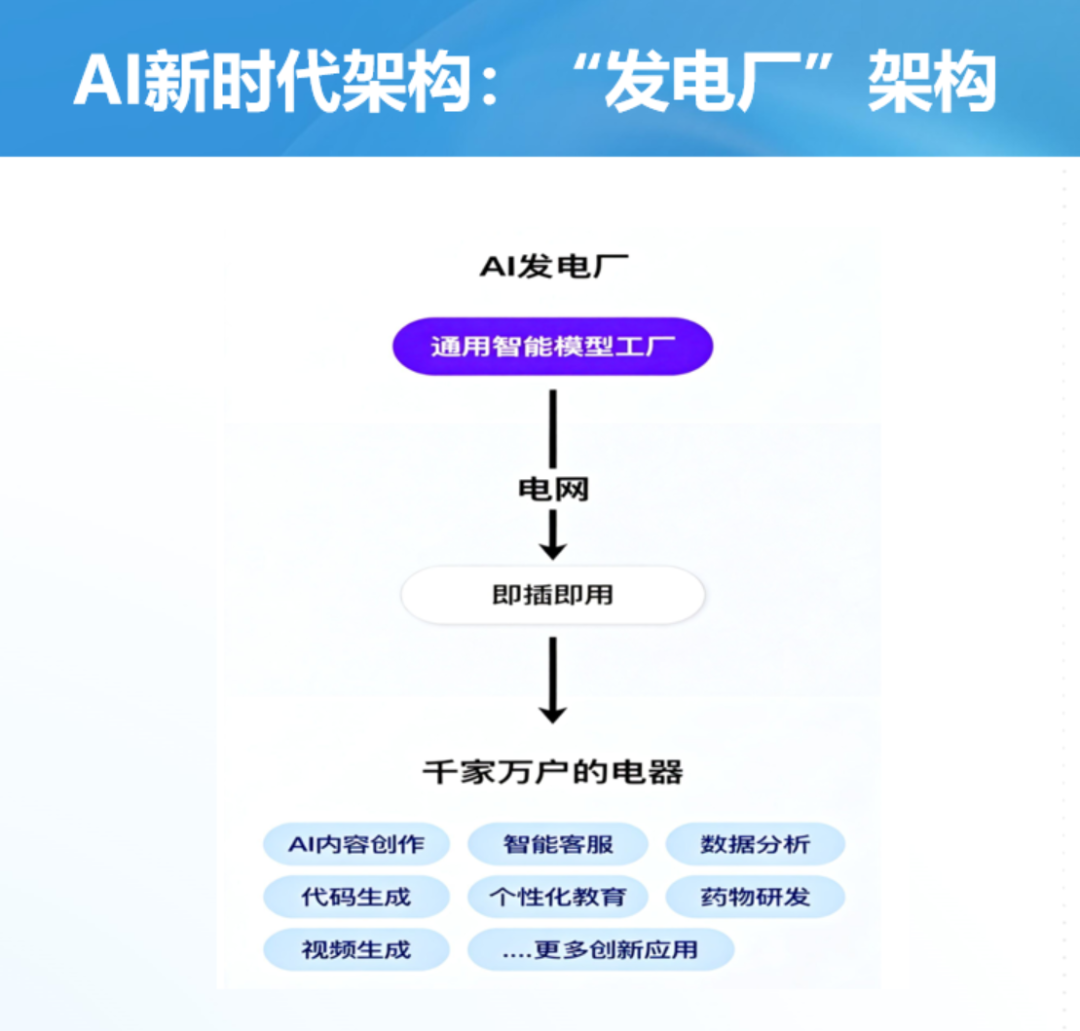
**Future Outlook:**
- Large model development = **“model factories”**
- Models customized (“back stage”) for **industries** and **scenarios**

---
## 3. A Glimpse into the Future World
### Social Dimension Changes
1. **Government Services** — From *services sought by people* → *services seeking people*
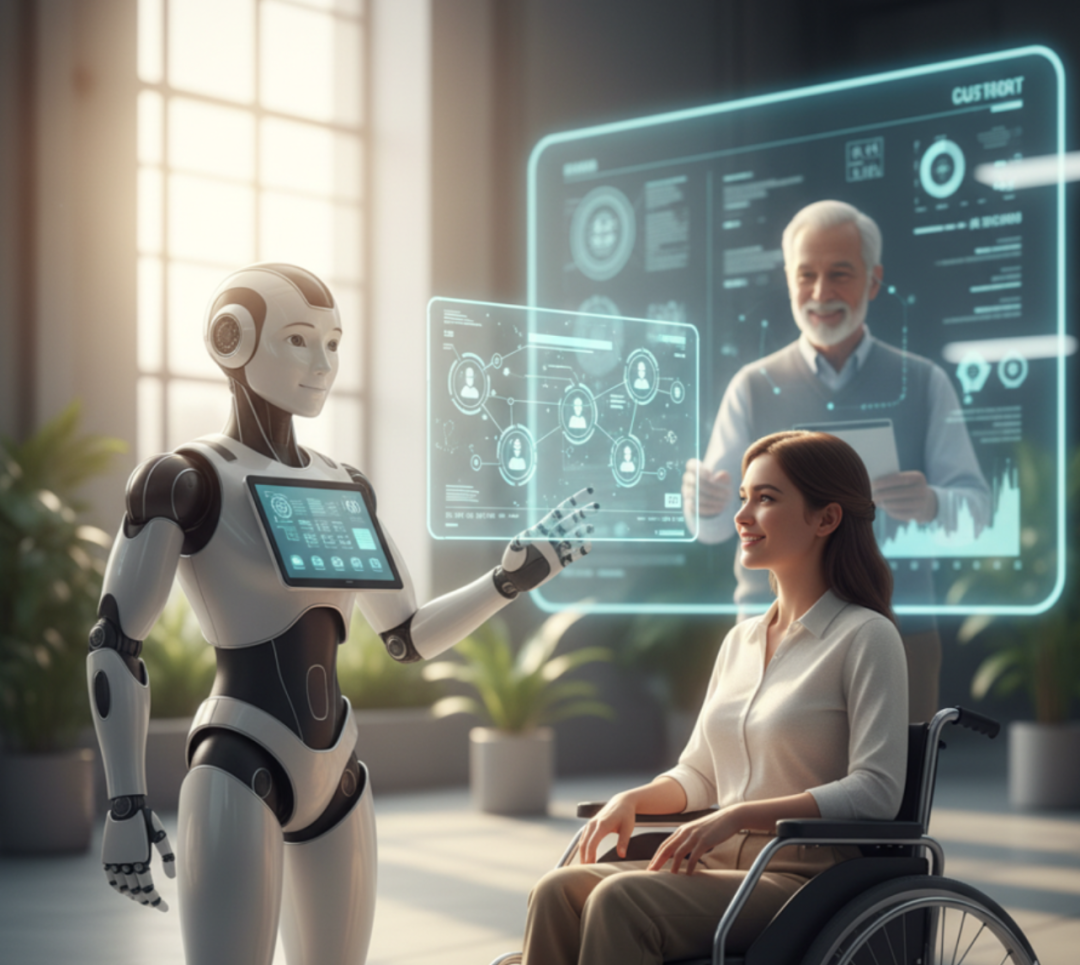
2. **Cognitive Organizations** — Businesses with:
- **Self-perception**
- **Self-execution**
- **Self-adaptation**
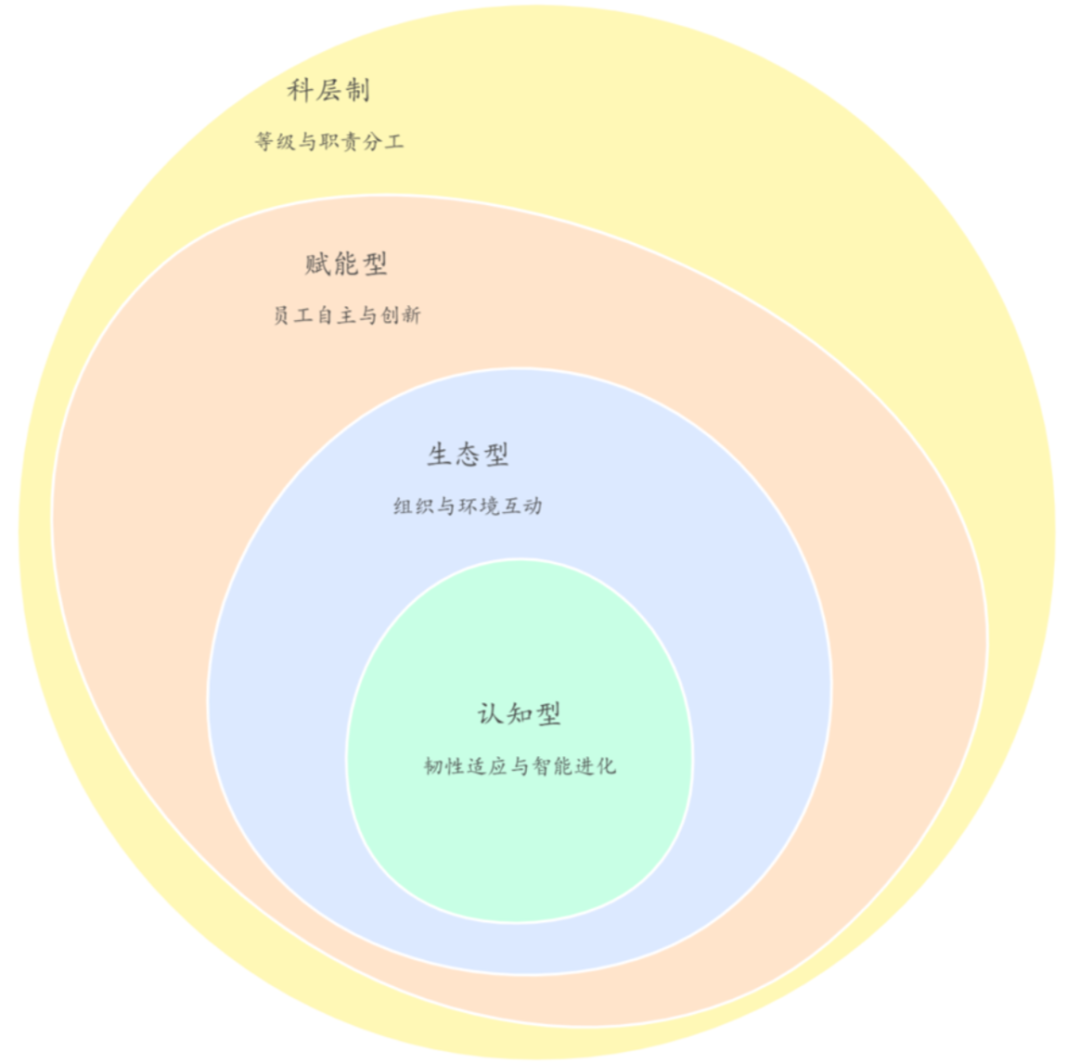
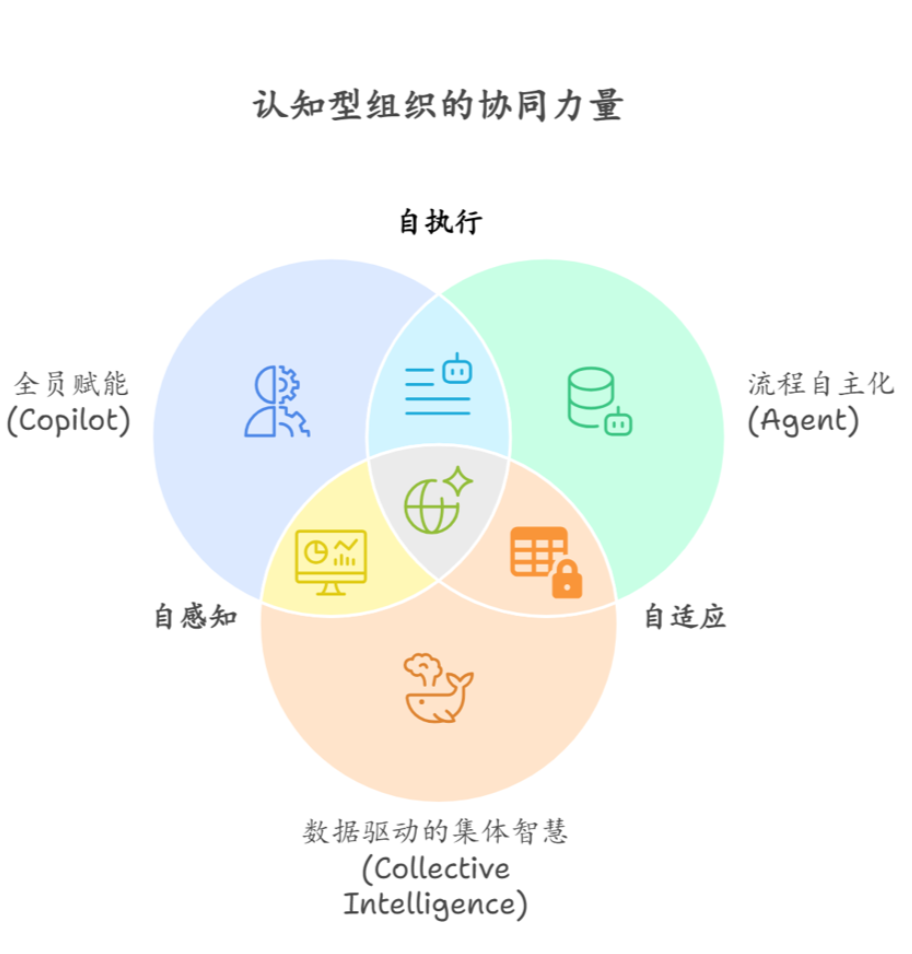
**Driving Tech Foundations:**
- **Data-driven collective intelligence**
- **Full-staff AI empowerment (Copilot)**
- **Process autonomy (Agent)**
---
### The Future Individual: Becoming a “Super Individual”
Roles most at risk from AI:
1. **Information conveyors**
2. **Task monitors**
3. **Process executors**
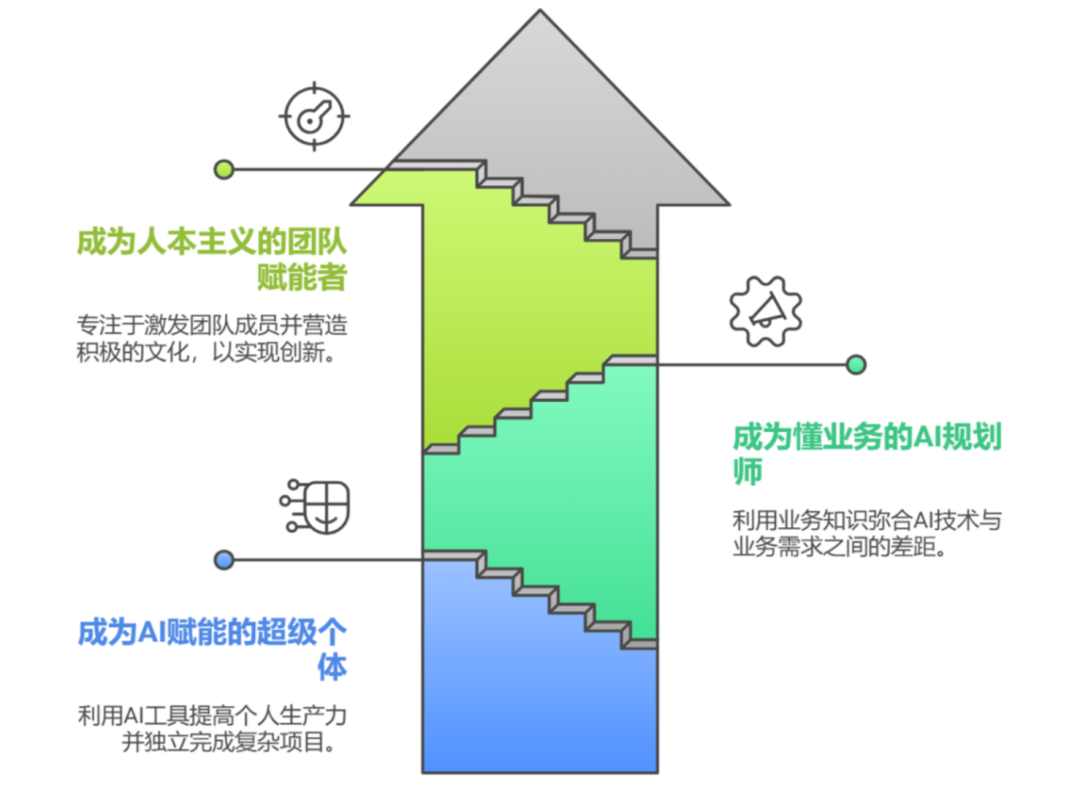
**Three capability paths to stay relevant:**
1. **One-person company** — Independent work via AI tools.
2. **AI Architect** — Tech + business hybrid expertise.
3. **Chief Culture Officer** — Irreplaceable human leadership.
---
### Technology Dimension — Future OS & Programming Languages
- OS becomes **intent-driven** – powered by brain-computer interfaces.
- Programming returns to **natural language**.


---
## 4. Future Professions for Programmers
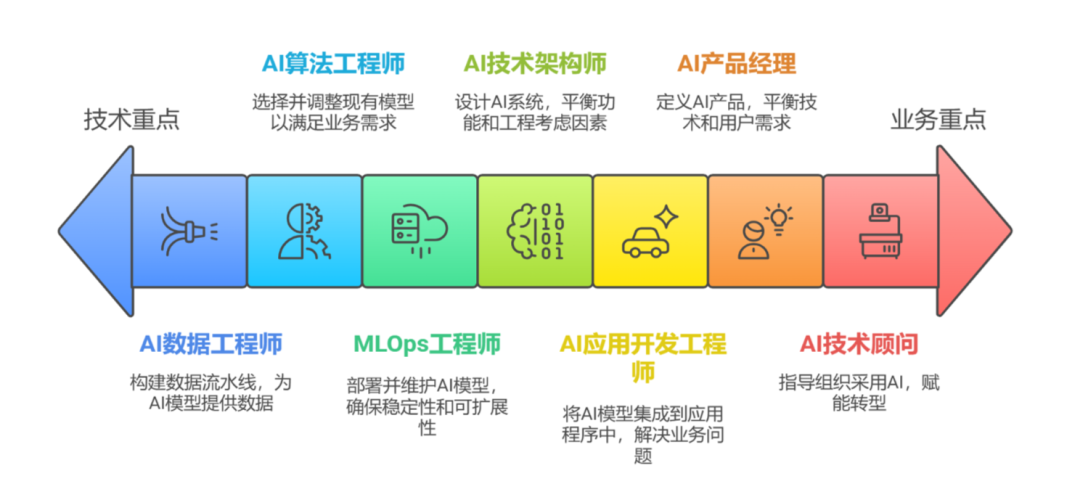
When traditional coding declines, **new tracks** emerge:
- More technical → AI system engineers.
- More business-oriented → AI product strategists.
---
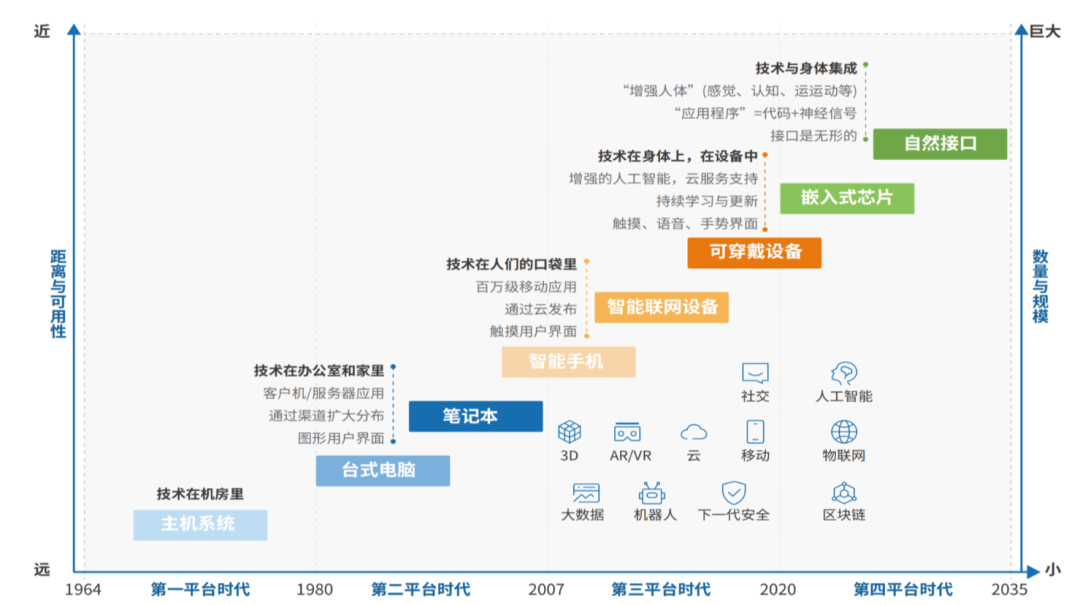
## 5. Hardware Evolution — The Fourth Platform Era
Post-2020: Integration of **technology and human body** through embedded chips and natural interfaces.
Possible impacts:
- Enhance human senses and mental capacity via implanted devices.
- New industries: **human augmentation**, **neuro-interface development**.
- Professions: **Neuro app developers**, **integration specialists**.
---
## 6. The Metaverse Challenge
While technically complex, improved AI and computing power — along with innovations like **RWA stablecoins** — edge the Metaverse closer to reality.
Potential: Entirely new **digital economy** with virtual goods, services, land, and events.
---
## 7. Everyone as an “Architect”
Challenges to address:
- **Social:** Job loss, monopolization, legal gaps.
- **Tech:** AI hallucinations, safety.
- **Ethical:** Harmony, accountability, equitable benefits.
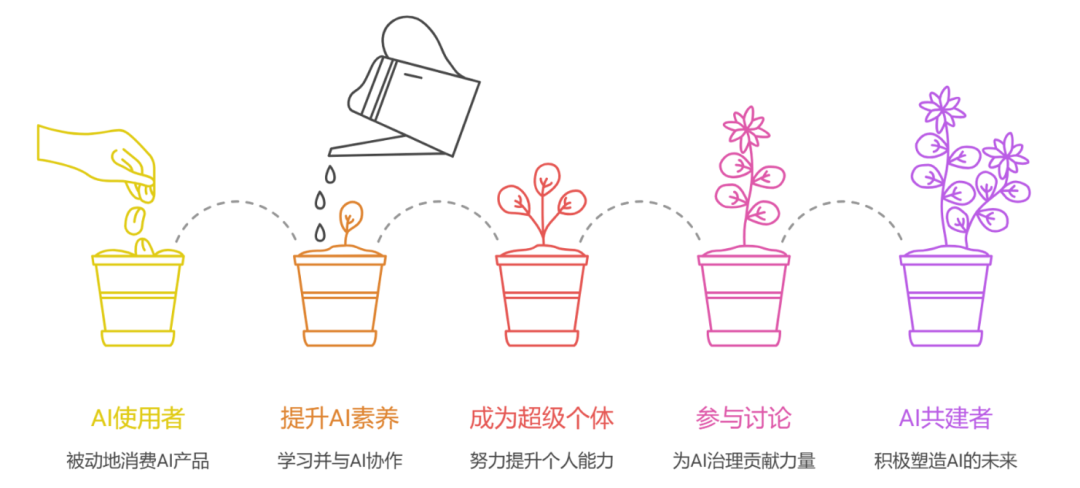
From **user** → **co-creator**:
- Learn AI literacy.
- Collaborate with AI to co-build solutions.
---
## 8. Conclusion: Why Everyone Must Become an “Architect”
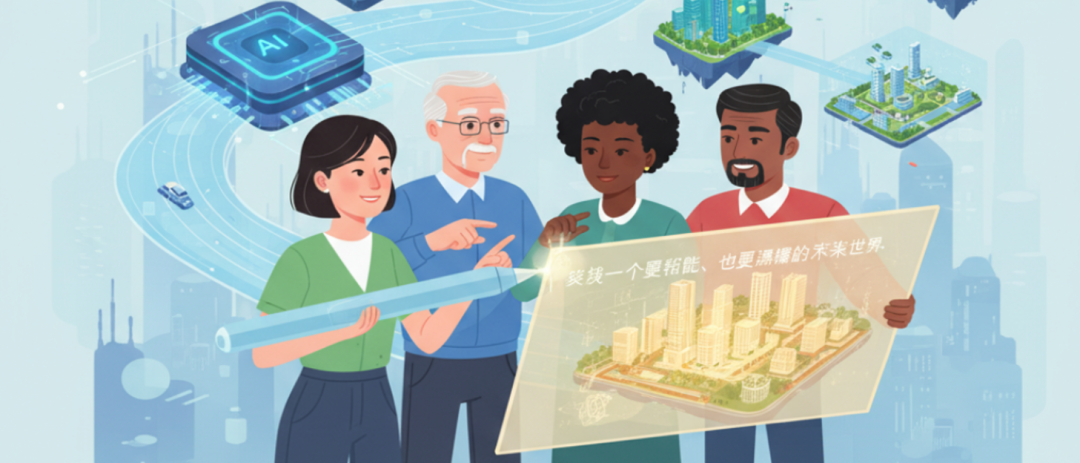
Understanding architecture means having **vision** — and that vision is critical for shaping the AI future.
AI paints limitless possibilities; we must choose and design the blueprint ourselves.
**Call to Action:** Build a smarter, warmer future — together.
---
> **Tip:** Platforms like [AiToEarn官网](https://aitoearn.ai/) can help you **design**, **publish**, and **monetize** AI-driven creations across multiple channels, turning ideas into real-world impact.