Is Traditional E‑Commerce Dead? AI-Native Platforms’ Personalization, Efficiency Revolution, and Compliance Challenges — A Clear Look at the Core Logic
AI as the Reshaper of E-commerce: Transforming the Entire Value Chain
From the moment a consumer opens an app and receives intelligent recommendations, to back-end supply chain optimization and dynamic pricing for merchants, AI is everywhere.
It fuels:
- Personalized shopping experiences tailored to “a thousand faces for a thousand people.”
- Operational efficiency gains for sellers — faster inventory turnover, precise marketing, lower customer service costs.
Yet, opportunities bring challenges:
- Data compliance
- Algorithm transparency
This article dives into how AI moves from concept to implementation across every e-commerce touchpoint, revealing technical logic and business considerations behind this transformation.
---
Why Google Became a $2 Trillion Giant While Wikipedia Stays Non-profit
Google thrives because commercial search queries drive revenue. Searching for “How many protons are in a cesium atom?” earns Google nothing. Searching for "best tennis racquet"? That prints money.
This imbalance defines the search economy — now, AI is disrupting it.
---
Recently, a16z partners Justine Moore and Alex Rampell shared insightful analysis on AI reshaping e-commerce, forecasting threats to Google and introducing a new AI agent-driven shopping paradigm replacing traditional search–compare–buy flows.
---
01 — Google’s Real Crisis: From Search Volume to Value Migration
Key takeaway:
> Google could lose 95% of its search volume and still grow revenue — as long as it retains valuable commercial queries.
Traditional model:
- User searches → sees results & ads
- Merchant gets traffic
- Google collects ad fees
AI agent model:
- User states intent → AI recommends & facilitates purchase directly
- Research phase shrinks or disappears
When users rely on ChatGPT or Perplexity to answer “What’s the best tennis racquet?”, they skip Google altogether.
> This shift is structural — AI erodes Google’s role in the decision-making chain, not just its traffic volume.
---
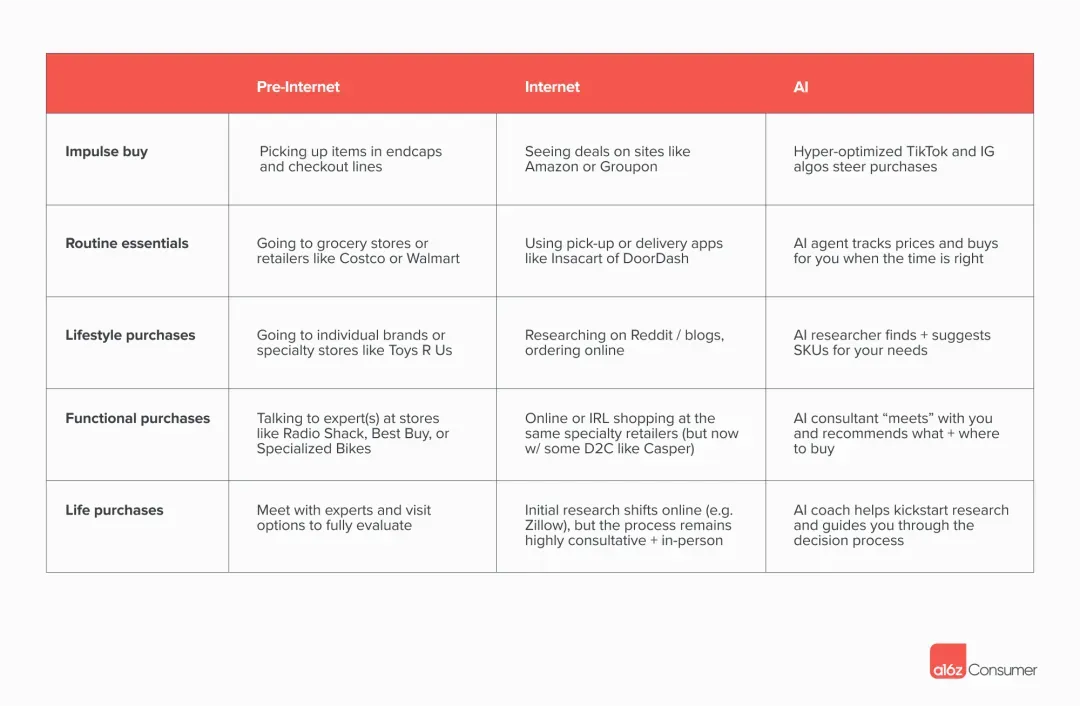
02 — Five Purchasing Behaviors Reshaped by AI
Justine’s framework categorizes purchasing into five types, each transformed differently in the AI era.
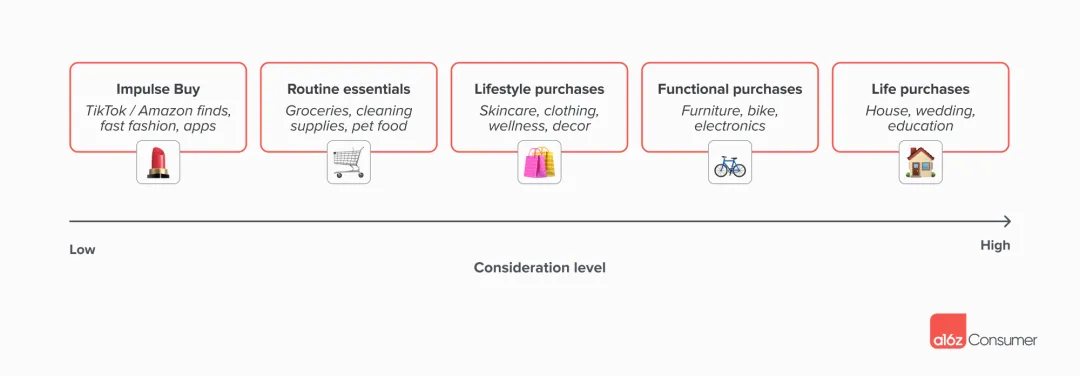
1. Impulse Buy
- AI predicts & guides impulses, matching products to real-time emotional states.
- Example: AI pushes a TikTok product when your mood data shows you’re most receptive.
2. Routine Essentials
- AI acts as a proxy buyer, optimizing purchase timing & quantities.
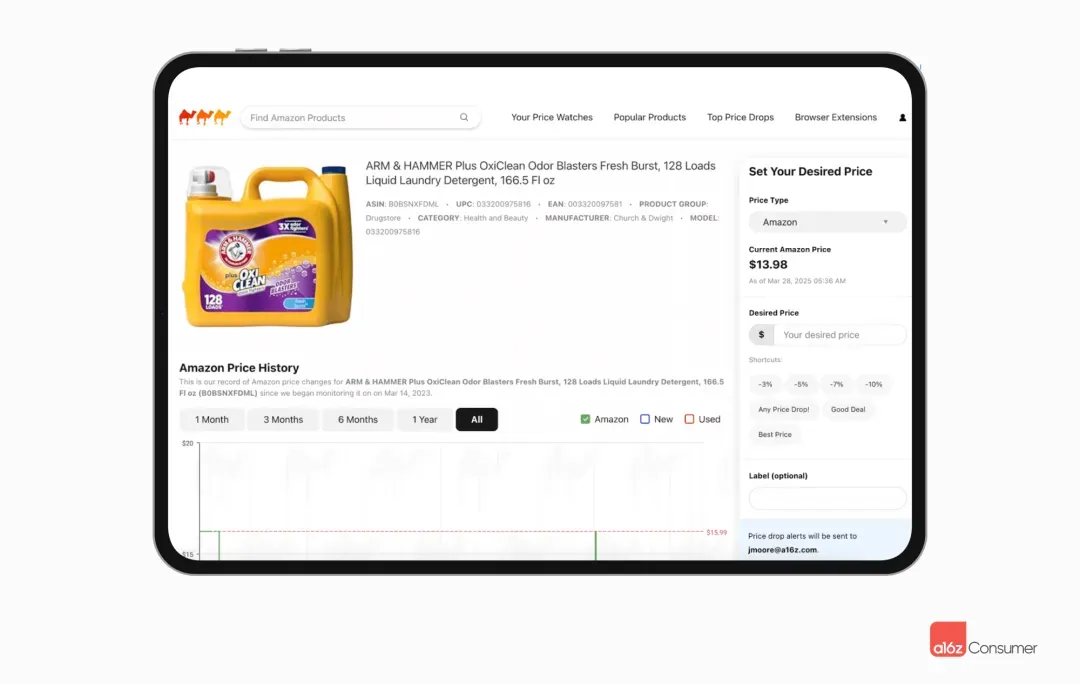
- Capable of intelligent arbitrage — buying detergent on sale before you run out.
3. Lifestyle Purchases
- AI deeply learns preferences — body type, style, aspirations.
- Recommends not just items, but entire lifestyle upgrade paths.
4. Functional Purchases
- Complex, high expenditure items need AI consultants with expert knowledge.
- Cross-brand neutrality to avoid bias.
5. Life Purchases
- Major decisions (home, marriage, education) remain human-led.
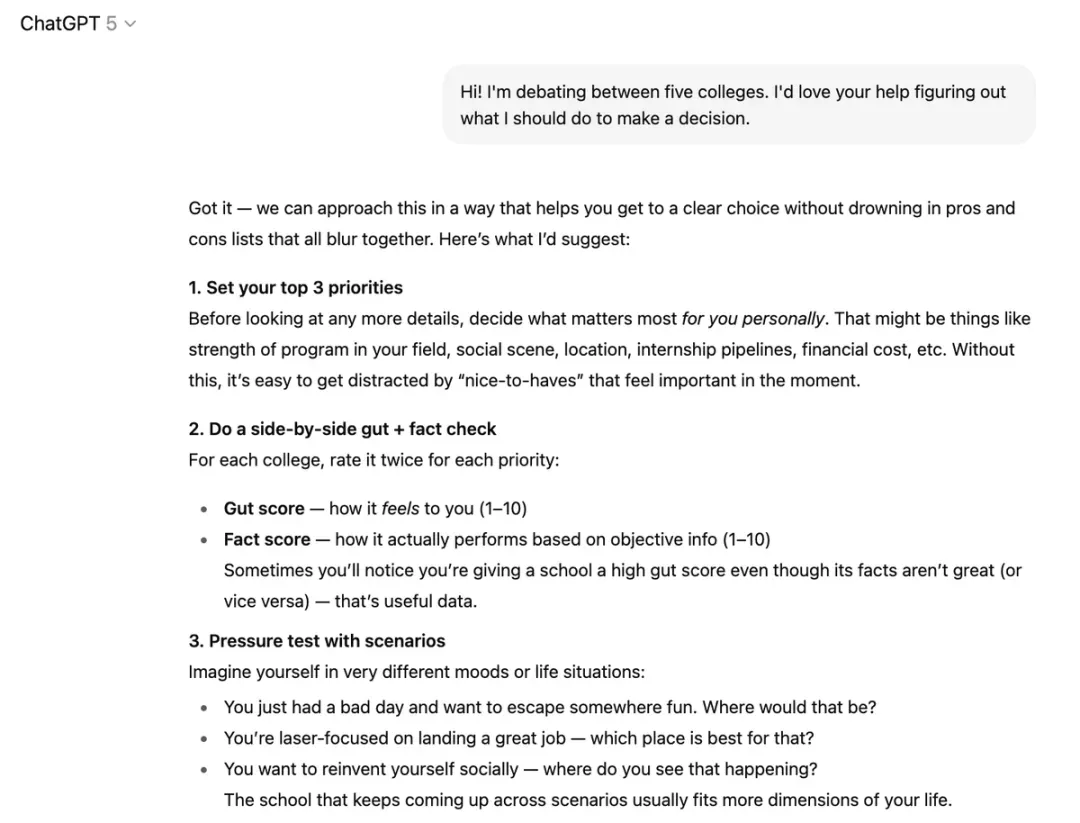
- AI assists with data gathering, risk assessment, and long-term simulations.
---
03 — Amazon & Shopify’s Moat: Data + Infrastructure
Both have stronger defenses than Google:
- Amazon possesses behavioral purchase data — far richer than search history.
- Knows what you bought, delivery speed, returns, repurchases.
- Prime loyalty program taps into sunk cost bias — leaning AI agents toward Amazon.
- Shopify empowers merchant networks via standardized infrastructure.
- Thousands of D2C brands create a unified API ecosystem.
- Strong brand narrative proximity — emotional connection still matters.
---
04 — Four Infrastructure Challenges for AI Commercialization
1. Better Data
Problem: Fake reviews, bias, lack of context.
Solution: Combine subjective feedback + objective IoT usage data.
2. Unified APIs
Fragmented platforms slow AI efficiency.
Solution: API aggregation services to standardize and streamline integration.
3. Identity & Memory
Requires balancing privacy and personalization.
Solution: Multi-layered preference models capturing context-aware habits.
4. Embedded Capture
From passive collection to real-time micro-interaction analysis, learning preferences from browsing behavior.
---
AiToEarn Example
AiToEarn官网 demonstrates cross-platform AI publishing capabilities — relevant for content monetization and potentially commerce integration.
---
05 — E-commerce Platform Reshuffle: Who Wins?
In the AI era, traditional advantages (selection, convenience, price) shift to:
- Data quality
- AI capability
- Ecosystem integration
New players may include:
- AI-native e-commerce platforms
- Vertical AI agents (category specialists)
- Commerce infrastructure providers
- Subscription-based AI shopping agents
---
06 — AI-Driven Brand Marketing Reconstruction
Traditional mass marketing weakens — AI agents:
- Ignore emotional ads.
- Value performance metrics, cost-effectiveness, verified satisfaction.
Brand storytelling remains vital — AI rewards consistency & trustworthiness.
New role: AI Relationship Specialist
- Ensures product data is AI-readable.
- Manages API integrations & monitors recommendation patterns.
Extreme personalization emerges:
- AI agents enable mass customization — one-of-a-kind products per consumer.

---
07 — The Next Decade: Data-Centric Commerce Ecosystems
Trends:
- Embedded preference capture
- AI-native platforms
- Subscription shopping agents
- Personalized manufacturing
Economic impacts:
- Increased market efficiency
- Quality over marketing dominance
- Price transparency
- Possible loss of shopping serendipity
Policy implications:
- Richer data for economic planning
- Predictive market analysis capability
Forecast: AI commerce moves from experimentation to mainstream within a decade.
Winners redefine customer value through AI integration.
---
Key Takeaways
- AI disrupts traditional search & purchase flows
- Behavioral data becomes the most valuable asset
- Unified infrastructure enables AI scalability
- Brand relationships will require optimization for AI compatibility
- Emotional and narrative elements remain decisive in human connection
---
Do you want me to create a clear table summarizing these four infrastructure challenges with proposed AI-era solutions for quick reference? It would make the ideas immediately actionable for platform strategists.