
McKinsey Report: 13 Cutting-Edge Technologies Defining the Next Five Years
Introduction
> “The competition of the future will no longer be about breakthroughs in individual technologies, but about ecosystems, talent systems, and values.”
From the roar of the steam engine to the silent revolution of the internet, waves of technological change have reshaped society—often in subtle ways.
Today, we stand on the brink of a greater surge:
- Artificial intelligence is learning to “think”
- Robots have moved beyond factory floors
- Semiconductors are becoming the “new oil” of the digital era
- Space commercialization is turning distant dreams into viable business frontiers
So, which technologies will dominate the next five or ten years?
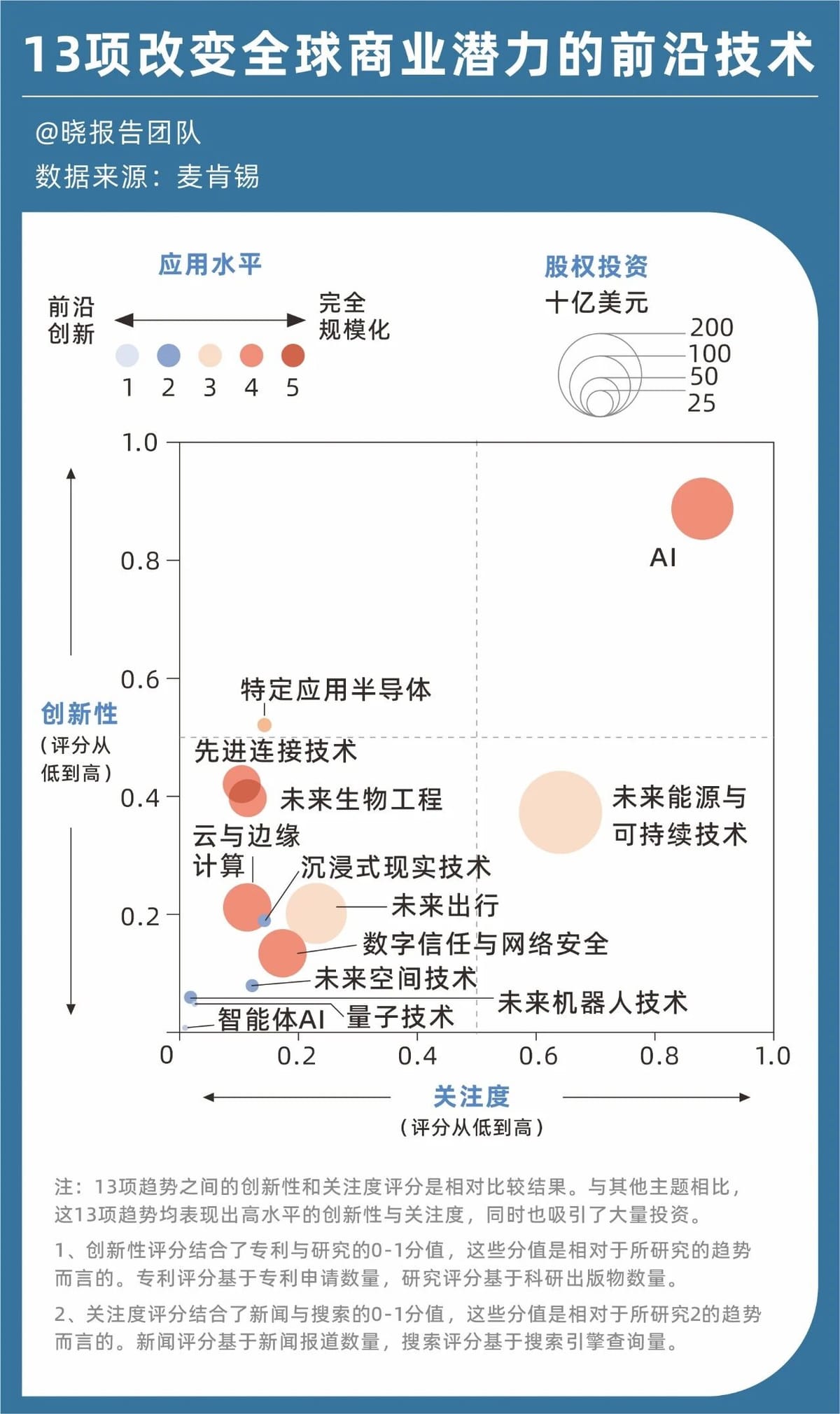
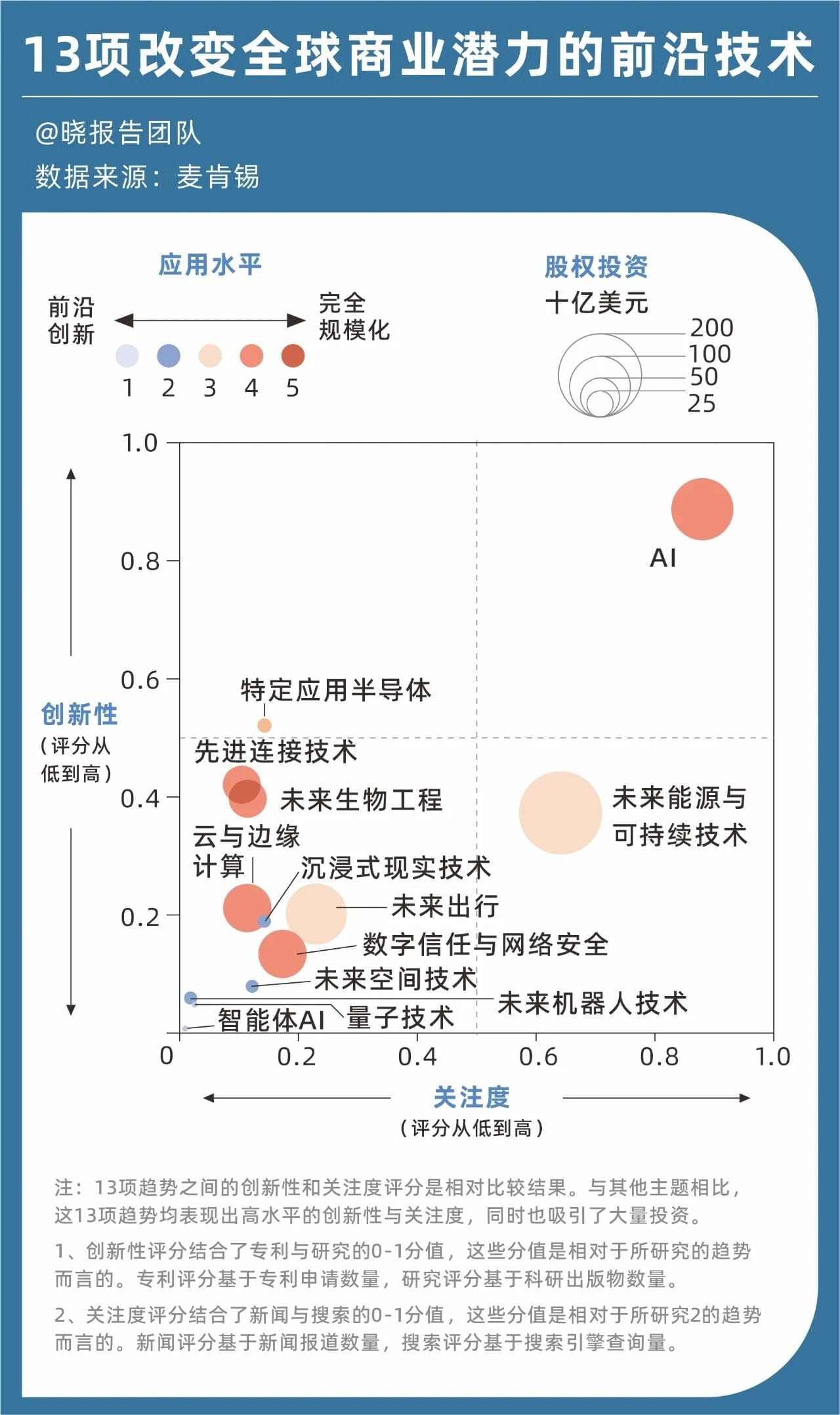
McKinsey’s Technology Trends Outlook 2025 identifies 13 frontier technology trends that could transform global business, analyzing them across four dimensions:
- Innovation
- Attention
- Capital investment
- Application maturity
---
Key Global Trends
Capital Flow Priorities
Investment is increasingly directed toward:
- AI
- Future Energy & Sustainability
- Future Mobility
These fields are moving from breakthrough concepts to deep application, with AI leading in both innovation and attention.
By contrast, technologies such as specialized semiconductors, advanced connectivity, cloud & edge computing, and cybersecurity are less hyped but are critical foundational infrastructure, now close to large-scale deployment.
Emerging fields—including immersive reality, future space, robotics of tomorrow, quantum technologies, and AI agents—remain in incubation but show early signs of revolutionary potential.
> 📊 Example: AI agents saw $1.1B equity investment in 2024, a 1,562% YoY increase.

Visitors exploring the Yungang Grottoes via AR glasses
---
China’s Strategic Focus
China has incorporated these emerging technologies into its future industry priorities for 2035, with detailed roadmaps.
Example:
- Future Space Industry: Market projected to exceed 800B RMB by 2030, focusing on manned low-altitude flight, deep space exploration, and polar development.
---
The 13 Tracks & Trillion-Dollar Opportunities
McKinsey groups the 13 trends into three categories:
1. AI Revolution
Includes:
- Artificial Intelligence
- AI Agents
Key points:
- Cost of certain AI inference tasks fell 900x in one year
- AI acts as a core innovation driver and cross-industry catalyst
- AI agents work as "virtual colleagues" capable of multi-step task execution
📈 Market forecast: AI agents to grow from $5.1B (2024) to $47.1B (2030) at 44.8% CAGR
---
2. Frontiers of Computing & Connectivity
Includes:
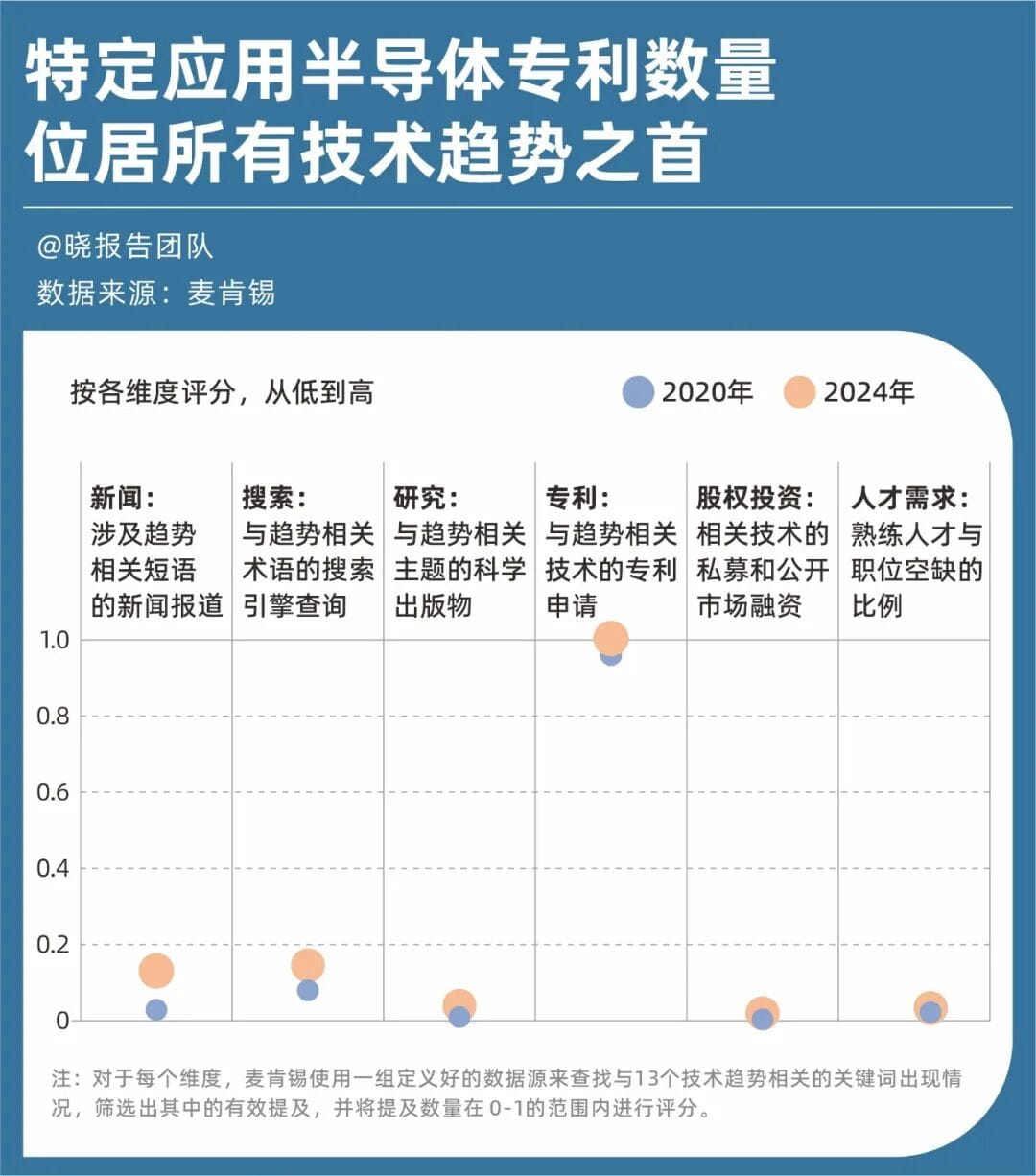
- Specialized Semiconductors
- Advanced Connectivity
- Cloud & Edge Computing
- Immersive Reality
- Digital Trust & Cybersecurity
- Quantum Technology
Highlights:
- Specialized chips for AI tasks are top in patent volume and drew $7.5B investment (2023)
- 5G covers 2.25B users worldwide
- Immersive reality is expanding into healthcare and industrial design
- Quantum computing breakthroughs in error correction & stability by Google, IBM, Microsoft
---
3. Frontier Engineering
Includes:
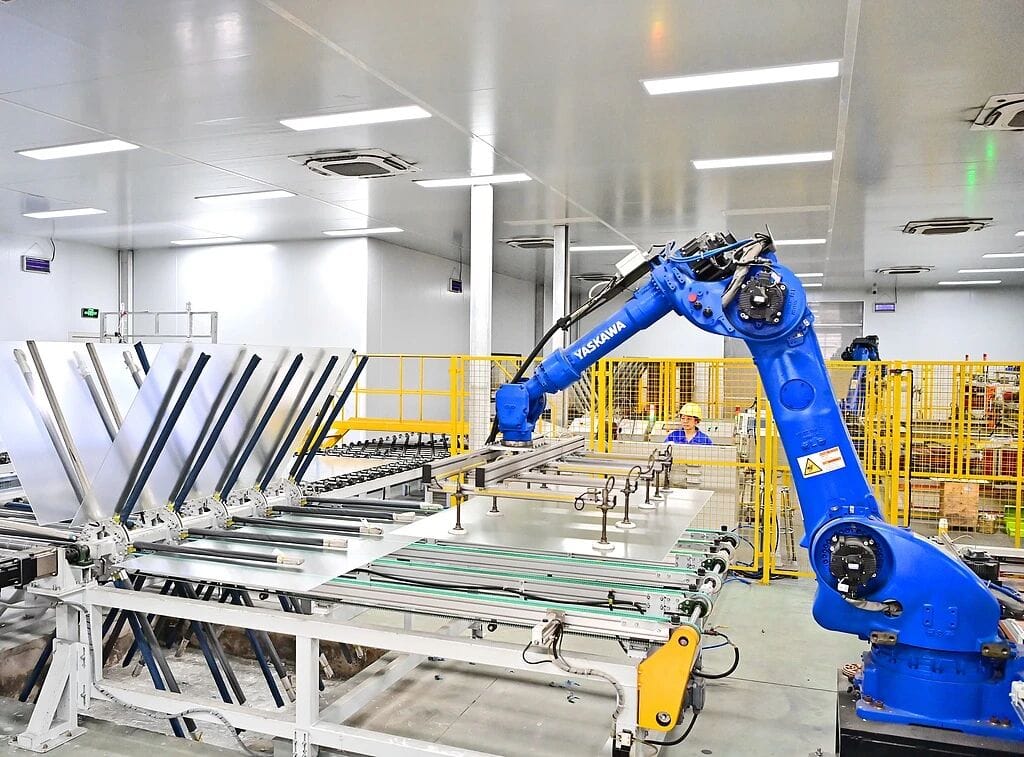
- Future Robotics
- Future Mobility
- Future Bioengineering
- Future Space
- Future Energy & Sustainability
Highlights:
- Industrial robots: 4M units globally
- Future Mobility: China’s EV market grew 36%, drone delivery projected $29B by 2034
- Bioengineering: CRISPR gets FDA approval, AI accelerating drug development
- Energy Sustainability: China dominates photovoltaic manufacturing & hydrogen electrolyzer capacity; 31 nations pledge to triple nuclear energy by 2050

---
Six Major Meta-Trends
1. Rise of Autonomous Systems
- Learning, adapting, collaborating without human prompts
- Examples: AI agents managing workflows, autonomous robots, self-driving cars

---
2. New Human–Machine Collaboration
- Natural interfaces, multi-modal input, adaptive intelligence
- Shift from “machine replacement” to “human augmentation”
---
3. Challenges of Scaled Deployment
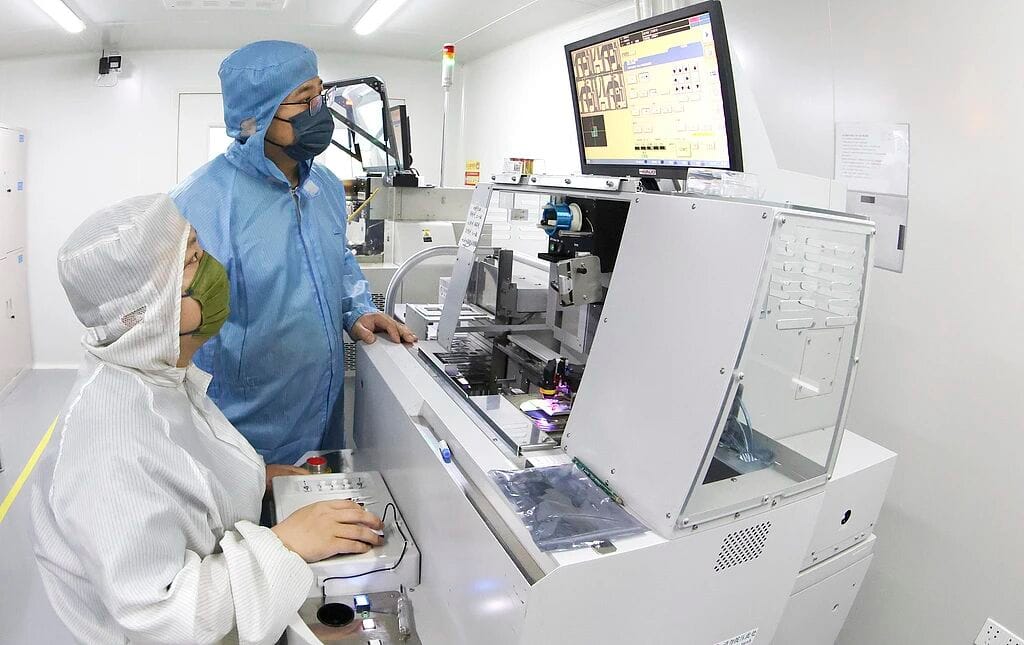
- Strain on infrastructure from AI, robotics, immersive reality
- Bottlenecks: power supply, chip supply chains, long data center timelines
---
4. Regional & National Competition
- US–China rivalry in chips, AI, quantum
- Europe seeking sovereignty via the Artificial Intelligence Act
- Trust, digital ethics, and sovereignty now geopolitical assets
---
5. Parallel Growth: Scale & Specialization
- Large general-purpose AI models in massive data centers
- Specialized low-power AI tools integrated into edge devices
---
6. Responsible Innovation
- Transparency, fairness, accountability as adoption prerequisites
- Ethical practices influence both scaling speed and investor confidence

---
Funding & Talent Dynamics
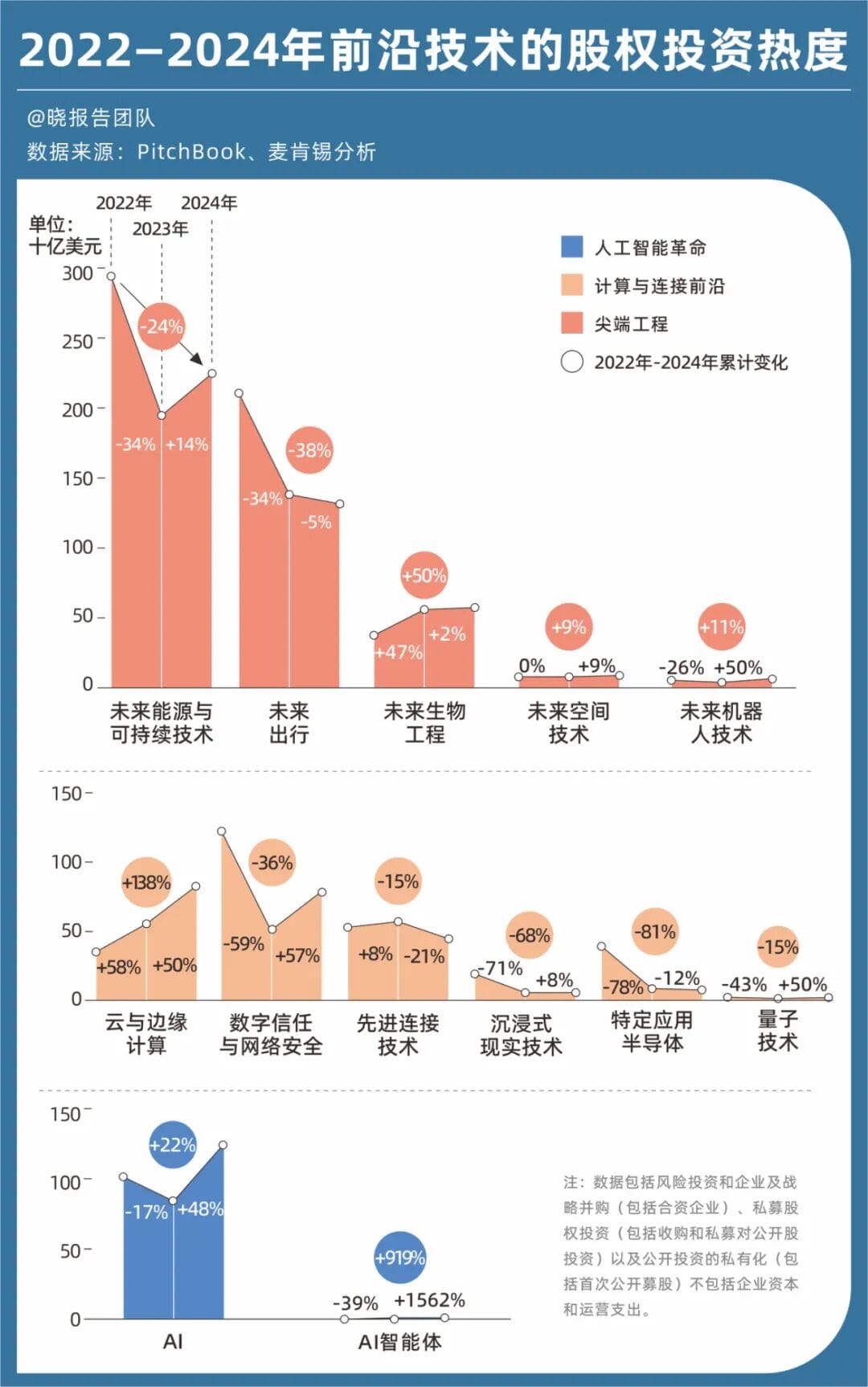
2024 Top Investment Volumes:
- Future Energy & Sustainability – $223.2B
- Future Mobility – $131.6B
- AI – $124.3B
- Cloud & Edge Computing – $80.8B
- Cybersecurity – $77.8B
Fastest Growth Rates:
- AI Agents: +1562% YoY
- Future Bioengineering: consecutive growth years
---
Talent Demand Insights
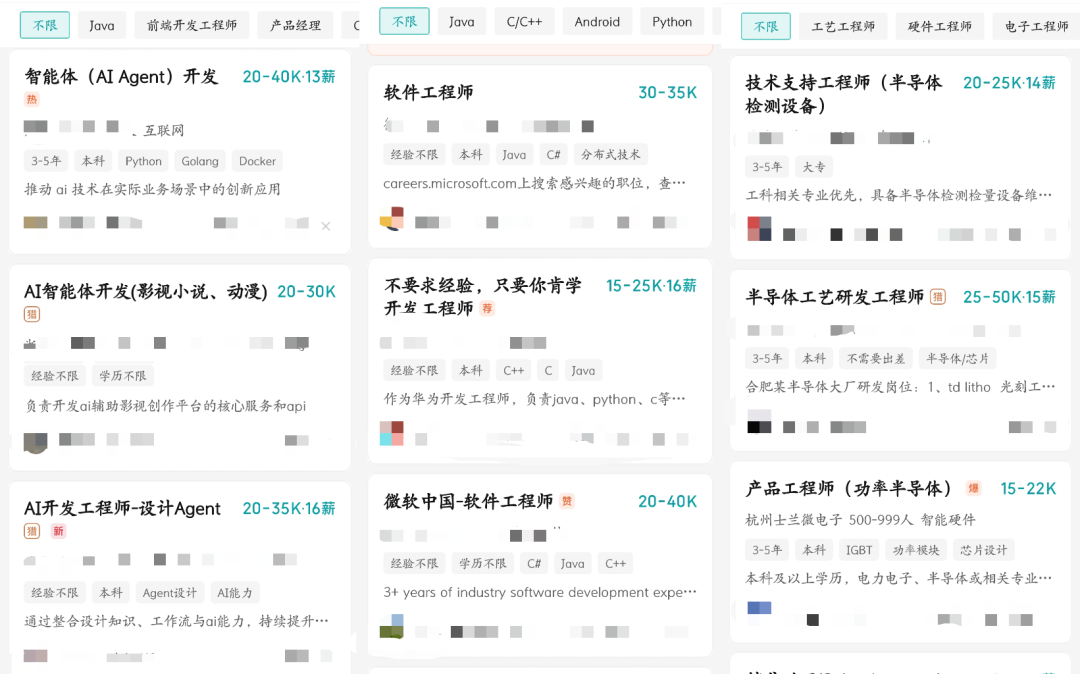
- AI agent talent needs: +985% (2024)
- Severe shortages in:
- Data scientists (AI): supply-demand ratio 0.5
- GPU & ML hardware experts: ratio 0.1
- Composite skills in software + hardware and algorithm + ethics highly valued

---
Conclusion
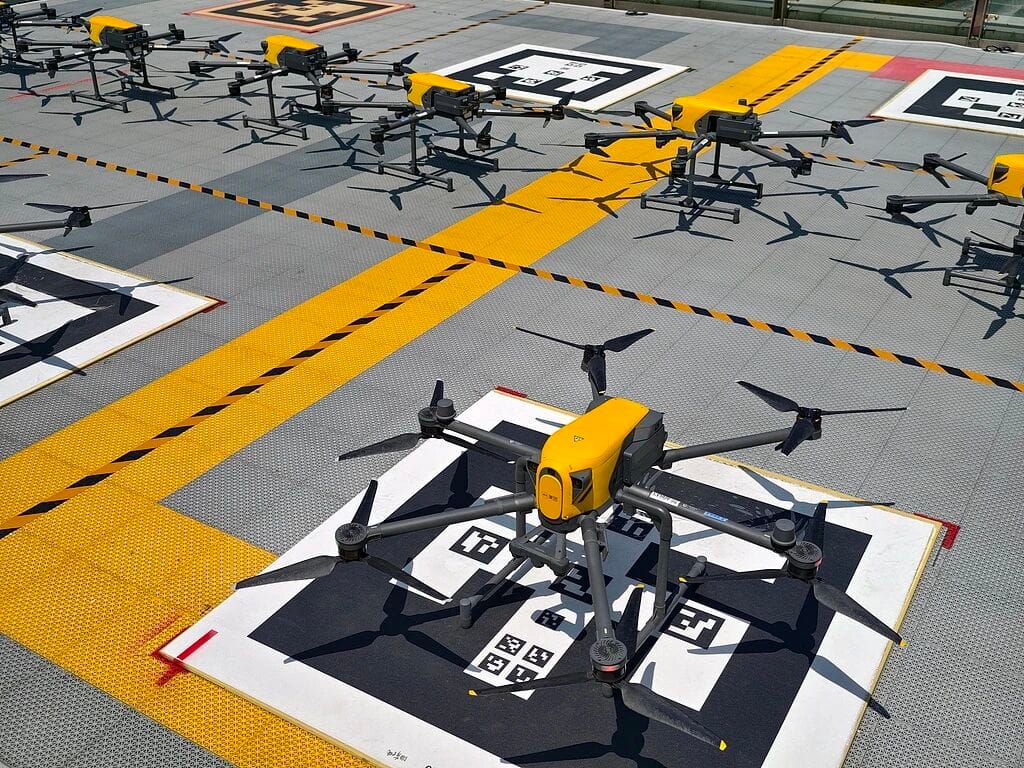
China holds notable application-level advantages (e.g., EV penetration, 5G coverage, drone commercialization) but faces foundation-level risks in semiconductors, core AI models, quantum computing, and biopharma innovation.
Future competition is shifting from isolated tech breakthroughs to ecosystem dominance, talent systems, and shared values.
Integrated platforms like AiToEarn官网 are emerging as critical enablers—connecting AI content creation, cross-platform publishing, analytics, and model ranking to help creators monetize innovation in a complex, fast-changing landscape.
---
Key takeaway:
Success in the next decade will depend on the ability to combine technology with ecosystems, cultivate cross-disciplinary talent, and operate with responsibility and trust.
---
Would you like me to prepare a visual table summarizing all 13 frontier technologies and their key metrics? That would make the report even more scannable and useful.