Nano Banana is Finally Literate, But I Might Become “Stupid”
Nano Banana 2: The AI Image Model That Thinks
Over the past weekend, Gemini 3 Pro Image has been stress-tested in increasingly creative ways — though you may know it by its other name: Nano Banana 2.
A name that sounds like a joke, yet somehow stuck.
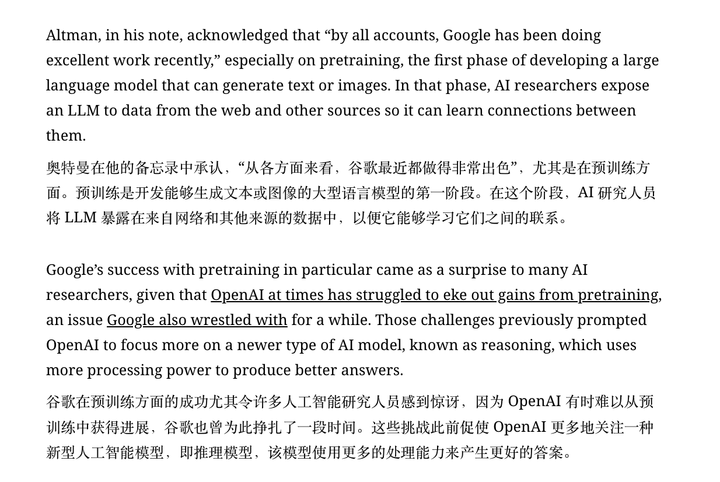
Nano Banana 2 has shown exceptional capability across multiple domains, enough to win a nod from “friendly rival” Sam Altman.
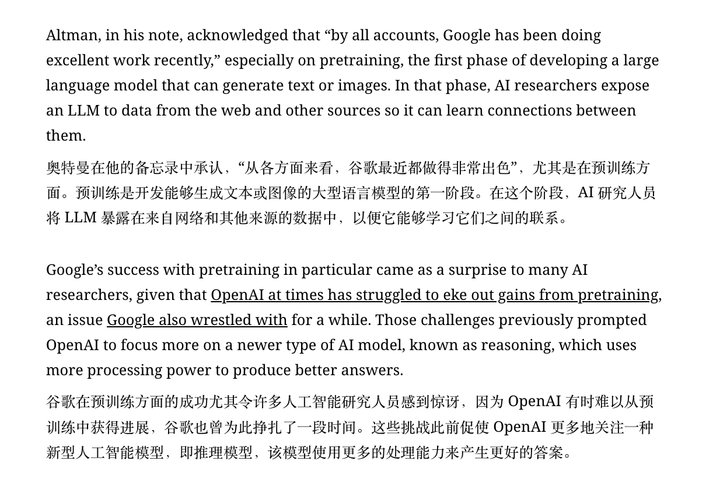
▲ Image source: The Information
---
Why Nano Banana 2 Matters
The second stage of Nano Banana represents a turning point in AI image generation:
- From probability-based “analogy” → To understanding-based “logical construction”.
- AI now engages not just your eyes, but also your intellect.
---
Large Language Models Are No Longer “Illiterate”
AI-generated images have faced a notorious, long-standing flaw: artistic brilliance coupled with chaotic text. This issue dates back to the Midjourney era — improved over time, but never fully solved.
Why Text Was Always Wrong
One of the clearest giveaways that an image was AI-generated? Look at its text.
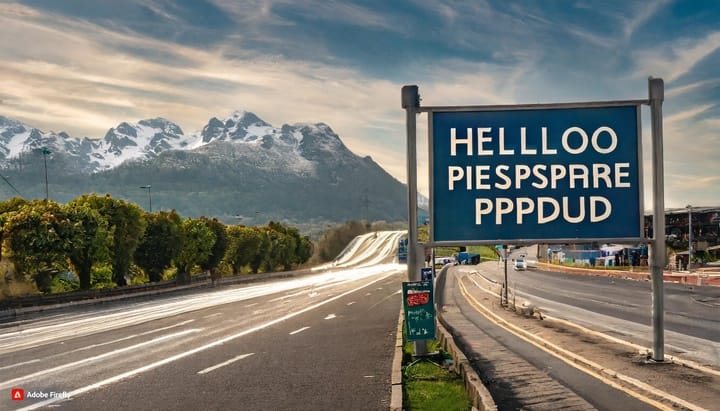
Diffusion models treat text as a texture rather than a symbol — resulting in broken letters, misspellings, and nonsense.
---
Breakthrough: Accurate Text Rendering
Nano Banana 2 changes the game with Text Rendering — the ability to recognize and accurately produce text in visual compositions.
Example Prompt:
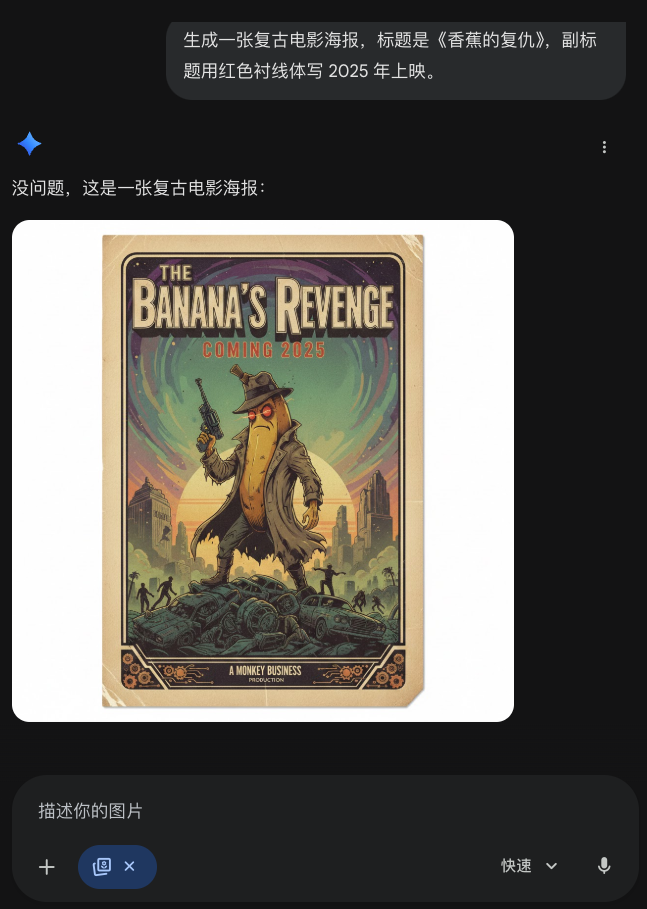
> Generate a retro movie poster titled “Banana’s Revenge,” with the subtitle “Releasing in 2025” in red serif font.
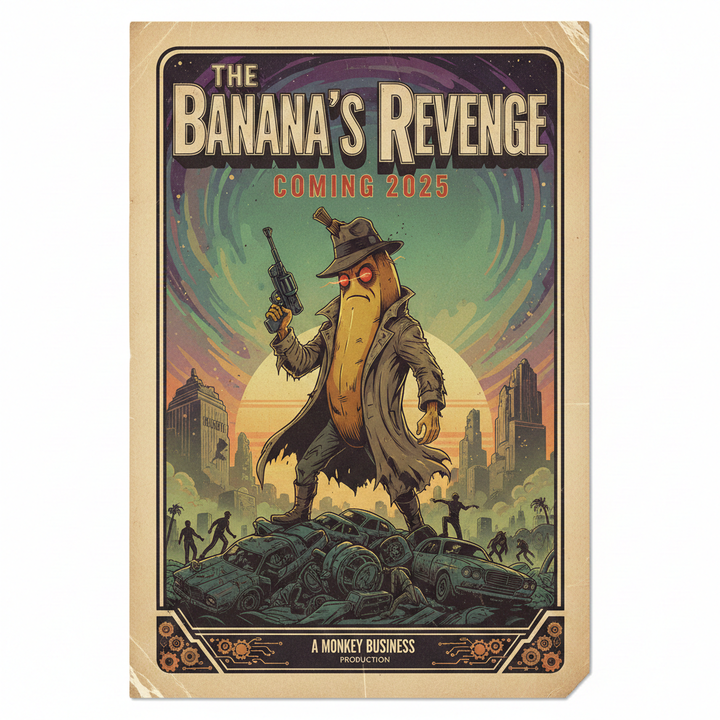
Before vs After
- Before: Main title often passable; smaller captions fell apart; misspellings like “BANNANA” were common.
- Now: Text appears accurate, clear, and beautifully typeset within the image.
---
Why This Matters
For everyday users:
- “Meme freedom” — generate perfectly captioned, sarcastic images without manually adding text boxes.
For businesses:
- AI image generation has crossed from the “material stage” into the “deliverable stage.”
- Accurate text enables:
- E-commerce product posters
- Presentation illustrations
- Data charts and infographics
- Designs where text matches perspective and layout
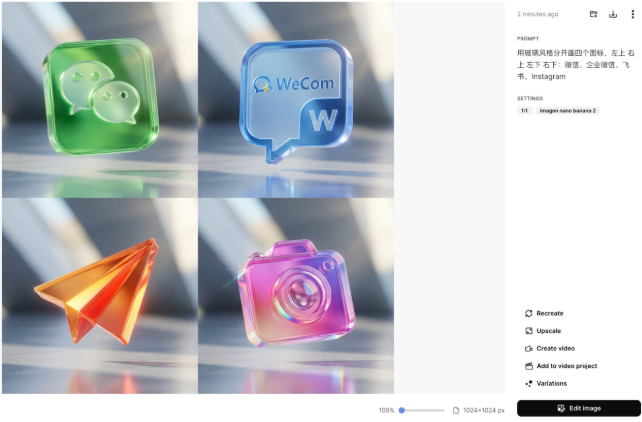
▲ Image source: X user @chumsdock
This is the “last mile” in commercial-ready AI visuals — enabling fully packaged deliverables.
---
From Guesswork to Understanding
Text rendering is just the surface-level proof of Nano Banana 2’s deeper technical leap:
It’s moved from statistical guesswork to reasoning-driven image generation.
Traditional Models:
> “A cat sitting on a glass table” → Output based on statistical pixel patterns learned from millions of cat images.
Nano Banana 2:
- Leverages reasoning from the Gemini 3 language model.
- Builds an implicit physical model before generating.
- Understands shadows, light refraction through glass, and object relationships.

---
Example — Chemistry Lab Prompt
> “Generate a complex chemistry lab, with beakers containing blue liquid on the table, and molecular formulas on the blackboard in the background.”
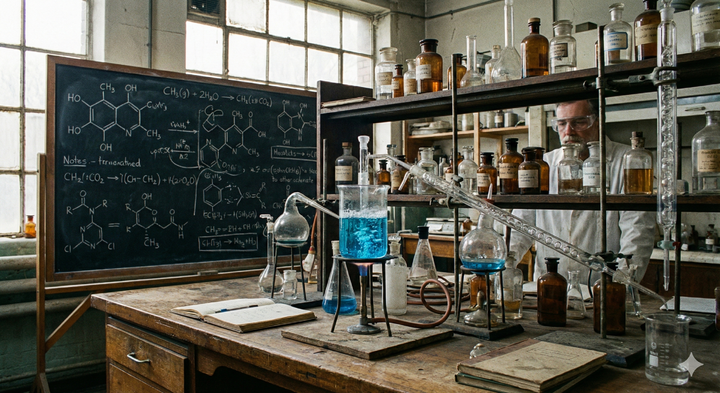
Key improvements:
- Correct meniscus in the beaker
- Realistic glass refraction
- Structured — not random — chemical formulas (minor flaws remain)
---
The Thinking Canvas
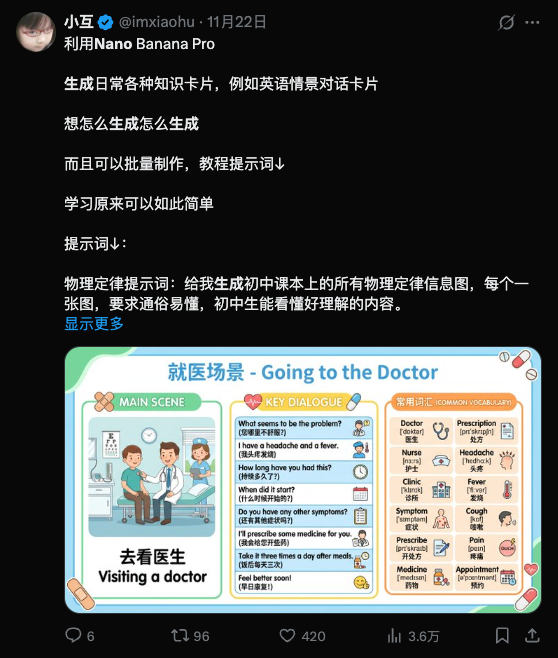
Text Rendering is the visible result. Reasoning is the hidden engine. Together, they make Nano Banana 2 a Thinking Canvas.
Google has tightly integrated the model for more than just “pretty pictures” — now aiming at:
- Infographics
- Teaching materials
- Explanatory graphics
- Complex, information-rich visuals
---
Probabilistic Guesswork → Causal Inference
Previously:
- Users supplied 20% of the info; AI guessed the remaining 80% via random filling.
Now:
- AI uses causal logic — encoding processes along with outcomes.
- Enhances narrative and emotional depth in visuals.

Example: Even mechanical diagrams now show rivets and bolts in plausible places — a step toward logical visual correctness.
---
The Creative Double-Edged Sword
While perfection improves utility, it can also:
- Homogenize creativity — everything looks flawless, but risks losing the human imperfections that give design its character.
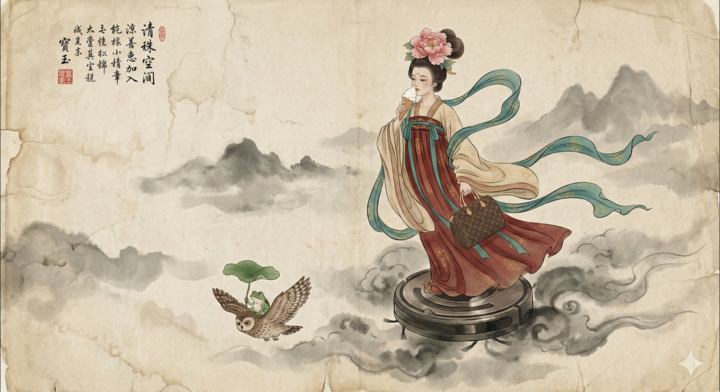
▲ Image source: X user @dotey
Risks Ahead
- Truth distortion: Mass-producible, logical visuals make “pleasing the intellect” dangerously easy — and potentially hollow.
- Deepfake challenges: Google uses SynthID watermarking, yet visual impact often outweighs such countermeasures.
From now on, every pixel you see could be machine-generated — thrilling and, at times, chilling.
---
Platforms for Adaptation: AiToEarn
In a rapidly evolving content world, platforms like AiToEarn官网 help creators adapt by:
- Generating AI content
- Publishing across multiple platforms simultaneously (Douyin, Kwai, WeChat, Bilibili, Rednote/Xiaohongshu, Facebook, Instagram, LinkedIn, Threads, YouTube, Pinterest, X/Twitter)
- Providing analytics and model rankings
- Monetizing creative output
Open-source resources:
AiToEarn allows creators to maintain individuality and value amid automation — turning AI-generated deliverables into sustainable income streams.
---
In summary:
Nano Banana 2 isn’t just a new image model. It’s the start of reasoning-driven visual creation, where design perfection meets intellectual understanding — bringing both opportunity and challenge to creators, brands, and society alike.