Nano Banana is Finally Literate, But I Might Get “Dumb”
Nano Banana 2 — Gemini 3 Pro Image Put to the Test
Over the past weekend, Gemini 3 Pro Image — affectionately nicknamed Nano Banana 2 — has faced increasingly creative “stress tests.”
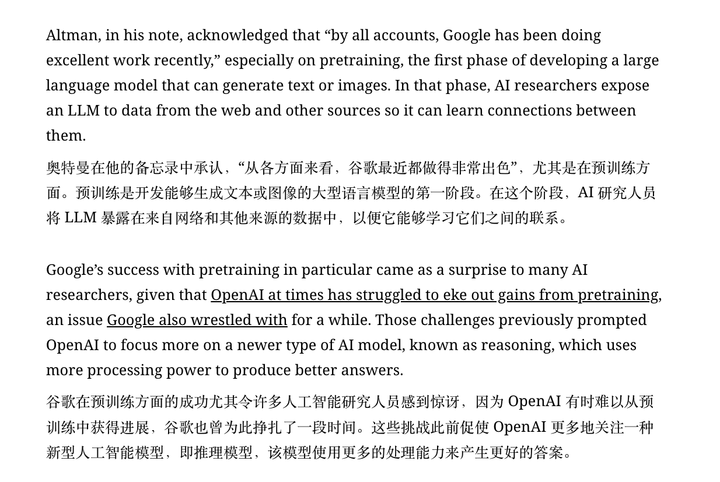
Despite the playful, almost prank-like name, its capabilities are remarkably strong — enough to win a nod of approval from industry leaders like Sam Altman.
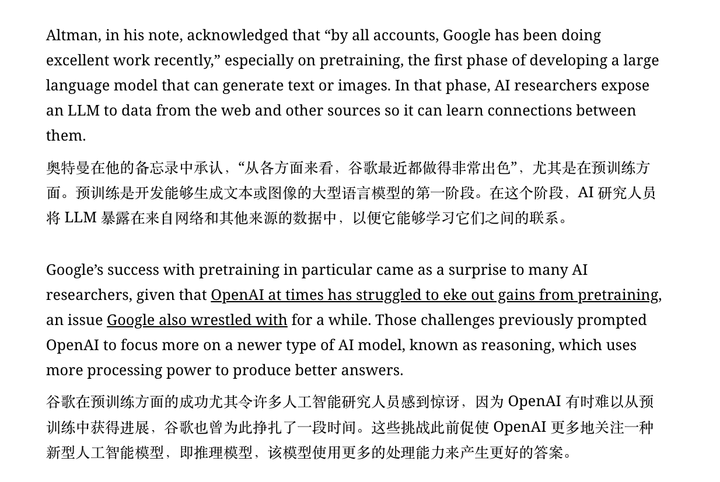
▲ Image credit: The Information
---
A Turning Point in AI Image Generation
Nano Banana 2 marks a significant technical leap:
- From probability-based analogy → To understanding-based logical construction
- Targeting not just the eyes → Engaging the intellect
---
Large Language Models Are No Longer “Illiterate”
AI image generation has long been plagued by an odd flaw: effortless artistry, but unpredictable accuracy. Since the Midjourney era, text has been the clearest giveaway.

The root cause? Diffusion models treat text as texture, not as symbolic meaning.
Breakthrough: Text Rendering
Nano Banana 2 can now read and render text accurately.
Test Prompt Example:
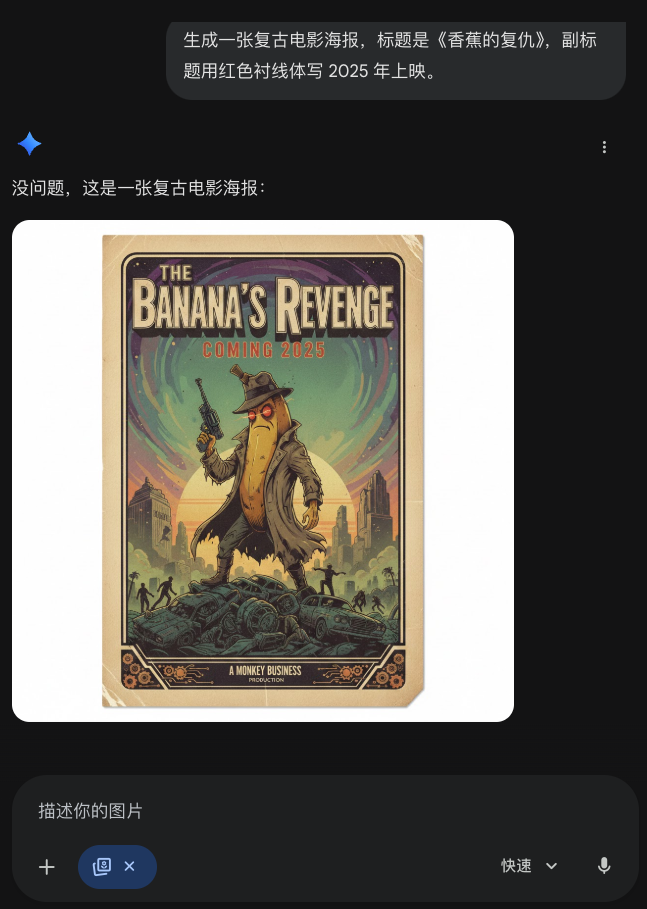
> "Generate a vintage movie poster, title: ‘Revenge of the Banana,’ subtitle in red serif font saying ‘Coming in 2025.’"
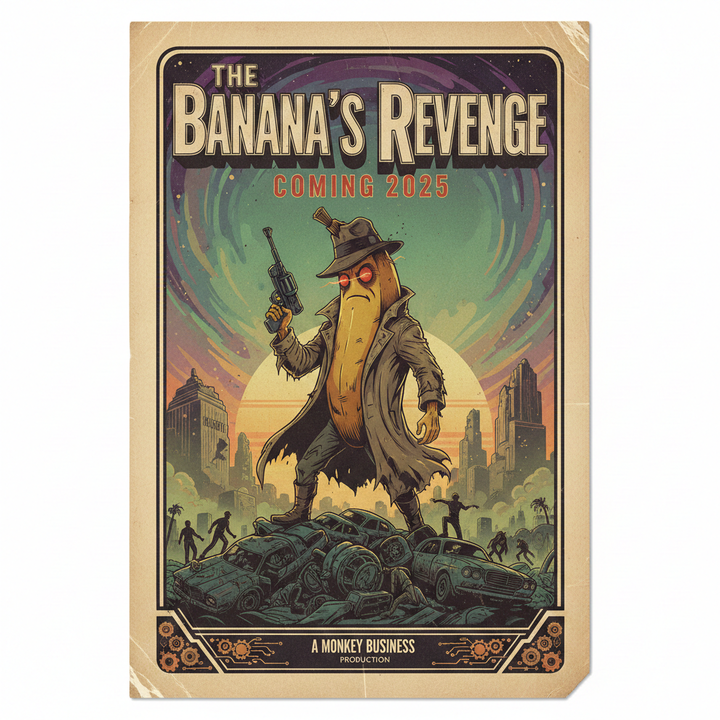
Previously:
- Main titles were often distorted ("BANNANA")
- Subtitles were garbled
Now:
- Every character is accurate
- Proper font styling and perspective are preserved
---
Why This Matters
For everyday users:
- Save time—no manual text layers needed
- Enables “meme freedom” with perfectly matched captions
For businesses:
- Shift from raw material → commercial deliverable
- AI can handle symbolic information (charts, typography, labels) without human post-processing
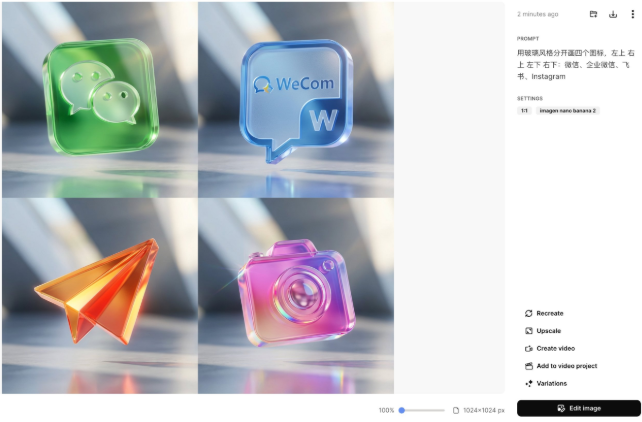
▲ Image credit: X user @chumsdock
---
From “Guessing Probabilities” to “Understanding Physics”
Text rendering showcases a deeper change: Nano Banana 2 has grown a brain — integrating Gemini 3’s reasoning ability.
How It Works
Old models:
- Pure probability machines assembling pixels based on training patterns
Nano Banana 2:
- Builds a conceptual, physical model before drawing
- Understands shadows, reflections, perspective, and logical object relationships
Test Prompt Example:
> "Generate a complex chemistry lab, with a beaker containing blue liquid on the table, and a blackboard in the background with molecular formulas."

Results:
- Accurate meniscus in beaker
- Light refraction matches expectations
- Molecular formulas are plausible, not random scrawls
---
Potential Applications
- Creative industries
- Design and prototyping
- Educational illustrations
- Data visualization
New ecosystems — e.g. AiToEarn官网 — combine AI’s reasoning-rich outputs with monetization tools across Douyin, Kwai, WeChat, Bilibili, Instagram, Threads, YouTube, Pinterest, and X.
---
When the Paintbrush Gains a “Brain”
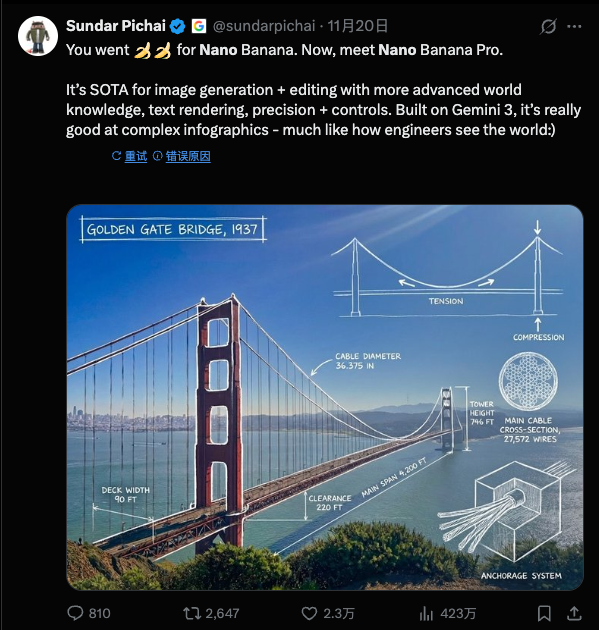
Text rendering = Visible proof of reasoning capability.
Reasoning = Invisible engine behind logical visual design.
What This Means:
- AI can now both generate and edit reality
- Suitable for infographics, structured educational content, teaching plans
- The Thinking Canvas: User provides ~20% of input → AI fills in the rest with causal logic, not just probabilistic filler
---
Key Insight:
> The AI now aims to please the intellect — not just the eyes.
Result:
- Structurally correct diagrams with components logically placed
- However, possible homogenization of creativity — perfect layouts but loss of “happy accidents” from human imperfection
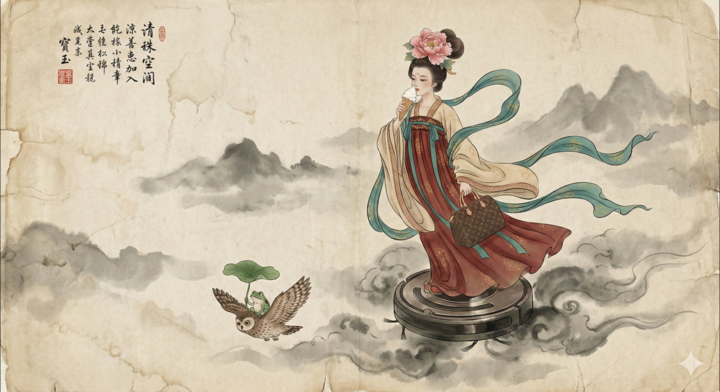
▲ Image from X user @dotey
---
Risks and Challenges
- Mass production of logic-perfect visuals → May dilute creative diversity
- Deepfakes gain more sophistication and credibility
- Google’s SynthID watermark offers authenticity tagging — but emotional impact often overrides technical verification
Bottom line:
From this moment, every pixel or text line may come from machine reasoning, not human hands. This is both exciting and unsettling.
---
Looking Ahead
Creators stand at a crossroads:
- Opportunities for rapid delivery of high-quality, reasoning-rich visuals
- Risks of sameness and reduced originality
Platforms like:
…can help preserve diversity by connecting AI tools with multi-platform publishing, analytics, and ranking systems — ensuring reasoning enhances originality, rather than erasing it.
---
Summary:
Nano Banana 2 (Gemini 3 Pro Image) isn’t just prettier — it’s smarter.
Its shift from guesswork to understanding marks a new chapter in AI image generation, with both profound creative potential and equally weighty ethical questions.