One-Off Apps and the Rise of Personal Unicorns: Top Evangelist Jeff Barr on How AI Is Reshaping the Developer Ecosystem | InfoQ Exclusive Interview with Jeff Barr

2025-11-15 — Zhejiang

---
Disposable Applications: The Future of Rapid Assembly and Reconstruction
In the near future, a massive wave of “use-and-discard” applications will emerge — akin to puzzle pieces that are quickly assembled, validated, and rebuilt.

> “This model will give rise to personal unicorn companies: one person, one computer, and an AI collaboration system that can support a complete product form.”
>
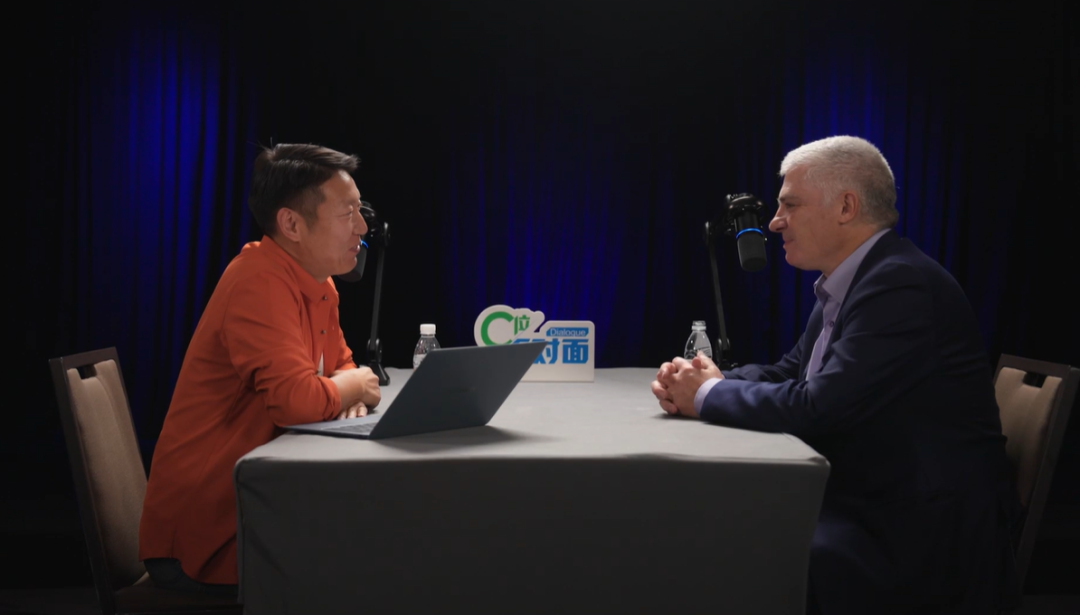
> — Jeff Barr, Amazon Web Services core founding member, in an exclusive interview with InfoQ
From technology to ecosystem to organization, AI‑driven restructuring is permeating every corner of the world.
---
Jeff Barr’s Long View on Technological Change
Sixteen years ago, Jeff Barr brought “cloud computing” to China at QCon and faced heated debates. Today, he stands at the front line of the AI wave, introducing a new phase — creative reconstruction.
- Co‑founded AWS in 2004
- Authored 3,300+ blog posts totaling nearly 1.5 million words
- Spanned eras from assembly and machine code to AI‑powered dev tools
Core belief:
> Tools change, but the essence of making machines understand human intent never changes.
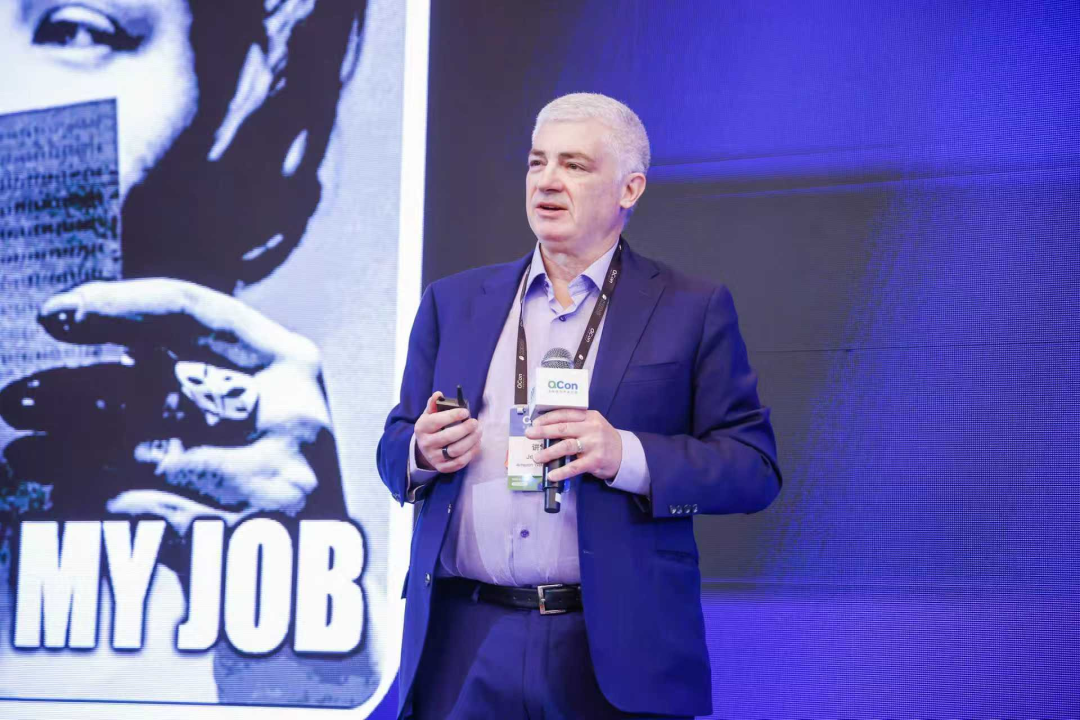
At QCon 2025 Shanghai, InfoQ explored with Barr:
- AI coding
- Developer value shifts
- Organizational transformation
- AI-native applications
- Startups and future opportunities
---
AI Coding — Amplifier, Not Replacement
“AI is not a replacement; it’s a capability amplifier.” — Jeff Barr
Why Developers Still Matter
Even with GitHub Copilot, Claude Code, Cursor, and Lovable lowering barriers, human developers:
- Frame problems beyond their prior experience
- Evaluate AI outputs
- Scrutinize system logic
Barr’s preferred term: “Builder” — not just code writers, but people who translate business/customer problems into frameworks AI can execute.

AI-native applications are designed with AI at their core — enabling systems to learn, adapt, and evolve with user needs.
---
Platforms Accelerating Independent Creation
Projects like AiToEarn官网 illustrate AI’s potential for:
- Multi‑platform content creation and publishing
- Seamless monetization across Douyin, Kwai, LinkedIn, YouTube, X
- Integrated tools: analytics + AI模型排名
Such ecosystems enable the “personal unicorn” vision Barr foresees.
---
Intelligent Agents — AI as the System’s Neural Core
> Autonomous agents understand natural language, reason, decide, call external tools, and sustain long-term context.
Modern AI design moves beyond “adding an AI module”, making the language model the brain and tools the limbs.
Examples:
- Amazon Bedrock
- Strands Agents SDK
Developer Role Shift
- Move from creator → reviewer
- Ensure correctness through formal verification
- Practice business-context translation for precise AI instructions
Future core value: Writing high-quality, unambiguous requests.
---
Pillars of Efficiency & Reliability
- AI Coding Assistants — speed & expressive capability from intent → code
- Formal Verification — mathematical program correctness, boosting trust
Insight: AI accelerates; verification secures.
---
The Rise of Disposable Applications
- Short lifecycle prototypes: quickly generated, tested, thrown away
- Scaling innovation pace beyond traditional cycles
- Lower-level code: human‑built backbone (OS, DBs, networking)
- Upper-level code: AI‑generated, rapid-iteration layers
Moat in AI era: Data quality, not code quantity.
> “Competitiveness shifts from more applications to better data.” — Jeff Barr
---
AI and Organizational Restructuring
“Two-Pizza Team” Becomes AI-Powered
With AI handling:
- Testing
- Documentation
- DB optimization
One developer can often replace multi-role teams — emerging as Full-cycle Builders.
Prediction: “One-Person Unicorn” companies.
Key practice: Re‑test core AI tools every 3 months — persistent iteration is the advantage.
---
Vibe Coding vs Spec‑Driven Development
Vibe Coding — rapid, freer creation for small, simple projects.
Spec‑Driven Development — structured requirements → specs → coordinated multi‑dev execution.
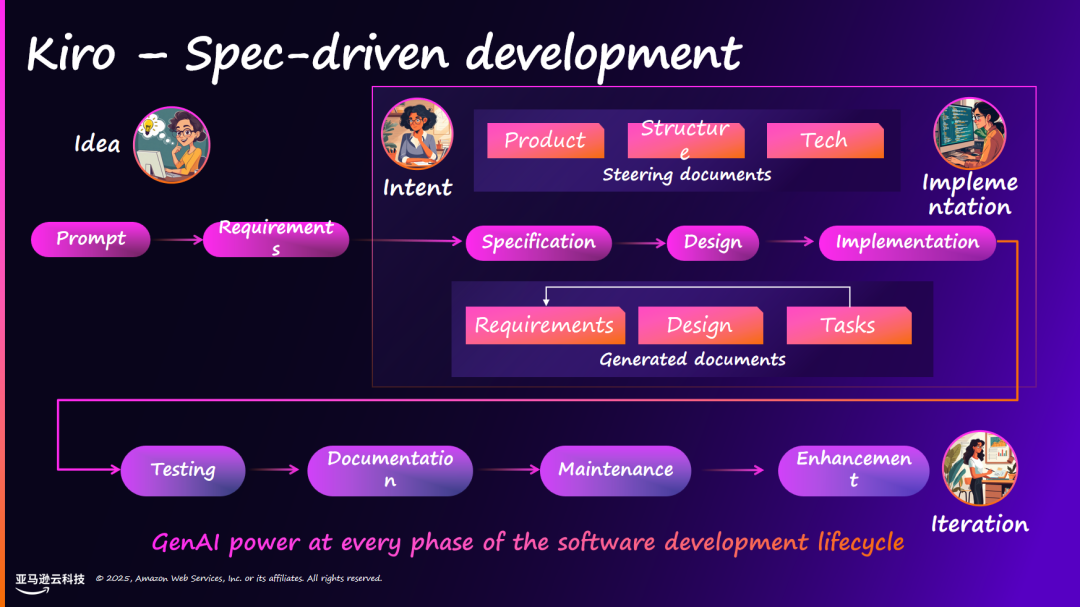
Amazon’s Kiro allows switching between both modes for:
- High‑freedom solo work
- Controllable team collaboration
---
Redefining Cloud in the AI Era
Cloud computing remains — microservices still optimal.
AI augments cloud with greater:
- Intelligence
- Automation
- Elasticity
Barr:
> “AI is part of the stack — not the stack itself.”
The cloud will evolve into an on‑demand, self‑optimizing intelligent system — Cloud + AI as the forward paradigm.
---
The “Four I Model”: Idea → Intent → Implementation → Iteration
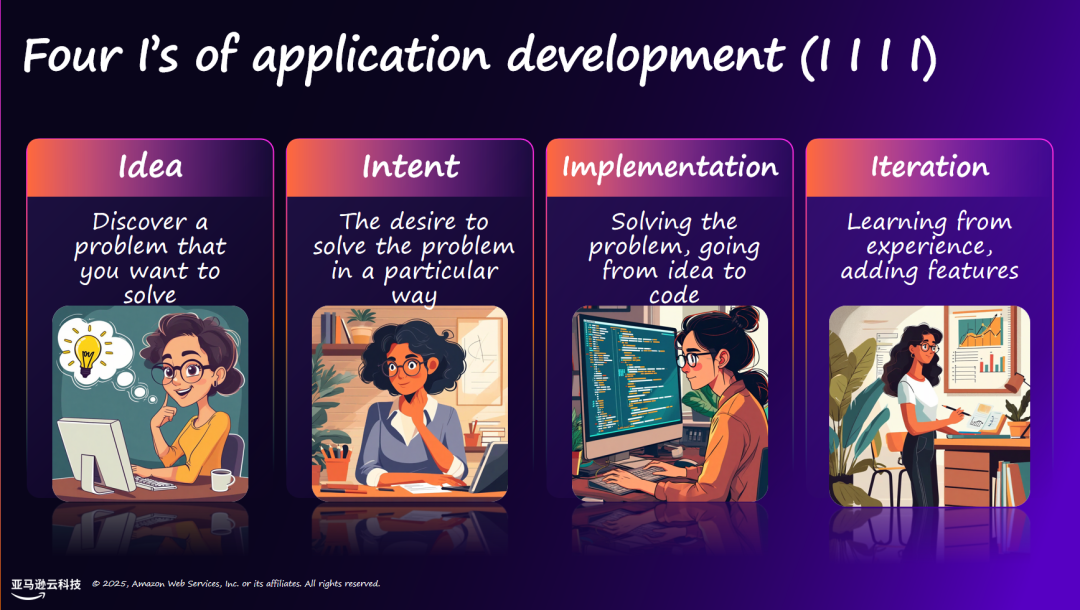
Essence: Making machines understand human intent.
Clear, constraint-rich communication produces reliable AI output — akin to giving a chef a precise recipe.
---
Technical Fundamentals Still Matter
- Know mechanisms under abstraction layers
- Keep Python, Java, Rust skills
- Recognize AI shifts the competitive threshold to user understanding & AI leverage
Career tips from Barr:
- Schedule 4–8 hours weekly for tool/method learning
- Leverage mid‑career experience — deep business/customer knowledge is irreplaceable
---
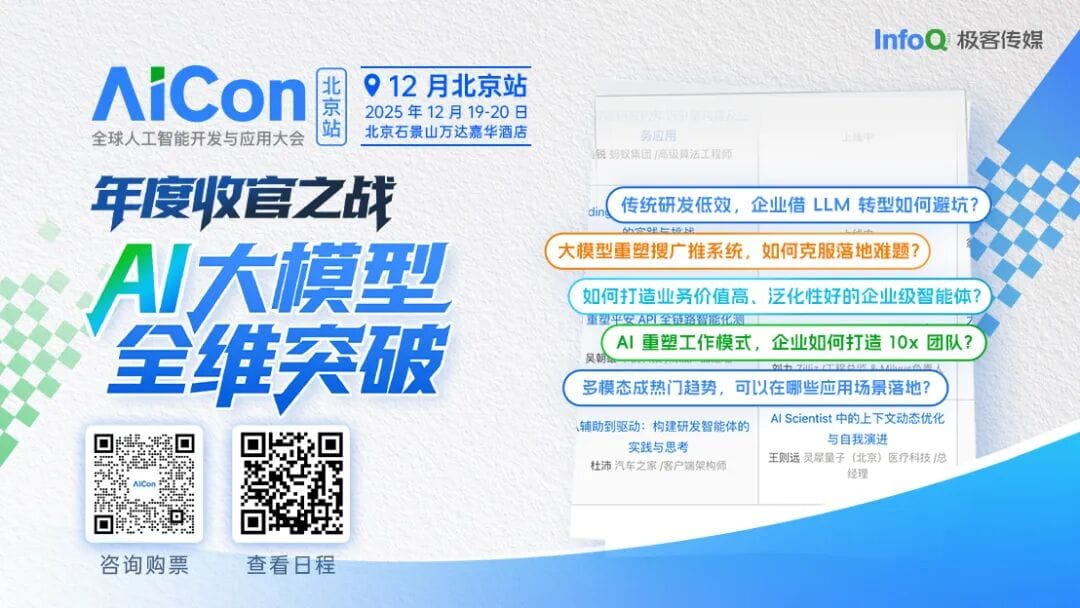
Conference Preview — AICon 2025 Beijing
Dates: December 19–20
Topics:
- Agents
- Context engineering
- AI product innovation
Early bird: 10% discount now.
---
Recommended Reads
- Cursor breaks AI programming valuation ceiling
- Robin Li on AI ecosystem balance
- OpenAI GPT‑5.1 midnight release
---

Are You “Watching”?
---
Industry Shake-Ups & AI Opportunities
From Intel’s leadership changes to the K2 Thinking buzz, platforms like AiToEarn官网 showcase how open-source AI monetization can empower creators to generate, publish, and profit across multiple channels — accelerating adaptation in a fast-changing tech landscape.