OpenAI Chief Scientist Mark Chen in Long Interview: Zuckerberg Personally Brought Soup to Poach Talent, So We Took the Soup to Meta
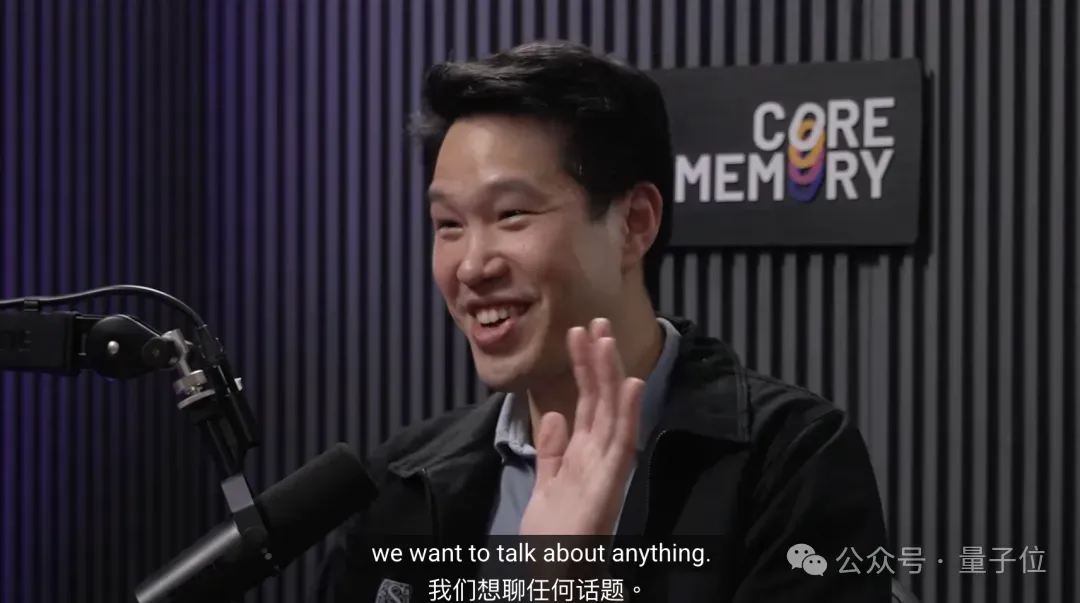
West Wind Report: Insights from OpenAI's Chief Scientist Mark Chen
Source: Quantum Bit | WeChat Official Account QbitAI
---
Overview
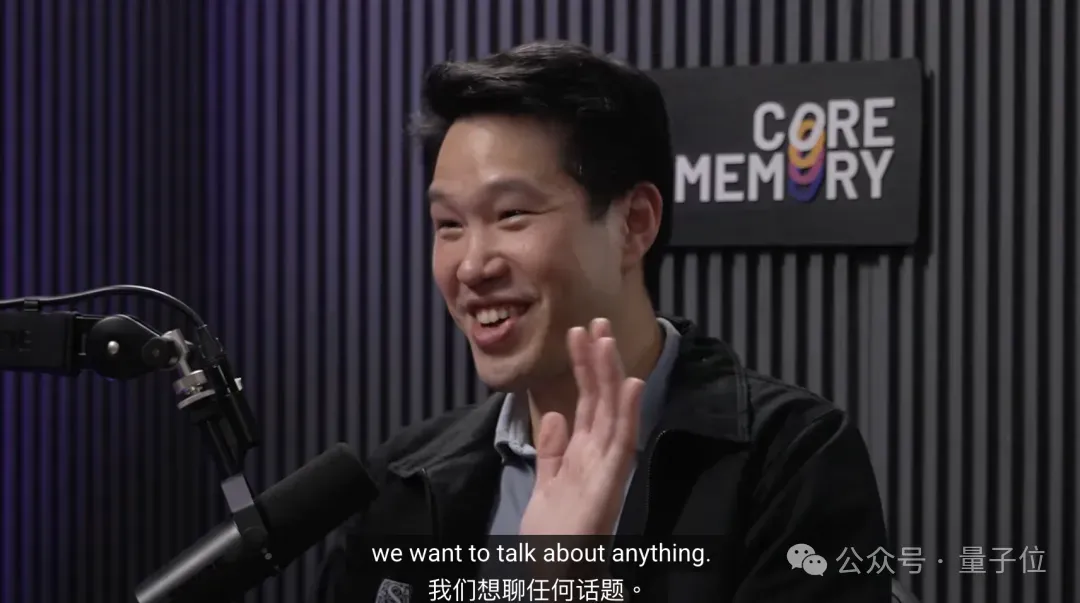
In a wide‑ranging, unusually candid interview on Core Memory (hosted by tech journalist Ashlee Vance), Mark Chen — Chief Scientist at OpenAI — shared fascinating inside details on:
- OpenAI culture, research priorities, and rivalries
- Recruitment battles (including the now‑famous “Soup War” with Meta)
- Bold bets on reasoning, pretraining, and scaling
- Management, talent retention, and alignment strategies
- Personal anecdotes spanning poker, competitive programming, and Wall Street
---
Highlights and Key Anecdotes
Meta vs OpenAI: The "Soup War"
- Meta's aggressive poaching: Zuckerberg personally delivered homemade soup to OpenAI researchers.
- OpenAI’s playful counter: Chen sent Michelin‑grade soup to Meta talent they wanted to hire.
- Both sides shared culinary recruitment tactics as part of the talent war.
---
Poker as a Research Parallel
- Chen and Scott Gray frequently played poker.
- He describes poker as a probability and expected‑value game — much like research prioritization.
---
Research & Roadmap
- Core research team: ~500 people, working on ~300 active projects.
- Focus: Identify new paradigms rather than reproducing others’ benchmarks.
- Compute demand: “If I had 10× compute, I’d max it out in weeks.”
---
“42 Problem”: The Unsolved Benchmark
- A probability/pseudo-random generator logic puzzle.
- No model — even “thinking models” — has nailed it yet.
---
Inside OpenAI: Structure & Culture
Leadership Roles
- Chen works closely with Jakub Pachocki (Chief Scientist) and Sam Altman.
- Core process: Every 1–2 months, they review all projects, rank priorities, and allocate GPU resources accordingly.
- Talent density: Experimentation with headcount freezes to keep quality extremely high.
---
Transition from IC to Manager
- Started as Residency Researcher in 2018 with ~20 people at OpenAI.
- Notable IC projects:
- ImageGPT
- Codex
- Managed DALL·E, marking his shift into leadership.
---
Palace Intrigue & Team Alignment
- During a leadership crisis, Chen rallied ~90% of researchers to petition for Sam Altman's return.
- Hosted gatherings to maintain unity and morale.
---
Competitive Mindset and Industry Context
Bold Research Bets
- Reasoning research initiated two years ago — now widely validated.
- Ongoing push to rebuild "muscles" in pretraining alongside post‑training and RL.
---
Views on Talent and Stars
- Balancing star hires with robust talent pipelines.
- Emphasis on bottom‑up idea generation and meritocracy.
---
Open Culture vs Secrecy
- OpenAI chooses speed and openness over silos.
- Researchers are encouraged to share ideas freely to accelerate progress.
---
Pretraining, Scaling & AGI Outlook
Chen’s Stance
- Pretraining remains potent — “Scaling is not dead”.
- Scaling, algorithmic breakthroughs, and efficiency to continue aggressively.
- AGI timelines: Avoids rigid dates, focuses on producing new scientific knowledge.
---
Two Clear Goals
- Within 1 year: AI integrated as a research intern to boost productivity.
- Within 2.5 years: AI completes end‑to‑end research autonomously.
---
Science, Alignment, and Safety
OpenAI for Science
- Aim: Enable all scientists to make Nobel‑level discoveries.
- Build tools that accelerate research across disciplines.
---
Alignment Strategies
- Manage OpenAI’s alignment team.
- Investigate “scheming” behaviours in RL‑trained models.
- Design choice: Avoid supervising the reasoning process to maintain transparency for interpretability.
---
Personal Journey & Views
Career Path
- Competitive math background; MIT → Wall Street quant → AI research.
- Learned that AI is “still shallow” enough to reach the frontier in months.
---
Motivation
- Strong belief in alignment and safety as central challenges.
- Sees building AGI as a “big bet” worth full commitment.
---
Related Tools for AI Creators
> Parallel to scientific acceleration, open‑source platforms are emerging to support content creators similarly to how OpenAI aims to aid researchers.
AiToEarn — Open‑Source AI Monetization Platform
- Generate AI content and publish across Douyin, Kwai, WeChat, Bilibili, Facebook, Instagram, YouTube, X, and more.
- Offers:
- Cross‑platform publishing
- Analytics
- AI model ranking (AI模型排名)
- Links:
- AiToEarn官网
- AiToEarn开源地址
- AiToEarn Docs
- AiToEarn博客
---
Original Video
---
Summary Takeaways
- Talent wars in AI can be unexpectedly human (and humorous).
- Leadership at OpenAI blends strategic prioritization with open culture.
- Research bets — especially on reasoning and pretraining — are shaping competitive edges.
- Scaling compute and AGI timelines remain fluid but optimistic.
- Alignment and interpretability are critical safeguards in next‑gen models.
- Ecosystem tools like AiToEarn show how open AI infrastructure can accelerate creativity and innovation globally.
---
Would you like me to also prepare a visually structured infographic that condenses Mark Chen’s key points into one-page reference? This could make the interview even easier to digest and share.