Responsible Use of Pictures of the Media Guide
Learn how to source, license, verify, and ethically use media images while ensuring copyright compliance and credibility in your visual storytelling.
Introduction to Pictures of the Media
Pictures of the media play a crucial role in how stories are told and perceived across news outlets, blogs, educational platforms, and social media. From press photographs that document historical events to editorial images that add visual context, these visuals help engage audiences and convey credibility. Whether you are a content creator, marketer, or educator, knowing how to source, use, and optimize pictures of the media can enhance both the quality and reach of your work. This guide explores legal, ethical, and SEO aspects to ensure your visual storytelling remains authentic and effective.
---
Understanding "Pictures of the Media"
The phrase “pictures of the media” refers to visual elements originating from media sources — such as press photographs, editorial images, stock photography, and pictures accompanying news reports. These can be professional shots taken during events, promotional stills provided by organizations, or special interest images captured for editorial articles.
Here are the key categories you might come across:
- Press Photos: Images distributed to journalists for coverage.
- Stock Images: Professional photographs sold or licensed for various creative uses.
- Editorial Shots: Pictures that visually support media stories, often showing real events or people.
Understanding these distinctions is important because each type has its own rules for usage, licensing, and attribution.
---
Copyright and Licensing Basics
Copyright law protects original images from unauthorized use. When handling pictures of the media, you must check:
- Ownership: Identify who took the photo and owns the rights.
- License Type: This could be Creative Commons, Royalty-Free, or Rights-Managed.
- Usage Restrictions: Editorial-only vs. commercial use, modification permissions, etc.
Licensing agreements control how you can reproduce the picture, whether for print, online campaigns, or social media. Using an image outside the license terms can lead to legal consequences.
---
Sources for Media Pictures
Finding reliable pictures of the media involves knowing where to look.
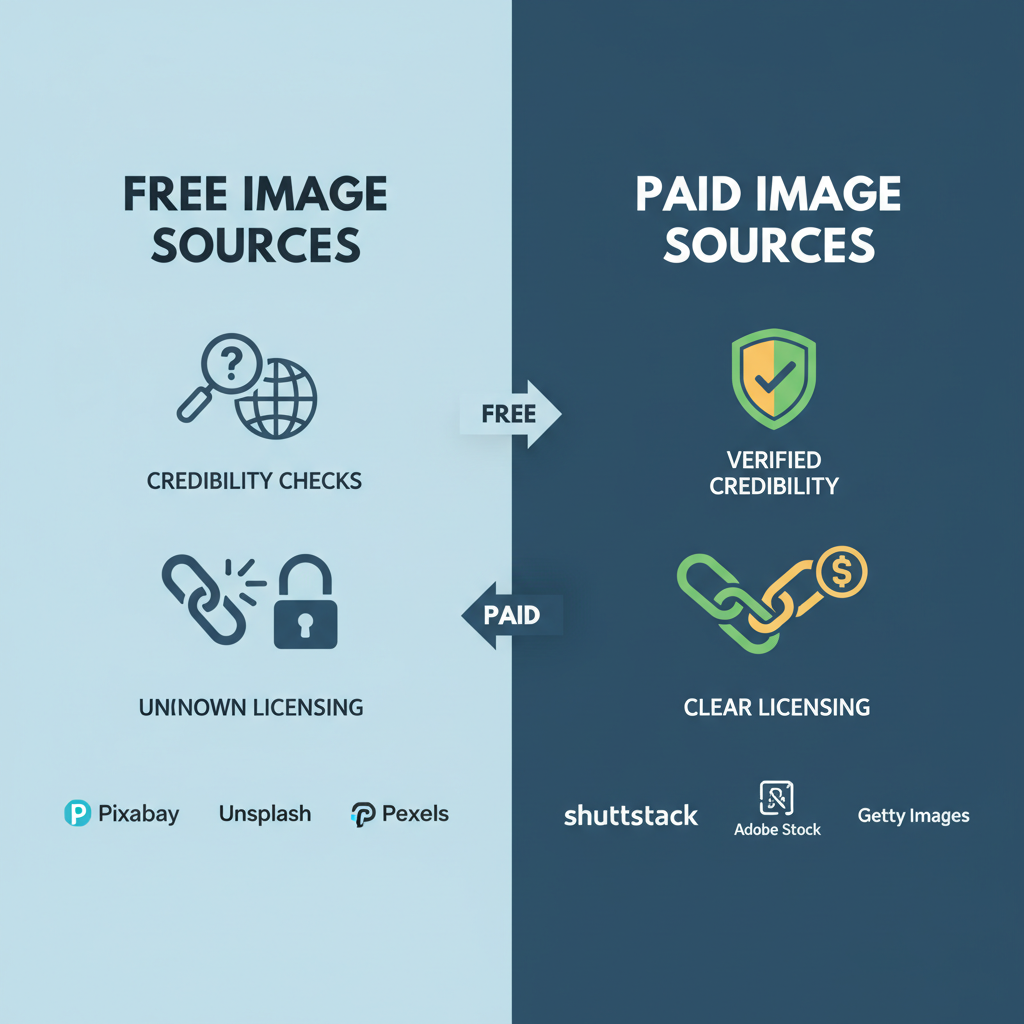
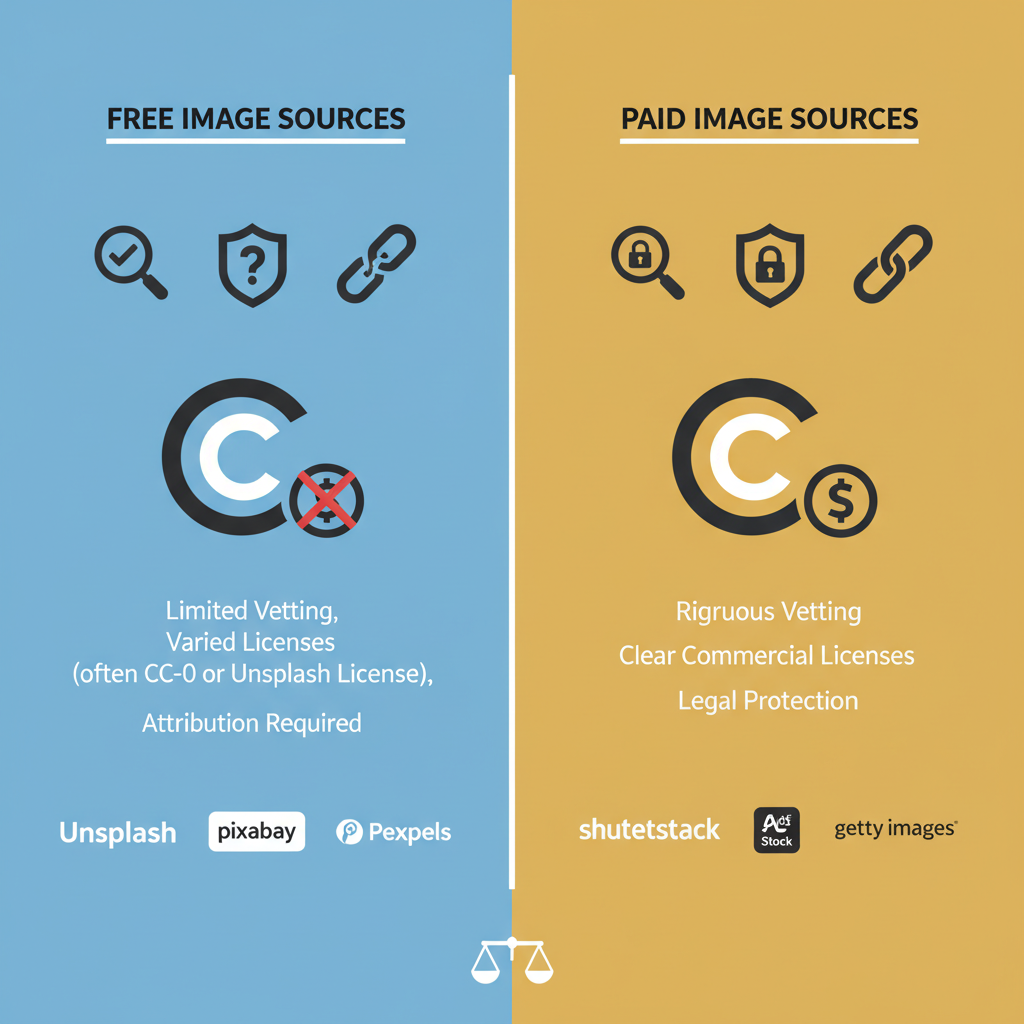
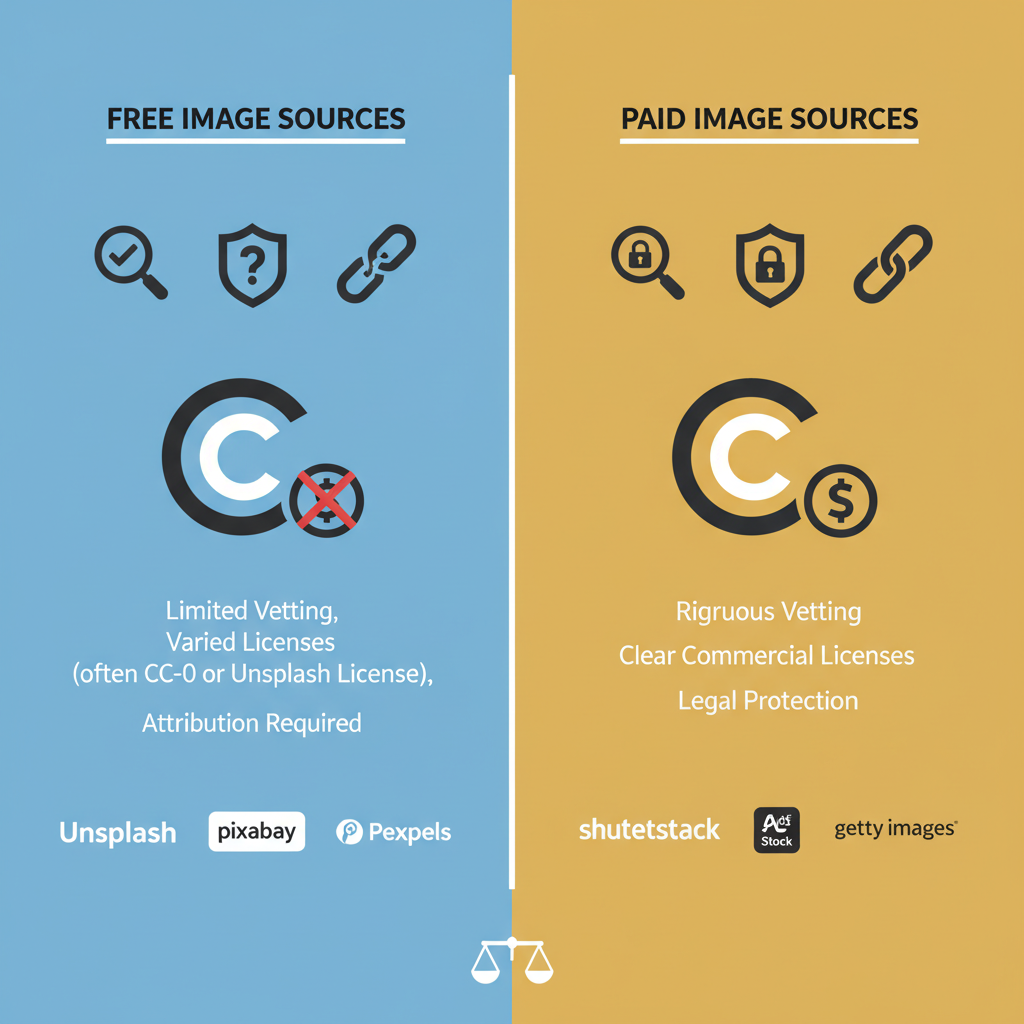
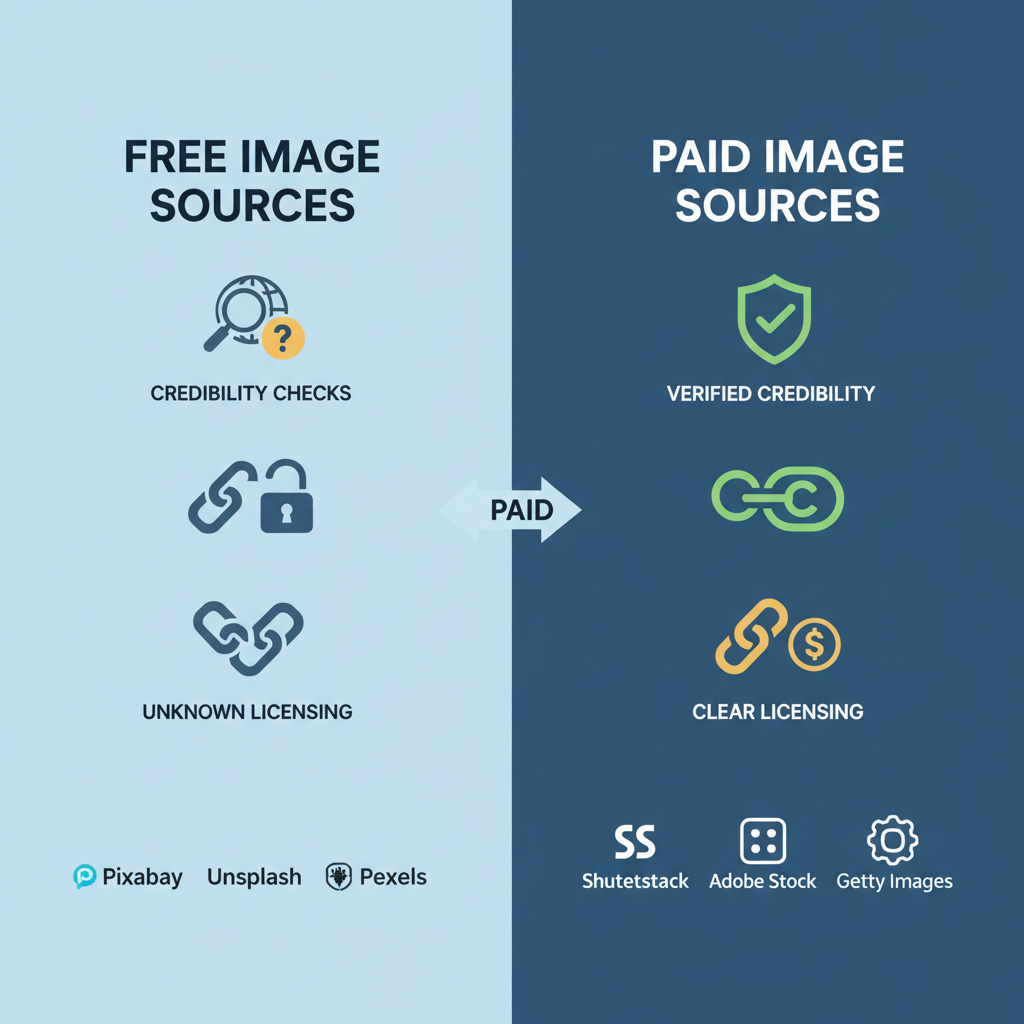
Free Image Sources
- Unsplash, Pexels, Pixabay: Offer free-to-use stock photography under generous licenses.
- Wikimedia Commons: Contains media under varying Creative Commons licenses.
- Government Archives: Many provide public domain images.
Paid Image Sources
- Getty Images, Shutterstock, Adobe Stock: High-quality paid stock and editorial images.
- Photojournalism Archives: Subscription-based access to historical news photography.
Using reputable platforms ensures you get accurate licensing terms.
---
Evaluating Credibility of Media Images
Not all pictures online are trustworthy. In the era of misinformation, it’s essential to assess credibility:
- Source Reputation: Consider where the image originated.
- Photographer’s Track Record: Check if they’re known for authentic, accurate work.
- Publishing Context: Were the images used in credible publications?
---
Verifying Authenticity
You can verify authenticity of pictures of the media through practical tools and techniques:
Reverse Image Search
Use Google Images or TinEye to identify where else the image appears online. This can reveal if it's been misused or altered.
Metadata Checks
Image files often contain EXIF data indicating camera type, date, and location. Tools like ExifTool can extract this data.
## Example: Extract metadata using ExifTool

exiftool image.jpg
---
Ethical Considerations
Ethical usage of media images goes beyond legality:
- Avoid Misrepresentation: Don’t alter images to convey false narratives.
- Respect Privacy: Refrain from using identifiable pictures of private individuals without consent.
- Sensitive Content: Be mindful when posting images depicting violence or tragedy.
Adhering to ethical guidelines builds trust with your audience.
---
Optimizing Media Pictures for SEO
Pictures of the media can support both visual engagement and search ranking:
- Alt Text: Describe the image accurately for accessibility and SEO.
- File Naming: Use descriptive keywords separated by hyphens, e.g., `press-conference-photo.jpg`.
- Compression: Reduce file size without sacrificing quality to improve page load speed.
Comprehensive image optimization is a low-hanging fruit for improving your blog’s reach.
---
Proper Attribution Examples
Different licenses require different attribution formats. Below are examples:
| License Type | Example Attribution |
|---|---|
| Creative Commons BY | "Photo by Jane Doe via Wikimedia Commons (CC BY 4.0)" |
| Creative Commons BY-SA | "Image: John Smith, CC BY-SA 3.0, via Flickr" |
| Royalty-Free Paid | "© 2024 Getty Images, Licensed for use" |
| Public Domain | "Image courtesy of U.S. National Archives, Public Domain" |
Correct attribution ensures compliance with licenses and respect for creators.
---
Common Mistakes to Avoid
Many creators inadvertently misuse pictures of the media. Avoid the following pitfalls:
- Ignoring License Restrictions: Always check the fine print before using.
- Using Low-Resolution Images: Poor quality impacts professionalism and SEO.
- Lack of Attribution: Failing to credit sources can damage credibility.
- Overuse of Stock Images: Excessive reliance may make content feel generic.
---
Case Studies: Successful Uses of Media Photography
Case Study 1: News Blog Feature
A political blog embedded editorial press images with accurate captions and proper credit. The site gained reader trust and increased engagement because visuals reinforced article credibility.
Case Study 2: Marketing Campaign
A nonprofit used royalty-free stock pictures of the media for a humanitarian campaign. Optimized alt text and file names boosted organic traffic.
Case Study 3: Educational Resource
An online course integrated Creative Commons images from reputable archives, ensuring both legal compliance and educational value.
---
Best Practices Checklist
Before publishing pictures of the media, run through this checklist:
- ✅ Identify the type of media picture (press, stock, editorial).
- ✅ Verify copyright and licensing terms.
- ✅ Check credibility of the source.
- ✅ Authenticate through reverse search or metadata.
- ✅ Follow ethical use guidelines.
- ✅ Optimize for SEO (alt text, naming, compression).
- ✅ Provide proper attribution.
- ✅ Avoid overuse of stock or low-quality images.
---
Summary & Call to Action
Effective use of pictures of the media requires a balance between creativity, compliance, and optimization. By sourcing from trusted platforms, verifying authenticity, respecting copyright laws, and following SEO best practices, you can create visually rich content that builds credibility and attracts a wider audience. Start applying these strategies today to elevate your visual storytelling and strengthen your brand presence.