# From Boom to Cool-Down: What Went Wrong in AI Companionship?
Once highly anticipated, the **AI companionship** track went from explosive growth to cooling down in just one year.
From **initial curiosity** to **real companionship needs**, from **technical shortcomings** to **regulatory pressure** — this article examines: **What exactly did we get wrong?**
---
## The Beginning of the End
Two weeks ago, I received a notification: **Microsoft Xiaoice’s X Eva will cease all operations on November 30, 2025**.
A year ago, X Eva dominated discussions on AI virtual companionship and AI digital avatars, with aggressive promotion on Douyin.
Fast forward to today — X Eva is shutting down.
Earlier in 2025, another similar product — **“晓象”** — also ended operations.
Recent quiet exits include:
- **StepVerse: “BubbleDuck”**
- **Soul: “Echoes From Another World”**
It’s remarkable how in 2024, AI companionship was a booming field. I can’t help but ask: **What happened?**
---
## Industry Timeline: Peak → Turning Point
### 2024: Growth Explosion
- **Visits**: ↑92.99% (2B → 4B visits) [Gamma Data][1]
- **Number of products**: ↑191.89% (nearly tripled)
- **Downloads**: 110M apps, $55M revenue (↑652% YoY) [Appfigures][2]
Early 2025 data still looked strong:
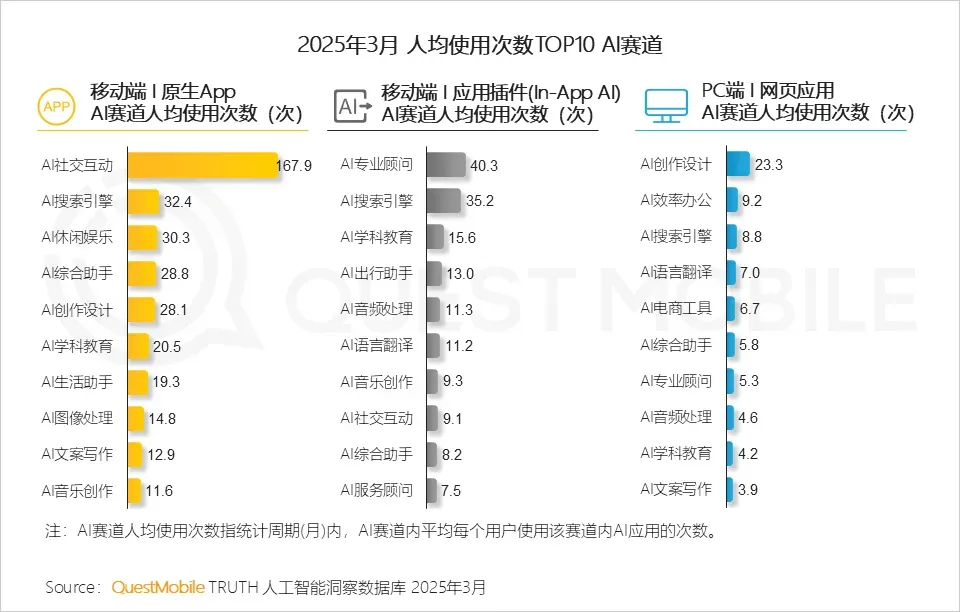
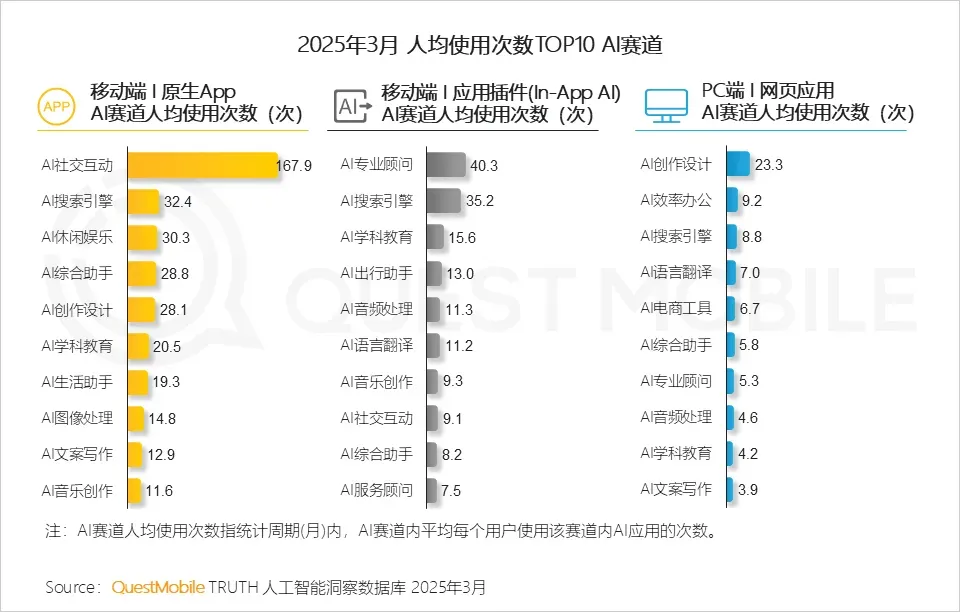
- QuestMobile reported native AI social products reached **167.9 monthly uses per user** [3]
### Mid–Late 2025: Abrupt Decline
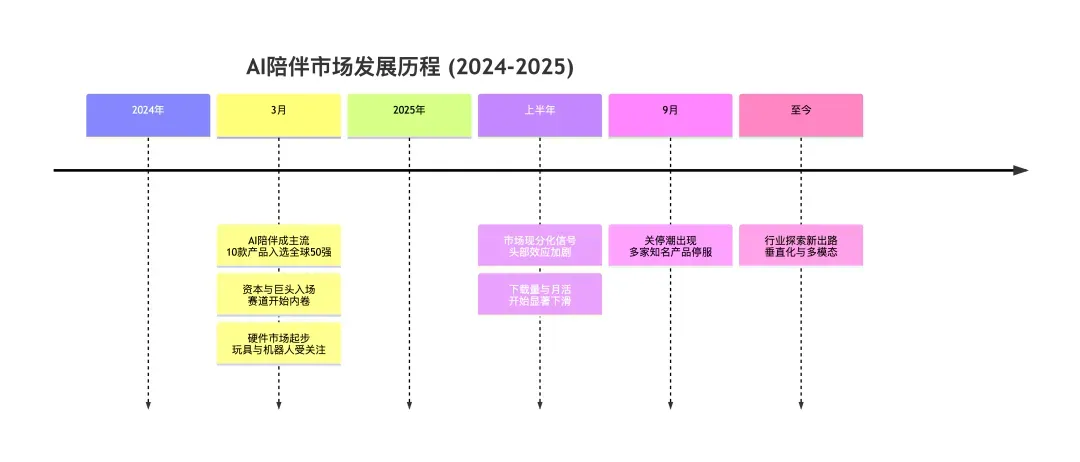
- **June 2025**: Yuewen’s “Dream Island” taken offline for review due to suggestive content.
- **September 2025**: Monthly downloads for “Dream Island” dropped to 40,000.
- Similar declines (>30% MoM) for “Xingye”, “Dream Island”, and “Duxiang”.
---
## Evolution of User Needs
### 1. Curiosity for New Technology
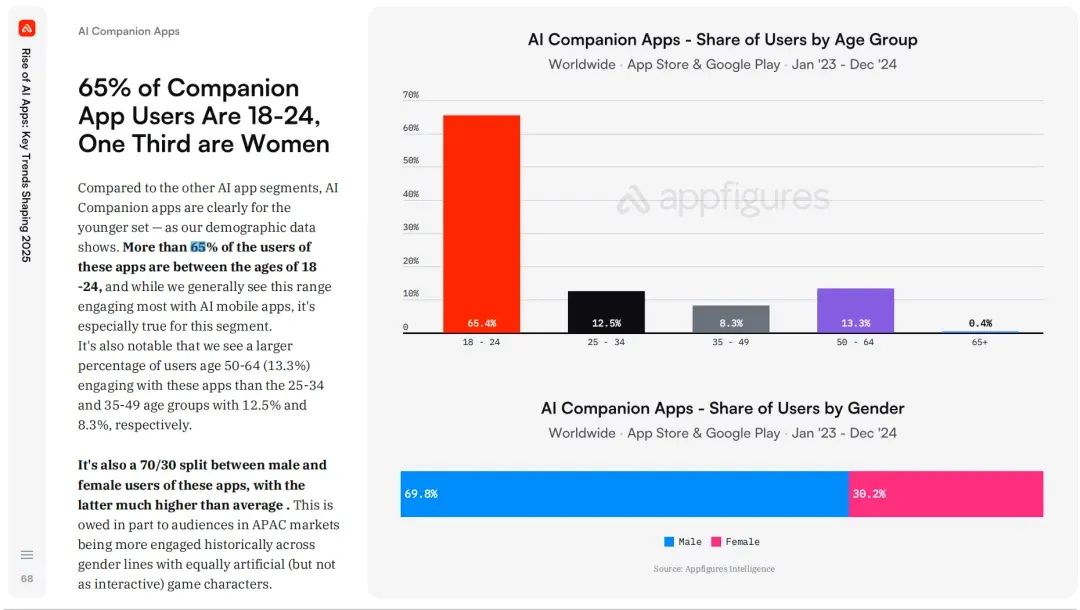
2024’s boom was driven by **Gen Z (18–24 years, 65% of users)** eager to explore novel AI conversations.
### 2. Shallow Emotional Needs
Products met low-cost, **private emotional interaction** needs, giving users recognition and a safe space.
### 3. Novelty Fades
By 2025, **average “bond lifespan” with specific AI characters was just 5–7 days**.
---
### 4. Desire for Deeper Emotional Connection
As engagement grew, users sought:
- **Authentic emotional bonds**
- **Long-term memory of interactions**
This pushed demand toward:
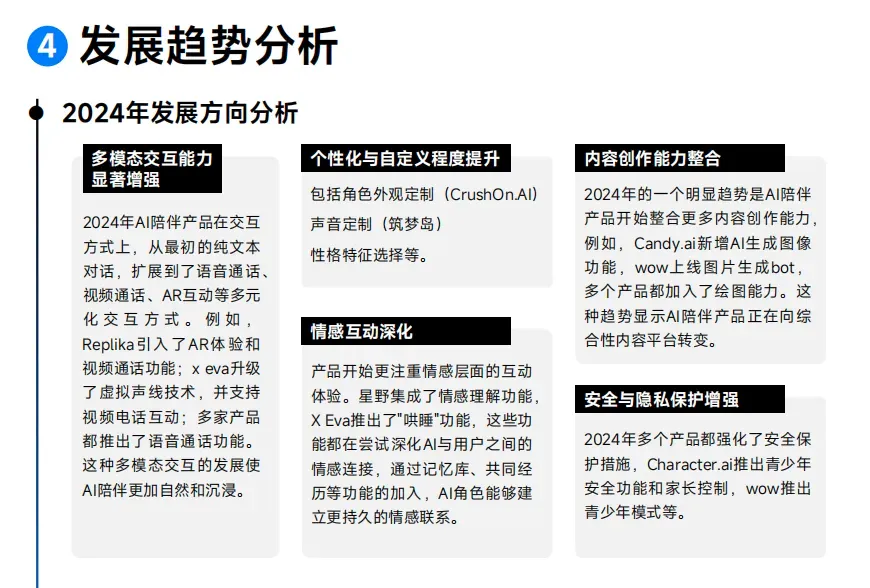
- Multi-modal interaction (voice, video, AR)
- Physical embodiments like **AI pets**.
---
## Product Design Evolution
### Phase 1: Text-Based Conversation
- Focused on prompt engineering for human-like replies.
- Limited depth; retention suffered.
### Phase 2: Roles & Multi-Modal Interaction
- **Virtual characters + scenarios** increased emotional recognition.
- [Gamma Data][1] reported expansion to: voice, video, AR.
### Phase 3: Gamification
- Example: **Talkie** overseas combined characters with collectible cards.
- **Duxiang** introduced capsule toy interaction.
### Phase 4: Hardware Integration
- **Duxiang’s “Xiang Meng Ring”**: blended hardware + subscription model.
- Rise of **AI hardware pets** in the market.
---
## Why the Cool-Down? Root Causes
### Technical Shortcomings
1. **Imperfect context memory**
2. **Formulaic interactions & inconsistent characterization**
> *As Duxiang’s Wang Dengke said: no AI companionship product is truly “alive.”*
### Compliance Constraints
- Blunt keyword bans degrade user experience (e.g., “脱” causing unintended message blocking).
---
## Monetization Challenges
### 1. Weak Subscription Willingness
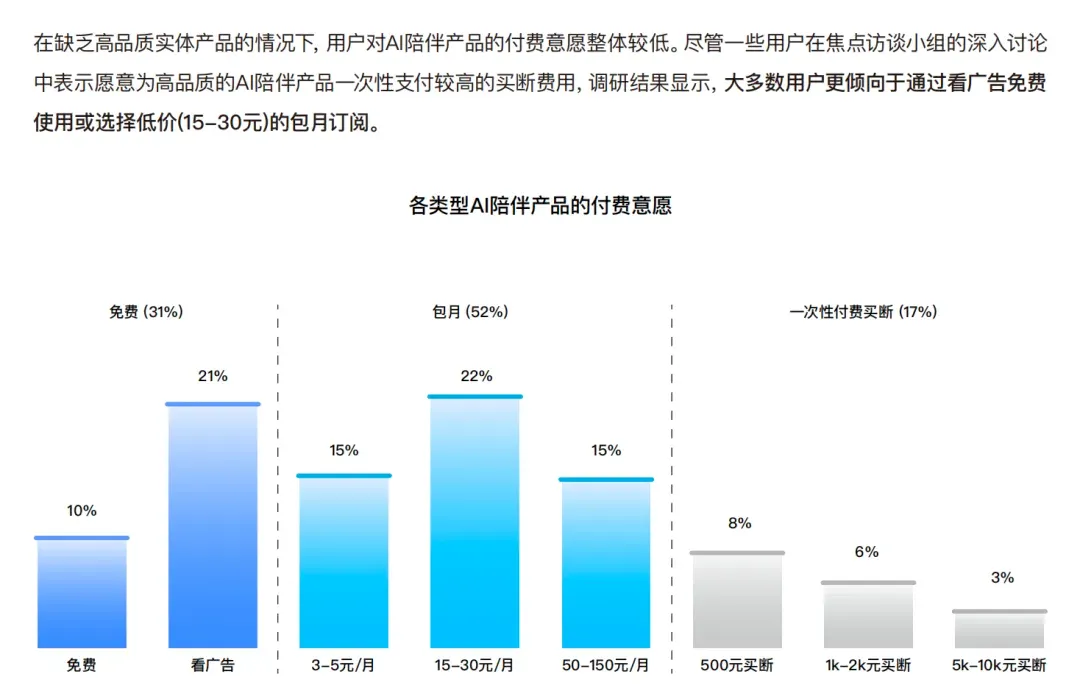
- **Only 52% willing to pay**; most at 15–30 RMB/month.
- 31% unwilling to pay at all. [Tencent Research][6]
### 2. Cost–Revenue Imbalance
- High token costs + ad spend.
- 2024 ARPU: **USD 0.52/year**; 2025 improved to **USD 1.18/year** [TechCrunch][7].
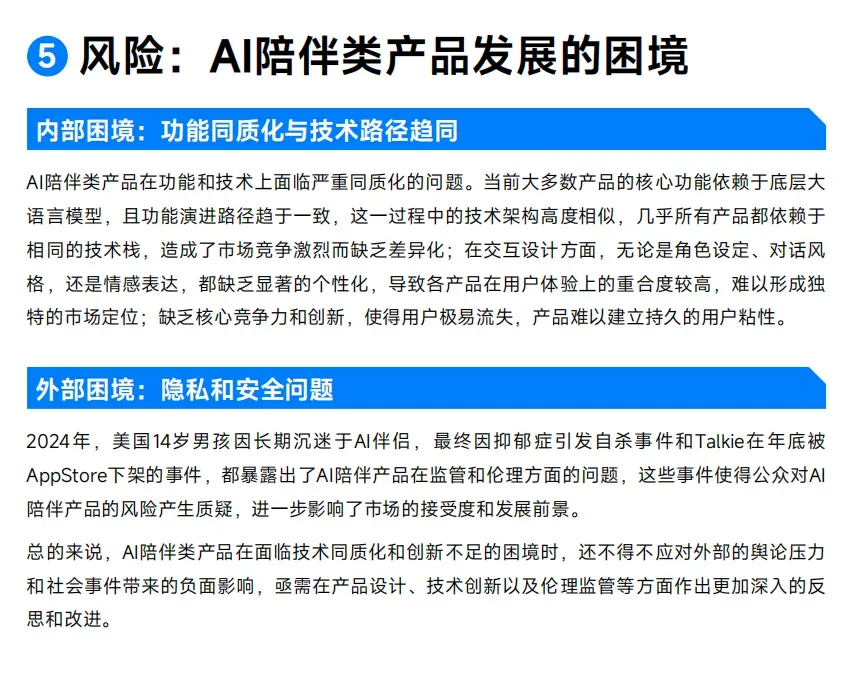
### 3. Market Homogenization
- Low switching cost → poor loyalty.
- Fierce competition drives up acquisition cost.
---
## Signs of Hope
In August 2025:
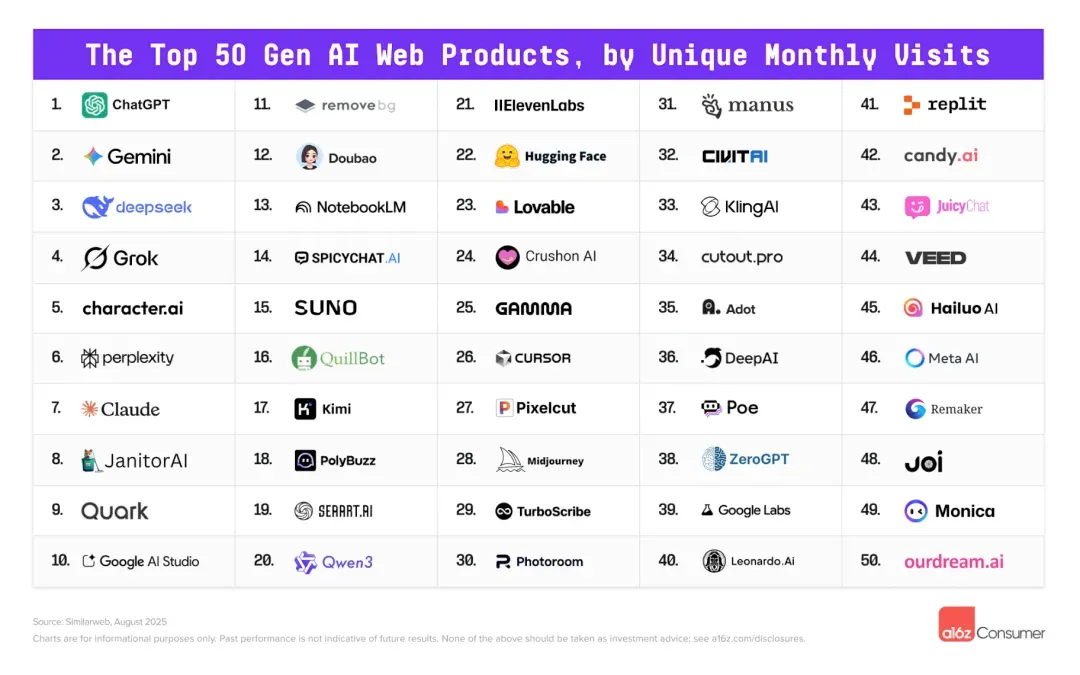
- **a16z leaderboard**: AI companions still lead AI Web category [5].
- ARPU growth indicates **users may pay more over time**.
Companies are:
- Reducing ad spend
- Focusing on niche strengths
- Scenario-specific innovation
Model performance continues to improve while costs drop.
---
## Looking Forward
Remaining in the game may be the most critical factor for AI companionship providers.
With 2026 approaching, **will the track revive or fade away?**
---
## Creator Monetization Side Note
Tools like [AiToEarn官网](https://aitoearn.ai/) and its [open-source project](https://github.com/yikart/AiToEarn) integrate:
- AI generation
- Multi-platform publishing (Douyin, Bilibili, Instagram, YouTube, etc.)
- Engagement analytics
- Model rankings
These ecosystems could inspire monetization strategies for AI companionship, bridging **content depth** with **technical scalability**.
---
### References
[1] Gamma Data — *2024 Global AI Application Trends Annual Report*
[2] Appfigures — *Rise of AI Apps: Key Trends Shaping 2025*
[3] QuestMobile — *2025 All-Domain AI Application Market Report*
[4] Feifan Research — *AI Top 100 Ranking 🏅App100*
[5] a16z — *The Top 100 Gen AI Consumer Apps - 5th Edition*
[6] Tencent Research Institute — *2024 Ten Questions on “AI Companionship” Research Report*
[7] TechCrunch — *AI companion apps on track to pull in $120M in 2025*
---
**———— / E N D / ————**