
Putting a Tour Guide in Your Pocket: New AI Empowerment for Scenic Travel

Immersive AI-Powered Travel — A New Cultural Journey

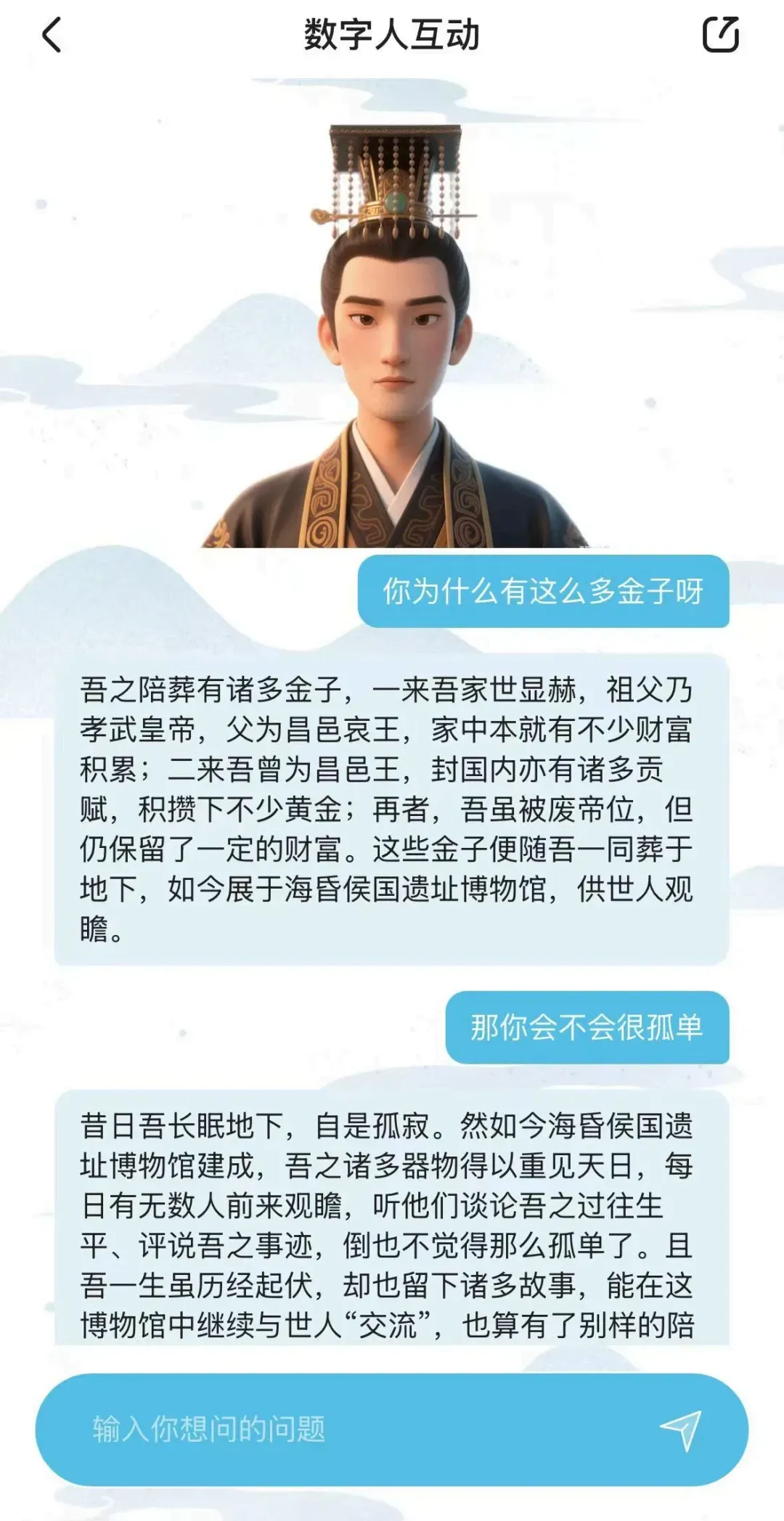
Morning sunlight filters through ancient window lattices, illuminating golden disc-shaped artifacts at the Marquis of Haihun State Ruins Museum. The shimmer prompts a child to ask:
> “Mom, why did this emperor have so much gold?”
The mother records the question and asks the AI assistant in Tongcheng Companion Tour.
Moments later:
> “My burial contains much gold for two reasons: First, my family was distinguished — my grandfather was Emperor Xuan, my father the Prince of Changyi — wealth had long accumulated; second…”
The child then asks:
> “Wouldn’t you feel lonely?”
The mother smiles, realizing this is more than Q&A — it’s a cultural dialogue across centuries.
When travel meets AI, visits transform from “passing through” into encounters with history, culture, and oneself.
---
AI-Assisted Cultural Travel — Beyond the Audio Guide
Modern travelers seek deeper, slower experiences. Museums and heritage towns grow in popularity, and visitors want more than “been there” — they want “felt there.”
Yet independent travelers often struggle:
- Complex jargon in exhibitions
- Confusing routes causing “getting lost”
What’s needed is a real companion, not just a device.
Listen Anytime, Ask Anywhere
- In traditional tours, visitors follow preset scripts.
- In an ideal journey, travelers control their own experience.
Example — Hanshan Temple (Suzhou):
- AI guide delivers poetry with context: “Outside Suzhou’s Hanshan Temple… the midnight bell toll reaches the traveler’s boat.”
- Historical depth blends with real-time soundscape.

Hanshan Temple Companion Tour: Planned routes or auto-triggered narration — no backtracking required.
Example — Haihun Marquis Museum:
- Visitors see “Horse-hoof” and “Kylin-hoof” gold without context.
- AI guide reveals:
- Named after their distinct shapes
- Symbolize heavenly blessing, virtue, and political identity
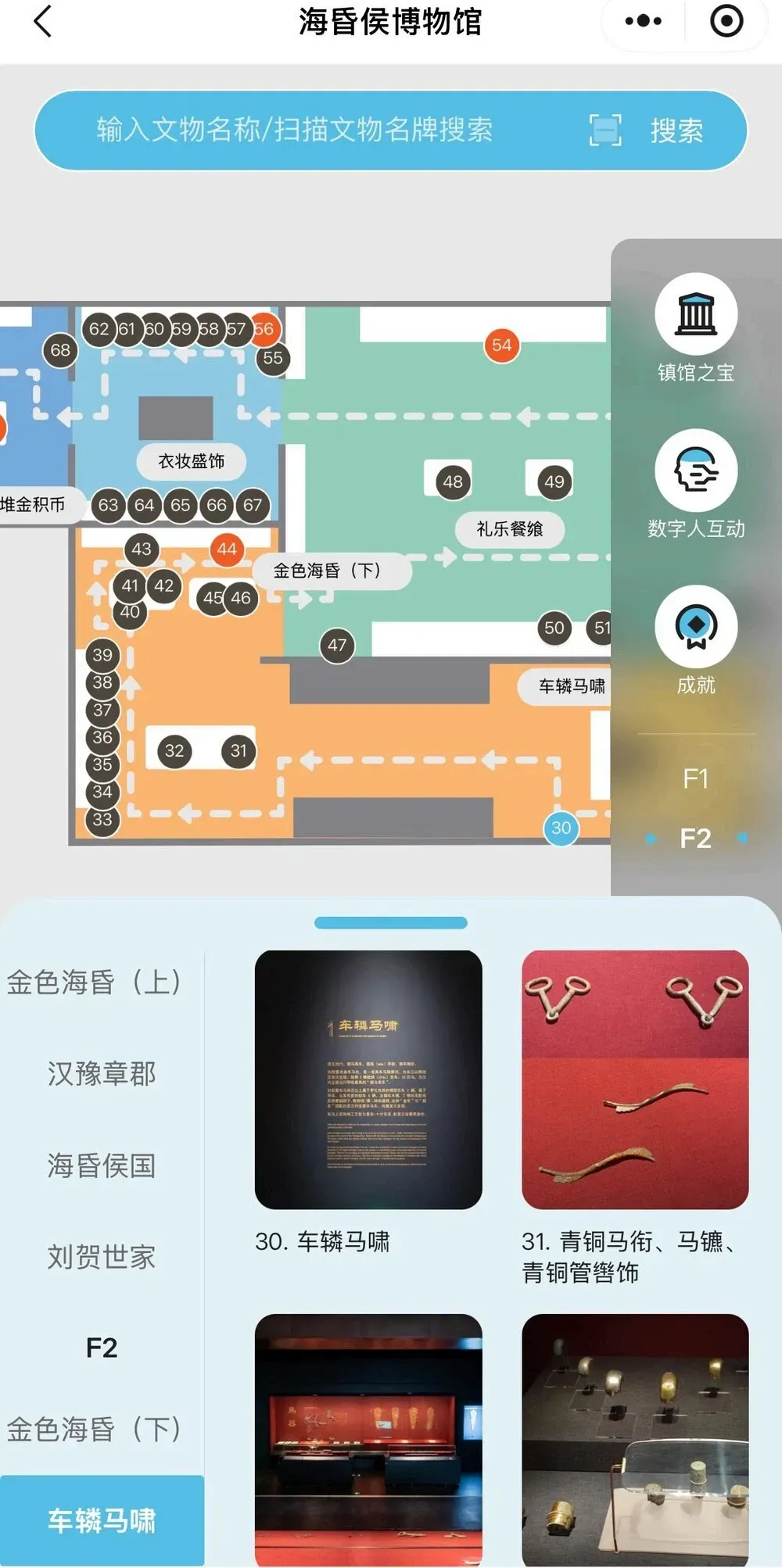
Haihun Marquis Museum Companion Tour: Indoor maps pinpoint artifacts with click-to-locate functionality.
---
Creating Immersive “Emotion Spaces”
Example — Prince Gong’s Mansion:
- In the Xijin Studio, visitors touch golden-thread nanmu pillars.
- AI voice:
- > “Close your eyes… Over two centuries ago, He Shen stood here. This fragrance witnessed his rise and foretold his fall…”
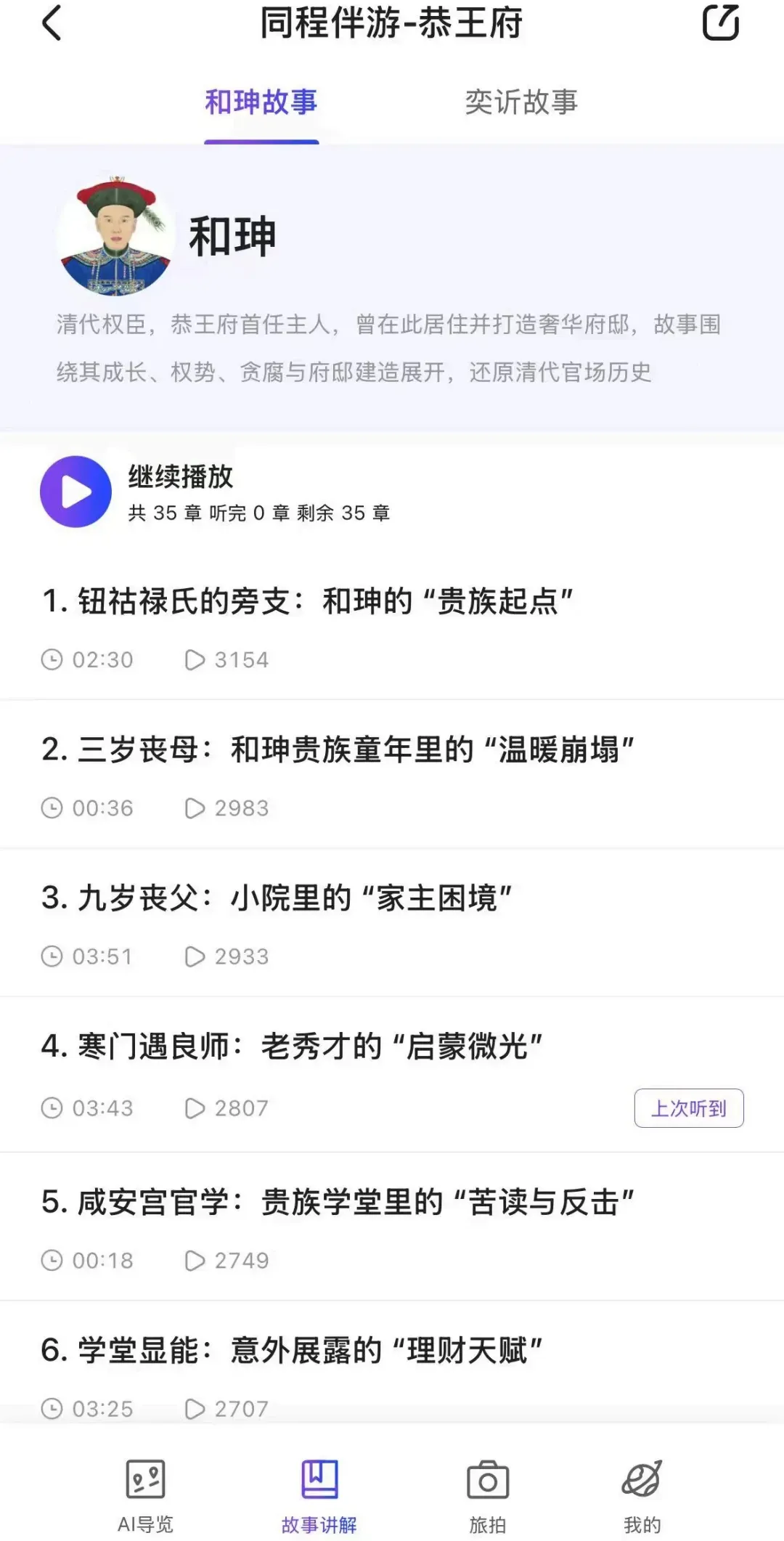
Prince Gong’s Mansion Companion Tour: Learn mansion history through He Shen’s life story.
Narration Variants:
- Children: “This is He Shen’s ‘magic wood’ — smells nice, keeps mosquitoes away, and protects sweet dreams!”
- History enthusiasts: AI becomes He Shen’s “confidant,” sharing authentic anecdotes.

Haihun Marquis Museum guide offers:
- Children’s edition
- Narration in Marquis’ voice
- Classic edition
---
Extending the Experience Beyond the Trip
Travel’s greatest regret? The resonance fades too quickly.
Example — Zhaoqing Qixing Rock Scenic Area:
- AI interprets cliff inscriptions instantly.
- Suggests best viewing spots.
- Uses AIGC to optimize photos — composition, lighting, distraction removal — for “landscape paintings.”
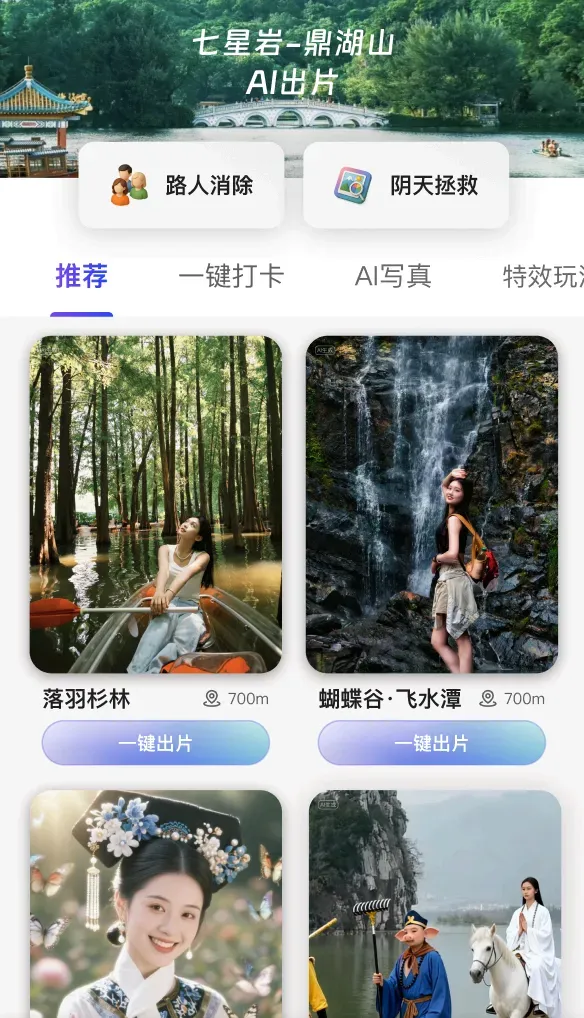
Qixing Rock / Dinghu Mountain guide: AI-enhanced photography at a click.
Digital Travel Diary:
- Integrates routes, photos, and narrations into a permanent memory artifact.
- Creates digital cultural creations for sharing or archiving.
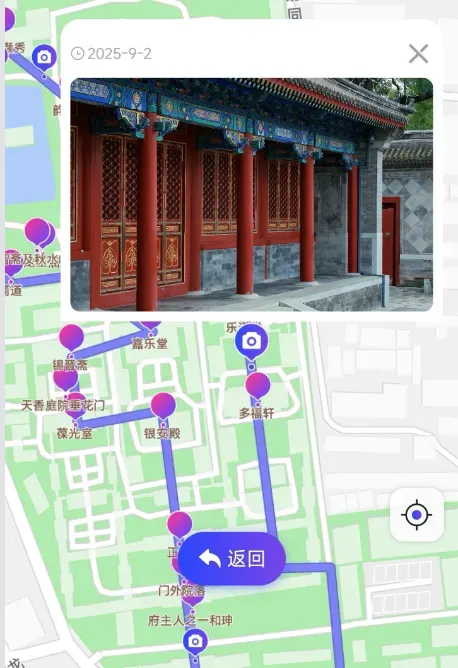
Prince Gong’s Mansion guide: Stores walked routes and associated photos.
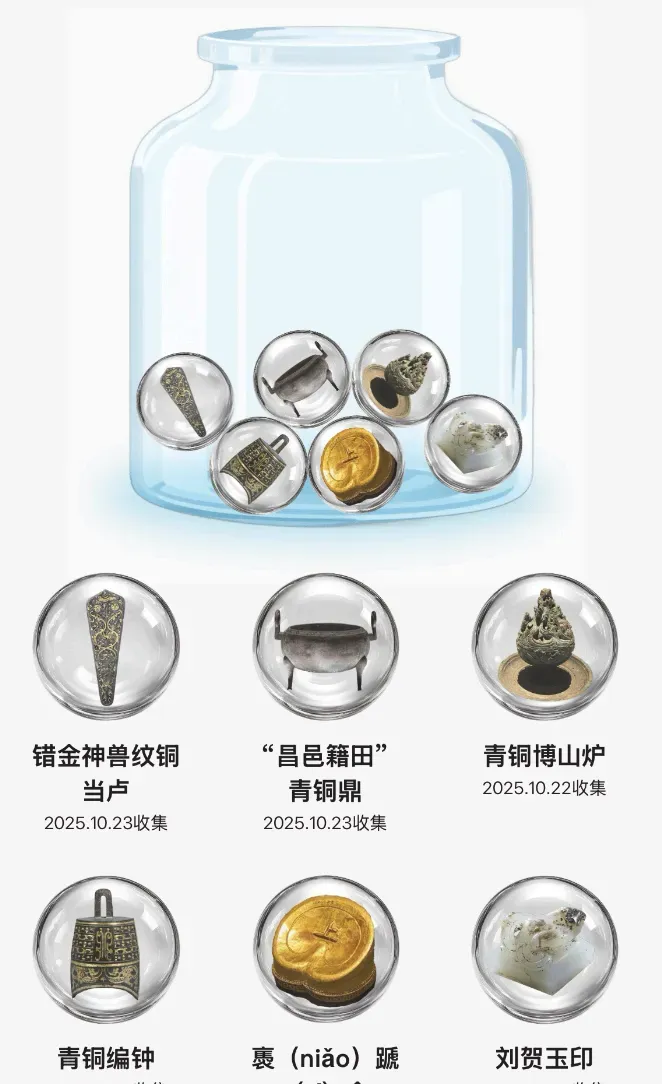
Haihun Marquis Museum guide: Converts narrations into collectible “digital culture” files.
---
The Twin-Engine Core Behind Immersive AI Travel
1. High-Precision Intelligent Positioning — Hear It Where You Stand
Challenges:
- GPS drift in complex environments
Solution:
- Multi-source fusion → GPS + INS + PDR
- Extended Kalman Filter (EKF) balances data sources
- Map matching filters anomalies
- Accuracy: 3–5 meters, optimized to 2–3 meters in low-signal areas
- Latency from trigger to playback: <200 ms
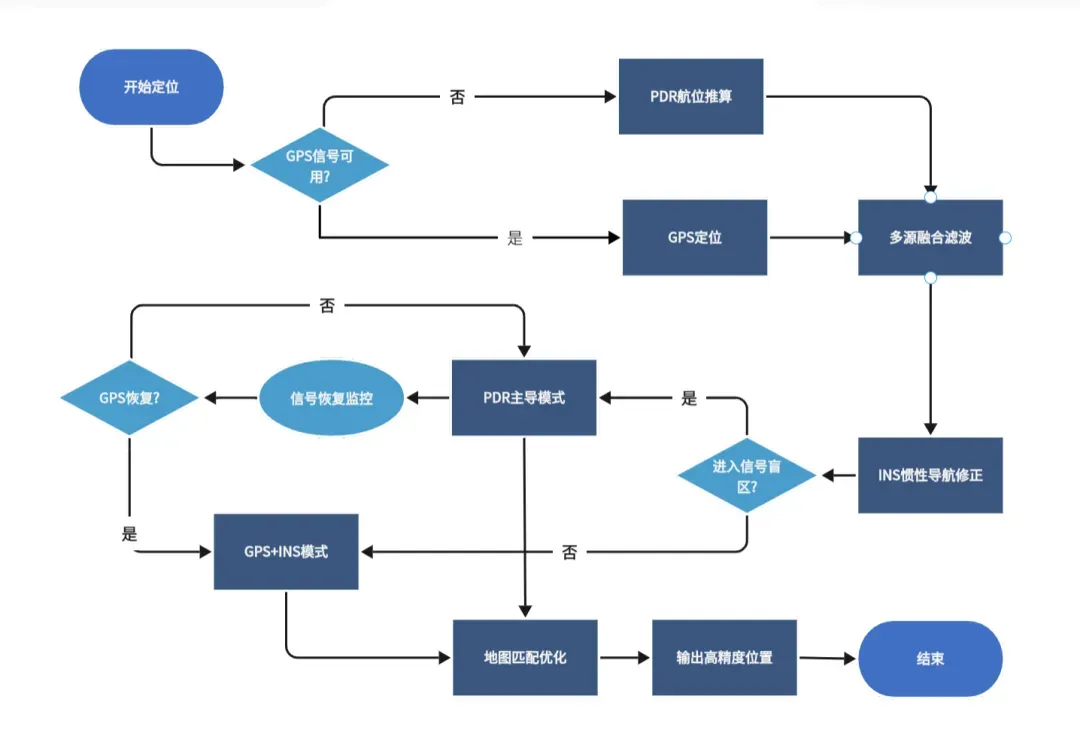
Architecture: GPS + Inertial Navigation (INS) + Pedestrian Dead Reckoning (PDR)
---
2. LLM-Based Content Production — A Thousand Narratives for a Thousand Audiences
Process:
- Data Preparation → gather historical, cultural, geographic info
- Script Generation via LLM → high efficiency
- Multi-Version Adaptation with prompt engineering (kids, enthusiasts, general visitors)
- Emotive TTS → rich, dynamic audio output
---
Bringing AI Travel Content to the World
Platforms like AiToEarn offer:
- AI-powered creation
- Cross-platform publishing
- Analytics & monetization
Publish instantly to:
- Douyin, Kwai, WeChat, Bilibili, Xiaohongshu, Facebook, Instagram, LinkedIn, Threads, YouTube, Pinterest, X (Twitter)
Workflow advantage:
New scenic spot → multi-version audio → live in hours, meeting urgent demand.
---
Future Outlook
AI will continue to:
- Translate culture
- Connect emotions
- Bridge time and place
Upcoming goals:
- Visual positioning + scene recognition for higher accuracy
- Behavior analysis for deeply personalized guides
- Continuous self-iteration for perfection
Try It Yourself
On your next trip:
- Open Tongcheng Travel App
- In “Smart Guide,” invite AI as your travel companion
- Experience history’s echoes and collect unique, personal memories
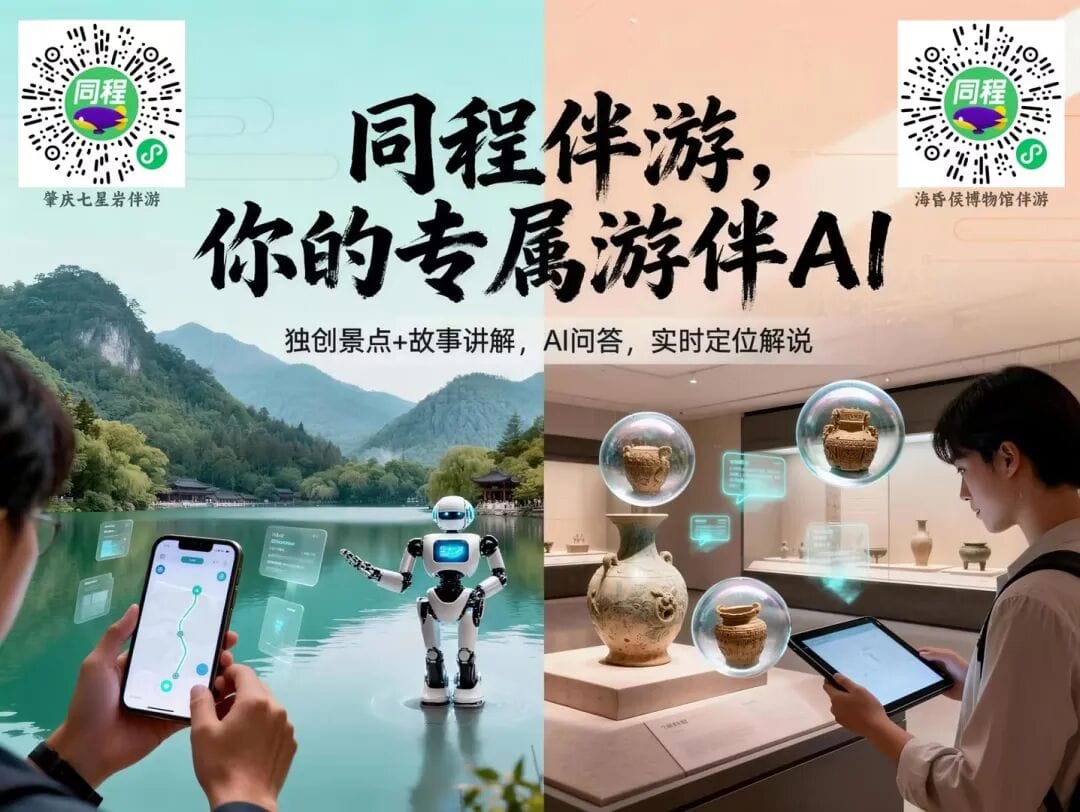
In the broader context, ecosystems like AiToEarn are enabling cultural organizations and creators to:
- Generate
- Publish
- Monetize rich AI travel narratives globally
---
Would you like me to add a short “Quick Start” sidebar so readers immediately see how to try AI-guided tours for themselves? That could make this even more user-friendly.


