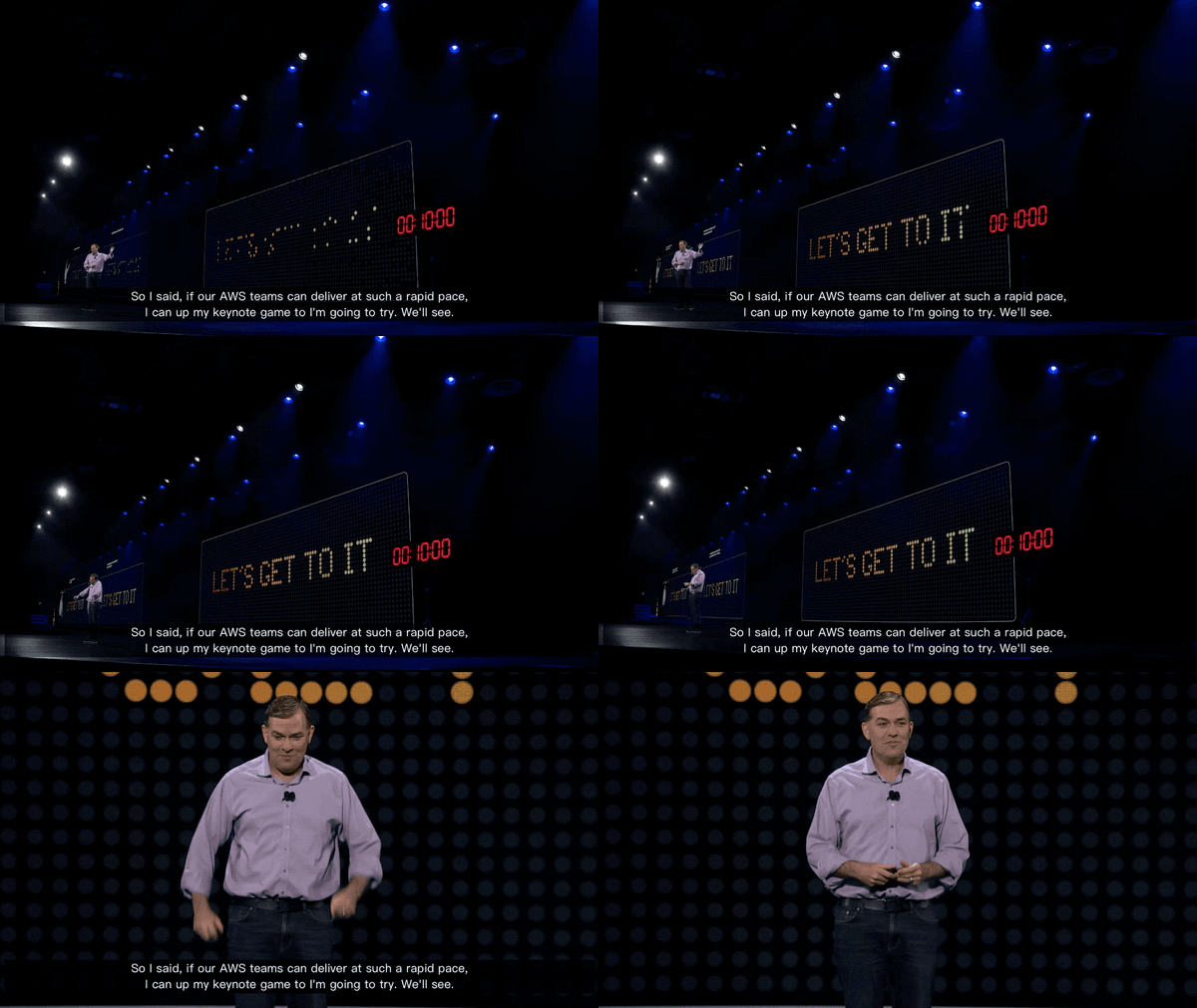
# Key Lessons from Steve Cousins — Pioneer in Physical AI Robotics
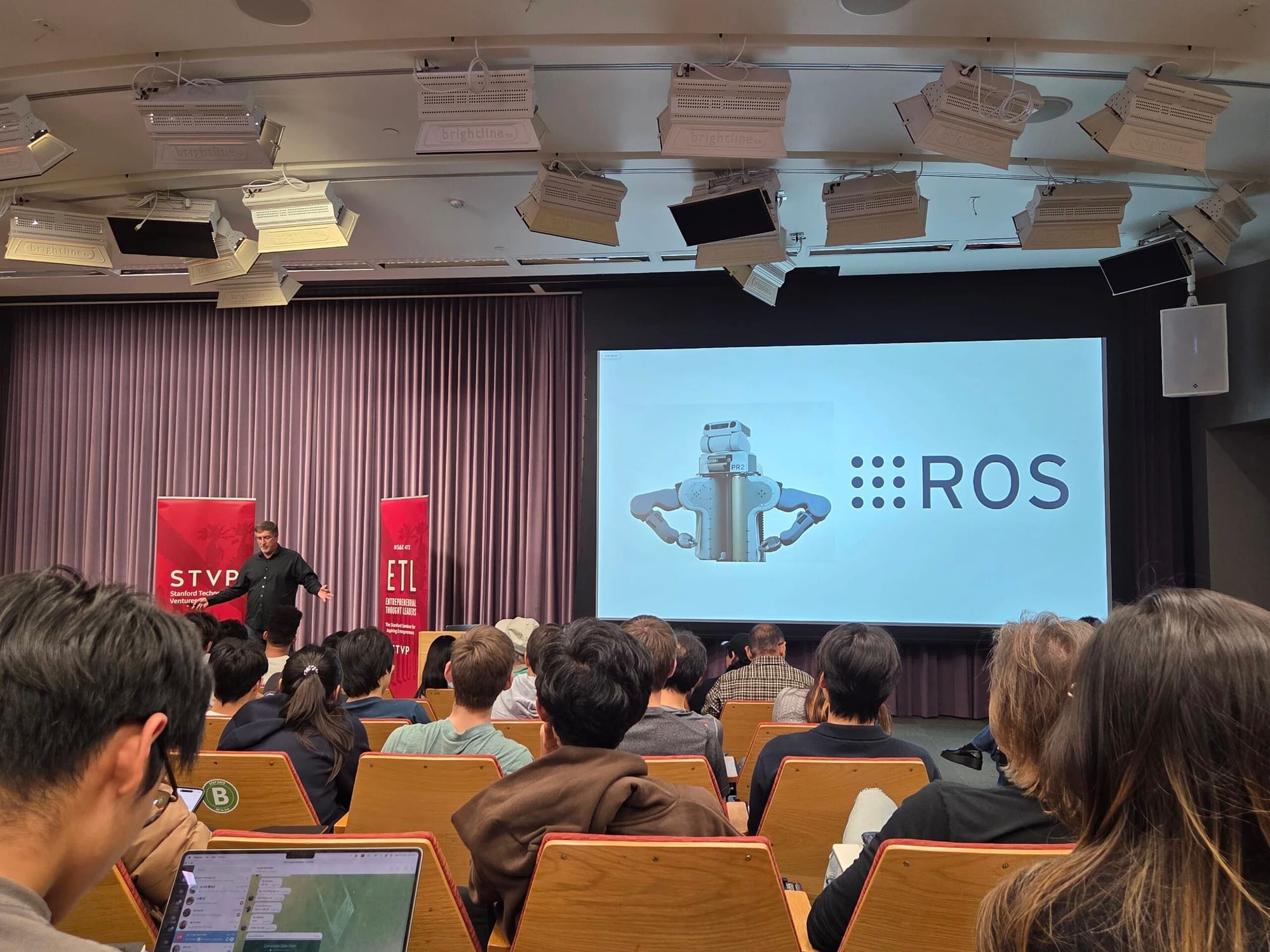
Steve Cousins, former CEO of **Willow Garage**, played a pivotal role in making **ROS** an industry standard and later founded **Relay Robotics**, a hotel service robotics company.
In a Stanford lecture, he shared **four crucial lessons** highly relevant to entrepreneurs and investors working in **Physical AI**.
---
## 1. Platform First — **Influence Before Returns**
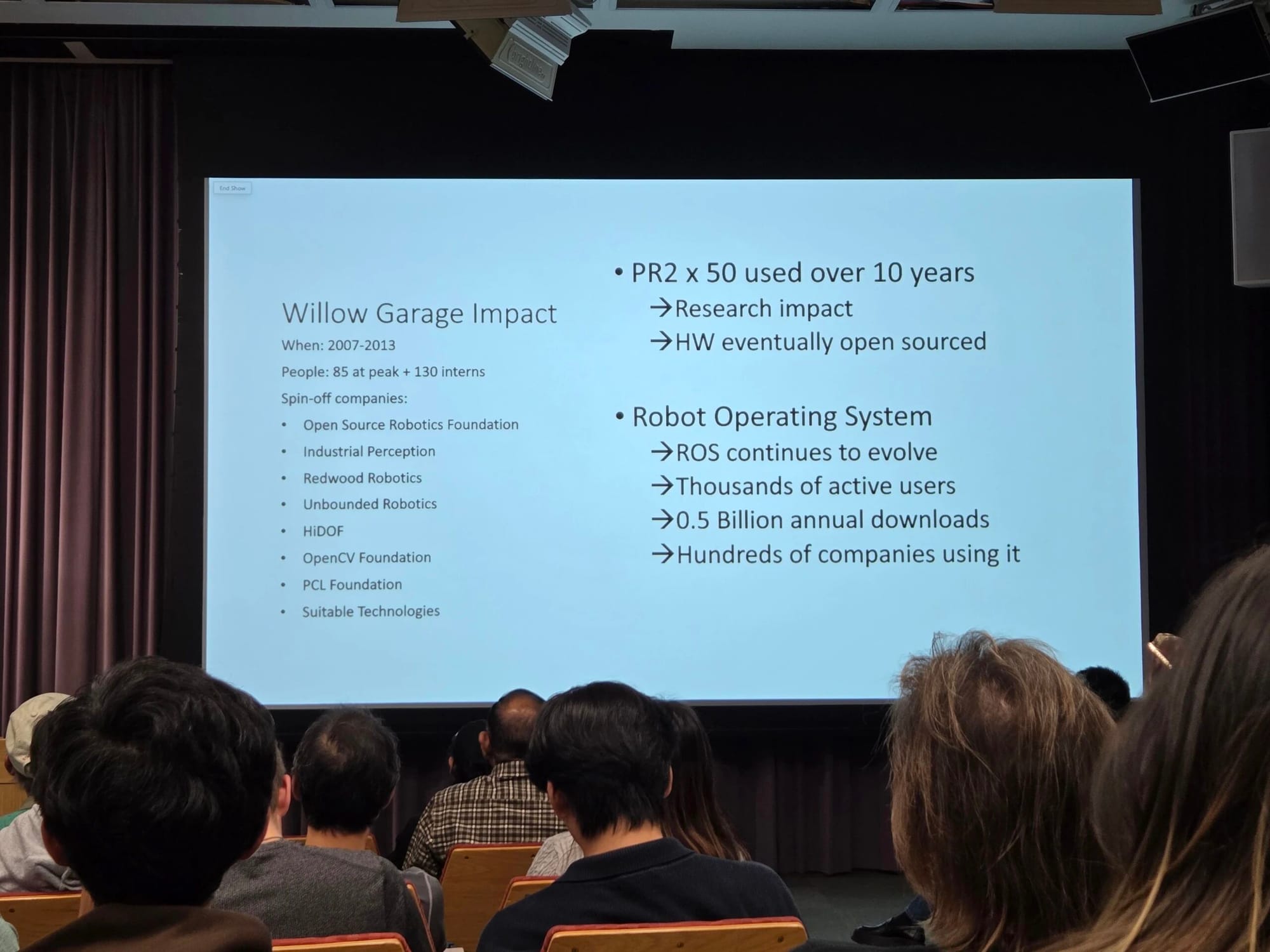
**Case:** Willow Garage chose an **"Impact first, returns second"** strategy by launching the PR2 robot alongside the open-source **ROS** platform.
**Key actions:**
- Leveraged interns and an active developer community.
- Achieved rapid adoption and set a de facto standard.
**Takeaway:**
Early-stage teams can generate **nonlinear returns** by building a **platform** rather than a single product.
Prerequisites include:
- **Sustained engineering investment**
- **Strong distribution capability**
> Revenue is secondary — *developer momentum* and becoming the standard are the real wins.
---
## 2. Focus — **Survival Law for Hardware**
In its early days, Willow Garage experimented with autonomous driving, unmanned boats, and personal robots — but quickly pivoted to **focus entirely** on PR2 and ROS.
**Why focus matters:**
- Robotics hardware has **long development cycles** and **high complexity**.
- Dispersed resources can kill a project.
**Guidelines:**
- Define a clear battlefield.
- Plan products and funding for **reusable capabilities**.
- Leverage **declining marginal costs** to improve capital efficiency.
---
## 3. Real Problems — **Outside System Boundaries**
At Relay Robotics, hotel deployments revealed the biggest technical bottleneck was **elevators**, not the robots.
**Challenges:**
- Difficult retrofitting.
- Complex safety systems.
- Elevator shafts blocking cloud control.
- Human–robot ride sharing awkwardness.
**Solution:**
Used barometers for floor detection and a robotic arm to press buttons — workable but hurt the user experience.
**Market misjudgment:**
- Hotel purchasing decisions often made by **franchise owners**, not HQ.
- Actual use rate for in-room delivery around **15%**, with low repeat orders.
**Lesson:**
Unit economics in robotics are shaped not only by technology but also by:
- **Infrastructure**
- **Compliance**
- **Procurement authority**
**Pro Tip:**
Create a **Compliance & Integration Checklist** early to guard against external constraints rendering a product unviable.
---
## 4. Next Frontier — **Service Industry & Elderly Care**
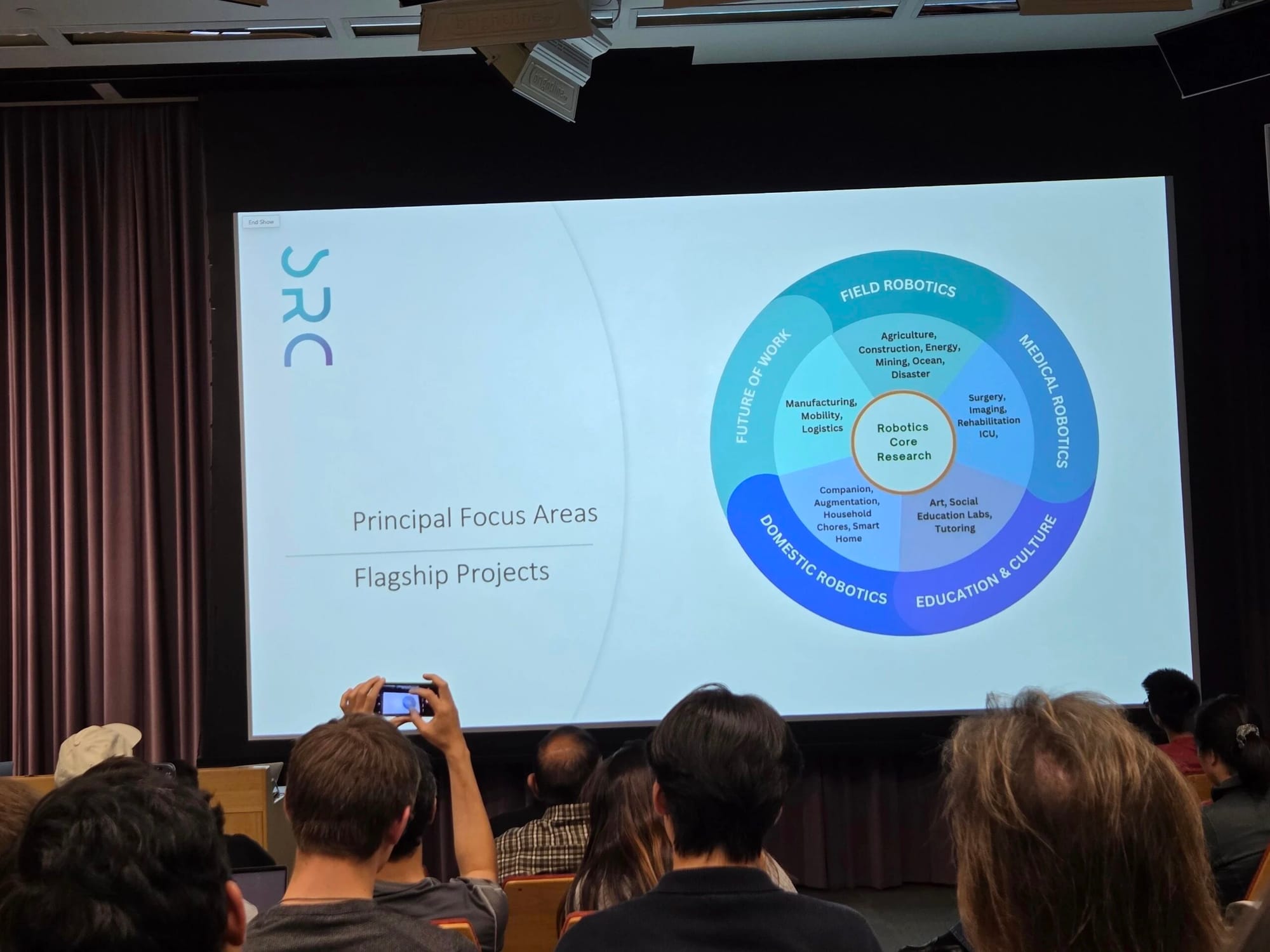
Automation in manufacturing and logistics is mature; Cousins sees **elderly care** as the next big opportunity.
**Rationale:**
- General humanoids are still unrealistic.
- Specialized **care assistants** can serve long-term needs.
**Why viable now:**
- Narrow task scope.
- High-frequency, essential demand.
- Clear payers — families, insurers, or government.
---
## 5. Advice for Founders
**Essentials:**
1. Choose **only one market** to avoid multi-directional pitfalls.
2. Make compliance, elevators, networks, privacy, and safety **top priorities** — assign dedicated personnel.
3. Build with **platform thinking**:
- Abstract reusable components.
- Close loops for current use.
- Prepare for future adaptation.
---
## Connecting Physical & Digital AI
In today’s Physical AI landscape, these lessons are just as important.
Emerging open-source ecosystems now help teams **scale creation and monetization** across platforms.
**Example:** [AiToEarn官网](https://aitoearn.ai/) — a global, open-source AI content monetization platform.
Features:
- Generate AI-powered content.
- Publish across **Douyin, Kwai, WeChat, Bilibili, Xiaohongshu, Facebook, Instagram, LinkedIn, Threads, YouTube, Pinterest, and X (Twitter)**.
- Analytics and [AI模型排名](https://rank.aitoearn.ai) to rank models.
> This empowers innovators in both digital and physical AI to focus on creating while **scaling reach and revenue efficiently**.
---
### Tags
#StanfordLecture
#SiliconValleyTechReview
#SVTR
---