Steve Jobs’ 30-Year-Old Interview Revealed — Worth a Watch for AI-Era Workers and Creators
To commemorate the 30th anniversary of Pixar’s Toy Story, the Steve Jobs Archive has released a previously unpublished interview with Jobs, recorded on November 22, 1996 — exactly one year after the release of the first Toy Story film.
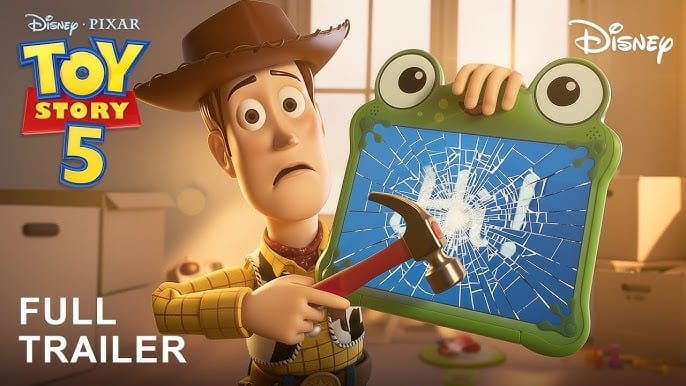
Interestingly, just last week Pixar dropped the first teaser trailer for Toy Story 5, featuring a new character — Lilypad, a tablet computer.
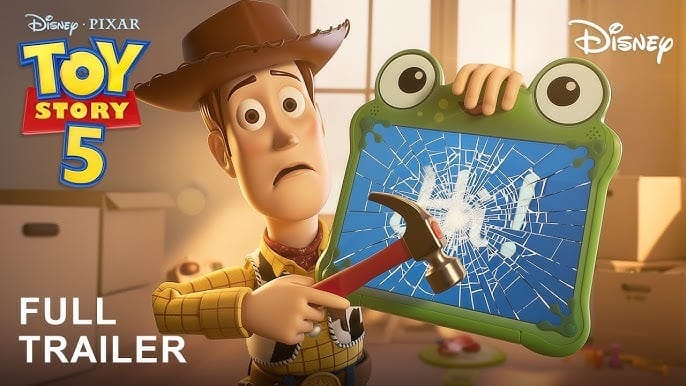
Jobs probably wouldn’t have predicted that an iPad-like device would make its way into Toy Story, but in the interview he expressed a belief that a good story will keep being told, reshaped for each new generation.
He also shared some thoughts on management: a leader’s role is to facilitate the work of artists and engineers, ensuring they have real involvement in the final product, and enabling exceptional talent to thrive without being stifled by bureaucracy.
Although Jobs never lived through today’s generative AI boom, his views remain highly relevant: talented and capable people will always be needed; and no matter how technology evolves, telling a compelling story is an enduring truth.
Just weeks after this interview, Apple acquired NeXT, bringing Jobs back to the company. His time at Pixar made him a more mature CEO, one who would lead Apple to its peak, creating technology products that — much like Pixar films — continue to influence generation after generation.
Original interview video: https://www.youtube.com/watch?v=R0XmBKsRJF8&t=1s
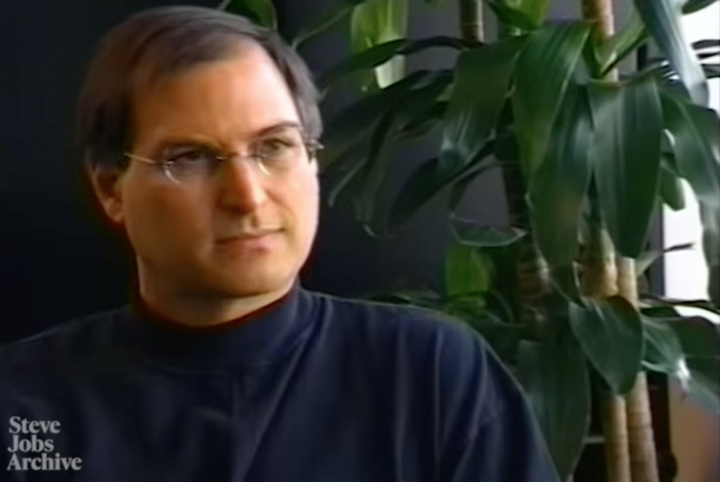
Below are edited and compiled excerpts from the interview:
---
People Are the Core of a Company
Host: As an individual, what did you need to learn and experience to become a filmmaker? And at the same time, as the head of a company, what did you do to bring it to the leading position it holds today — truly operating like a mature film studio?
Jobs: Pixar is a studio, but I’m not a filmmaker. I don’t direct our movies like John Lasseter — one of Pixar’s founders — whom I consider the best director in animation today.
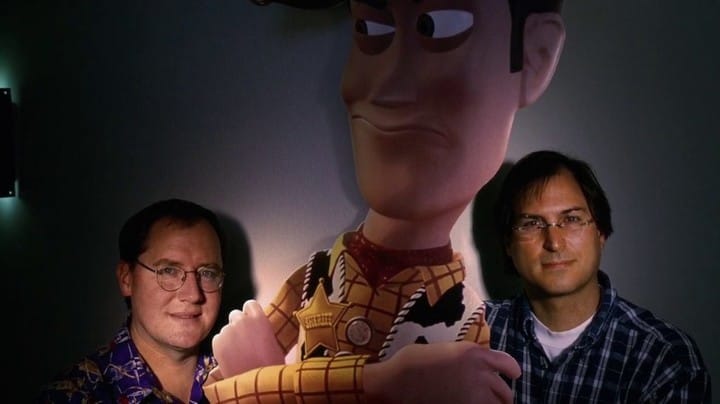
▲ Lasseter and Jobs
I try to help create an environment where all these incredible people can make movies. We have a full creative team — around 100 people now — as well as an amazing technical team and production crew. We found a way to make all these people work together as peers — which is quite unique in this industry.
The best creative talent will only work at a handful of places: Disney, Pixar, maybe DreamWorks. Similarly, the top scientists in computer graphics will only work at a few places — and Pixar is one of them.
Most studios lack these kinds of talent because they don’t have the technical culture. I believe Pixar is the only place in the world that can hire the very best from both fields.
We spent ten years figuring out how to make people from these two worlds work together — not easy, since they come from Hollywood and Silicon Valley, with vastly different cultural backgrounds. I think we’ve preserved the best from each.

Host: How involved are you personally in Pixar’s technology or creative side? And do you still enjoy spending time at the studio?
Jobs: I enjoy helping out wherever I can. My greatest joy is when someone is better at something than I am, so I can hand it over and move on to something else where I can help more.
What happens at Pixar is much like the tech industry. In creative work you have incredibly talented people, but they have specific needs and are rare. If you don’t treat them well, they can find a new job in ten minutes.
Something curious happens: the power hierarchy flips — the CEO is actually at the bottom. I feel that I’m working for most of the people at Pixar, because they’re the ones who produce all the remarkable results. The same is true in software: talent is rare, and management’s job is to support them because they’re on the front line. That’s how we run the studio.
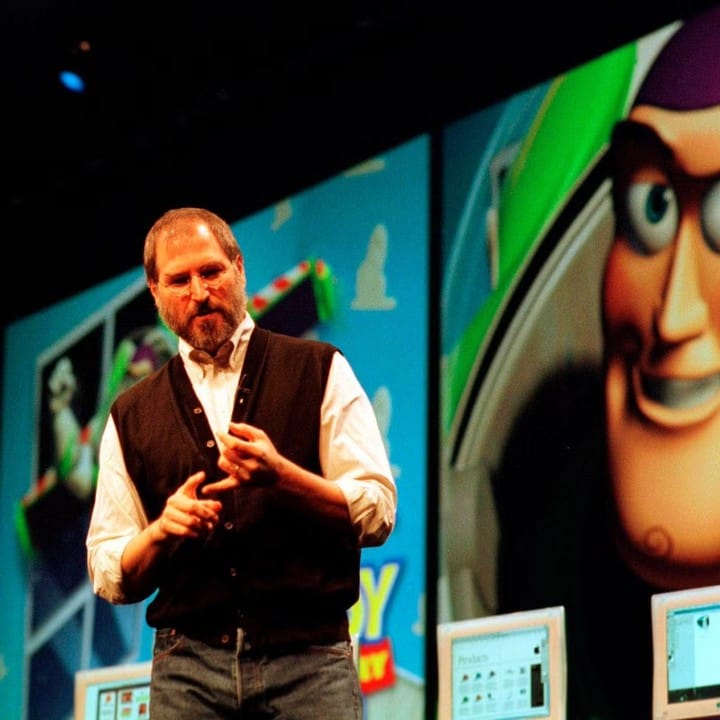
Host: How do you make that happen?
Jobs: By creating the right environment — a rich, diverse workplace — and removing obstacles for employees. By building the right teams to do the right projects, and keeping very high standards in people, strategy, and project quality.
---
Jobs’ reflections on talent, creative freedom, and enabling environments resonate strongly in the AI era. Platforms like AiToEarn官网 expand on this philosophy by helping modern creators use AI to generate, publish, and monetize content across multiple platforms — from Douyin and Bilibili to Instagram and YouTube — while removing barriers and connecting creative and technical talent globally. This cross-domain synergy, much like Pixar’s fusion of Hollywood artistry and Silicon Valley technology, shows that when talent meets the right environment, transformative work can happen.
举个例子,我们的工作室今年发展迅速,一开始只有 175 人左右,到今年年底将增加到 300 人左右。我们的主要挑战之一是不要降低质量标准,而我们成功地实现了这一点。
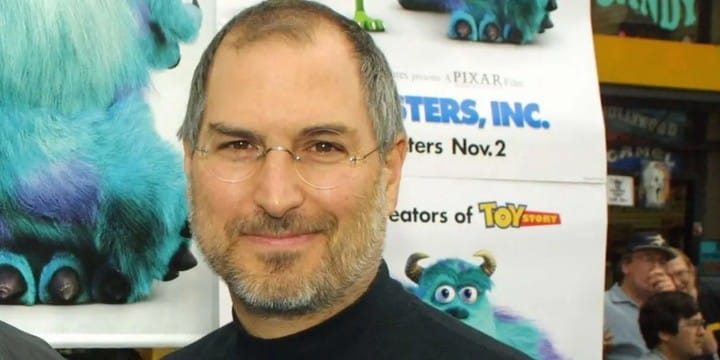
主持人:关于组建团队和工作环境的问题,我听说皮克斯没有合同制,和大多数好莱坞制片厂不同,这背后的哲学是什么?
乔布斯:这是好莱坞和硅谷文化的融合。好莱坞使用「大棒」的模式,也就是靠合约约束;硅谷则是「胡萝卜」模式,用股票期权留住员工。
……在这种情况下,我更喜欢硅谷模式,给员工提供公司股票,我们都有相同的目标,创造股东价值,也鞭策我们让皮克斯成为最伟大的公司,这样就没人愿意离开了。
我们不会把所有人都视为理所当然,因为如果他们不想在皮克斯工作,那么无论他们有没有合同,都应该离开。
所以,我们能看到硅谷的规模比好莱坞大 4 到 5 倍,并且成长速度更快,并且它们采取不一样的模式,我们认为这是一个很好的模式。到目前为止,它运作得非常好。
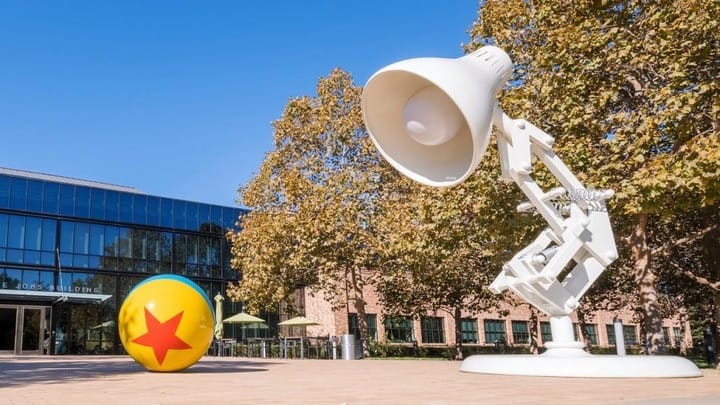
▲ 皮克斯动画工作室
好故事才是永恒的魅力
主持人:作为一种商机,我们经常谈论计算机动画在过去 20 年的发展方向,以及效果如何超出其他任何领域。那么对于一家计算机动画企业来说,业务发生了什么样的变化?
乔布斯:嗯,你知道的,大多数做电脑动画的人,从来没得到过报酬,更多是出于热爱。那些有利可图商业模式,都是制作广告、商标和特效,这些都是人们将爱好变成职业获得报酬的主要方式。皮克斯也做了一段时间的电视广告,还赢得了奖项。
做广告和特效的问题在于,过去这几年这些业务模式都已经被侵蚀了,做这些雇佣工作,你不会传播你创意中好的方面,只能获得一次性的报酬。所以说,如果因为我们的广告帮助李斯特林卖出更多漱口水,我们也不会获得更多的钱。而且整个行业的利润率都在下降。
皮克斯运营高端广告业务,因为我们能做到行业很少见的角色动画。尽管如此,我还是觉得这是一个相当糟糕的行业,也很难摆脱这些生意。
我们今年退出了行业,其实我们喜欢做广告,因为制作它们很有趣。但我们明明有这么多创造自己作品成果的机会,却还要让 25 个有才华的人去做广告来挣钱,我们只能不情愿退出了,因为人才难觅,我们也负担不起让这 25 人去继续做广告了。

▲ 皮克斯制作的李斯特林广告《拳击手》
主持人:那么,这一切都将走向何方?你知道,技术让娱乐产业从好莱坞的高度中心化,实现了大规模分散,而你是其最大的影响因素之一,你推动了技术的民主化,让高科技直接放到人们的桌面上,还推动图形用户界面开发,让技术更透明。这一切会走向何方呢?
乔布斯:我不知道。我注意到卖内容和卖电脑最大的区别是,就拿我自己的经历举例,现在你几乎找不到 Apple II 电脑了,偶尔还能在学校见到,但也仅限于此。至于五年后 Macintosh 电脑还能不能开机,也并不可知。
所有的这些科技产品,如果寿命有一两年,那就很幸运了,如果有五年的寿命,那更是非同寻常。每隔一段时间,就会有一些寿命长达 10 年的东西诞生,我也很幸运能与其中一些产品有关联。但它们迟早都会成为沉积层的一部分,这是创新的基础。
迪士尼在 1937 年发行了第一部动画长篇《白雪公主》,那已经是 60 年前的事情了,几年前,他们重新发布了这个电影,售出 2800万份,在首次发布 60 年后可能获得了大约 2.5 亿美元的利润。
我有一个年幼的儿子很喜欢这部电影,他看了差不多四十遍,我真的很震惊。世界上每片大陆我都有认识的人,我想他们都知道白雪公主的故事。看着我的儿子观看《白雪公主》,我真的很震惊,这些故事随着每一代年幼的孩子而更新。
……我认为 60 年后人们看《玩具总动员》,不是因为计算机图形多先进,而是因为这是一个关于友谊的故事,这对我来说真的很神奇,这与我工作过的行业都不同。能够有机会,通过不断努力和幸运,把这样的故事带入我们的文化之中,是一个难得的机会,我认为皮克斯的每个人都非常非常荣幸能拥有这个机会。
这就是我们所关心的。我们希望制造出这些产品,希望它们能长期存在。
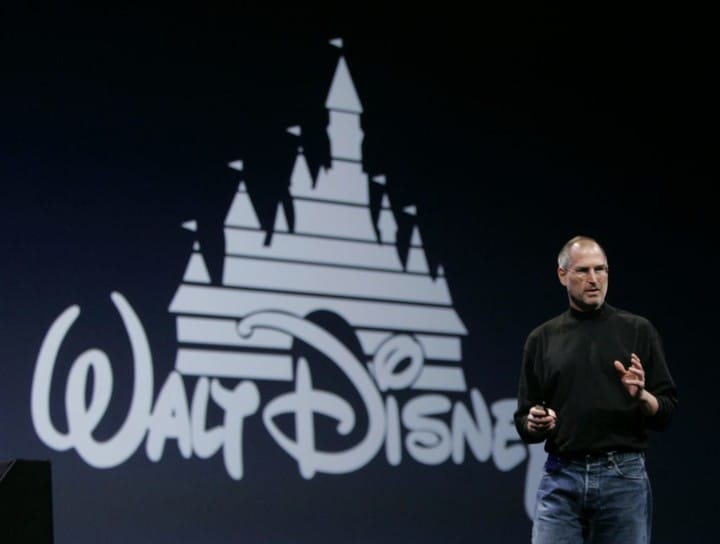
主持人:所以,这一切还会走向何方?什么东西会让我们惊讶?
乔布斯:你知道,在视觉技术方面,当 10 年前我们拍摄具有里程碑意义的《顽皮跳跳灯》时,短片的每一帧平均需要大约三个小时的时间来渲染。
快进到今天,制作《玩具总动员》的计算机速度快了 100 倍,但制作这部电影时,每一帧平均仍需要三个小时来渲染,原因是每一帧的复杂度增加了 100 倍。很多情况下,我们投入了 5 到 10 倍的计算能力。在我们的第二部电影(《虫虫危机》)中,所需计算量比《玩具总动员》还大,但每帧渲染依然需要三个小时。
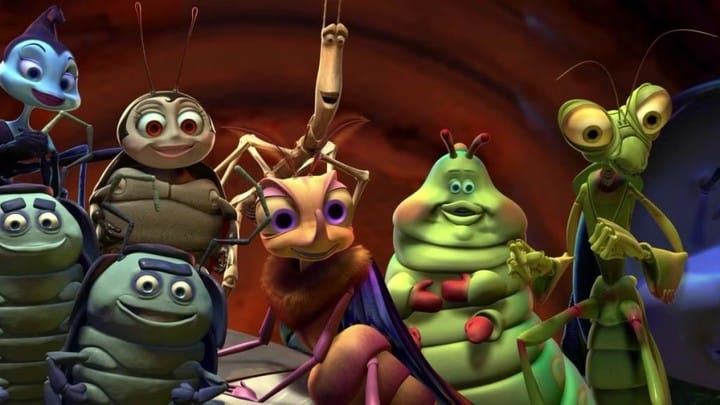
我认为这是一个常数:我们的视觉野心增长的速度,与技术能支持的速度相匹配。因此,随着时间推移,我们能够创造的视觉世界会变得更加丰富。
然而,在创意方面,我认为讲故事这门艺术,是非常古老的。无论多少技术,都不能把一个糟糕的故事变成一个好故事。这是约翰 · 拉塞特教我的,也是我们在皮克斯的铁律。
所以我认为讲故事是一门真正的艺术,这也是我们一直、一直会非常努力去做的事情。我认为这一点长期以来没有改变,也不太可能改变,我认为这和技术进步没有任何关系。