Student Faces 6 Rejections in 3 Years, So Andrew Ng Built a Reviewer Agent Himself
Doing Research Isn't Easy
The Struggle of Academic Publishing
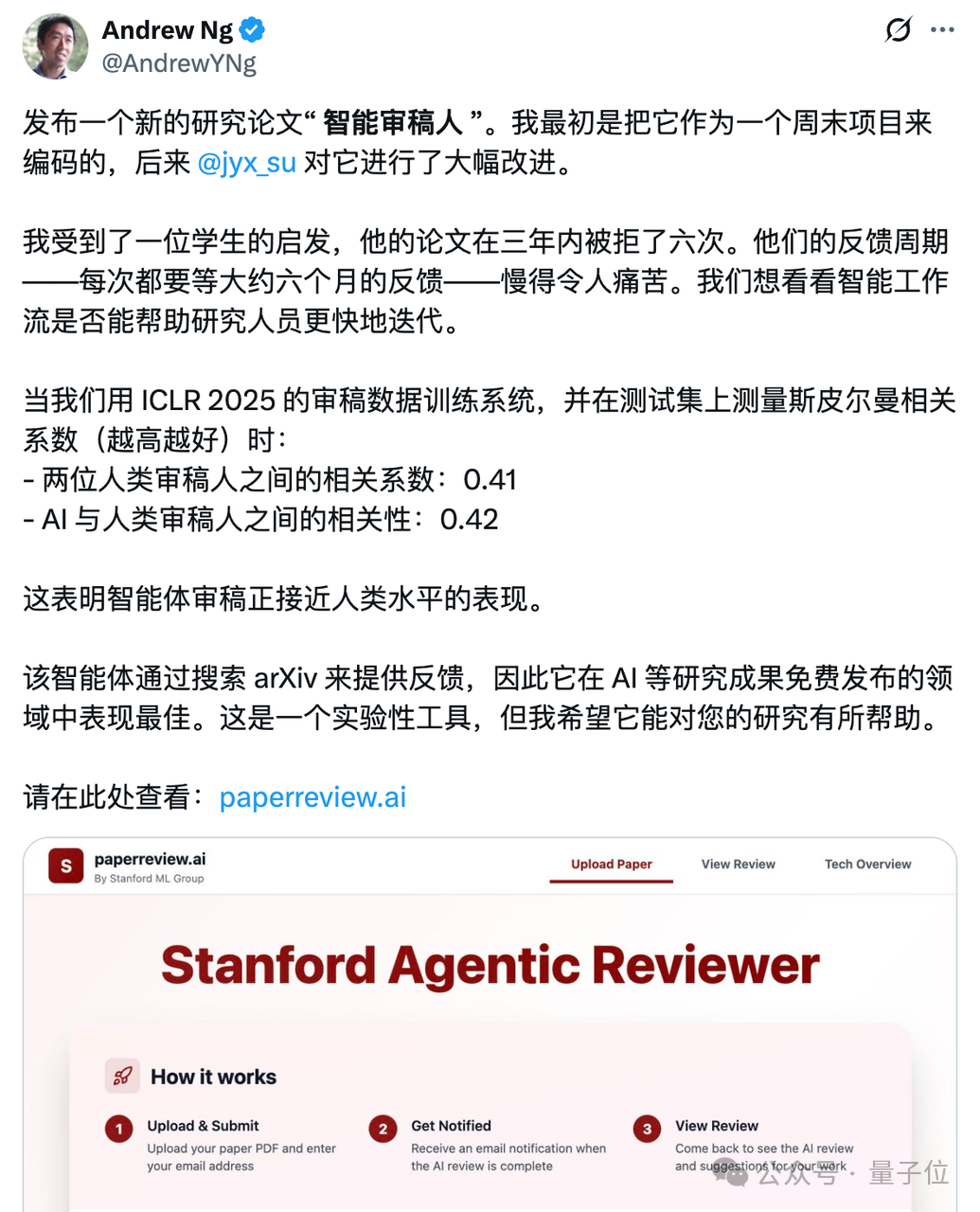
Rejected six times in three years, with each feedback round taking half a year?
When machine learning pioneer Andrew Ng learned about a student's streak of bad luck, he personally created a free AI-powered academic paper review agent to speed up the process.
---
AI Review Performance
Trained on ICLR 2025 review data and tested against a benchmark set, the AI review system achieved a correlation coefficient of 0.42 with human reviews — slightly higher than the 0.41 correlation observed between human reviewers themselves.
> Meaning: The consistency between AI reviews and human reviews is now roughly on par with human-to-human review consistency.

As one netizen put it: "Better to get rejected in minutes than wait six months!"

Advantage: Early rejection enables faster revision and resubmission.
---
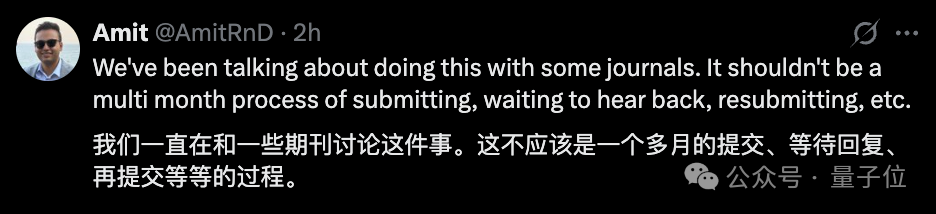
Problem With Traditional Peer Review
Peer review often takes months per feedback round. Comments typically focus on acceptance/rejection rather than actionable suggestions for improvement.
Andrew Ng’s AI paper review agent directly addresses this gap.
---
How the AI "Peer Review" Process Works
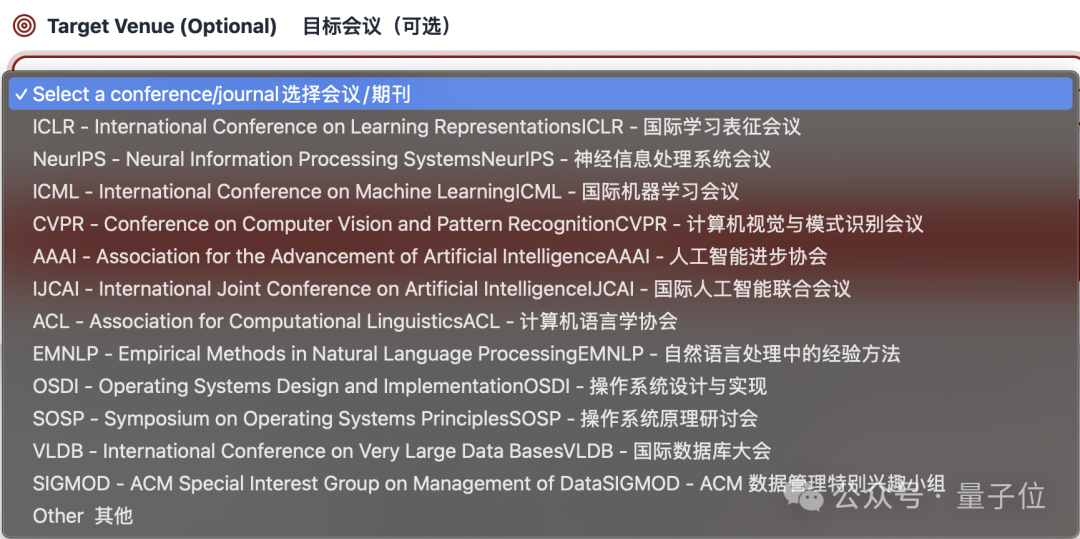
- Target Venue Selection
- When submitting, select your target journal or conference.
- The AI adapts its assessment style to match that venue’s review standards.
- Document Processing
- Converts your PDF to Markdown.
- Verifies it is an academic paper.
- Automatically extracts keywords such as:
- Experimental standards used
- Topic similarities with existing work
- Research Matching
- Searches latest related work on arXiv.
- Selects most relevant papers and generates summaries.
- Review Generation
- Uses your submission and related summaries to produce a full review following a structured template.
- Includes specific, actionable revision suggestions.
- Scoring & Ranking
- Trained to mimic ICLR 2025 reviews.
- Scores across seven dimensions:
- Originality
- Importance of the research question
- Strength of evidence
- ...and more
- Outputs a final score (1–10).
---
AI vs. Human Review Accuracy
- Correlation with human reviewers:
- AI: 0.42
- Human-to-human: 0.41
- Acceptance outcome prediction accuracy:
- Humans: 0.84
- AI: 0.75
Calibration chart:
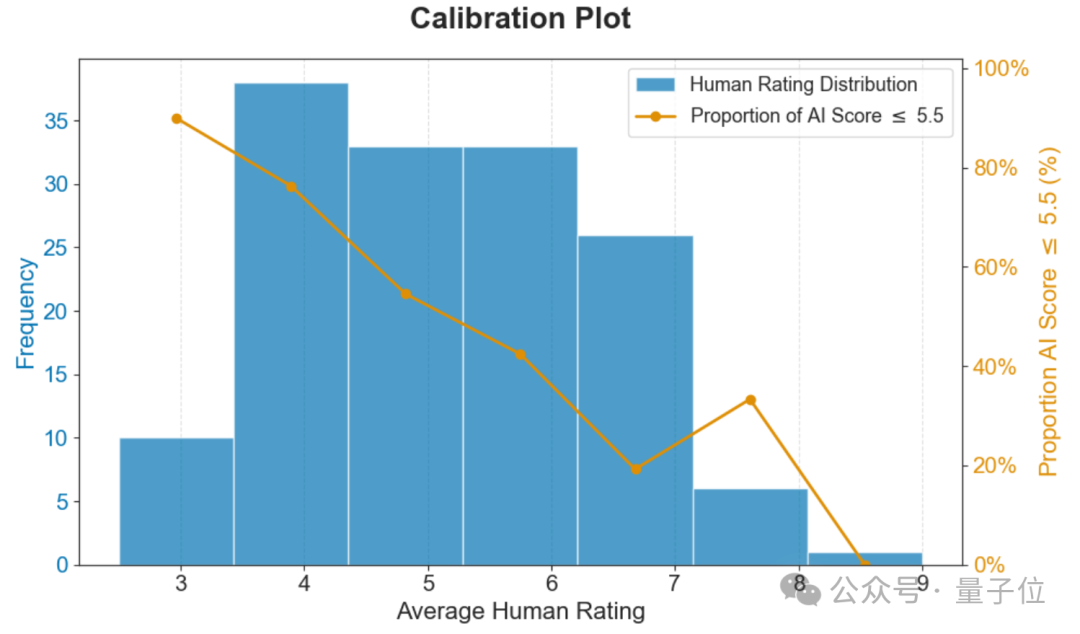
Chart Notes
- Blue bars: Human score distribution (mostly between 4–7).
- Orange line: Proportion of AI scores ≤ 5.5 per human score range.
- Observation: As human scores rise, AI scores are less likely to be low — showing the AI follows human scoring trends.
---
Limitations
- AI references mainly arXiv content, introducing possible deviations.
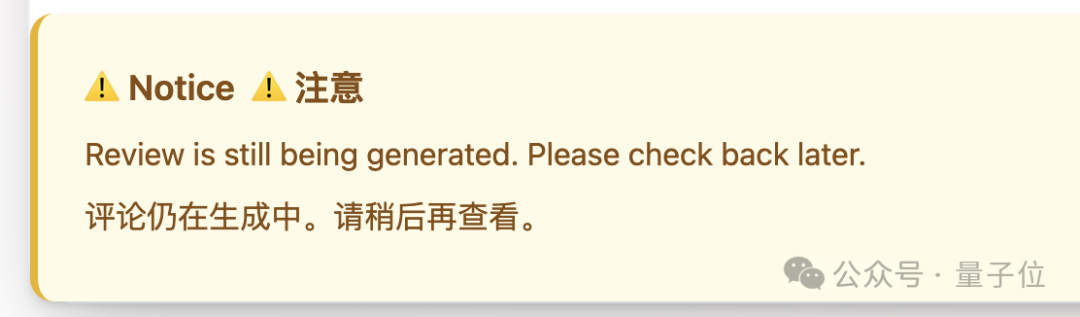
- Review processing is fast but not instant.
> Example: We tried uploading a paper — status: please wait…
> Good news: It didn’t reject within minutes 🐶.
---
Who Built It?
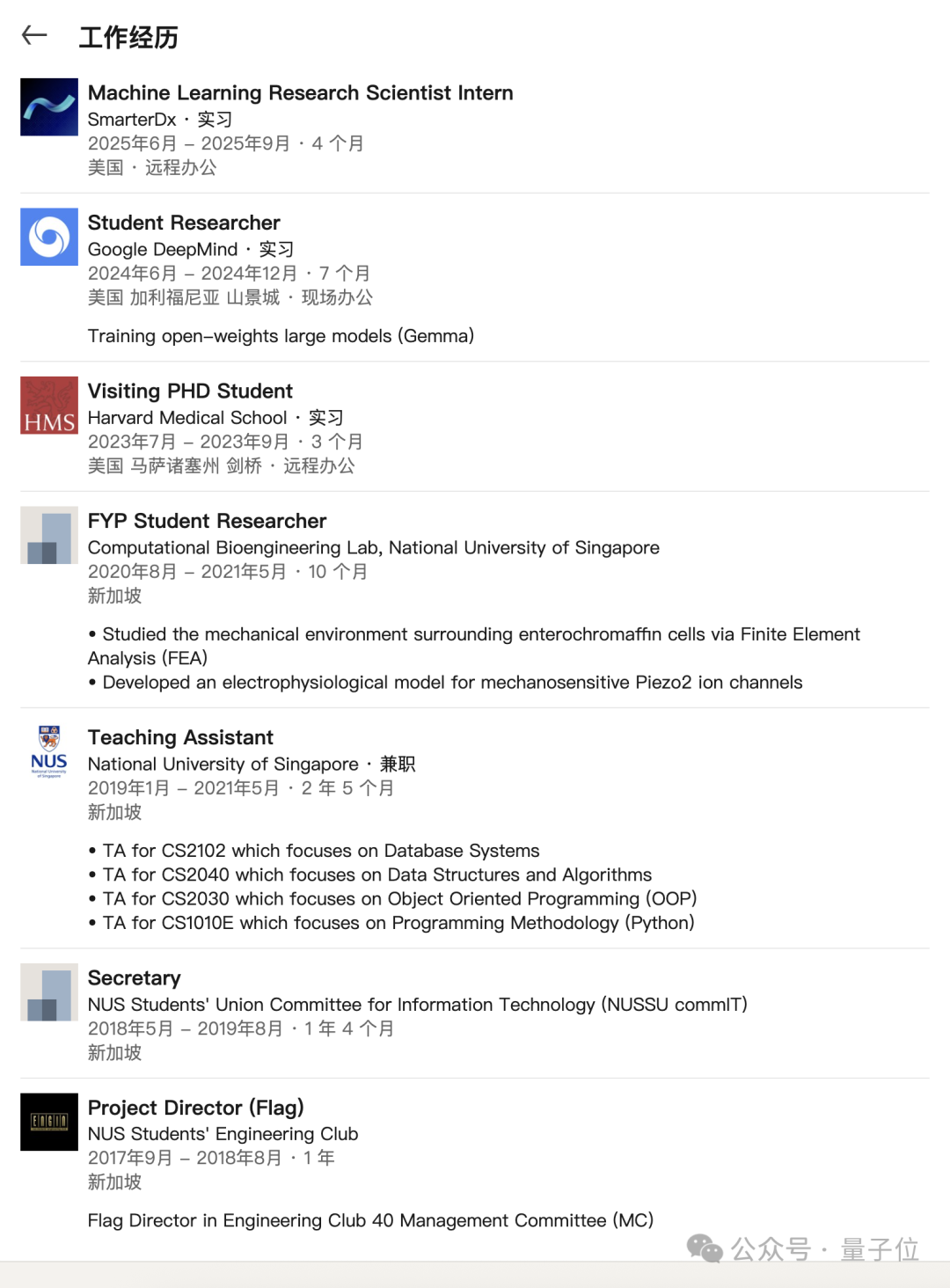
- Developed further by Stanford PhD student Yixing Jiang.
- Jiang also interned at Google DeepMind for seven months.

---
Try It Yourself
If you’re a researcher in need, it’s worth testing this free AI review system — maybe your next submission gets accepted!
🔗 Experience it here: https://paperreview.ai/
---
Bigger Picture: AI in Academic Publishing
Tools like this demonstrate how AI can streamline scholarly workflows:
- Research review
- Paper writing assistance
- Cross-platform dissemination
- Result tracking and analysis
For researchers looking to integrate AI into multi-platform content publishing (Douyin, Bilibili, YouTube, X/Twitter), check out AiToEarn官网:
- Connects AI content generation with publishing, analytics, and ranking
- Helps researchers and creators monetize AI-driven creativity worldwide
---
References
[1] https://x.com/AndrewYNg/status/1993001922773893273?s=20
---
Follow us to get real-time updates on cutting-edge technology.