Surprisingly, 21% of ICLR 2026 Reviews Were Fully AI-Generated
ICLR 2026: 21% of Reviews Found to Be Fully AI-Generated
A surprising analysis from Pangram Lab reveals that one in five peer reviews at ICLR 2026 were entirely AI-generated — raising serious questions about authenticity in academic evaluation.
---
The Discovery
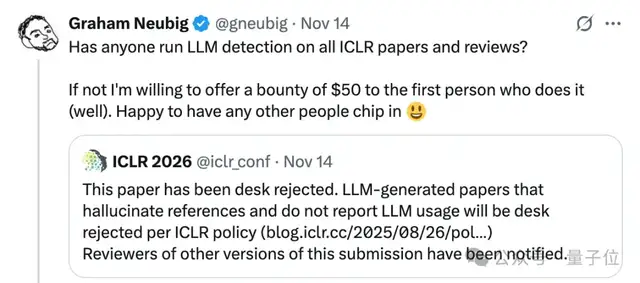
Graham Neubig, AI researcher at CMU, suspected that reviews he received had an “AI-flavored” style:
- Overly lengthy
- Filled with symbols
- Associations with uncommon analytical methods for AI/ML research
Unable to verify alone, Neubig posted a $50 bounty seeking a systematic analysis:
> “I’ll offer $50 to the first person who does this.”
---
Pangram Lab Steps In
Pangram Lab specializes in detecting AI-generated text. Their findings were striking:
- 75,800 reviews analyzed
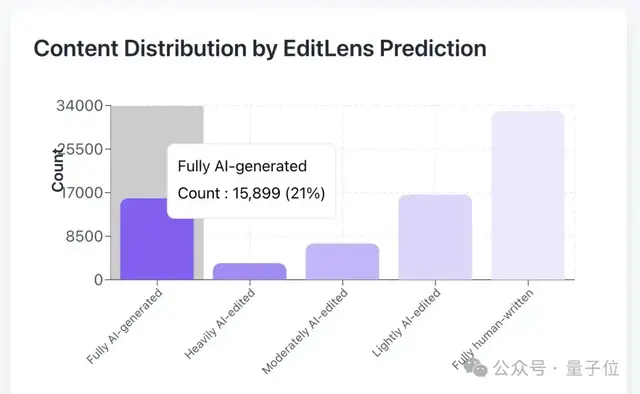
- 15,899 reviews (21%) highly likely to be fully AI-generated
- Numerous papers also showed predominantly AI-written content
---
Data Collection and Preprocessing
Pangram collected full ICLR 2026 data from OpenReview:
- 19,490 paper submissions
- 75,800 reviews
Handling PDF Challenges
PDFs with formulas, charts, and tables can disrupt text parsing. Standard parsers like PyMuPDF performed poorly. Pangram’s solution:
- Convert PDFs using Mistral OCR to Markdown
- Convert Markdown to plain text
- Minimize formatting noise for cleaner analysis
---
Detection Models
Paper Body Analysis
- Pipeline splits paper into paragraphs/semantic segments
- Classifies each segment as human-written or AI-written
- Aggregates results into categories: human-dominant, mixed-authoring, almost entirely AI-generated, extreme outlier
Model Validation: Tested against pre-2022 ICLR and NeurIPS papers — yielding 0% AI likelihood.
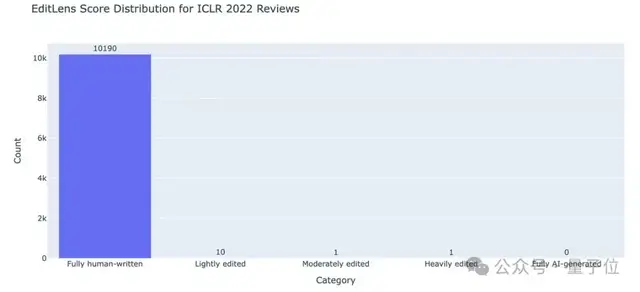
Review Analysis via EditLens
Levels of AI involvement:
- Fully human-written
- AI-polished
- Moderate AI editing
- Heavy AI involvement
- Fully AI-generated
Accuracy:
- False positive rates as low as 1/100,000 for heavy AI involvement.

---
Key Findings
- 15,899 reviews fully AI-generated (21%)
- Over half of reviews involved some AI assistance
- 61% papers human-written
- 199 papers (1%) fully AI-generated
---
Conference Policy and Ethics
ICLR’s policies require:
- Disclosure of AI use in papers/reviews
- Responsibility remains with human authors/reviewers
- Integrity — no fabrication, falsification, or misleading statements
For reviewers: AI polishing is allowed, but fully AI-generated reviews may violate ethics due to lack of genuine opinion and possible confidentiality breach.

---
Correlations Between AI Usage and Review Outcomes
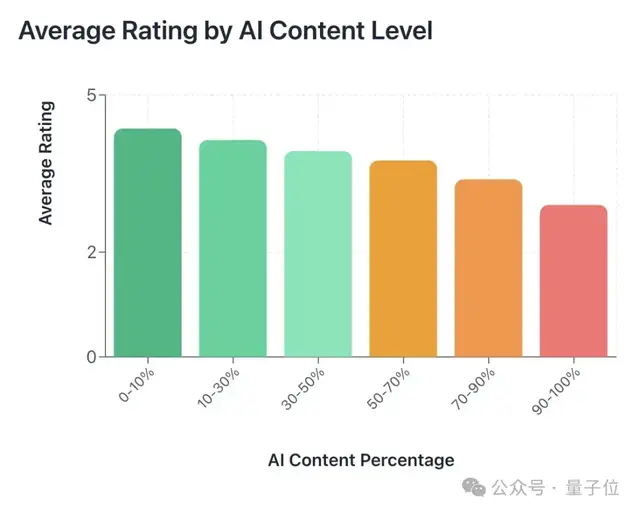
- More AI in papers → lower review scores
- AI writing still lags behind original human quality
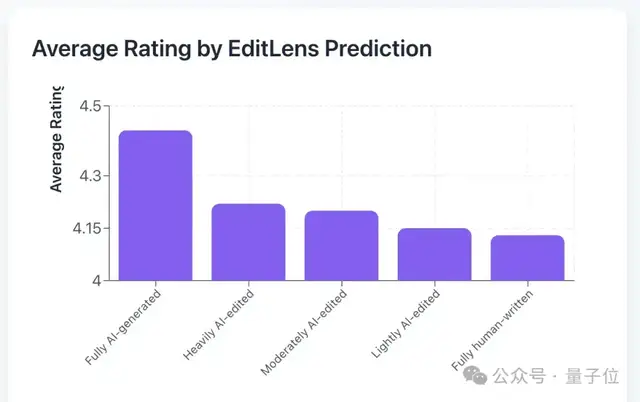
- More AI in reviews → higher scores given
- AI-assisted reviews tend to be more lenient and friendly
---
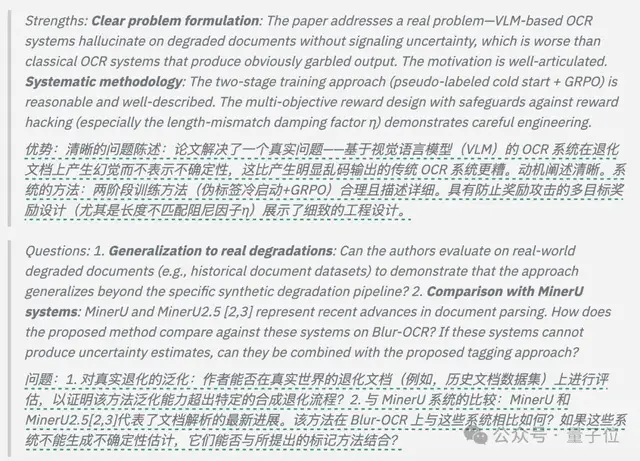
Common Traits of AI-Generated Reviews
- Headings in bold: 2–3 descriptive tags + colon
- Superficial nitpicking
- Requests for tasks already completed in paper
- Filler text with low information density — long but unhelpful reviews
---
The Bigger Question
University of Chicago economist Alex Imas asks:
> Do we want human judgment in peer review?
With broken double-blind systems and a wave of AI-generated reviews, trust in the process is at stake.

---
Industry Perspective: Responsible AI Use
Platforms like AiToEarn官网 provide tools for:
- AI content generation
- Multi-platform publishing (Douyin, Kwai, WeChat, Facebook, YouTube, X/Twitter, etc.)
- Analytics and model ranking
- Open-source transparency
Such integrations could help maintain ownership, integrity, and accountability while benefiting from automation.
---
Closing Thoughts
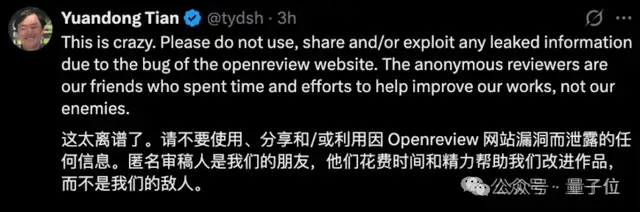
The most urgent challenge: Preserve double-blind review integrity in top-tier conferences.
This is a shared responsibility for the entire academic community.
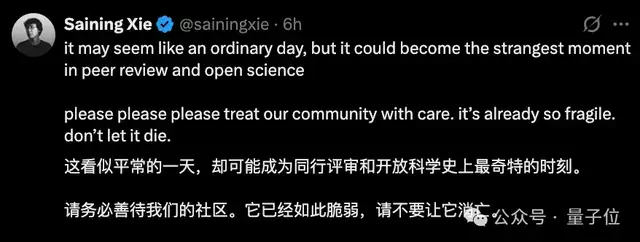
As Xie Saining said:
"Please be kind to our community. It is already so fragile; do not let it perish."
---
References
- https://www.pangram.com/blog/pangram-predicts-21-of-iclr-reviews-are-ai-generated
- https://www.nature.com/articles/d41586-025-03506-6
---
If you want, I can also create a shorter executive summary so this report is easier to share among academic teams. Would you like me to prepare that?