
The AI World Is on Edge: How Many Years Can a GPU Last?
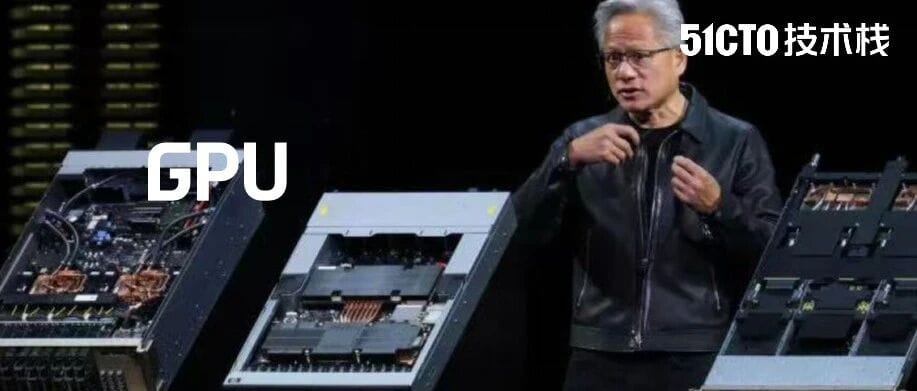
How Long Can a Single GPU Last — 2, 5, or Even 6 Years?
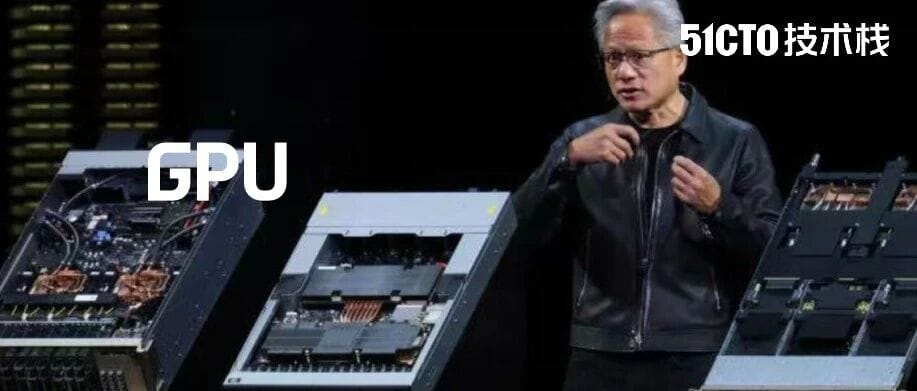
Over the past three years, the AI industry has been in overdrive — models grow larger, data centers multiply, and Nvidia’s stock keeps soaring.
Now, as global tech giants prepare to invest $1 trillion in AI data centers over the next five years, one critical question is raising concerns:
> How long can a GPU truly last?
This question is no mere technicality — it has become a high-stakes KPI that can swing stock prices and investor sentiment.
Yet there is no official, standardized answer.
- Google, Oracle, and Microsoft estimate lifespans of up to 6 years.
- Skeptics, such as short seller Michael Burry, argue it’s closer to 2–3 years.
---
Why GPU Lifespan Matters
Hardware lifespan affects depreciation — the accounting method that allocates the cost of an asset over its usable life.
For AI data centers:
- Longer lifespan → better profit margins
- Shorter lifespan → rapid profit decline
Unlike traditional servers (often 5–7 years), GPUs are still an unknown quantity. Purchased in huge volumes only recently, their track record is short, making depreciation guesses risky.
---
AI GPUs: A Depreciation Puzzle
Nvidia’s first data center AI chips debuted in 2018.
The market exploded after ChatGPT’s late-2022 launch, propelling Nvidia’s data center revenue from $15B → $115.2B in five years.
> “Three years, five, or seven?”
> — Haim Zaltzman, Vice Chair, Latham & Watkins
---
The Optimists: “Up to 6 Years” Lifespan
Supporters include: Google, Oracle, Microsoft, CoreWeave
Key points:
- Microsoft cites lifespans between 2–6 years.
- CoreWeave uses a 6-year depreciation cycle, claiming strong secondary market value:
- A100 (2020) units — fully rented out
- H100 (2022) — resale at 95% of original price
Despite this data-backed optimism, market sentiment dropped:
- CoreWeave down 57% from yearly high
- Oracle down 34% since September
---
The Skeptics: “Only 2–3 Years”
Short seller Michael Burry has shorted Nvidia and Palantir, believing tech giants overestimate GPU lifespans — inflating profits.
- Burry’s view: Servers last only 2–3 years
- Amazon, Microsoft declined to comment
- Meta, Google, Oracle have not responded
---
Jensen Huang Warns of Faster Obsolescence
Factors triggering quick depreciation:
- Hardware wear
- Rapid tech upgrades
- Reduced cost-effectiveness
Nvidia CEO Jensen Huang joked that after the Blackwell launch, Hopper GPUs would be nearly worthless.
Nvidia’s product cycle has accelerated from 2 years → 1 year, with AMD following suit.
Amazon has shortened its server lifespan estimate from 6 to 5 years, citing faster AI iteration.
---
Microsoft’s Strategy: Diversify Procurement
Microsoft CEO Satya Nadella doesn’t want to overcommit to one GPU generation.
Key reasoning:
- Nvidia’s rapid upgrade cycle
- Avoid being locked into 4–5-year depreciation
- Value decays faster than physical lifespan due to performance gaps
---
Secondary GPU Market Volatility
In some industries, older GPUs work fine.
In others, the latest architecture is mandatory — prices swing dramatically.
> “They can still run, but they’re not worth running.”
---
Your view: How long can GPUs truly last? Share in the comments.
Reference:
---
Recommended Reading
- Microsoft CEO Nadella’s 50-year AGI plan & AI industry caution
- Why good documentation may replace code reading in the future
---
Creator Insight: AI Lifespan & Monetization
Tools like AiToEarn官网 connect AI content generation, publishing, and analytics across platforms such as Douyin, Bilibili, LinkedIn, X (Twitter), and YouTube — ensuring digital asset lifespan and value retention.
---
A Fully Interpretable GPT-3 — OpenAI’s Breakthrough

OpenAI researchers have for the first time revealed the microscopic mechanisms inside GPT-3, identifying neural network “circuits” and showing:
- Smaller circuits → greater interpretability
- Potential path to fully interpretable GPT-3
---
Core Findings
- Neuron and attention head collaborations form interpretable circuits
- Circuit size matters — smaller is clearer
- Moves closer to transparent & accountable AI
---
Why It Matters
AI’s “black box” problem hinders safety & trust.
Micro-level mapping could:
- Make models more traceable
- Aid debugging & value alignment
- Improve security & compliance
---
Looking Ahead
Future models could be:
- Fully traceable in decision-making
- Economically reliable for content creators
- Adaptable to rapid tech shifts
---
Impact on Content Creation
Platforms like AiToEarn官网 and its open-source ecosystem (GitHub, Model Ranking) could integrate interpretable AI to ensure ethical, high-quality outputs while optimizing monetization across:
- Douyin
- Kwai
- Bilibili
- Xiaohongshu
- Threads
- YouTube
- X (Twitter)
---
Read More:


