The Machine Learning Bible, Now Available in Chinese!
Datawhale Recommendation
📚 Book Spotlight: The “Bible” of Machine Learning — Giveaway at the End!
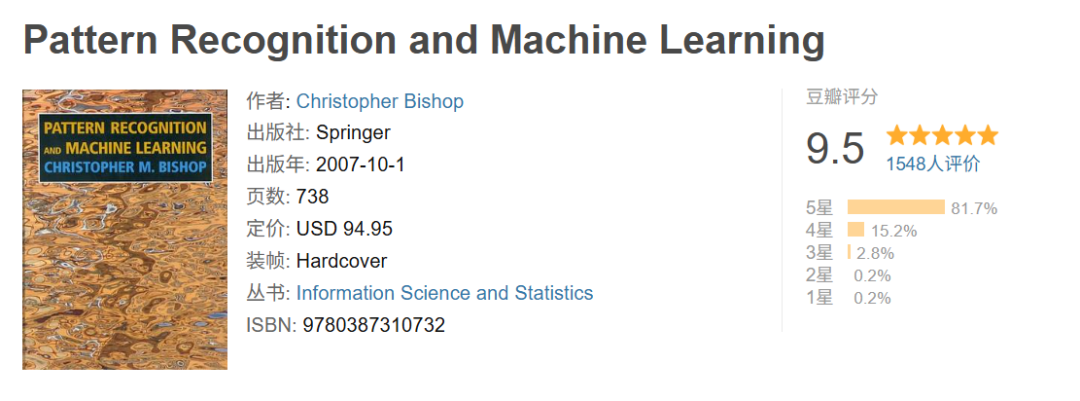
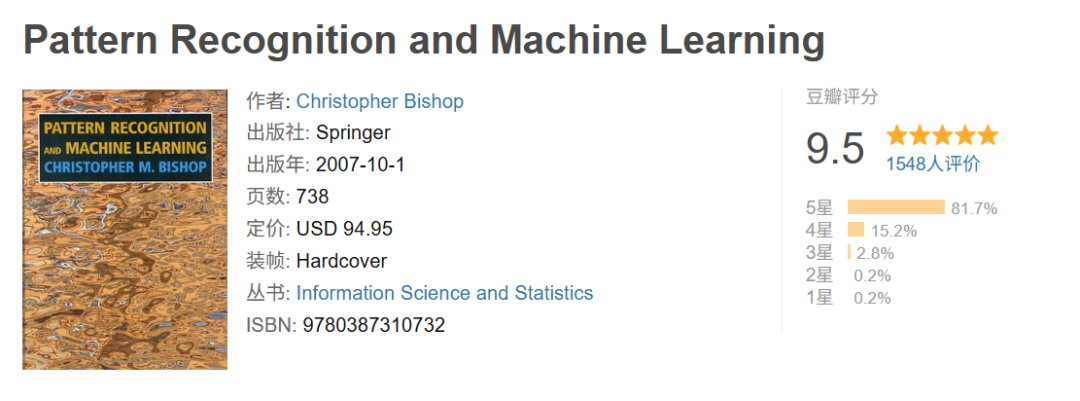
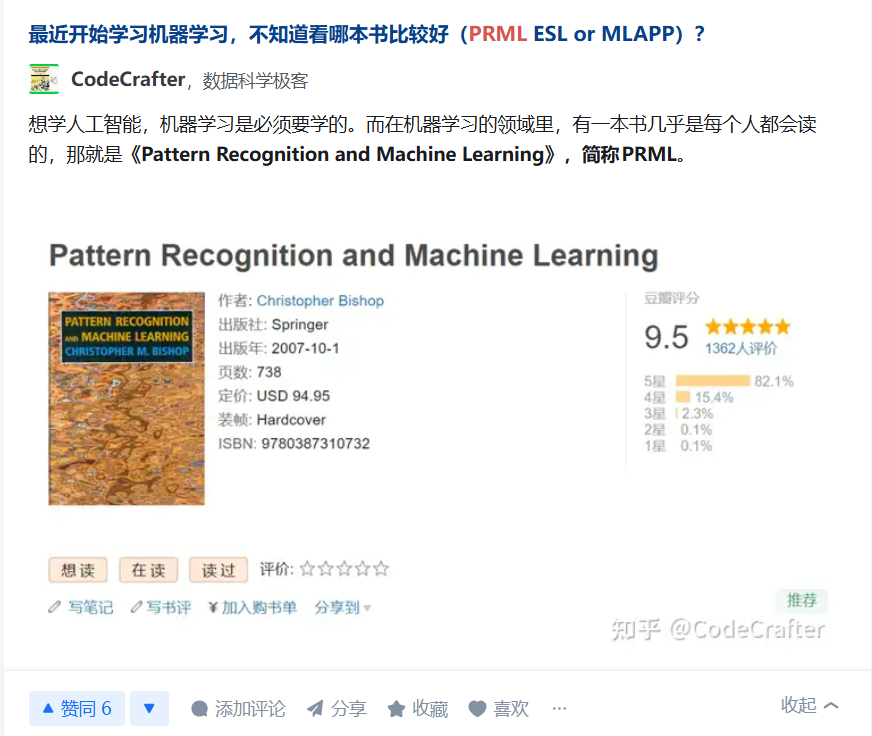
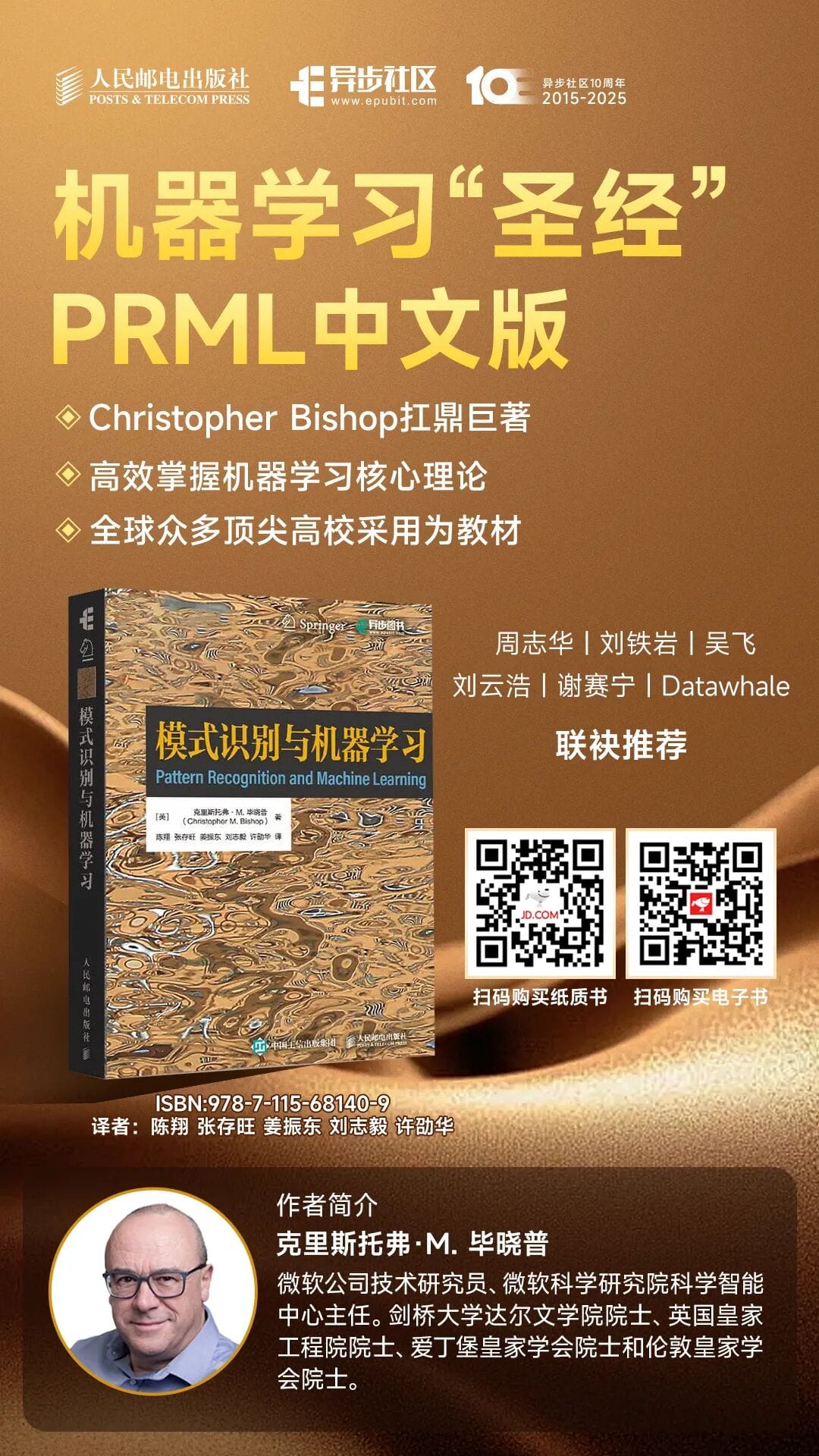
In our era of rapid AI advancement, one book stands out as a timeless classic. First published in 2006, _Pattern Recognition and Machine Learning_ (PRML) by Christopher M. Bishop is revered by scholars worldwide as “The Bible of Machine Learning”.
- Douban rating: 9.5
- Endorsed by: Zhou Zhihua, Liu Tieyan, Wu Fei, Liu Yunhao, Xie Saining, and the Datawhale team
- Adopted by: Leading universities around the globe
---
📖 Why PRML Is a Unique Milestone
First comprehensive ML textbook to:
- Cover probabilistic graphical models and deterministic inference methods
- Present cutting-edge developments through a modern Bayesian lens
Achievements:
- Adopted by University of California and University at Buffalo within a year
- Translated into Japanese, Korean, and more
- Named Outstanding Academic Book by the Korean Academy of Science in 2019
---
👨🔬 About Christopher M. Bishop

Christopher M. Bishop — Not your typical computer scientist:
- Lab Director, Microsoft Research Cambridge
- Honorary Professor, University of Edinburgh
- Fellow, Darwin College, University of Cambridge
- Member, UK’s AI Council & Prime Minister's Council for Science and Technology
Academic journey:
- BA in Physics — St. Catherine’s College, Oxford
- PhD in Theoretical Physics — University of Edinburgh (supervised by Nobel laureate Peter Higgs)
- Early career in magnetic confinement fusion plasmas at Culham Laboratory
- Later transitioned fully into machine learning driven by deep curiosity
Writing philosophy:
> “Writing a book was my way of learning the field.”
- First book (Neural Networks for Pattern Recognition, 1995) documented his learning journey
- PRML aimed to bring coherence to fragmented ML literature, with consistent notation, Bayesian foundation, and clear illustrations
---
🌟 Key Reasons to Read PRML
1️⃣ Unified Bayesian Perspective
Builds a powerful framework for handling uncertainty and probabilistic reasoning.
- Deep-dives into algorithms and models through a single unified lens
- Emphasizes foundational theory with practical relevance
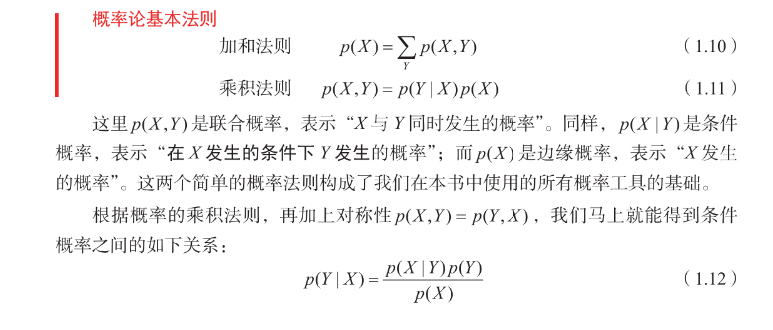
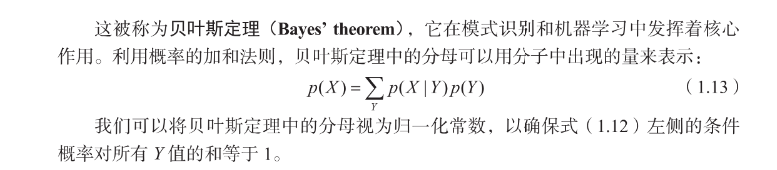
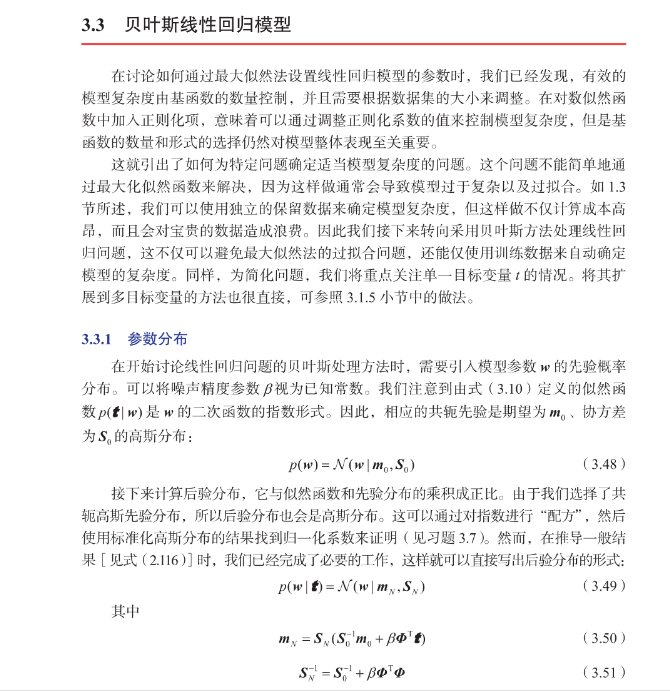
> “The Bayesian framework is a very natural foundation on which you can build and think about machine learning.” — C.M. Bishop
---
2️⃣ Progressive Learning Path
Structure: 14 chapters starting with:
- Probability theory and decision theory
- Regression, classification, and core ML concepts
- Advanced methods: SVMs, boosting, kernel methods, graphical models
- Cutting-edge topics: MCMC, Variational Bayesian methods
Example — Neural Networks Chapter:
- Intro: Basic structure & principles
- Learning process: Error backpropagation explained
- Optimization: Gradient descent & Hessian approximations
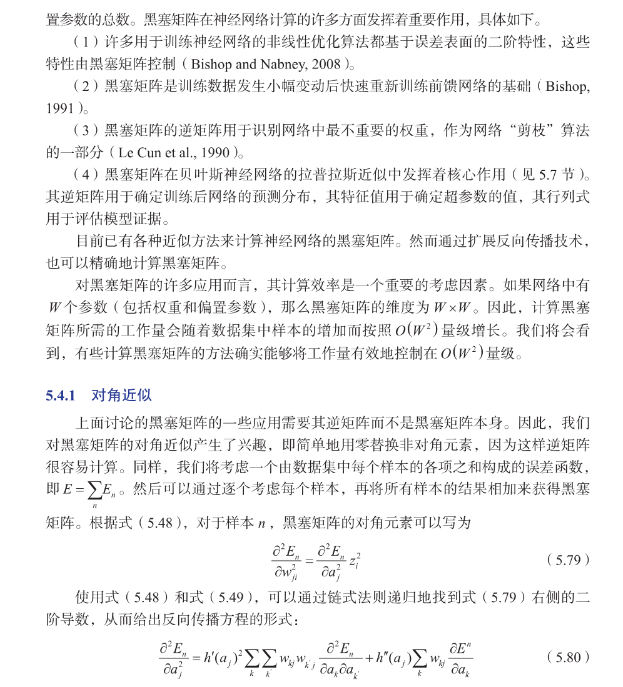
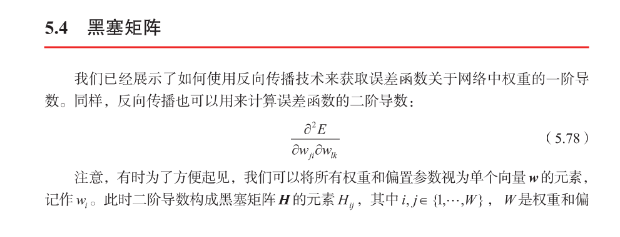
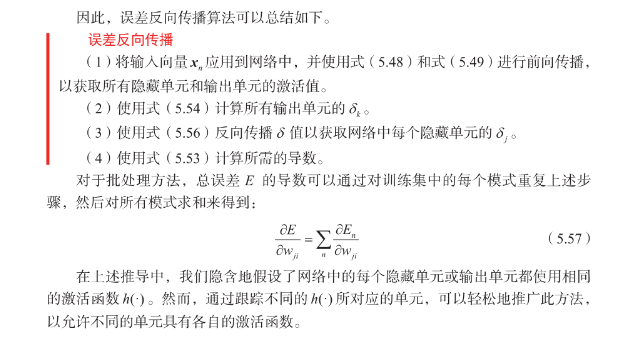
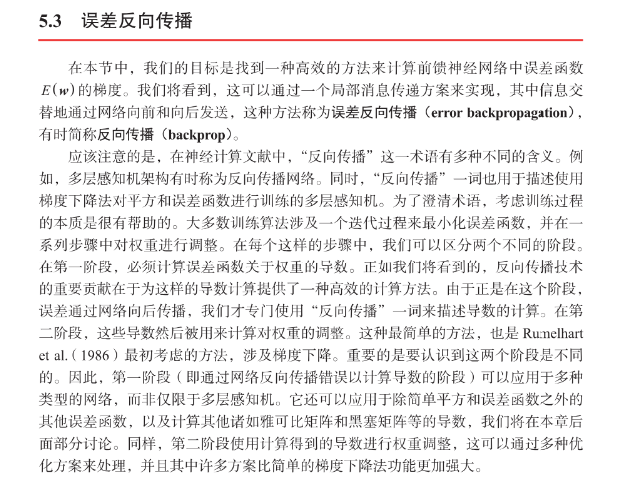
Benefit: Step-by-step builds conceptual understanding — aligns with cognitive learning patterns.
---
3️⃣ Visual Learning with Rich Exercises
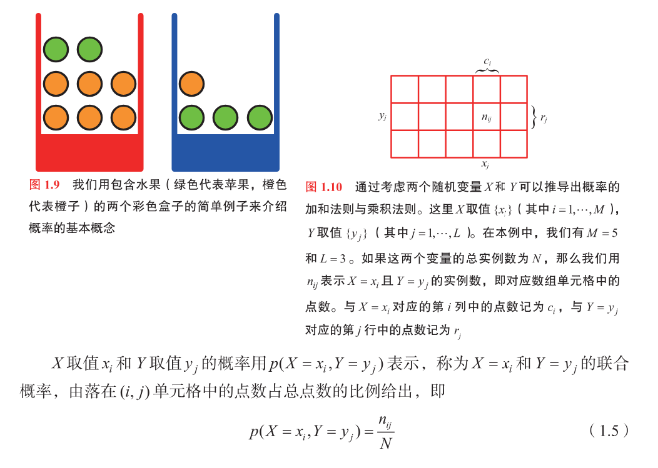
- First ML book to use four-color printing for vivid diagrams
- Purpose: Make abstract concepts tangible, e.g., visualizing probability distributions
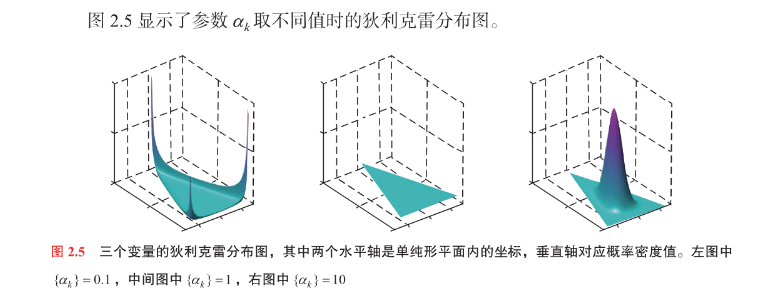
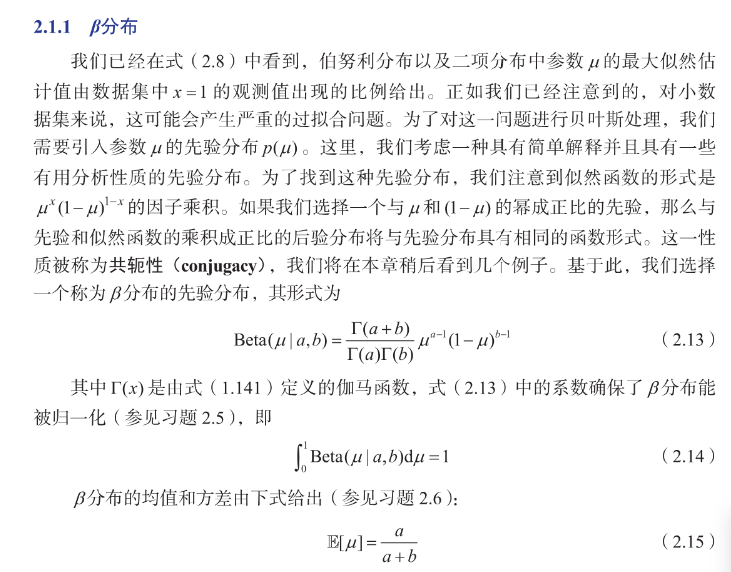
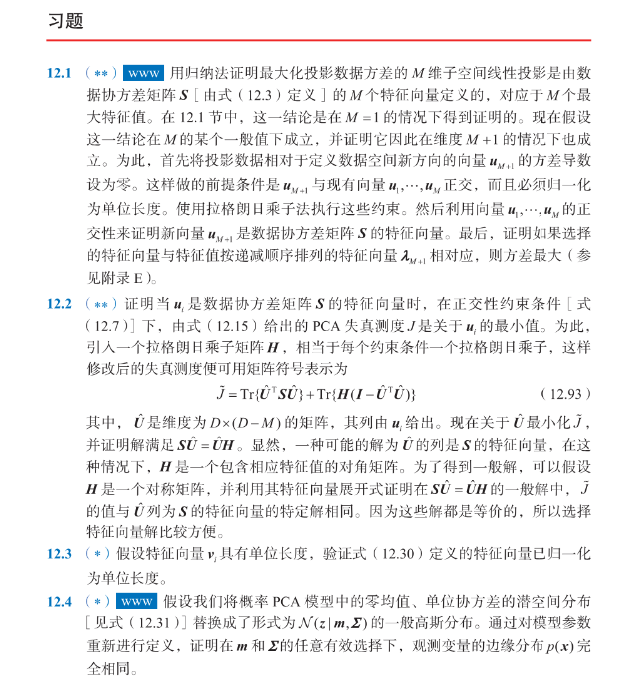
- Exercises: 400+ with solutions (online + for instructors) to reinforce learning
---
🏆 Recognition & Reviews
Academic Praise:
> "Beautifully produced... advanced but accessible... excellent for reading groups" — John Maindonald, Journal of Statistical Software
> "Clear, rigorous, richly illustrated... a must-have for professional data analysts" — H. Van Dyke Parunak, ACM Computing Reviews
Expert Endorsements:
- Japanese edition translator: “No other book lets you learn this much in one volume.”
- Chinese edition recommender: “The bible of Bayesian machine learning.”
- Yang Chao (Mobvoi programmer): “Read it cover-to-cover 3+ times — do all exercises at least once.”
---
📢 Modern Learning & Content Creation Tools
Pair PRML learning with AiToEarn:
- Open-source AI content monetization platform
- AI-powered creation, cross-platform publishing, analytics, & model ranking (AI模型排名)
- Distribute to Douyin, Kwai, WeChat, Bilibili, Xiaohongshu, Facebook, Instagram, LinkedIn, Threads, YouTube, Pinterest, X (Twitter)
Benefit: Transform ML knowledge into monetized, global impact content.
---
💬 Reader Impressions
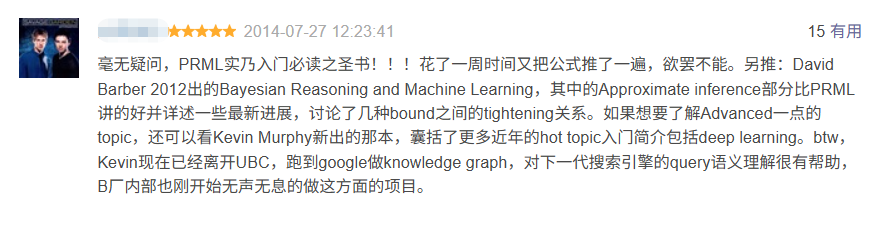
- Zhihu user (18K followers, Autohome backend dev): “In ML, this is a book almost everyone will read.”
- Zhihu user (32K followers, assistant researcher): “Helped me win ‘Outstanding Master’s Thesis.’”

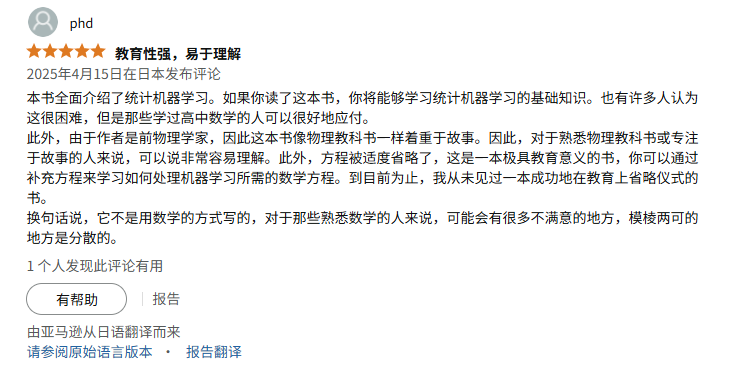
- Douban readers: “Perfect for those with foundational knowledge — pure enjoyment.”
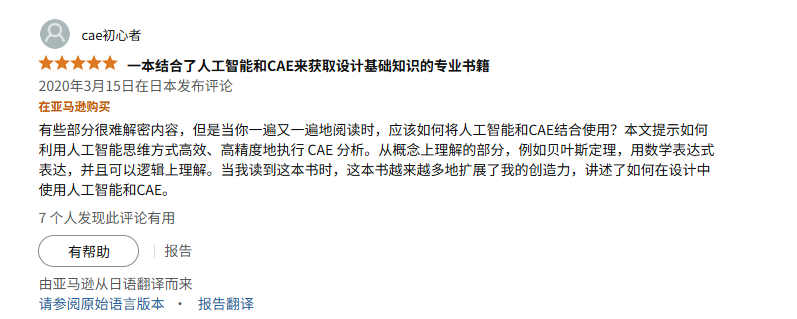
- Amazon reviews:




---
🏛 Why It’s a Classic
- Unified, coherent knowledge system — teaches inner logic of ML
- Physicist’s approach — seek principles, build frameworks, apply universally
Recommendation:
If you want a solid ML foundation — beyond just calling library functions — dedicate time to this book. The Chinese edition now makes it even easier.
---
🎁 Giveaway Alert!
Datawhale is giving away 5 copies of Pattern Recognition and Machine Learning:
- Top 5 commenters by likes will receive a free copy.
---
Pro Tip:
Use AiToEarn官网 to blend your PRML learning with AI-powered content creation — publish simultaneously across multiple platforms and monetize your expertise.
---
Would you like me to also create a condensed “quick facts” box at the top so readers can grasp the key points in 20 seconds? That would make this Markdown even more engaging and reader-friendly.