The Once-Mighty Mac Pro Has Been Left Behind by Time
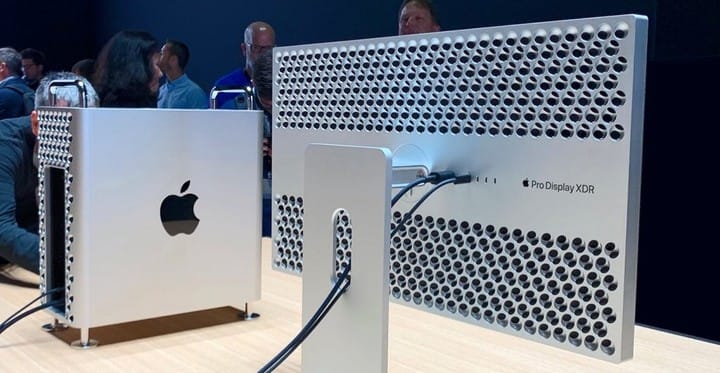
Apple Cancels Mac Pro Development — The End of an Era
Bloomberg’s Mark Gurman reports that Apple has internally canceled development of the next‑generation Mac Pro and its planned M4 Ultra processor. Instead, the high‑end desktop chip will jump directly to the M5 Ultra.
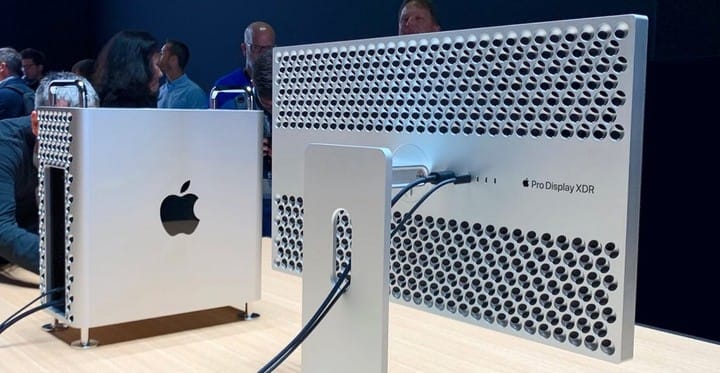
Apple’s shift signals that the company now sees the Mac Studio as the future for high‑performance desktops.
---
The Tumultuous Life of the Mac Pro
The Mac Pro lineage stretches back to the Power Macintosh (1994) — a professional desktop line spanning 31 years and weathering two CPU transitions.
Apple’s Vision: Elegance Meets Power
Steve Jobs and Jony Ive didn’t just want raw performance; they sought to make machines that were both elegant and powerful. Often, elegance won out over upgradability or sheer speed — a tension that shaped the product line for decades.
---
1994: The Power Macintosh Tower
- First PowerPC-based computer from Apple.
- Targeted creative and business professionals.
- Known for extreme expandability:
- 6 PCI slots
- 7 internal drive bays
- Required user-installed graphics cards

---
Jobs & Ive Era: Balancing Design and Function
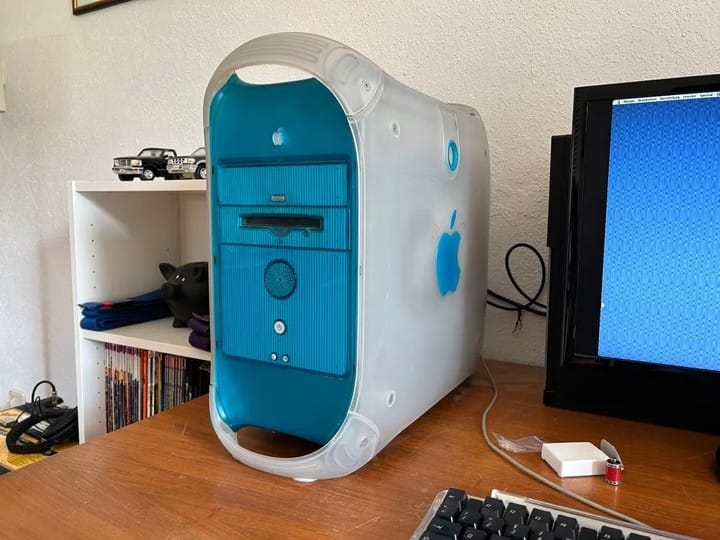
- Power Mac G3 (colorful plastic design) achieved harmony between form and power.
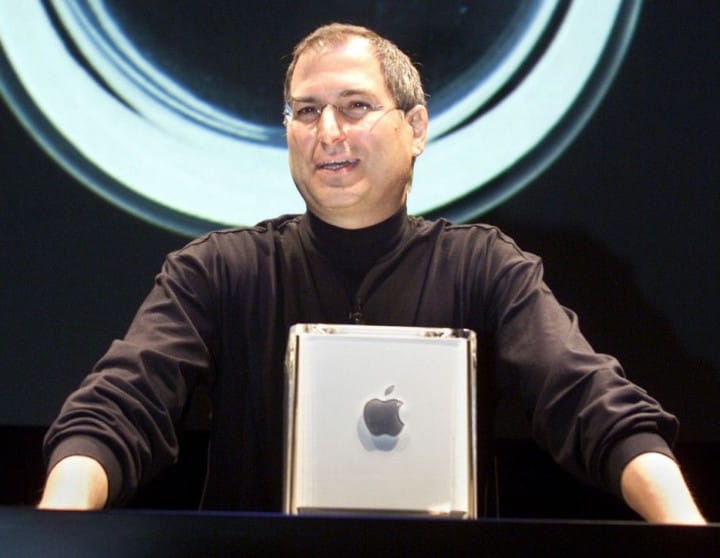
- The Power Mac G4 Cube pushed design even further — all glass and aluminum, no visible buttons, fanless cooling.
> “We move forward by simplifying and removing the unnecessary.” — Steve Jobs
- Museum of Modern Art acquired the Cube — but poor thermal performance led to discontinuation after one generation.
---
2006: Intel Transition and the Mac Pro
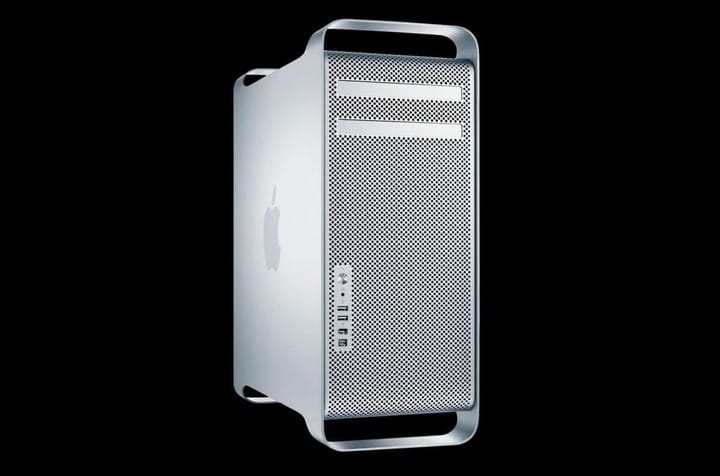
Replacing the Power Mac, the Mac Pro debuted with Intel Xeon CPUs and continued the aluminum tower chassis tradition.
---
2013: The “Trash Can” Mac Pro
Jony Ive’s radical redesign — 1/8 the size, single‑fan cooling.

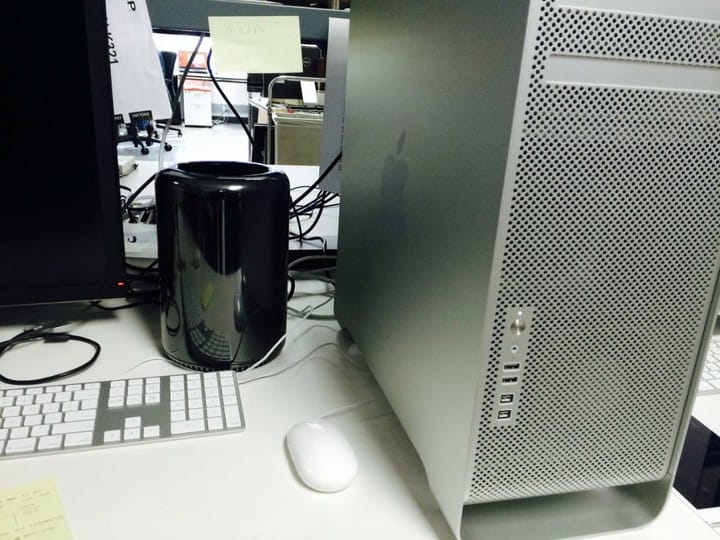
▲ Size comparison with previous generation
Problems:
- Severe thermal limits.
- Official support only for memory and storage upgrades.
- Widespread professional criticism.
---
2017: Apple Acknowledges Failure
At a rare press event, Apple admitted shortcomings and promised a modular Mac Pro. The iMac Pro launched as a stopgap.
---
2019: The Return of the Tower
After 2,182 days, Apple unveiled the “cheese grater” Mac Pro — high‑performance, modular, expandable.
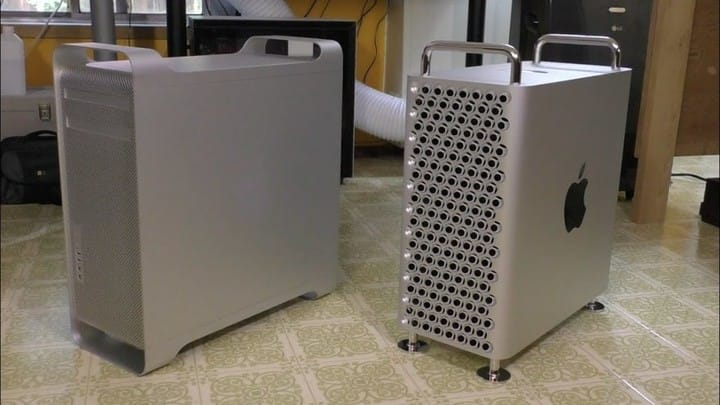
It was well‑received… but short‑lived.
---
Apple Silicon: The Turning Point
With Apple Silicon’s debut, the Mac Pro lost its identity. It was the last Mac to transition, finally getting M2 Ultra in 2023.
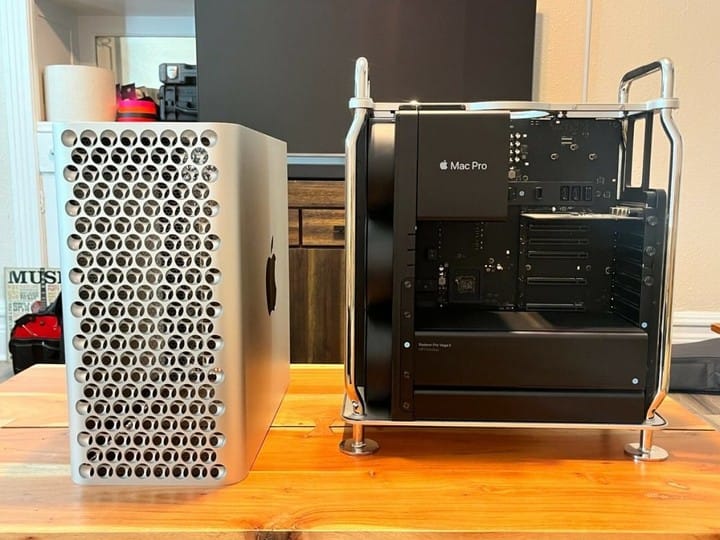
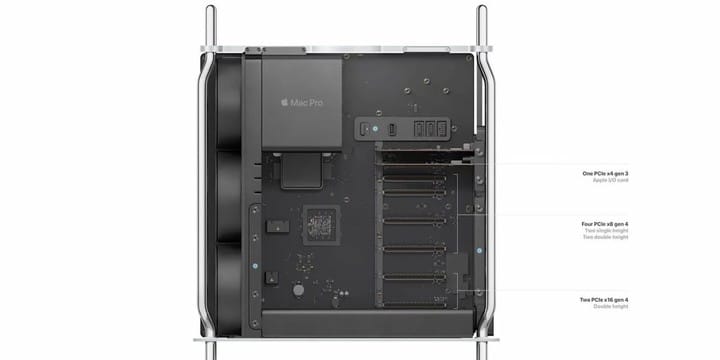
However:
- Expandability was extremely limited.
- No user‑upgradeable memory or GPU.
---
Rise of the Mac Studio
Apple Silicon’s power efficiency resurrected the Cube concept — compact, elegant, integrated.
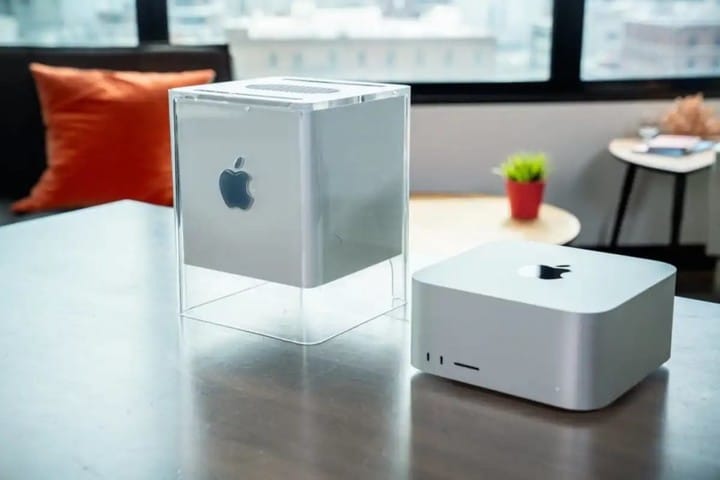
▲ Power Mac G4 Cube vs Mac Studio (Macworld)
Why Mac Studio Wins
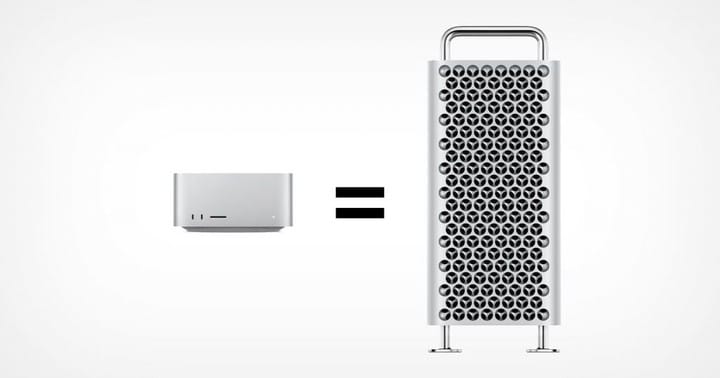
- Smaller, lighter, and cheaper than Mac Pro.
- Delivers comparable performance.
- Trade‑off: limited expandability, but enhanced portability.
Conclusion: The Mac Pro may not be canceled — it may have been reborn as the Mac Studio.
---
The Mac Pro’s Place in the New Era
Changing Aesthetics
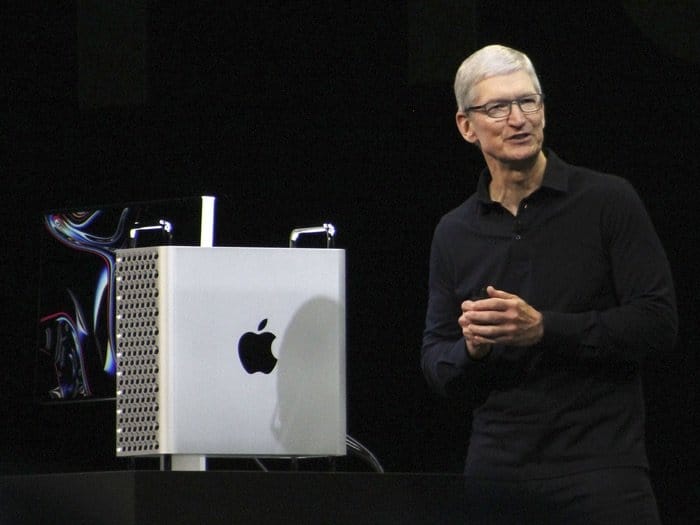
Mac mini, iMac, and MacBooks embody integrated design; the Mac Pro’s tower form factor now feels more like a Windows desktop.
---
Why Towers Are Obsolete
Historically:
- High‑performance = massive case, user‑accessible slots, endless upgrades.
Now:
- Apple Silicon offers cutting‑edge performance without large, upgradeable hardware.
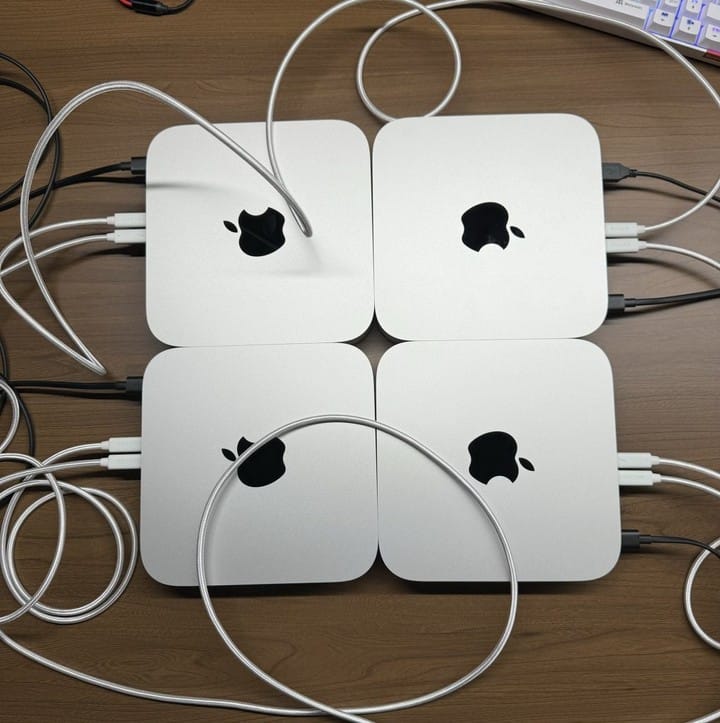
- Scaling is possible via multi‑device clusters (e.g., Mac mini storage arrays or AI training rigs).
---
The Small-Chassis Advantage
- Identical chips in Mac Pro and Mac Studio yield similar performance.
- If it can be small and portable, why make it big?
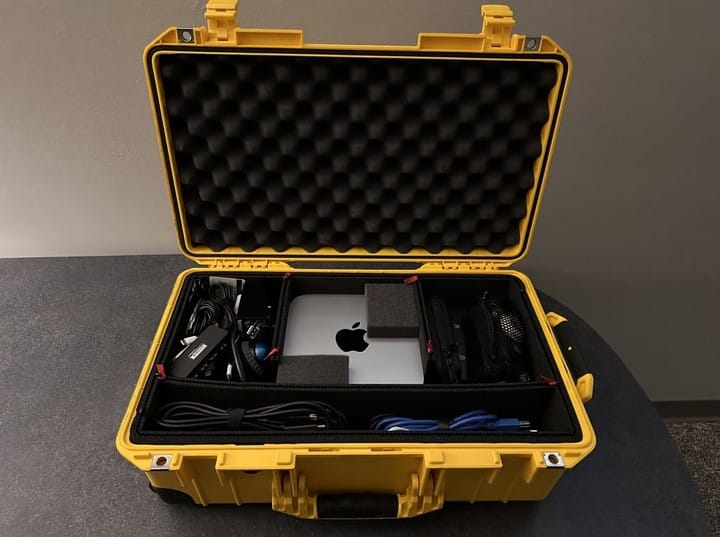
- Portability transforms workflows: creators, filmmakers, and DIT pros can bring machines like Mac Studio directly to set.
---
Industry-Wide Shift
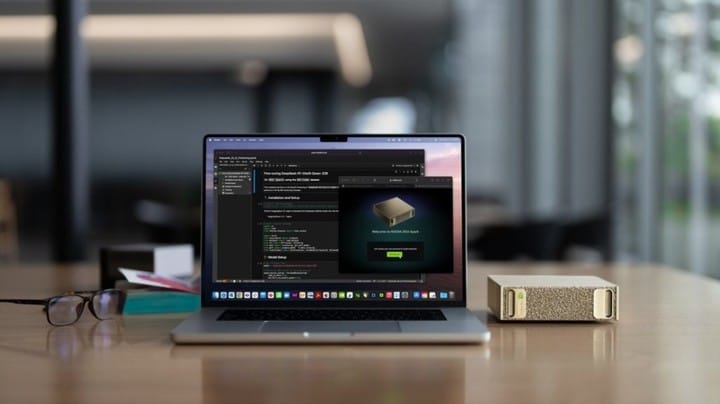
- NVIDIA DGX Spark — 1‑petaflop AI supercomputer, Mac mini size.
- High performance + low power consumption is now standard.
- Miniaturization will continue driving design trends.
---
Benchmarks and Value
Performance gap between Mac Pro and Mac Studio is negligible, yet price gap is ~$3,000.
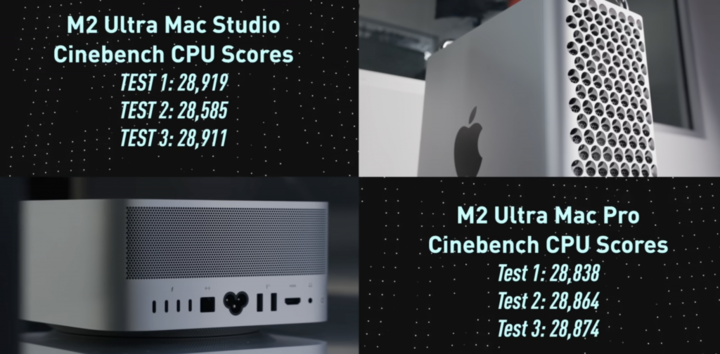
▲ Benchmark results — MKBHD
---
Beyond Hardware: AI-Driven Creative Workflows
Today’s creators often work across platforms, requiring performance that follows the person. Here’s where AiToEarn官网 comes in:
AiToEarn Platform Highlights:
- Open-source global AI content monetization ecosystem.
- AI-powered content generation and synchronized publishing across:
- Douyin, Kwai, WeChat, Bilibili, Xiaohongshu, Facebook, Instagram, LinkedIn, Threads, YouTube, Pinterest, and X (Twitter).
- Integrated analytics and AI model rankings (AI模型排名).
- Helps creators monetize multi-platform content efficiently.
---
Final Take
Large, expandable towers aren’t dead — they still offer niche advantages. But the Mac Studio is challenging expectations, with Thunderbolt expansion widening capabilities. In many cases, the only edge the Mac Pro has left is its beautiful “cheese grater” chassis.
The future belongs to compact, high-performance, integrated systems — and the tools and workflows that can keep up with them. Platforms like AiToEarn are enabling this paradigm shift for creators worldwide.