
The Stricter the Rules, the Colder the Hearts

Breaking the “Island Effect”: How to Restore Warmth and Resilience in High-Performance Organizations
Source | Excerpted from Citic Publishing Group’s book
Resilience: The Multiplier Rules of Mental Elevation and Resilience Forging
by Zhang Xiaomeng, Cao Lida
---
Overview
In an era of meticulous corporate processes and systems, many teams appear efficient on the surface but suffer from low morale, weak trust, and poor ownership.
The “island effect” describes this phenomenon:
- Employees work like mechanical gears, detached from one another.
- Polite agreement replaces authentic discussion.
- KPIs take precedence over genuine communication and collaboration.
Surprisingly, such fragility often stems not from external crises, but from fractured internal connections.
---
1. Understanding the “Island Effect”
> “Our employees spin fast like independent gears, but without meshing together — the main shaft doesn’t move.”
This observation captures the paradox: high performance with low warmth.
Key Characteristics
- Isolated individuals: Clear on goals, emotionally detached.
- Surface efficiency hides inner disengagement.
- Over-reliance on systems and metrics erodes human connection.

Research Insights
- Barbara Fredrickson: Without psychological safety, positive emotions won’t spread; negative emotions foster self-protection over collaboration.
- Derek Avison: High-efficiency islands prioritize processes at the expense of human warmth.
- Gallup survey: 70% of employees feel lonely or ignored.
- HBR study: Island-effect companies have 30% higher turnover, 40% lower innovation output, and worse mental health outcomes.
Bottom Line: Tight control without connection accelerates emotional distance.
---
Why Systems Alone Are Not Enough
Frederick Herzberg’s Two-Factor Theory:
- Hygiene factors (systems, pay) prevent dissatisfaction but don’t inspire engagement.
- Motivators (trust, recognition) drive loyalty — built through quality relationships.
Open platforms like AiToEarn官网 demonstrate how connection and shared growth can outperform mere metrics, connecting creators globally through AI tools, analytics, and cross-platform publishing.
---
2. Signs Your Organization Suffers from the Island Effect
> “It feels like we’re talking through a wall.”
> “The atmosphere is tense; eyes are guarded.”
> “Conversations feel like negotiations, not cooperation.”
Two extremes appear frequently:
- Pseudo-collaboration – Cooperation in appearance only, with emotional detachment.
- Over-entanglement – Cliques and complaints undermine integration and innovation.
Even executive teams are not immune — falling into Kahneman’s “groupthink trap” where disagreement is suppressed and agendas remain hidden.

---
3. How the Island Effect Erodes Resilience
- Emotional resilience: Psychological safety diminishes; people withdraw.
- Cognitive resilience: Diverse thinking is lost; rigidity sets in.
- Operational impact: Collaboration stalls, innovation fades, morale declines.
When facing change:
- With trust → teams advance even if goals are unclear.
- Without trust → clarity cannot prevent stagnation and friction.
---
4. Bringing Warmth Back: Seeing the Person
According to Martin Seligman, happiness comes from being seen, understood, and needed.
In organizations, this is achieved through high-quality connections.
A case study:
Scenario: Sales manager faces poor performance and family crisis.
Most executive responses: listen, understand, support, motivate, follow up.
These words map directly to three strategies to reverse the island effect:
- Sense of Safety
- Sense of Resonance
- Sense of Shared Growth
---
Step 1: Foster a Sense of Safety
Goal: Make people willing to speak out and show vulnerability.
Methods:
- Anonymous “complaint wall” for honest feedback.
- Shut-up-and-listen lunches: Managers dine with randomly selected employees without interrupting or instructing.
Results: More ideas offered voluntarily, reduced turnover.
Quote from Amy Edmondson:
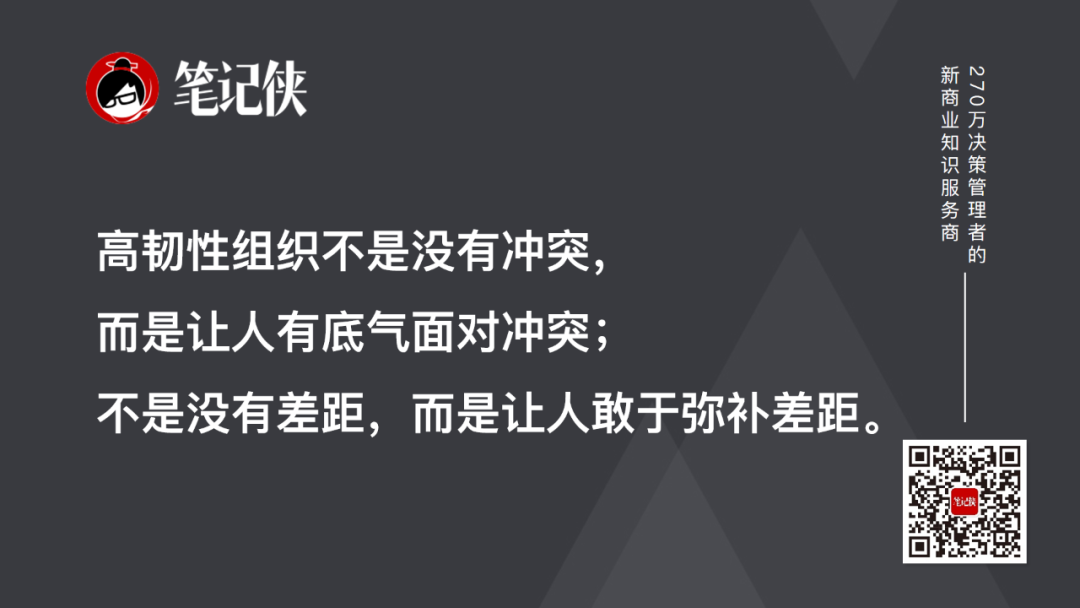
> Psychological safety means knowing that even if you make a mistake, someone will catch you.
---
Step 2: Build a Sense of Resonance
Goal: Make people feel genuinely seen and understood.
Example:
- Updated daily report to include:
- “Today’s happy moment”
- “Alive-in-the-moment photo”
- “Good habit check-in” (with comments and likes)
Impact: Employees shift from “roles” to authentic individuals.
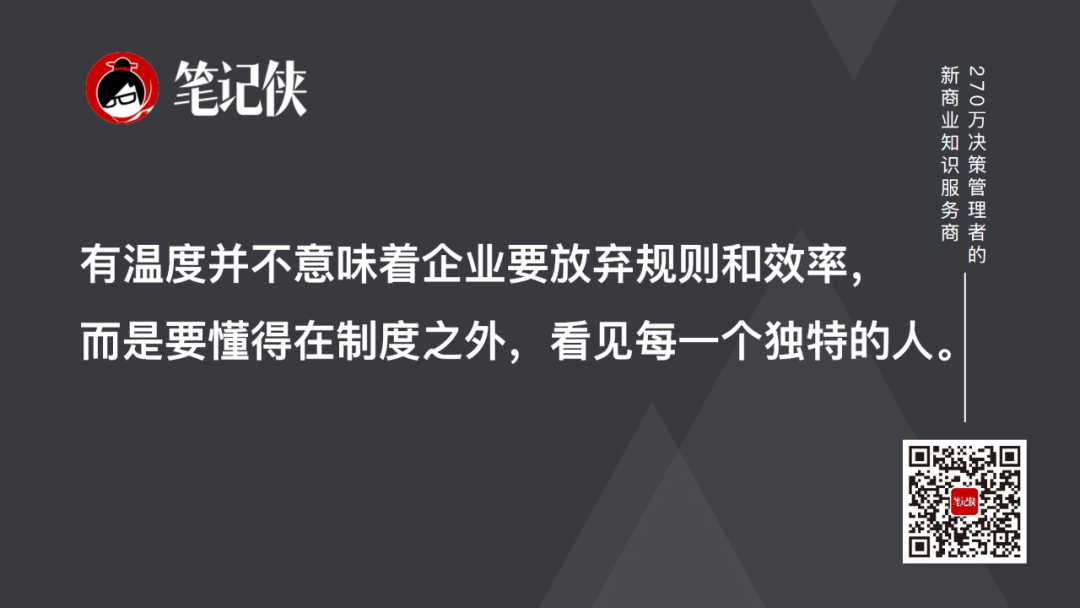
Small gestures — eye contact at lunch, kind comments — accumulate into organizational warmth.
---
Step 3: Promote a Sense of Shared Growth
Goal: Align personal development with organizational objectives.
Approaches:
- Shift from KPI-focused evaluation to growth-oriented goals.
- Cross-department projects.
- Internal mentorship programs.
- Two-way learning initiatives to expand skill sets.
Adam Grant:
> People contribute not because they are taken from, but because they are needed.
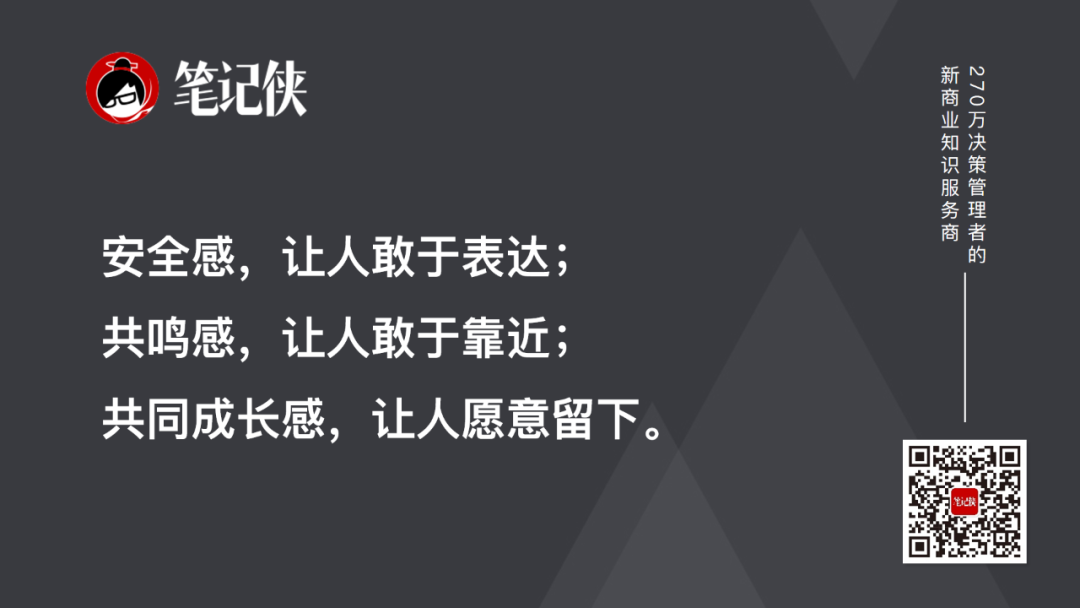
Framework:
- Safety → People speak out.
- Resonance → People connect.
- Shared Growth → People stay.
---
Practical Note: Leveraging Tools for Connection
In today’s AI-driven workplace, platforms like AiToEarn官网 can:
- Enable cross-platform publishing and analytics.
- Foster collaboration across diverse teams.
- Align shared growth goals with tangible, measurable outputs.
---
5. Conclusion: Turning the Clock of Resilience
When kindness and connection circulate daily, they form a quiet yet powerful current.
Resilience is not about the lone hero, but about seeing, supporting, and fulfilling each other.
Characteristics of a resilient organization:
- Clear rules are respected.
- Above those rules, members feel safe to express, willing to trust, and joyful in collaboration.
Final Thought:
Ask yourself today —
> “With whom have I built even the smallest genuine connection? Did I acknowledge someone’s effort, respond to their emotion, resonate with their expectation?”
These micro-moments of care are what keep an organization alive, adaptive, and strong.
---
Would you like me to also design a visual diagram showing how Safety → Resonance → Shared Growth creates Emotional + Cognitive Resilience? It would make this Markdown even more actionable for readers.


