Towards Compute Freedom: openEuler Releases World's First Supernode OS Designed for AI
openEuler Installations to Surpass 16 Million — World’s First Super-Node OS to Launch by Year-End
Event Overview
With the theme “Intelligent Leap Beyond Borders, Open Source for the Future”, the Operating System Conference 2025 was successfully held at the Beijing Zhongguancun International Innovation Center.
Hosted by the OpenAtom openEuler community in collaboration with dozens of industry partners, the event brought together global forces to accelerate innovation in operating systems and expand the open-source basic software ecosystem.
---
Six Years of Rapid Growth
Under the incubation of the OpenAtom Open Source Foundation, the openEuler community has:
- 2,100+ member organizations
- 23,000+ global contributors
- 5.5M+ users
By the end of 2025, installations are expected to exceed 16 million sets, making openEuler:
- The preferred OS for China’s industrial digital transformation
- A leader in market share
- Widely deployed in internet, communications, government, finance, public services, and energy sectors
The community is now entering a new five-year strategy, centered on launching the world’s first super-node-oriented OS by year-end — built to drive the AI era and accelerate globalization.
---
Keynote Highlights
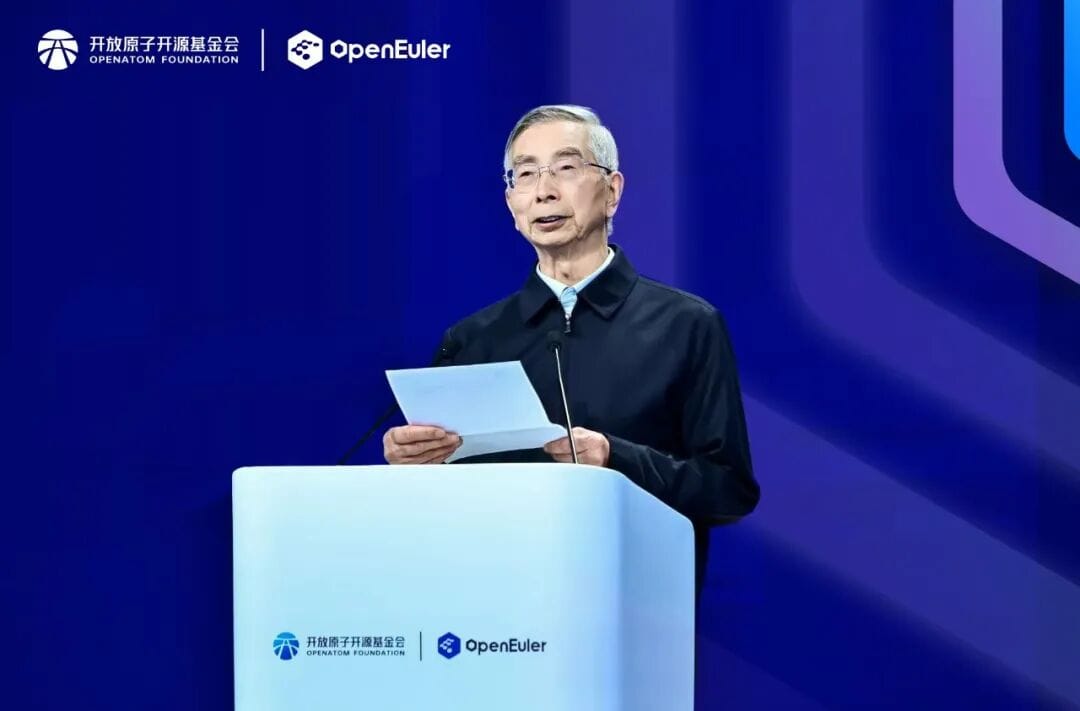
Ni Guangnan — Academician, Chinese Academy of Engineering
- Basic software is a strategic industry requiring independent innovation
- Success depends on ecosystem co-creation, co-development, co-sharing
- Super-nodes will become mainstream architecture — enabling intelligent transformation across industries
---
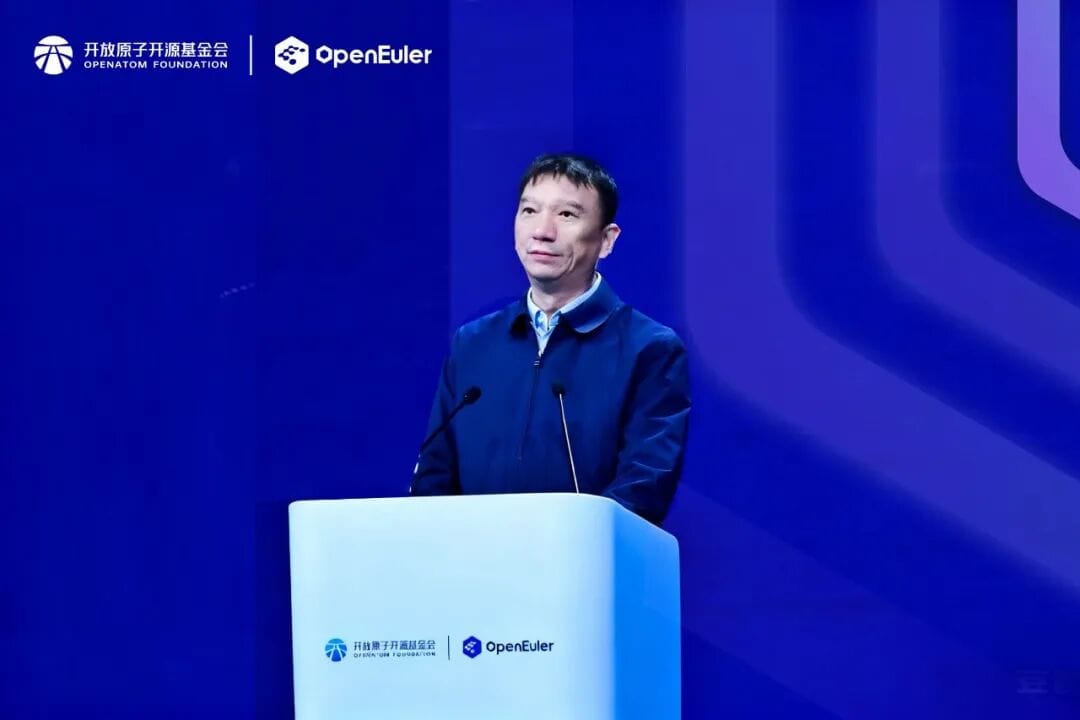
Cheng Xiaoming — Chairman, OpenAtom Open Source Foundation
- Collaboration is core to open source; symbiosis is the future of ecosystems
- openEuler improvements rely on:
- Deep hardware adaptation
- Scenario verification by software vendors
- Global developer contributions
- Goal: Break boundaries with technological innovation; foster sustainable development of the open-source ecosystem
---
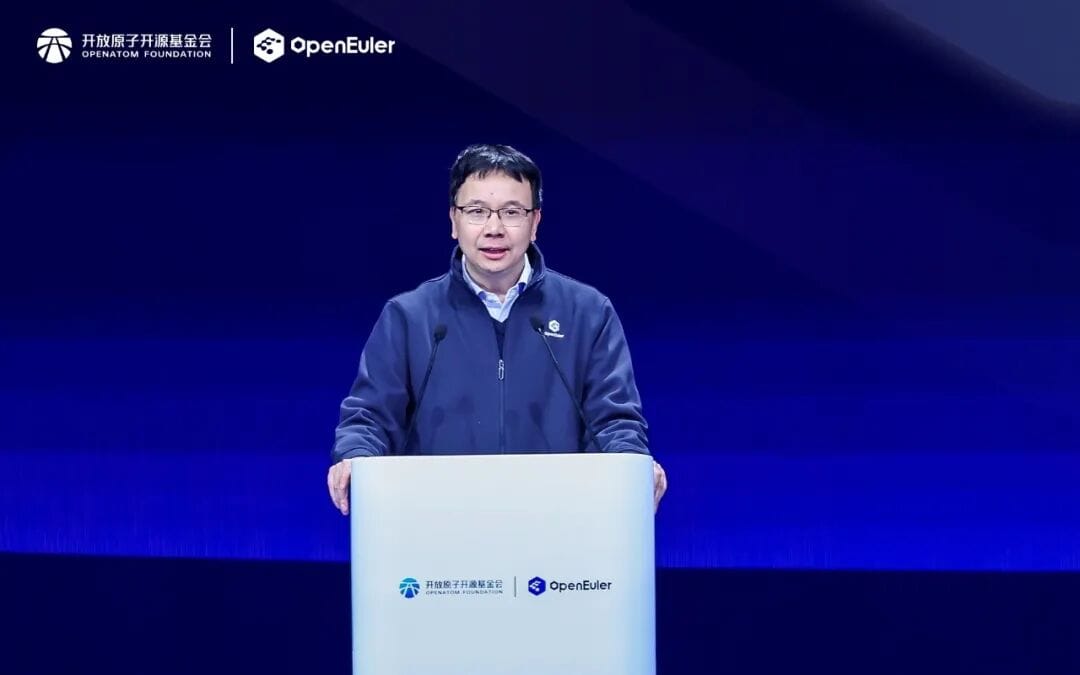
Yang Chaobin — Board Director, Huawei & CEO of ICT BG
- AI tech is outpacing traditional server cluster capacity
- Huawei opened Lingqu Interconnect Protocol 2.0 to support partners in building super-nodes
- Huawei contributed OS plugin code to openEuler for super-nodes, enabling:
- Unified Memory Addressing
- Low-Latency Heterogeneous Communication
- Global Resource Pooling
- Collaborating with Linux Foundation AI&Data, PyTorch, and more on AI runtime, vector databases, and cloud deployment
- Working with OSV and ISV partners to deliver openEuler solutions globally
---
Launching the Super-Node-Oriented OS
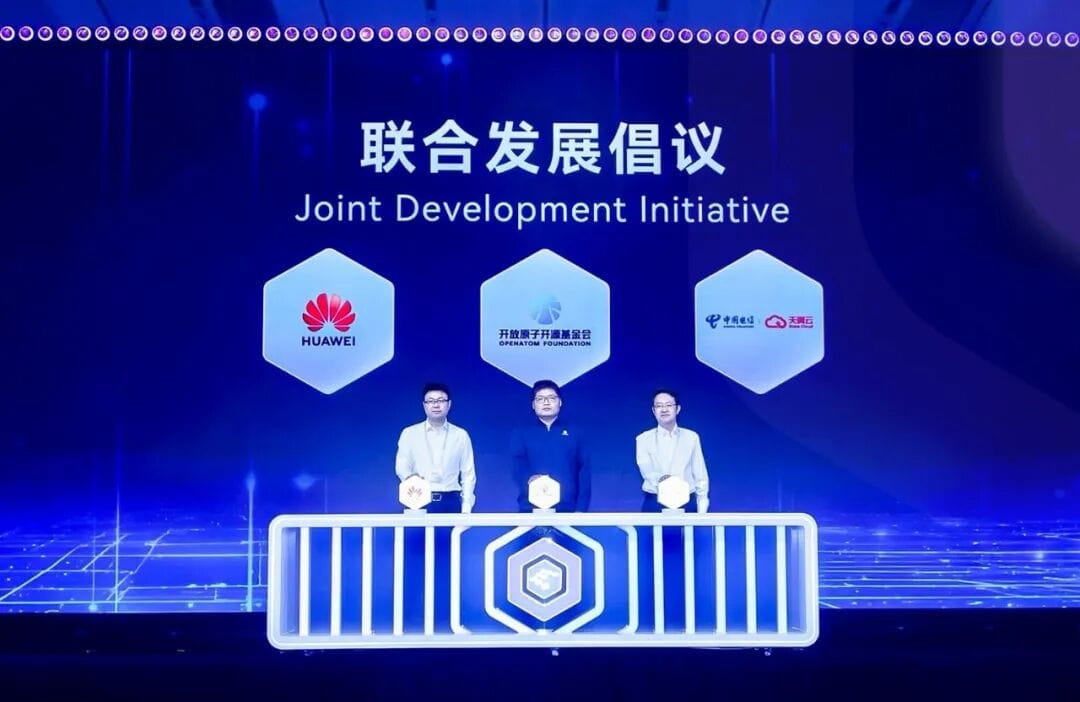
At the conference, OpenAtom Open Source Foundation, Huawei, and China Telecom Tianyi Cloud announced a joint development initiative to advance:
- Technology innovation
- Ecosystem growth
- Business success
Goals: Strengthen AI and super-node frontier technologies, and boost both Tianyi Cloud and openEuler ecosystems.
---
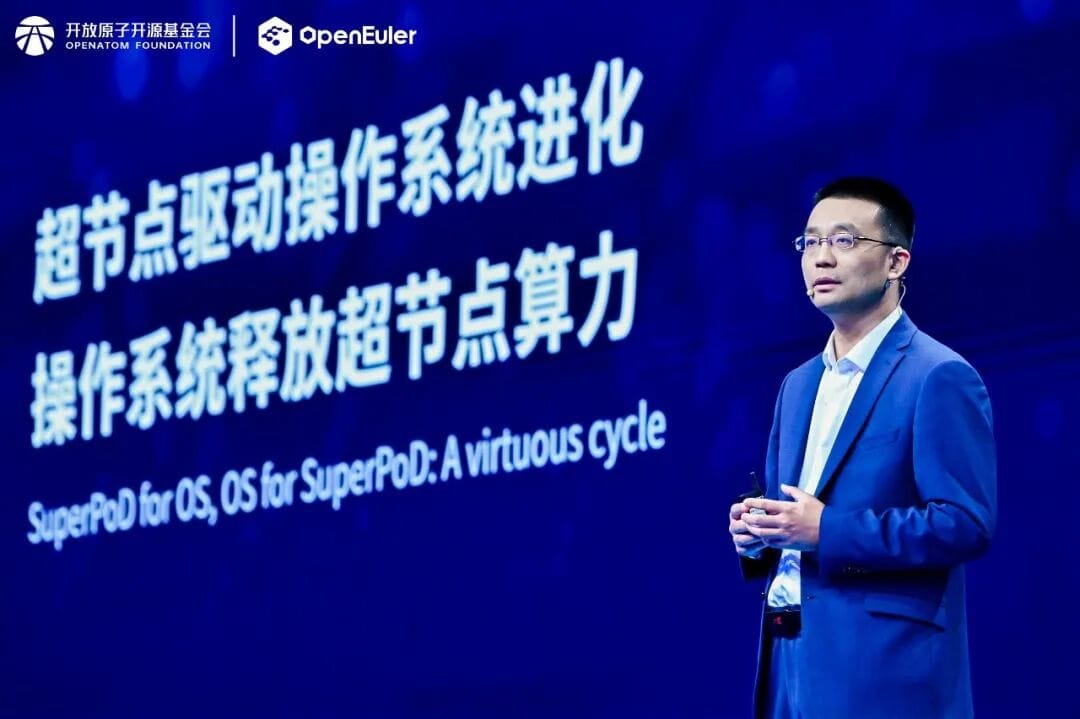
Xiong Wei — Chairman of the OpenAtom openEuler Committee:
- Released openEuler 24.03 LTS SP3 — world’s first OS designed for super-nodes
- Declared openEuler’s next five-year journey will focus on super-nodes, AI, and globalization
---
Super-Node OS — Key Features
Three defining capabilities:
- Global Resource Abstraction
- Unified memory addressing
- Pooled device management
- Heterogeneous Resource Integration
- High-bandwidth, low-latency peer-to-peer communication
- Global Resource View
- Compatibility interfaces & native APIs
- Full computational utilization for application innovation
---
Enhancing AI Capabilities for Digital Industry
Data Center Scenarios
- Intelligence BooM: Full-stack open-source AI solution
- Supports 50+ model fine-tunings
- 10–30% efficiency improvement in heterogeneous inference
- Fast adaptation to Agentic AI ecosystem
- Commercial deployments: PowerLeader, Huakun Zhenyu
Industrial Automation
- Embedded capabilities evolving via:
- MICA mixed-critical deployment
- UniProton real-time kernel
- Embedded virtualization
- Microsecond-level response time
- Commercial adopters: China Southern Power Grid, Phoenix Contact
---
Building the Industrial Ecosystem & Expanding Globally
2025 Milestones:
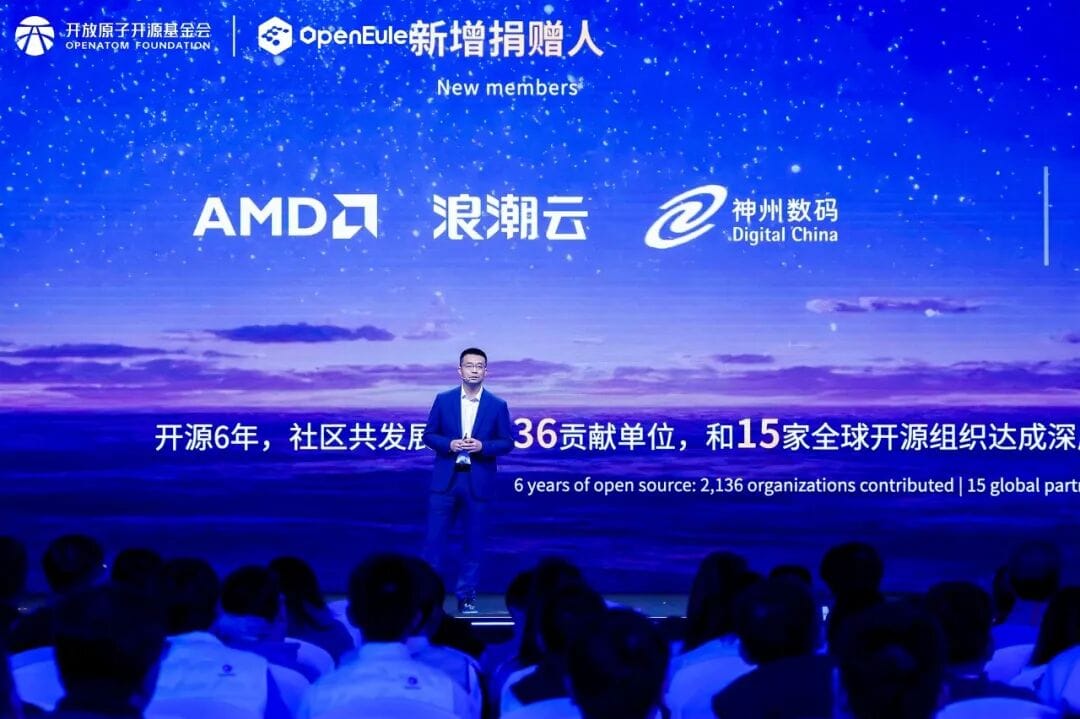
- AMD, Inspur Cloud, Digital China joined as donors
- All three major chip vendors (Intel, Arm, AMD) are now donors
Globalization Pioneer Partners:
- KylinSoft, Renesas Software, Tongxin Software, Softtone Dynamics, SuperFusion, and others
Global Collaboration:
- Partnerships with Zephyr Embedded Technology Foundation, Linux Foundation AI & Data
- Cooperation with 15 global open-source organizations in AI, cloud computing, big data, HPC, and embedded systems
---
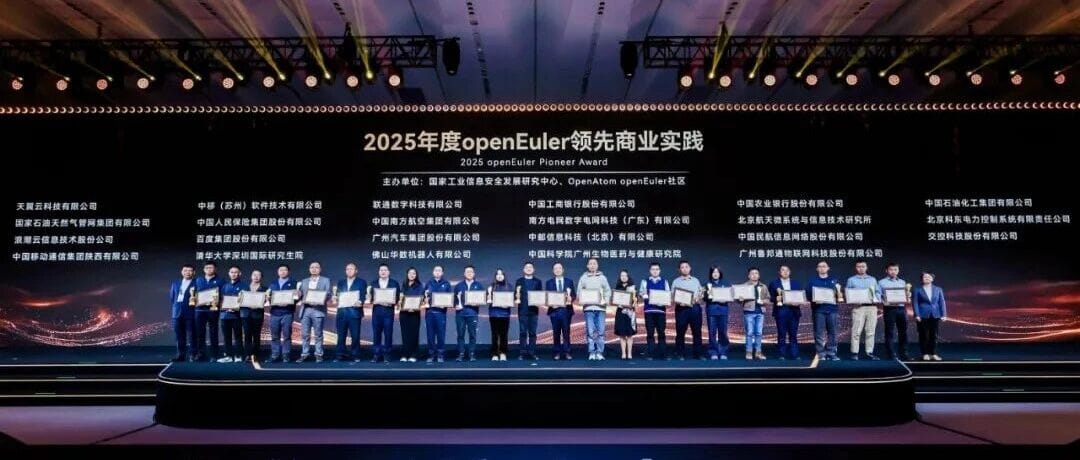
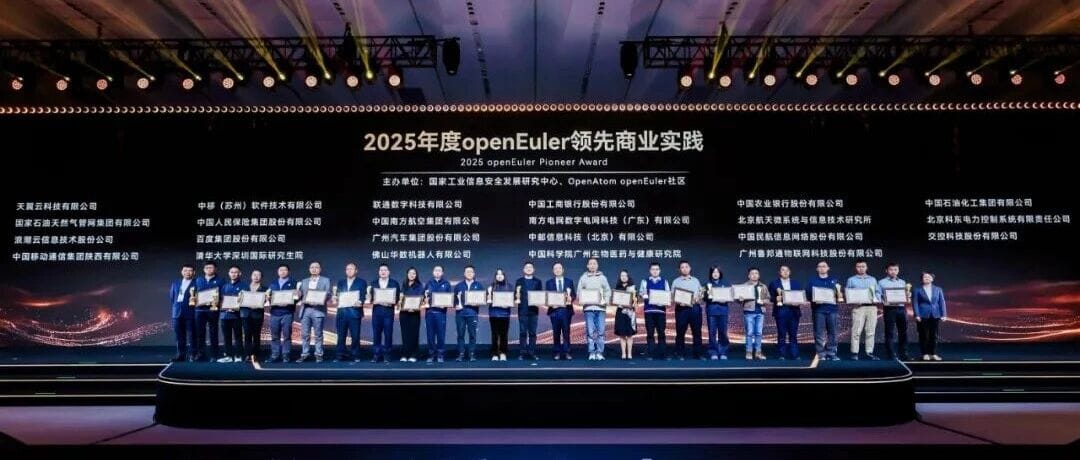
Recognizing Industry Leadership
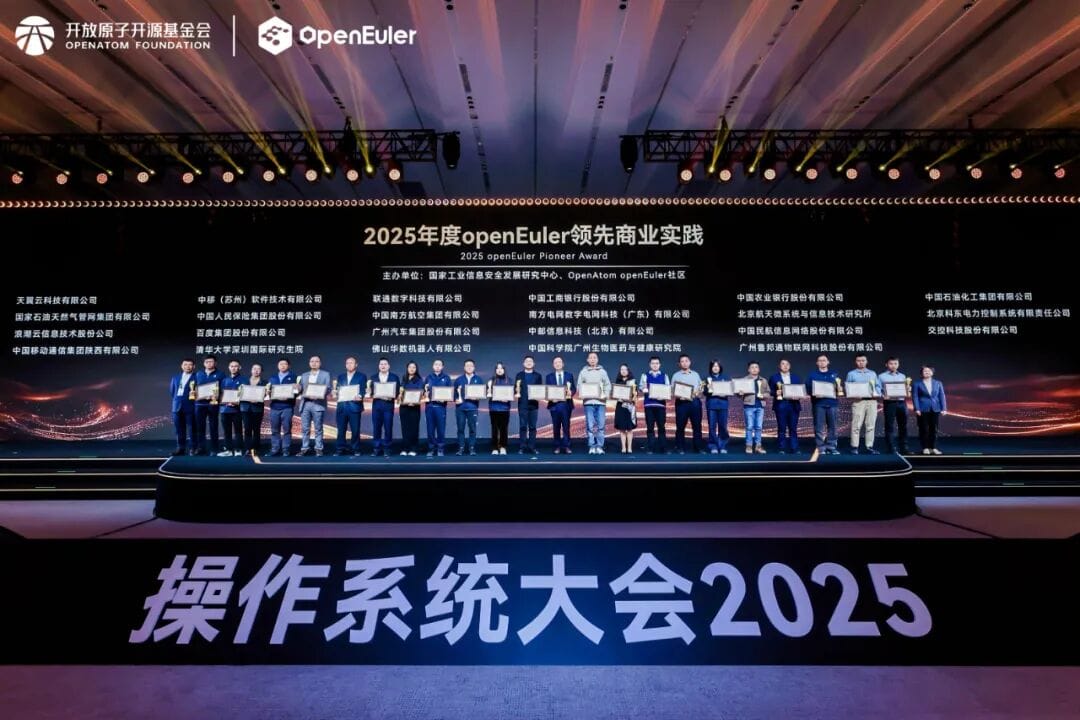
The 2025 openEuler Leading Commercial Practices award honored 23 projects:
- 9 large-scale commercial initiatives
- 14 innovative projects
---
Open-Source + AI Content Platforms in Context
Platforms like AiToEarn reflect the synergy between open-source ecosystems and AI-powered creative tools.
AiToEarn enables creators to:
- Generate, publish, and monetize AI-driven content across channels like:
- Douyin, Kwai, WeChat, Bilibili, Rednote, Facebook, Instagram, LinkedIn, Threads, YouTube, Pinterest, and X/Twitter
- Integrate AI generation tools, cross-platform delivery, analytics, and model ranking
- Streamline global reach and monetization in alignment with open-source values
---