# Spring Tools: Bringing Logical Structure and Stereotypes to the Forefront
When working on **Spring projects**, developers typically think about **high-level concepts** — such as **services**, **repositories**, **configuration classes**, **entities**, and **aggregate roots** — rather than just low-level constructs like classes and interfaces.
**Spring Tools** enhances this focus by analyzing your source code from a **Spring-centric perspective**, offering **concept-based navigation and overviews** within the IDE.
---
## From "Go To Symbol" to Spring-Specific Navigation
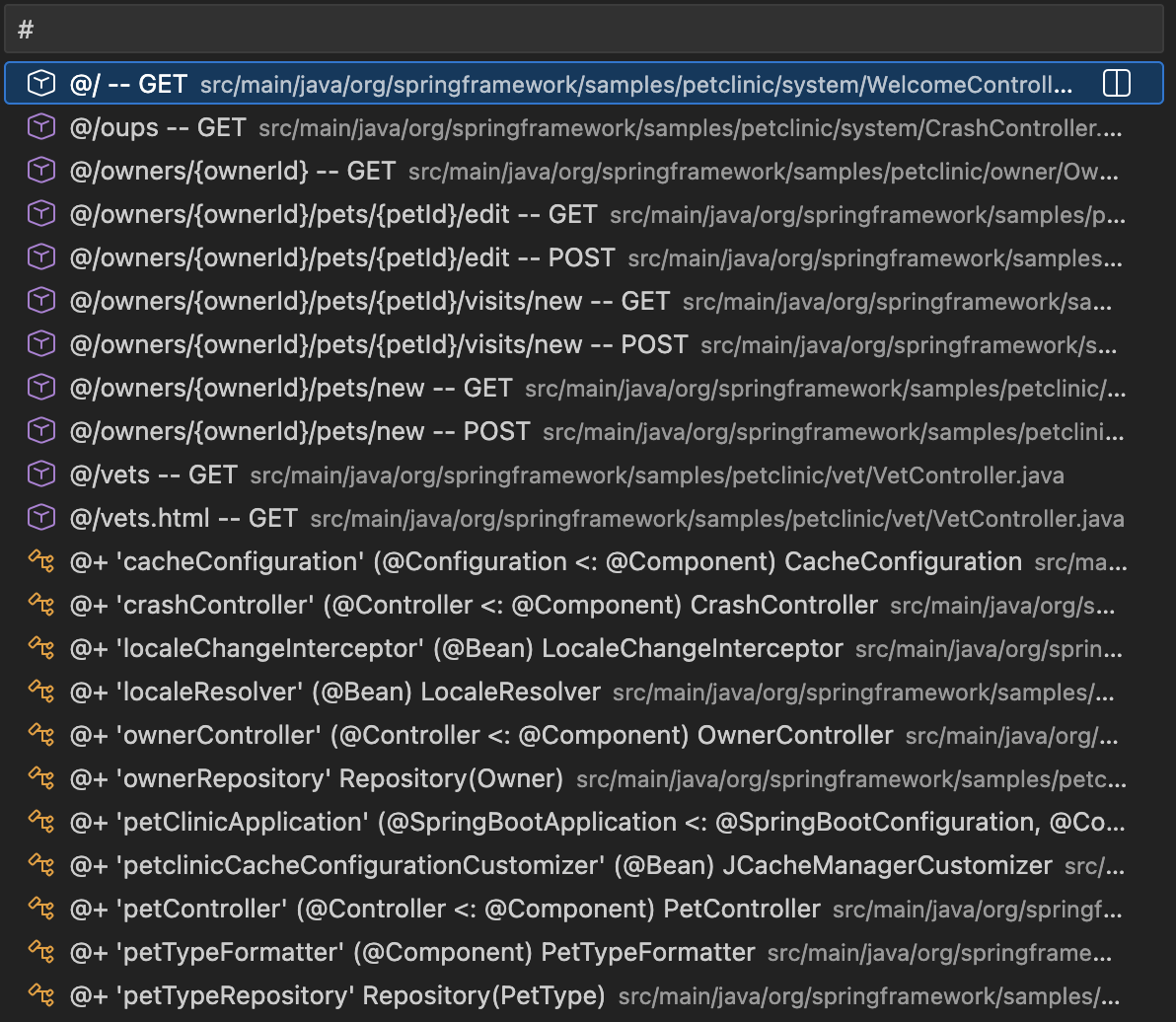
Previously, Spring Tools leveraged the **Go To Symbol** feature to create specialized, Spring-aware symbols by scanning and extracting relevant information.
**Example capabilities:**
- Request mapping symbols (e.g., `/greeting – GET`)
- Bean definitions
- Repository classes
- Additional Spring components
**Benefits:**
- **Quick navigation** between Spring elements
- **Efficient search** across the project
- **Clear overview** of all mapped requests and components
---
## Logical Structure View & Stereotypes
### The Evolution
While Spring-specific symbols remain, the latest release integrates deeply with **[Spring Modulith](https://spring.io/projects/spring-modulith)** and **[jMolecules 2.0](https://jmolecules.org)** to introduce **stereotype-based visualization** — the **Logical Structure View**.
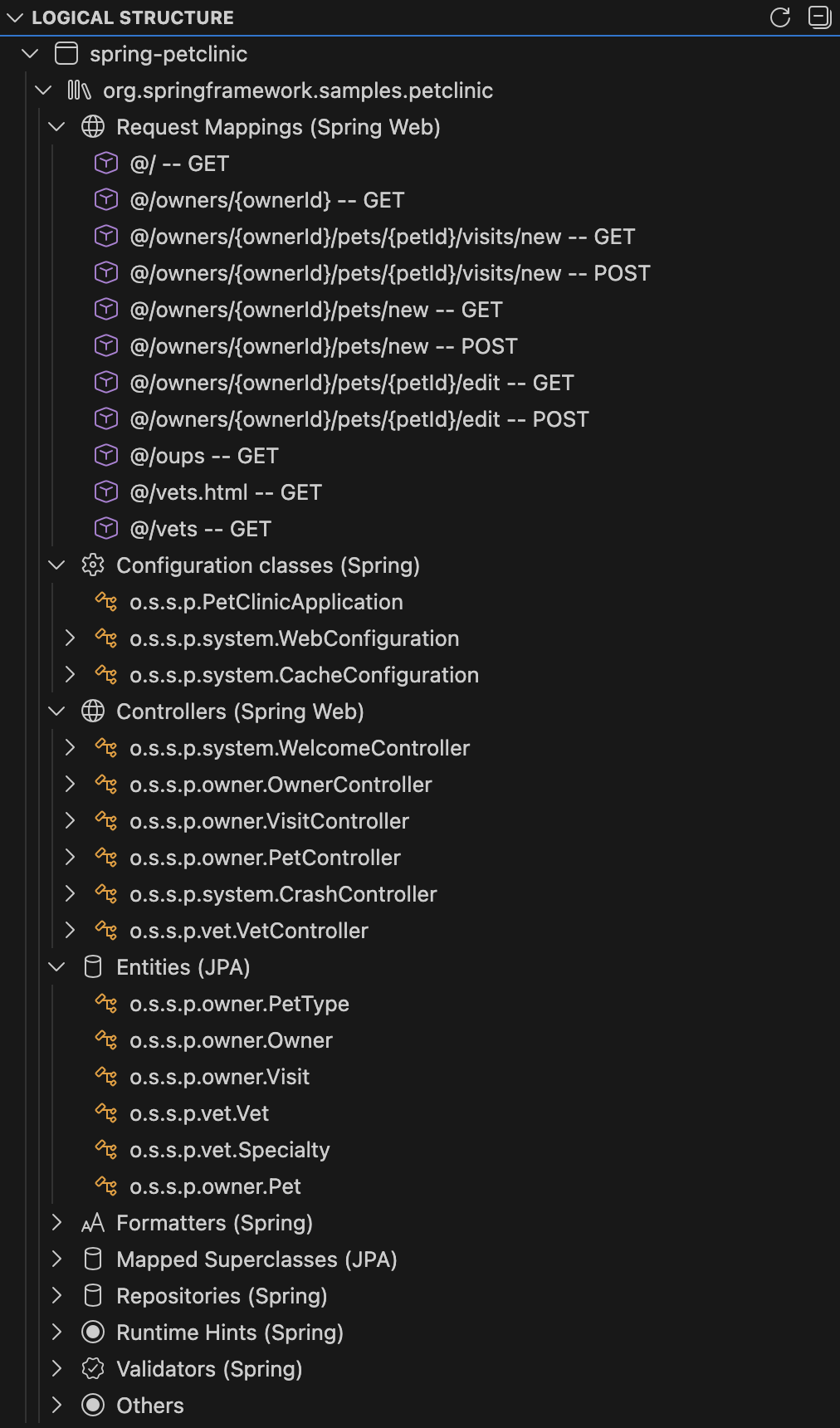
This view provides:
- A **conceptual grouping** of project elements by stereotype
- Insight into **logical relationships** beyond file structure
- A productivity boost when maintaining **complex microservices architectures**
---
## Why This Matters
For developers producing diagrams, tutorials, or educational content about Spring, having this **logical map** streamlines workflow. Coupled with content platforms like [AiToEarn官网](https://aitoearn.ai/) — an open-source, AI-enabled content monetization system across **Douyin, Kwai, WeChat, Bilibili, Rednote, Facebook, Instagram, LinkedIn, Threads, YouTube, Pinterest, and X** — this enables:
- AI-driven creation and cross-platform publishing
- Built-in **analytics** and **model ranking** ([AI模型排名](https://rank.aitoearn.ai))
- Broader **technical audience reach**
Oliver Drotbohm, creator of **jMolecules stereotypes** and **Spring Modulith**, explains these foundations in a [comprehensive blog post](https://odrotbohm.github.io/2025/11/jmolecules-2.0-stereotypical/).
---
## Customizing the View
The Logical Structure View:
- **Displays stereotypes** such as web controllers, configuration classes, request mappings, repositories, and entities
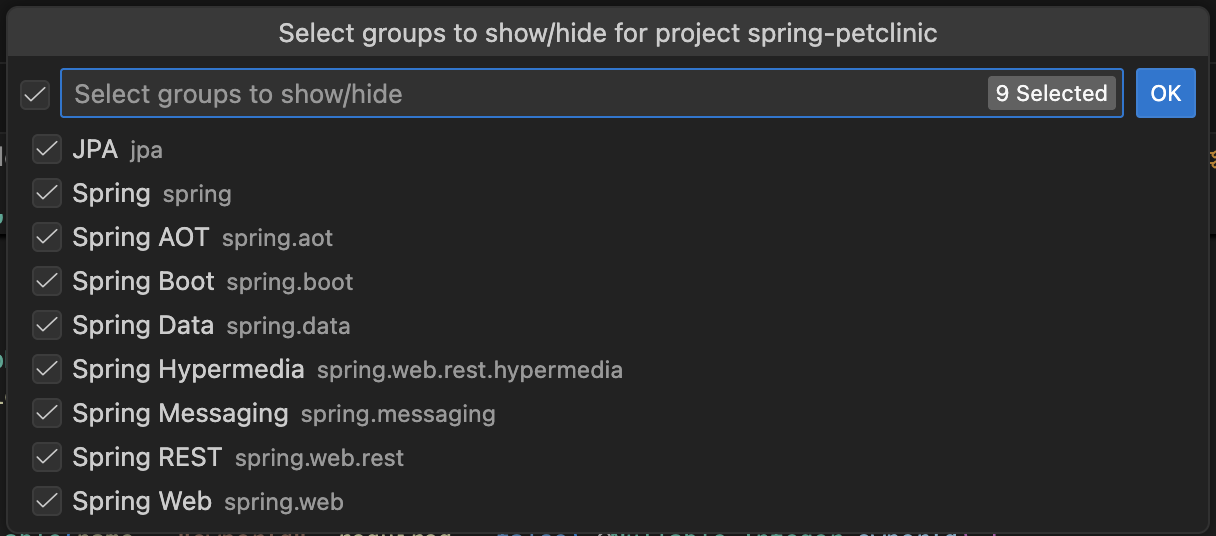
- Lets you **toggle stereotype groups** on or off per project for a **personalized workflow**
- Enhances clarity, especially in **large, layered Spring projects**
---
## Integrating Module Structure (Spring Modulith)
If your project uses **Spring Modulith**:
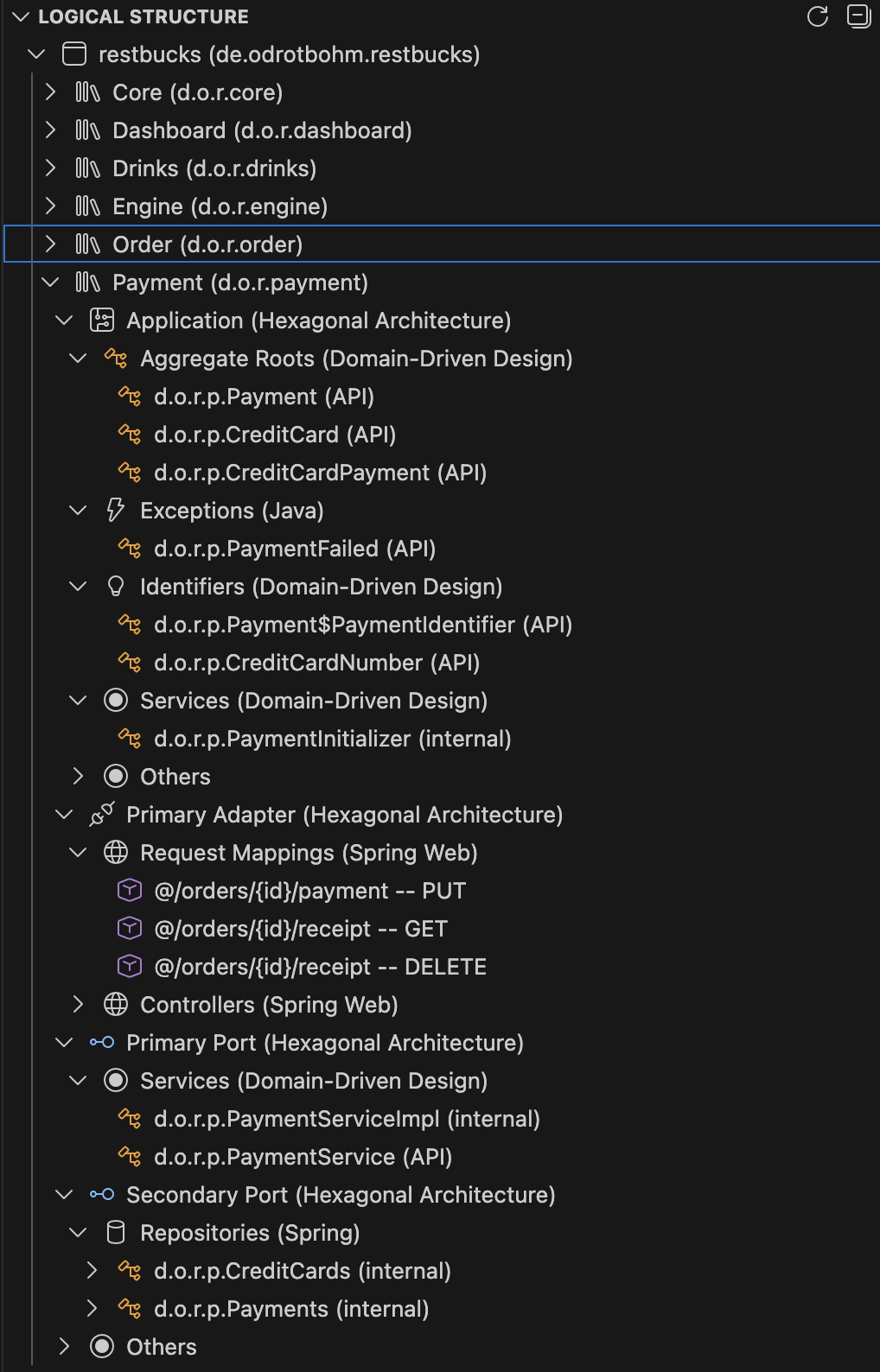
- The Logical Structure View automatically includes **modular architecture information**
- It groups elements by both **stereotype** and **module**, creating a richer organizational map
---
## Defining Custom Stereotypes
You can add your own stereotypes through:
1. **JSON metadata**
Create `META-INF/jmolecules-stereotypes.json` and define your stereotypes.
2. **Annotations**
Use jMolecules’ `@Stereotype` annotation to mark custom annotations or interfaces.
**Key feature:**
Spring Tools detects these automatically, whether from metadata or code, and integrates them into the Logical Structure View.
---
## Looking Ahead
### Try Spring Tools 5
- Download from the [tools preview page](https://spring.io/tools5)
- Switch to **pre-release** extensions in **Visual Studio Code**
### Coming Soon
- **Part Three** of the Spring Tools 5 release series
Covers **new AI coding assistant integrations** ahead of GA release.
---
## AI-Powered Content Workflows
As AI becomes a larger part of development, platforms like [AiToEarn官网](https://aitoearn.ai/) enable developers to:
- Generate content with AI
- Publish **across multiple platforms simultaneously**
- Track analytics and **model performance**
- Monetize technical insights efficiently
This synergy between **AI tools** and **Spring’s architectural analysis** can help developers and educators share high-level concepts with maximum impact.
---