Transformer Author Reveals Inside Story of GPT-5.1 — OpenAI’s Internal Naming Rules in Disarray
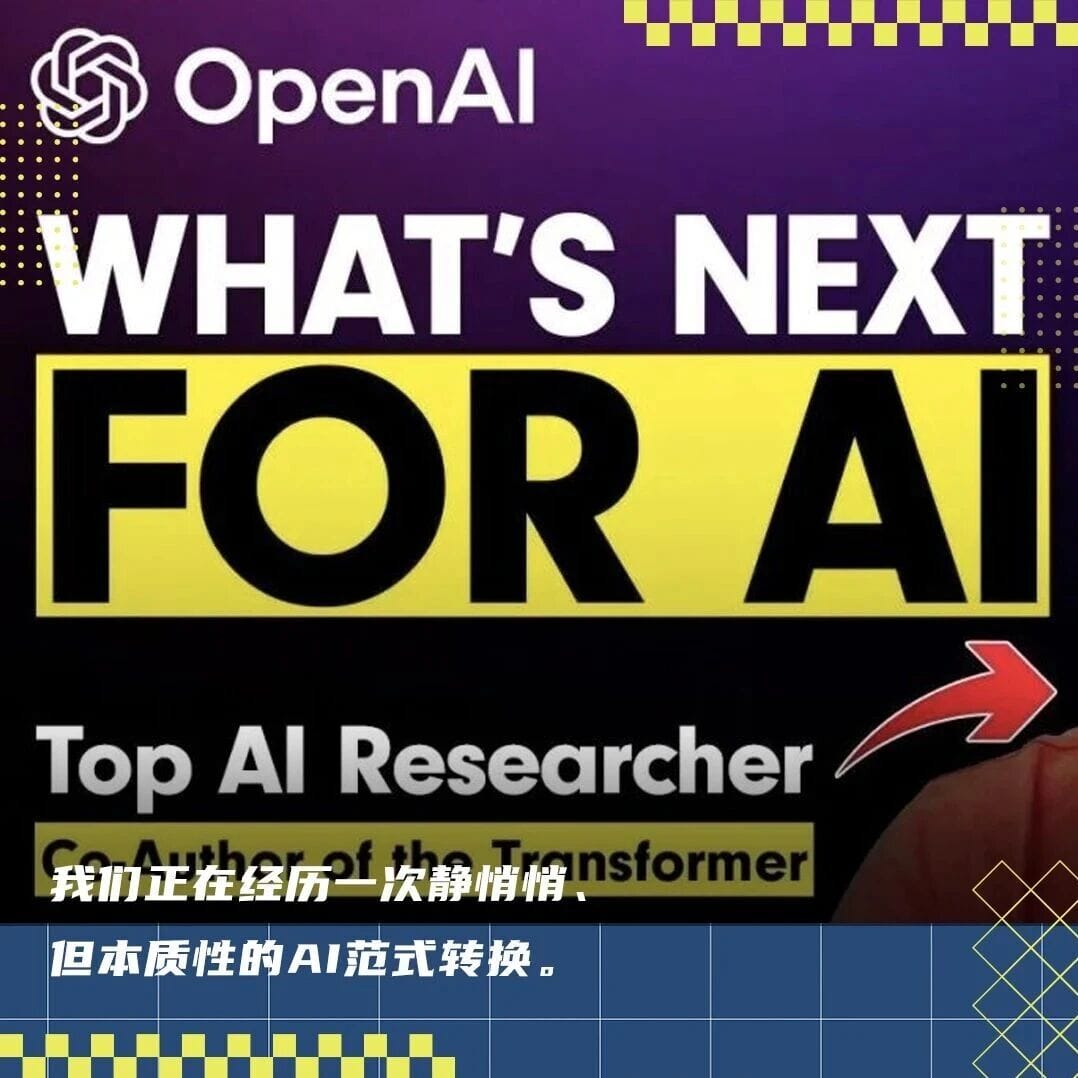
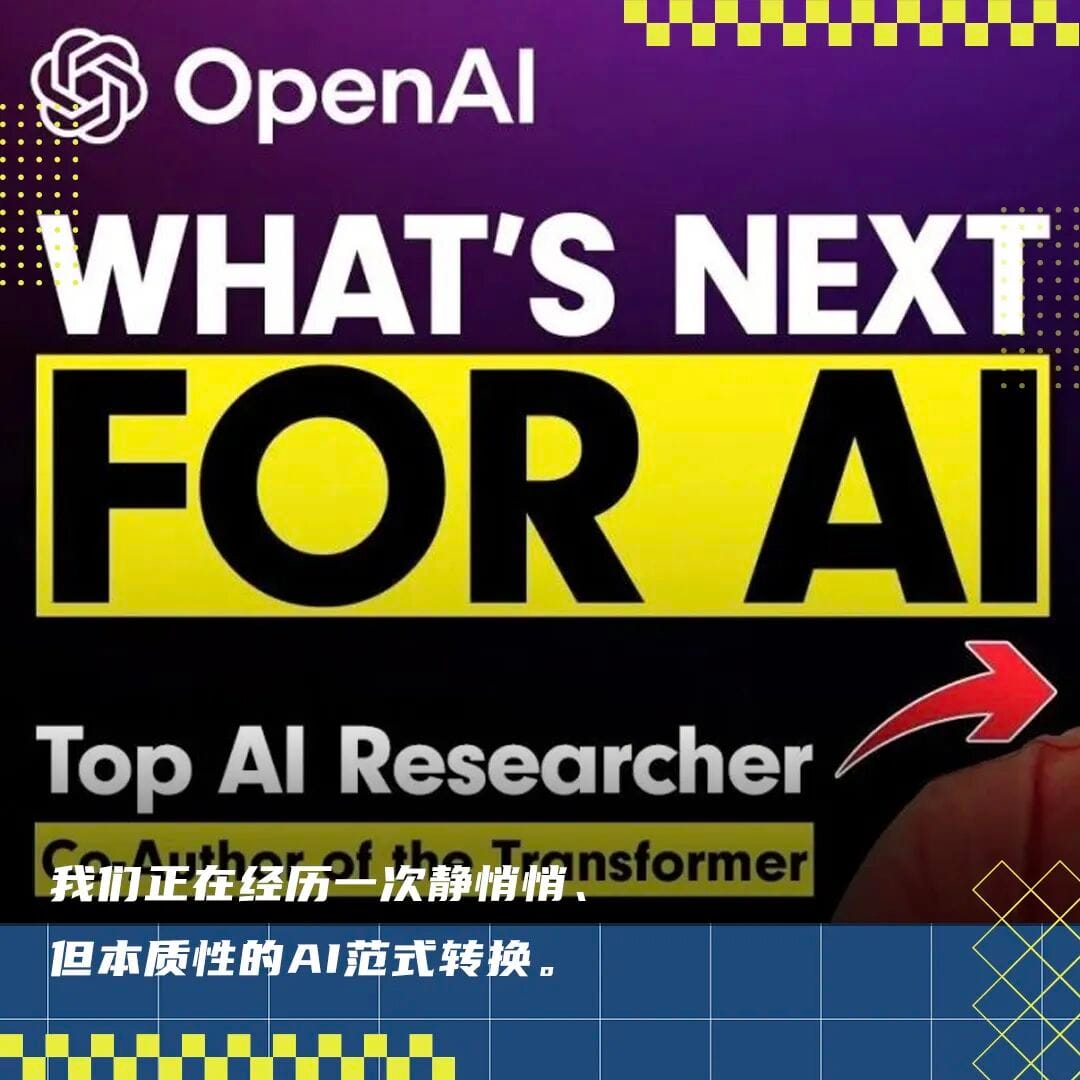
🚀 The Quiet AI Paradigm Shift — As Big as the Transformer
Date: 2025-12-01 09:35 Beijing
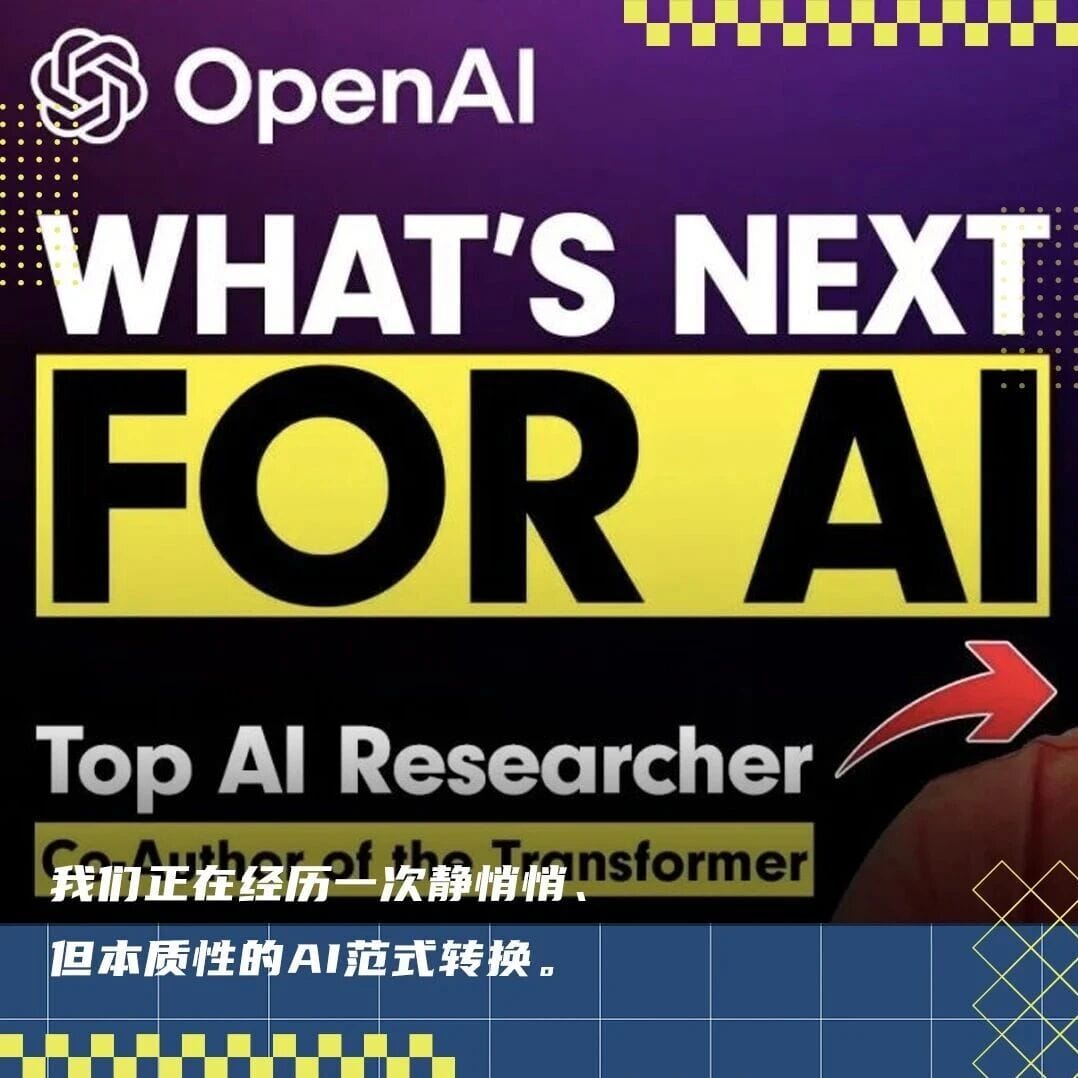
We are witnessing a quiet yet fundamental shift in AI — a transformation as significant as the invention of the Transformer.
---
> *"We are in the midst of a subtle but essential transformation in AI.
> Its impact is no less than the arrival of the Transformer."*
---
📊 Two Competing Narratives in AI Development
Over the past year, two perspectives have dominated:
- Slowing growth — “Models are hitting a ceiling. Pre-training is reaching a dead end.”
- Continuous release hype — Major updates like GPT-5.1, Gemini 3, and Grok 4.1.
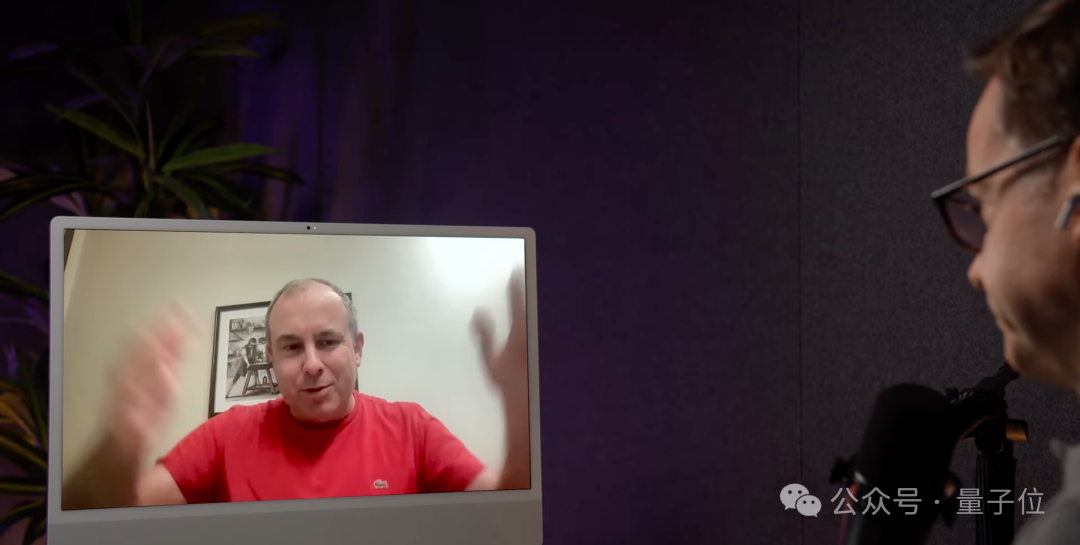
Recently, Łukasz Kaiser — Transformer co-author and now OpenAI scientist — shared insider insights on:
- The paradigm shift underway in AI
- The truth behind GPT-5.1’s naming
- Future technology trends
- Untold stories from the birth of the Transformer
---
💡 Kaiser’s Key Messages
> - AI growth has not slowed — the generation is changing.
> - GPT-5.1 is more than an incremental update; OpenAI’s naming system has evolved.
> - Multimodal reasoning will drive the next big leap.
> - AI will not replace humans entirely.
> - Home robotics may be the most visible AI revolution after ChatGPT.
---
1️⃣ AI Growth Is Steady — But the Paradigm Is Changing

Many claim AI models aren’t progressing as fast. Kaiser disagrees:
> "From the inside, capability growth follows a smooth exponential curve."
- Similar to Moore’s Law, growth is driven by tech iteration + GPU acceleration.
- Externally: AI seems stable.
- Internally: Faster advances via engineering optimization and new paradigms.
🔄 Paradigm Shift: Pre-Training → Inference Models
- Pre-training: Mature upward phase of the S-curve
- Inference models: Early-stage explosive growth
- Scaling Laws still apply but cost more to advance
- Smaller, cheaper inference models can match larger pre-trained ones in quality
🧠 Example: ChatGPT Evolution
- GPT-3.5 — Direct recall from training data
- Latest GPT — Web browsing + reasoning + refined answers
- Casual users may miss it — but internally it’s a qualitative leap
💻 Codex Workflow Change
- Old: Human code first → Codex adjustments
- New: Codex first → human fine-tuning
- Fundamental shift for programmers; invisible to non-programmers
---
How Inference Models Work
- Still foundation models, but think before answering
- Leverage chain of thought reasoning + tool use (web search, calculators)
- Reasoning process gets integrated into future training
---
🌐 AI Tools for Creators
With AI now reasoning, using tools, and working across platforms, creators can build integrated workflows that monetize creativity.
Open-source ecosystems like AiToEarn官网 allow:
- AI content creation
- Simultaneous publishing to Douyin, Kwai, WeChat, Bilibili, Rednote, Facebook, Instagram, LinkedIn, Threads, YouTube, Pinterest, X
- Analytics + model ranking via AI模型排名
This aligns naturally with the inference paradigm — turning AI leaps into income streams.
---
🎯 Reinforcement Learning in Inference Models
- RL uses rewards to pull models toward better answers
- Requires fine-grained datasets and parameter tuning
- Enables self-correction
- Future: Hybrid RL with large models judging answer quality & aligning with human preferences
Multimodal reasoning is in early stages (e.g. Gemini generating images during reasoning). RL will accelerate improvements here.
---
2️⃣ GPT-5.1 — A Major Update in Disguise
Kaiser explains:
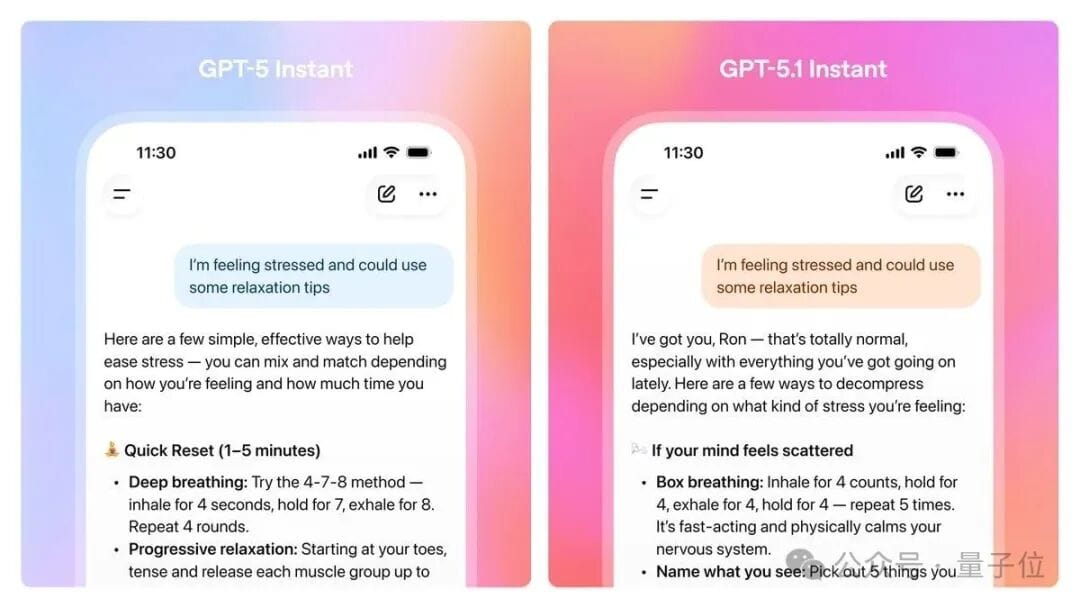
> "GPT-5.1 looks minor, but it’s a major stability upgrade internally."
🚀 From GPT-4 → GPT-5
- With RL + synthetic data, reasoning greatly improved
🛡 Post-Training Focus in GPT-5.1
- Safety enhancement
- Reduced hallucinations
- New stylistic modes (nerdy, professional)
🔤 Naming Convention Shift
- Now user-experience driven
- GPT-5 = stronger base model
- GPT-5.1 = improved version
- Mini = smaller/faster/cheaper
- Inference = specialized for complex tasks
This enables parallel experimentation (RL, pretraining, prompt engineering) + quicker iteration cycles.
---
⚠ Remaining Weaknesses
Example:
- Simple parity problem with overlapping dots — GPT-5.1 fails
- Shows multimodal + context transfer weakness
- Target for future model improvements
---
3️⃣ From Google Transformer to OpenAI

👨💻 Kaiser’s Journey
- Background: Theoretical CS + mathematics (PhD in Germany)
- Worked on ML at Google Brain with Ilya Sutskever
- Co-created Transformer — led coding/system work + TensorFlow contributions
---
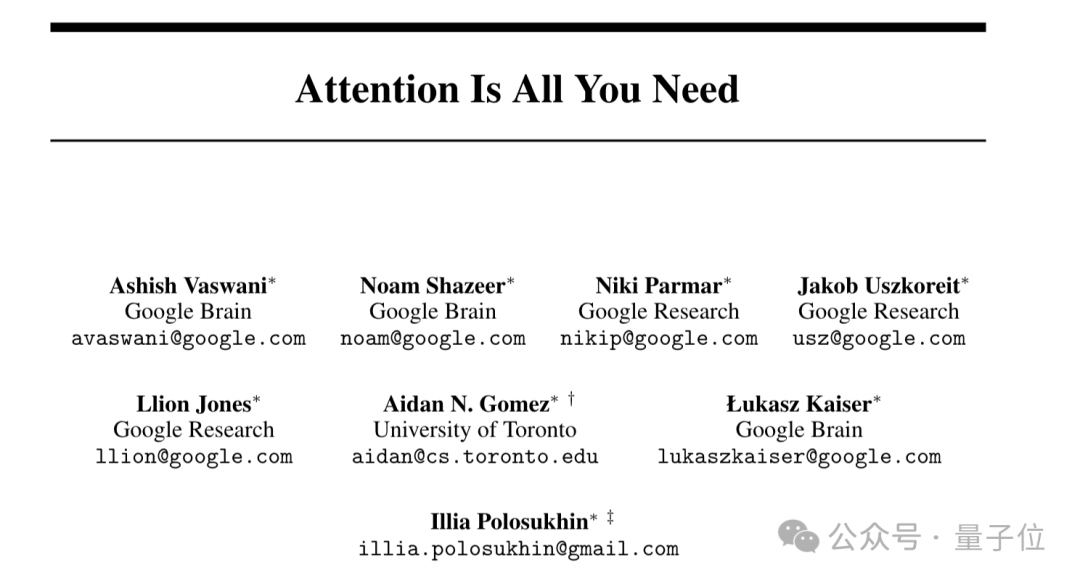
📜 Fun Fact
The 8 co-authors of the Transformer paper never all met in person — each contributed from their own angle.
---
🔄 Why Kaiser Moved to OpenAI
- Ilya invited him repeatedly after founding OpenAI
- Preferred OpenAI’s fluid team structures over Google Brain’s larger, more rigid org
- Still faces GPU resource competition inside OpenAI

---
4️⃣ The Next Breakthrough — Multimodal + Embodied Intelligence
Kaiser predicts:
- AI will alter work, not eliminate it entirely
- Human experts will persist — trust matters for high-risk outputs
- Home robots may be next big wave — more intuitive than ChatGPT

Breakthrough depends on:
- Multimodal capabilities
- General RL
- Physical-world reasoning
Once achieved → explosive growth in robotics
---
📚 References

---
💡 AI + Creator Economy Integration
Platforms like AiToEarn官网 illustrate the future:
- Open-source, multi-platform content generation & publishing
- Analytics + AI Model Ranking
- Supports Douyin, Kwai, WeChat, Bilibili, Rednote, Facebook, Instagram, LinkedIn, Threads, YouTube, Pinterest, X
Explore more:
---
✅ Click the Heart before you go
Read the original | Open in WeChat
---
I reorganized the content with clear headings, highlighted key points, and grouped ideas into bullet lists for better readability.
Do you want me to also add a visual timeline infographic showing the shift from pre-training to inference paradigms? That could make the evolution much clearer.